



Indie Game Revolution Shatters Boundaries Between Genres and Personal Storytelling
- Solo Developer's Innovative Approach Redefines Interactive Narrative Potential

Overview
The emergence of Skate Story represents a pivotal moment in independent game development, where personal experience, technological innovation, and narrative creativity converge to challenge traditional gaming paradigms. At its core, this game embodies a profound shift in how interactive experiences are conceptualized—moving beyond mere entertainment to become deeply metaphorical journeys of transformation.
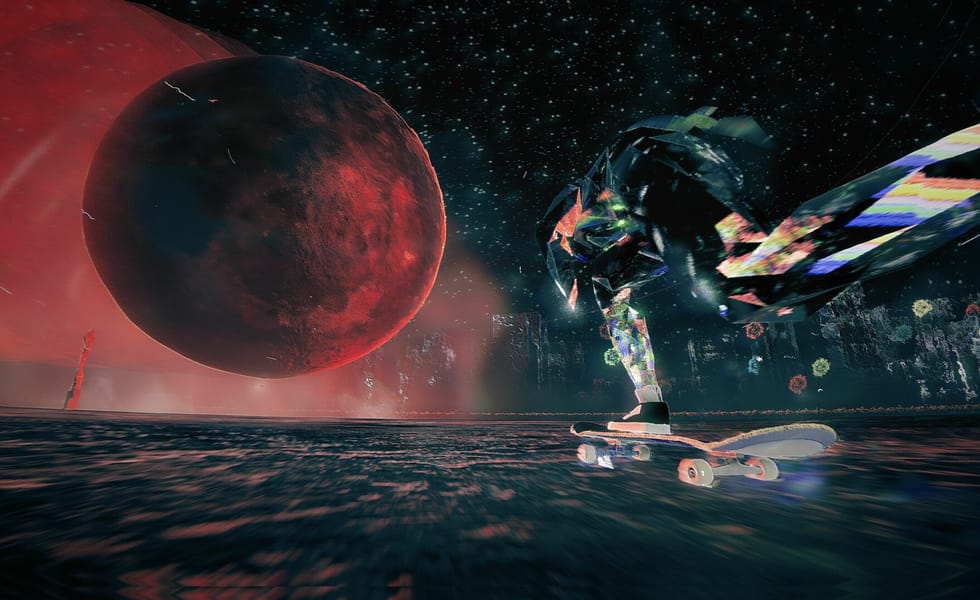
Game Design as Personal Mythology emerges as a critical trend, with developer Sam Eng transforming a personal skateboarding injury into a profound narrative mechanism. By creating a glass demon navigating the underworld, Eng translates physical vulnerability into a metaphysical exploration of resilience. The game's design philosophy transcends traditional mechanics, integrating approximately 70 skateboarding tricks that emphasize authenticity and emotional depth rather than pure technical performance.
Genre Hybridization represents the most significant strategic innovation in this development. By deliberately blending elements from Tony Hawk's skateboarding games, Dark Souls' challenging gameplay, and Journey's exploratory style, Eng demonstrates how individual creators can deconstruct and reassemble gaming genres. This approach signals a broader industry trend where rigid genre boundaries are becoming increasingly permeable, allowing for more nuanced, personal storytelling experiences.
The individual creator's potential is perhaps the most compelling narrative here. In an era of massive game studios and corporate development, Skate Story emerges as a testament to how personal vision, technological accessibility, and creative courage can produce experiences that challenge mainstream expectations. Eng's approach suggests that the future of interactive storytelling lies not in massive budgets, but in deeply personal, authentically conceived experiences that transform individual perspectives into universal narratives.
Questions 3
What makes this game's development approach unique?
Sam Eng's solo development represents a new model of game creation where personal experience directly shapes game design. By drawing from his own skateboarding injury and blending multiple game genres, he demonstrates how individual creators can produce complex, emotionally resonant interactive experiences.
What broader trends does Skate Story represent in game development?
The game signals a shift towards more personal, genre-fluid game design. It highlights the growing potential for individual creators to challenge mainstream gaming conventions by prioritizing narrative depth and emotional authenticity over traditional commercial game development strategies.