

Larian's Cryptic Desert Statue Sparks RPG Speculation: The Next Divinity Saga Unfolds
- Trademark Mysteries and Game Awards Anticipation Signal Potential Franchise Expansion for RPG Developers










Overview
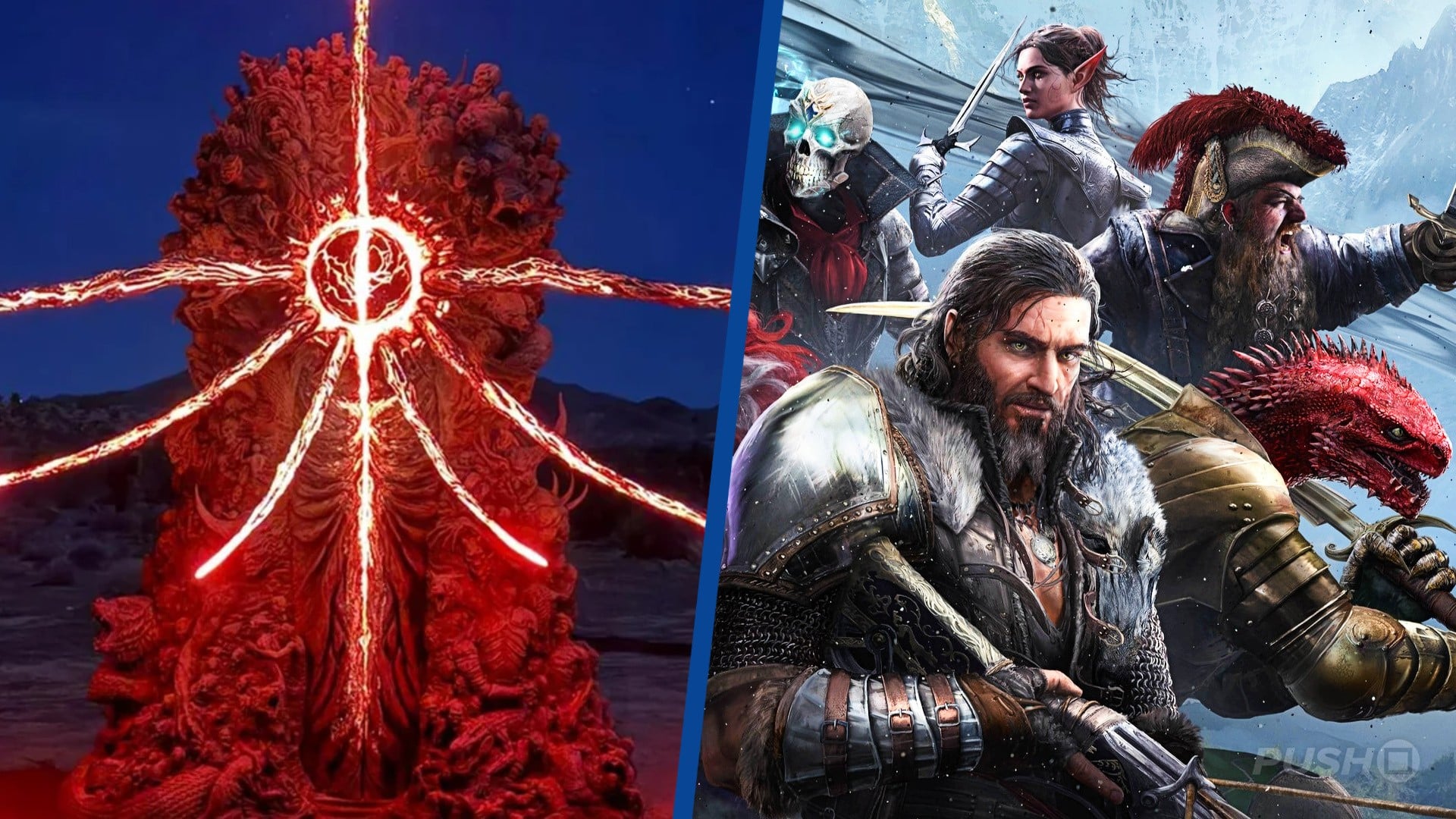
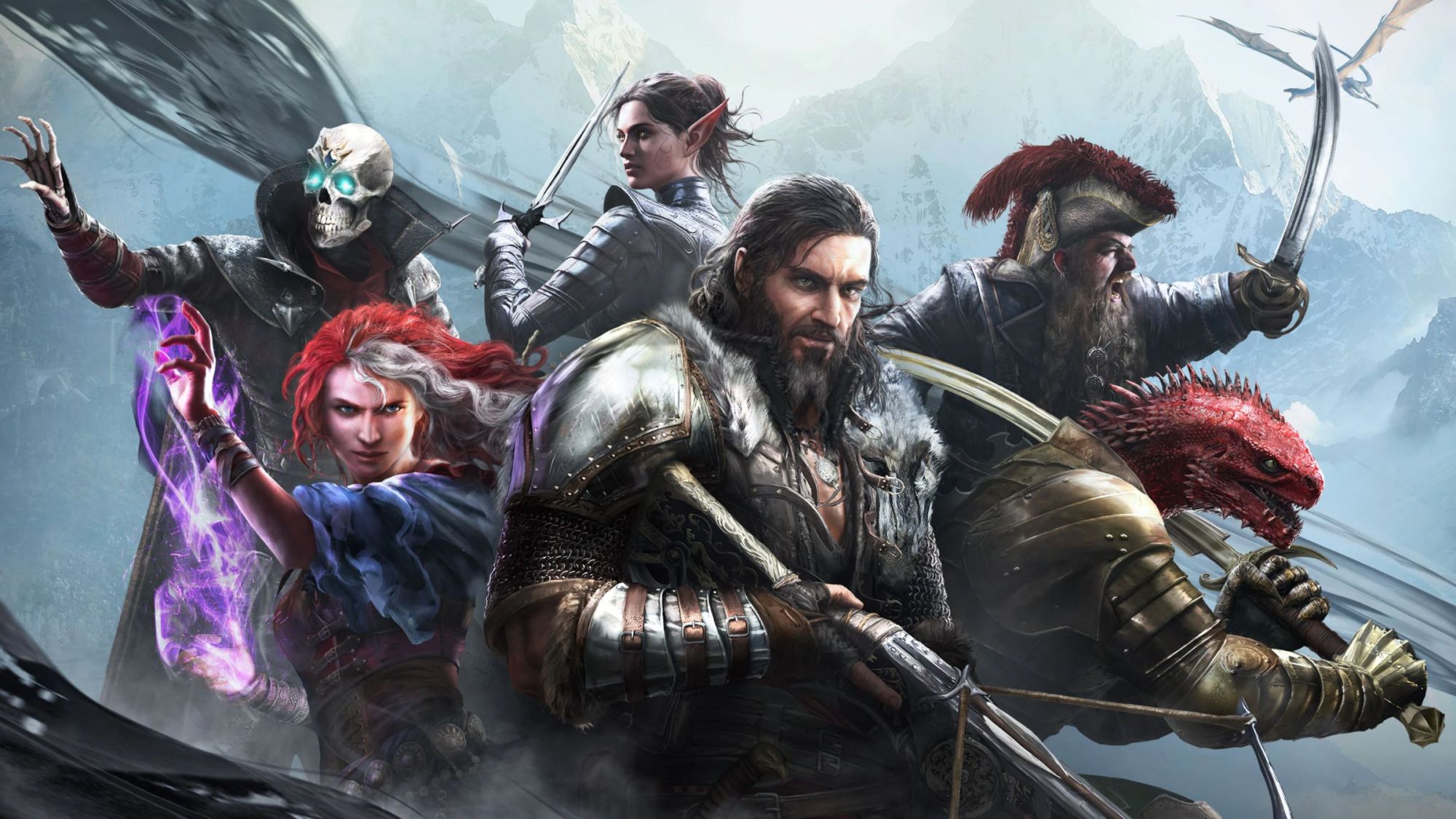
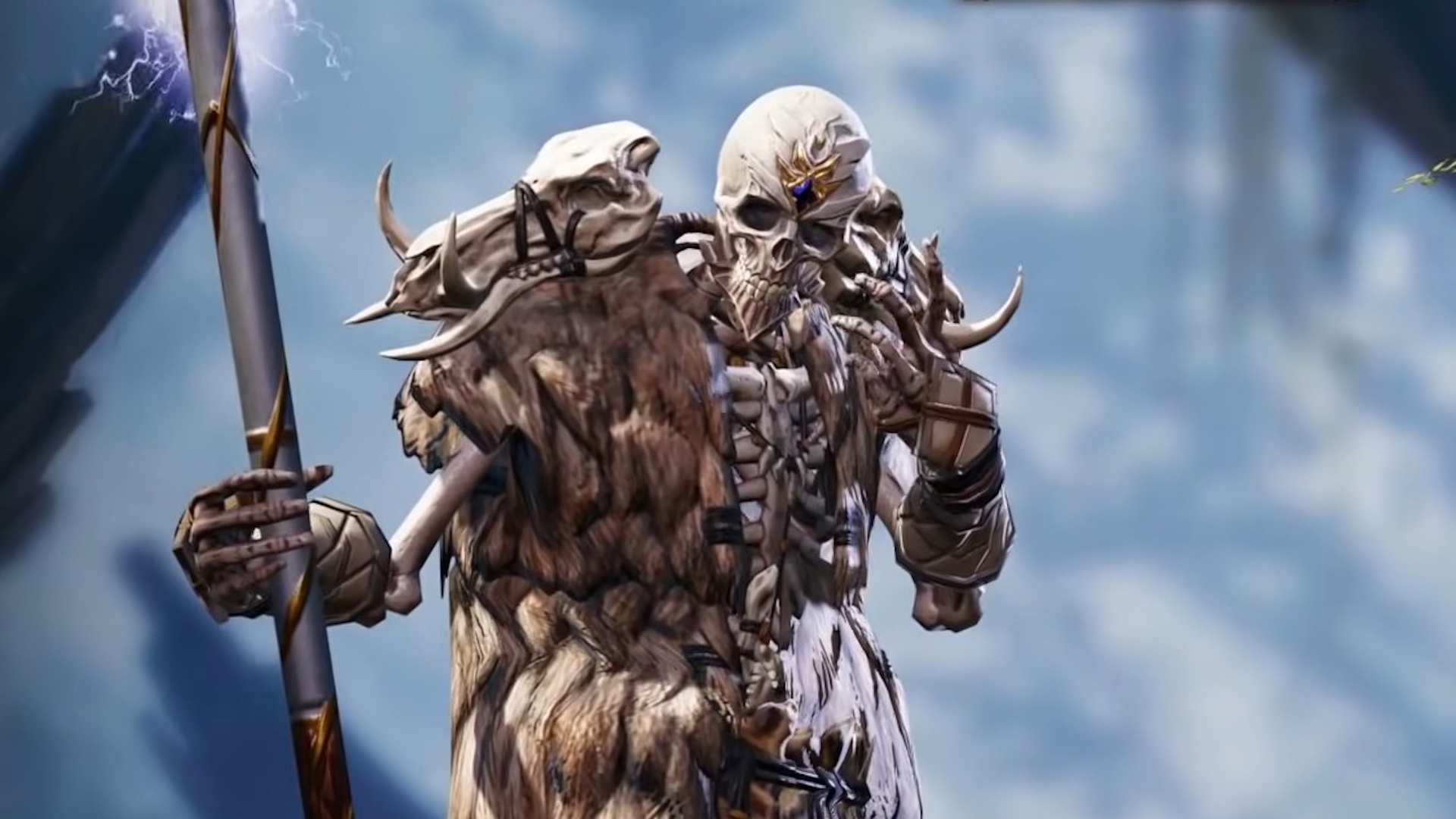
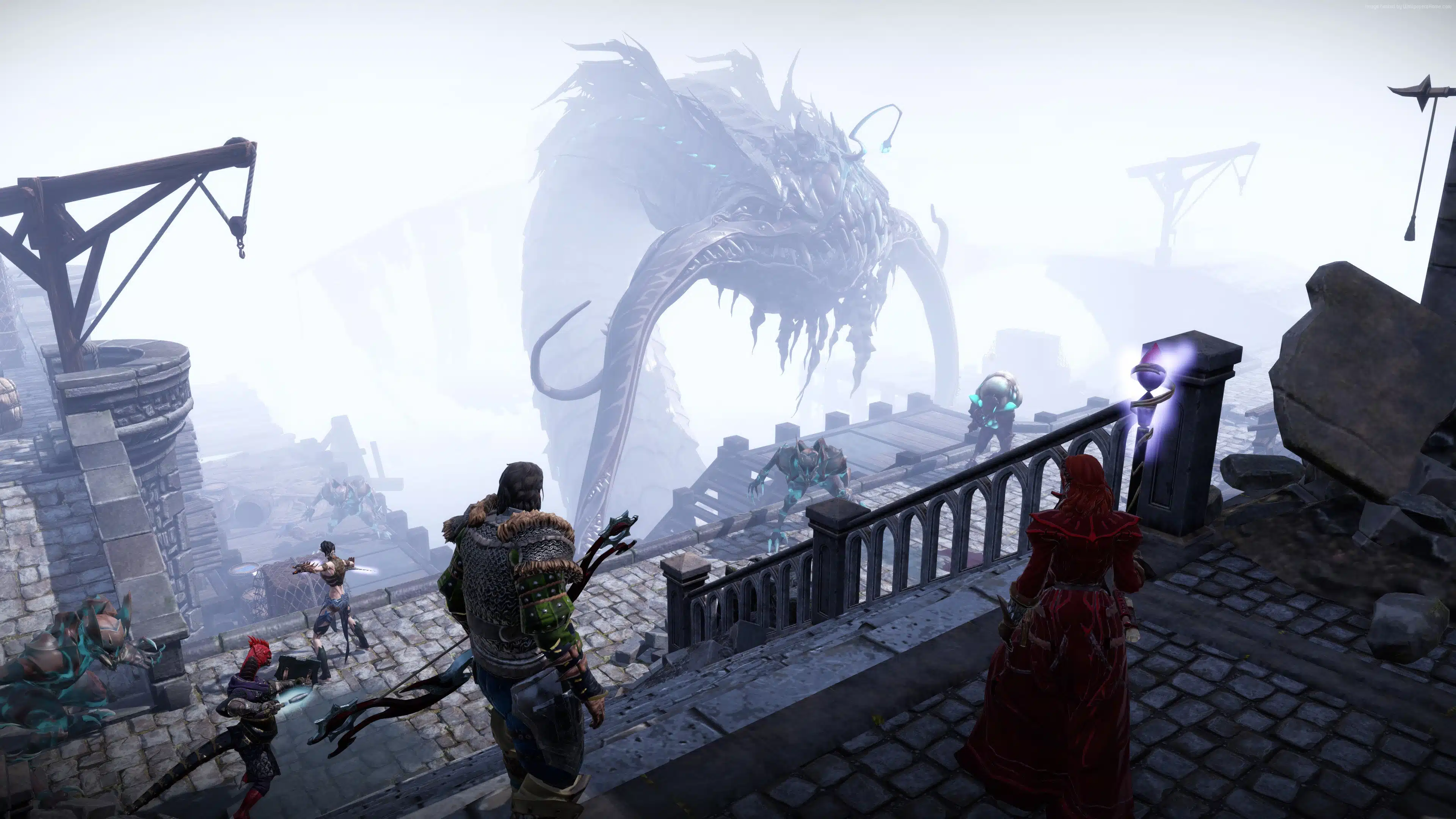
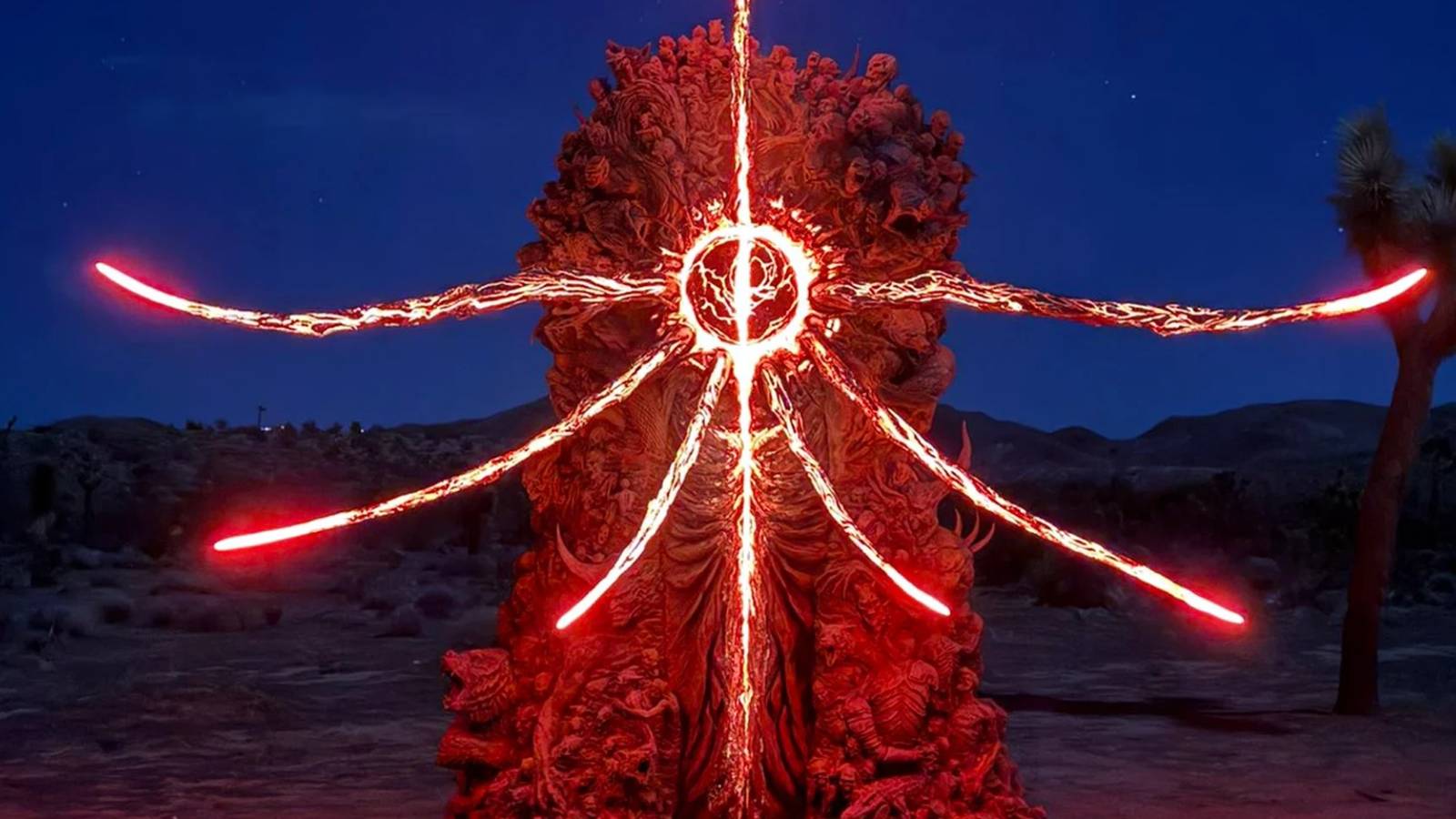
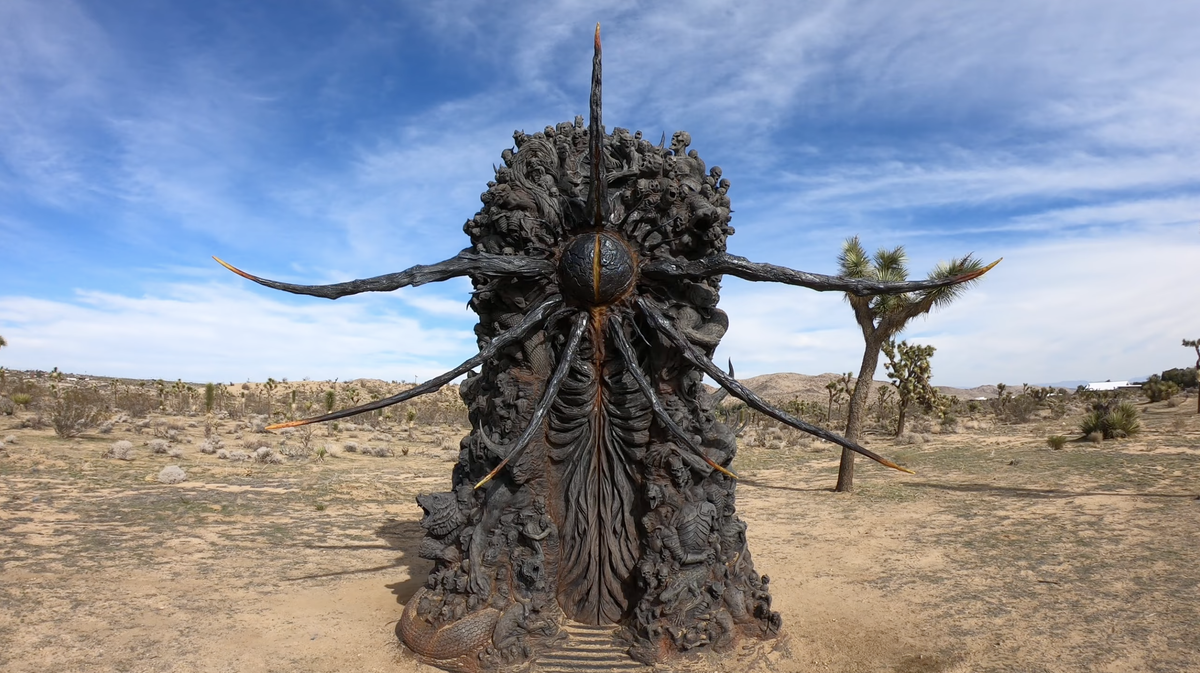
The gaming world is buzzing with anticipation as Larian Studios teases a potential new Divinity project through an enigmatic desert statue and strategic trademark filings. This carefully orchestrated mystery reveals the studio's masterful approach to generating pre-announcement excitement, leveraging the upcoming Game Awards as a potential reveal platform.
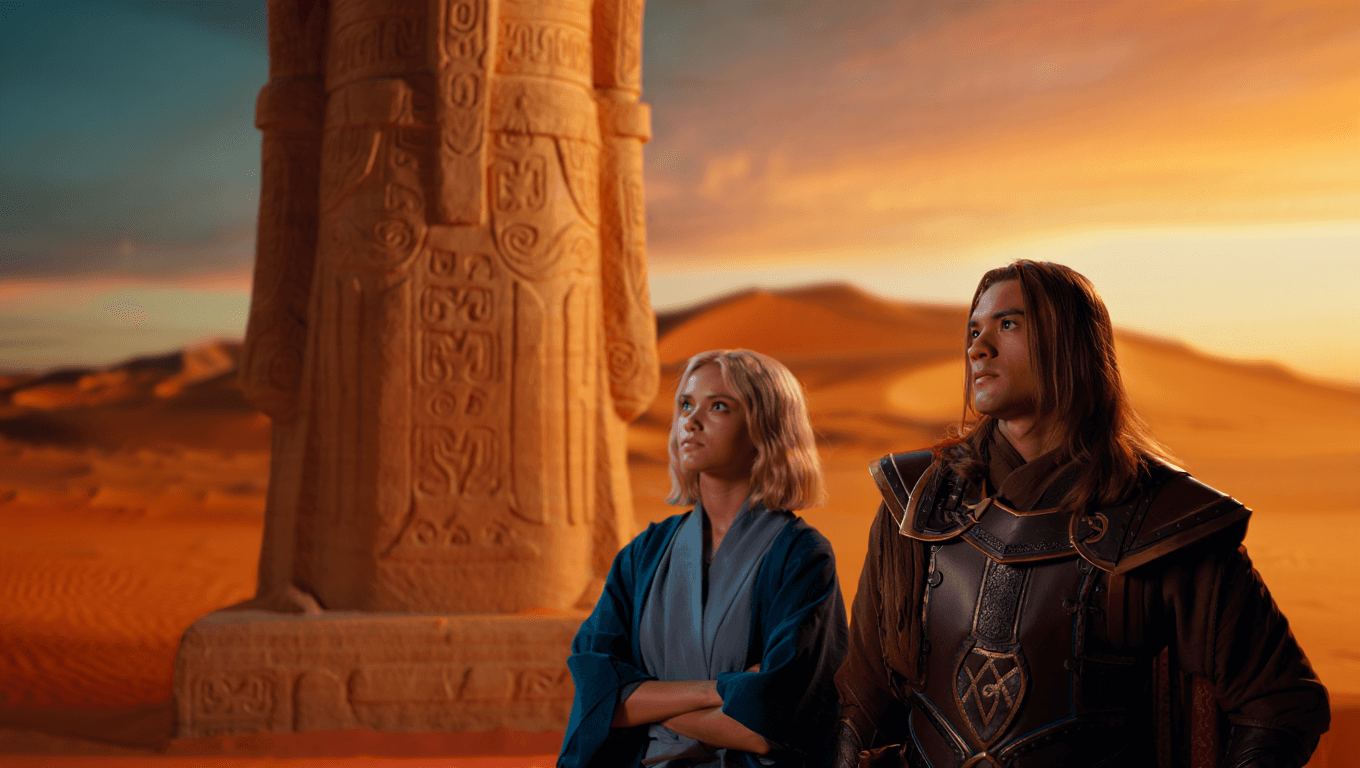
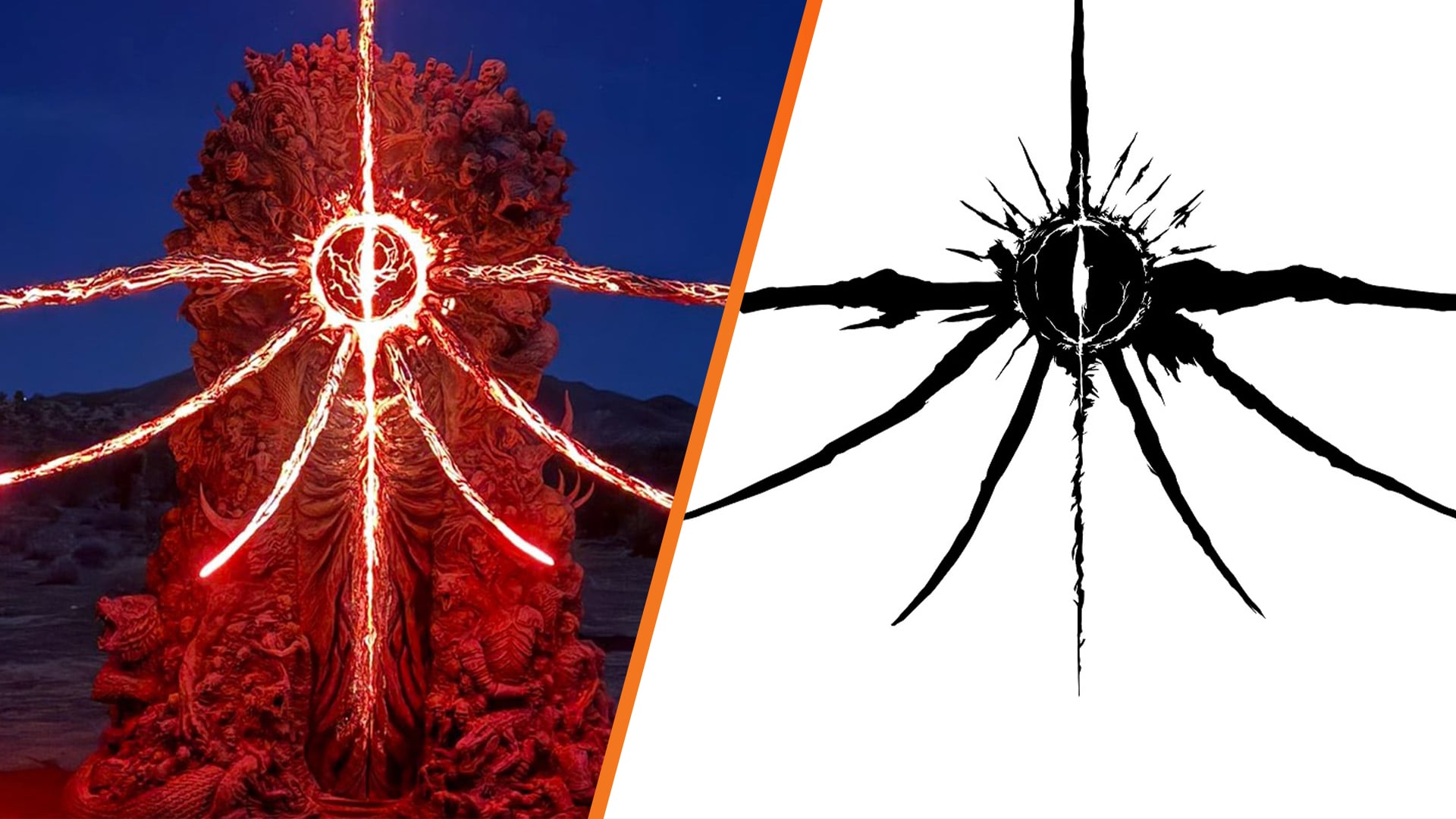
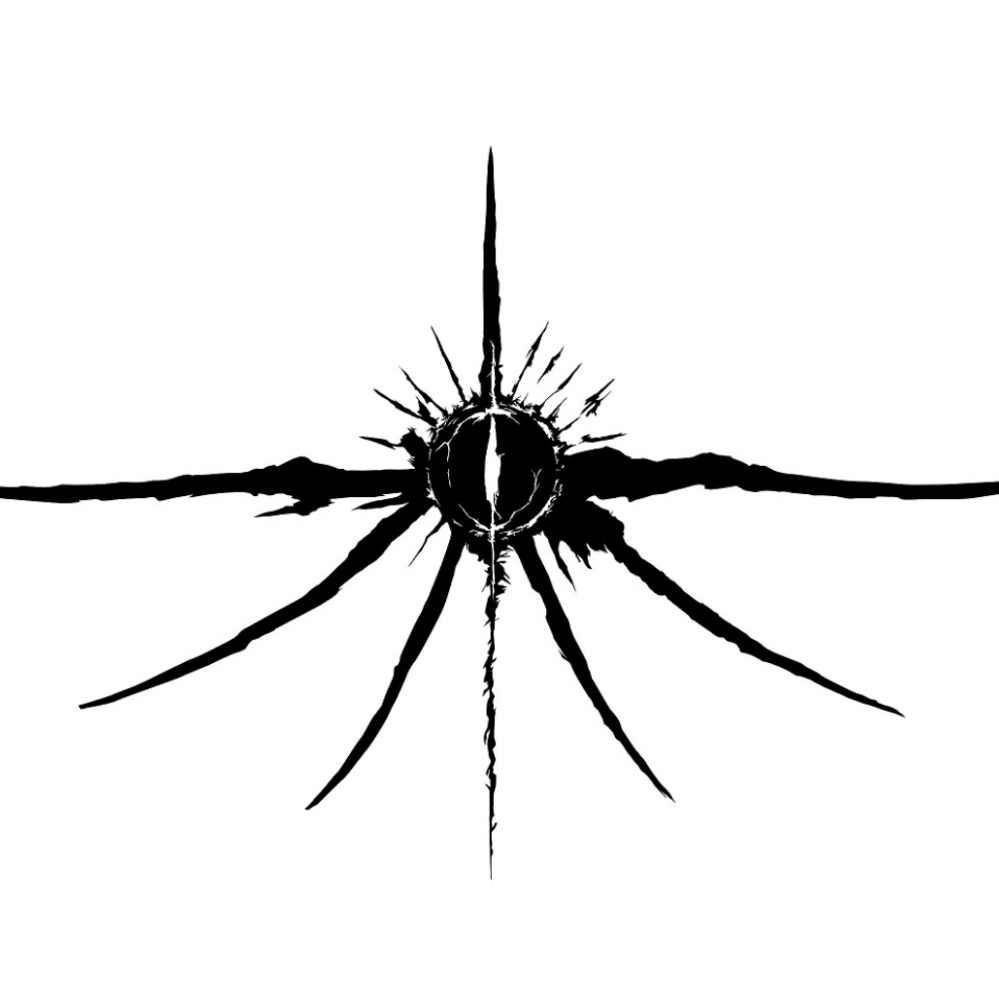
Trademark Intrigue: Three recently registered European trademarks have set the RPG community ablaze with speculation. A distinctive tentacled-eyeball logo matching the mysterious Mojave Desert monolith suggests something beyond a simple Divinity: Original Sin 3 sequel is brewing. Michael Douse, Larian's publishing boss, has been deliberately cryptic, explicitly denying a direct Original Sin 3 game while leaving tantalizing hints about "two crazy ambitious projects" in development.
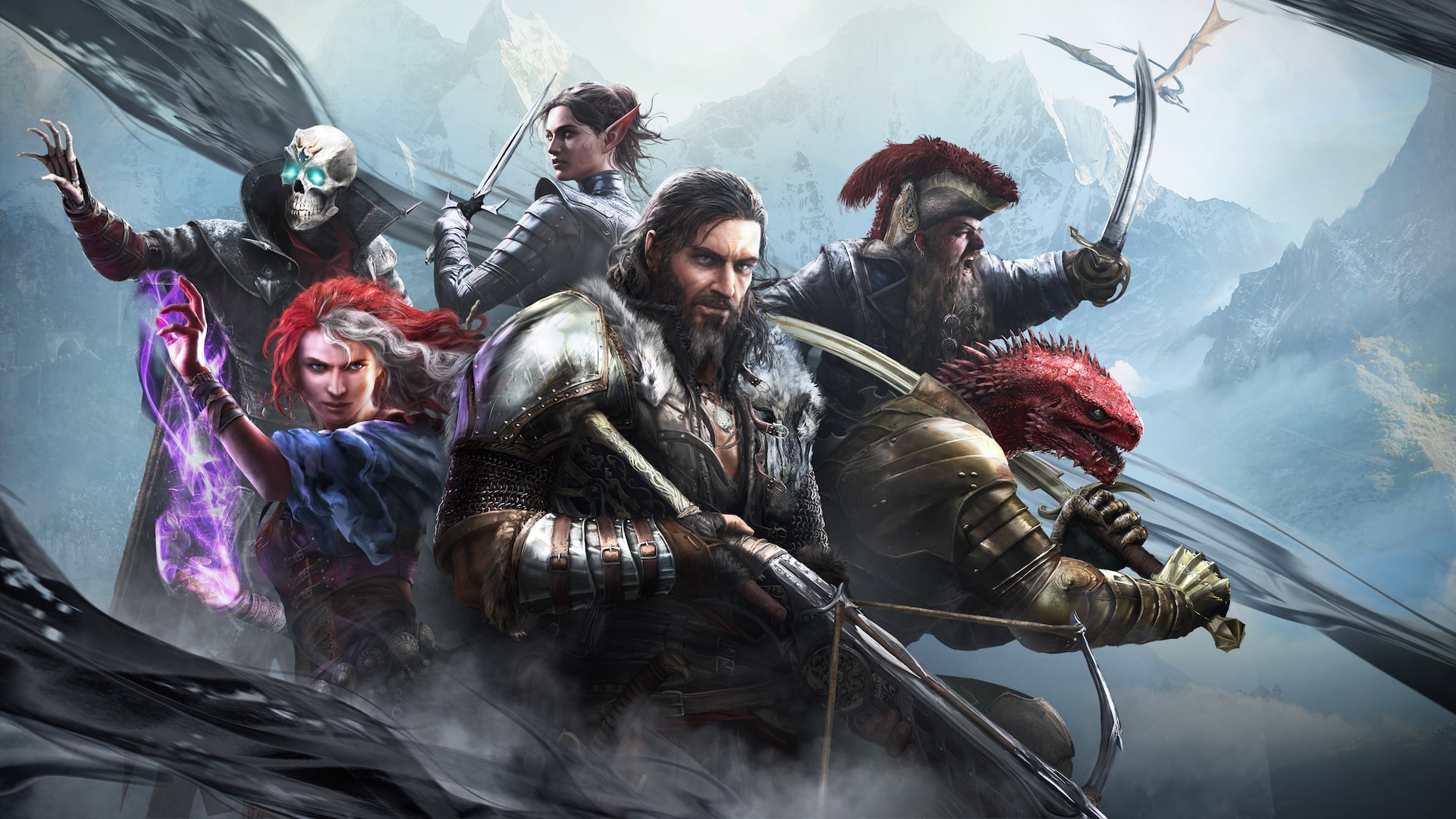
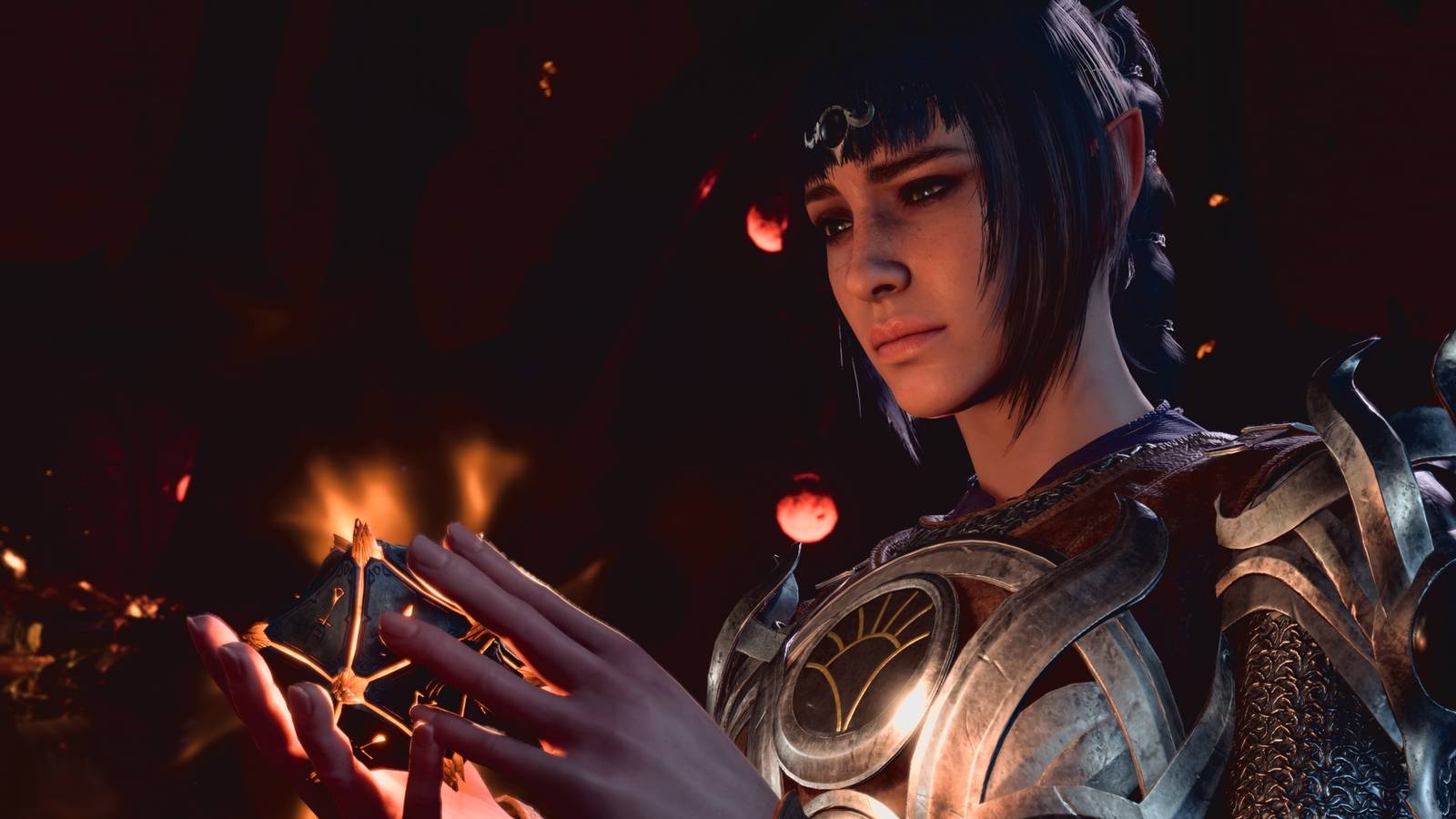
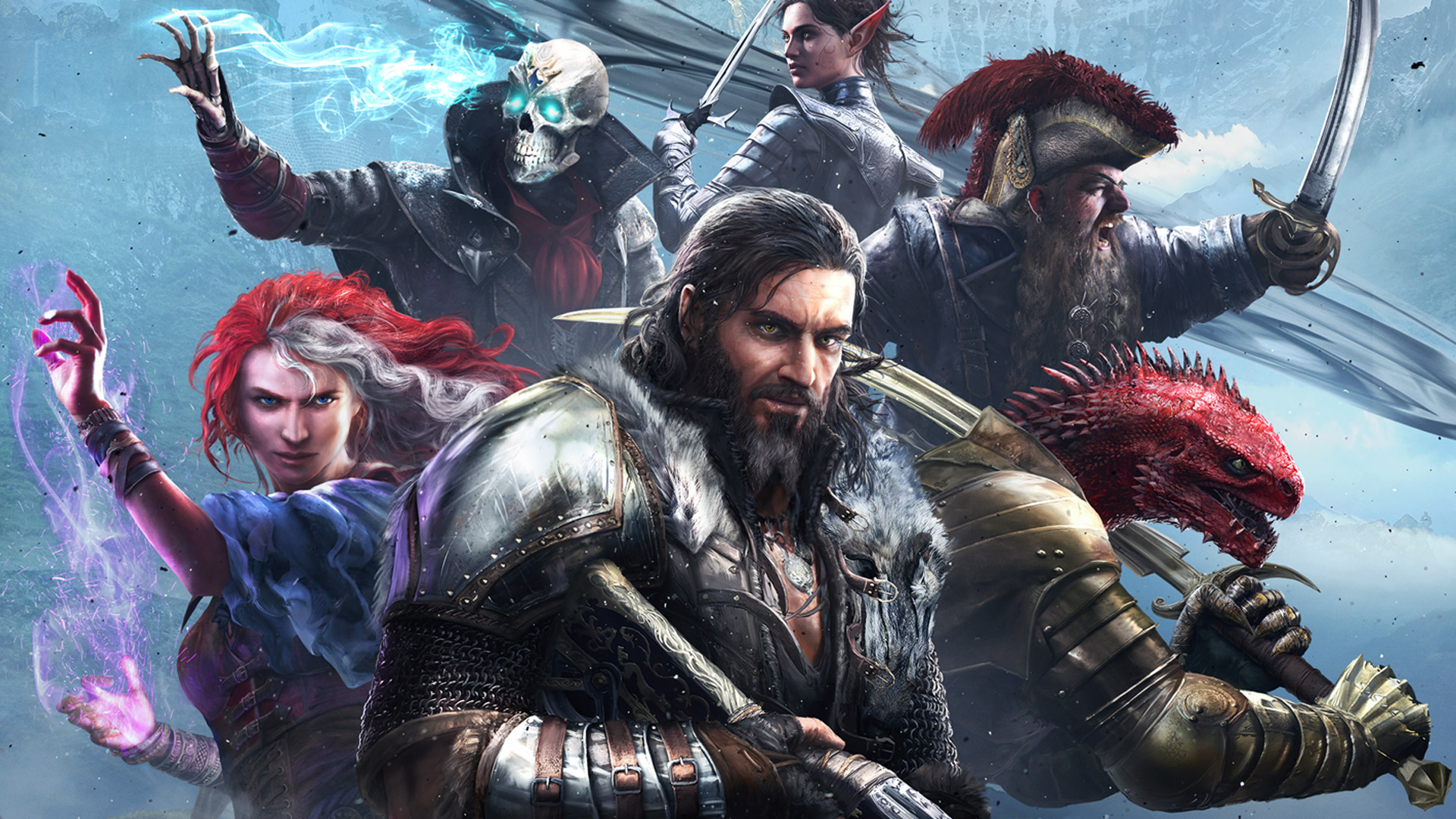
The context is crucial. Fresh off the critically acclaimed Baldur's Gate 3, which received a perfect 10/10 from IGN, Larian has proven its ability to reinvent established RPG frameworks. The studio's track record—including titles like Divine Divinity, Beyond Divinity, and Divinity II—suggests they're comfortable exploring multiple narrative and gameplay directions within their universe.
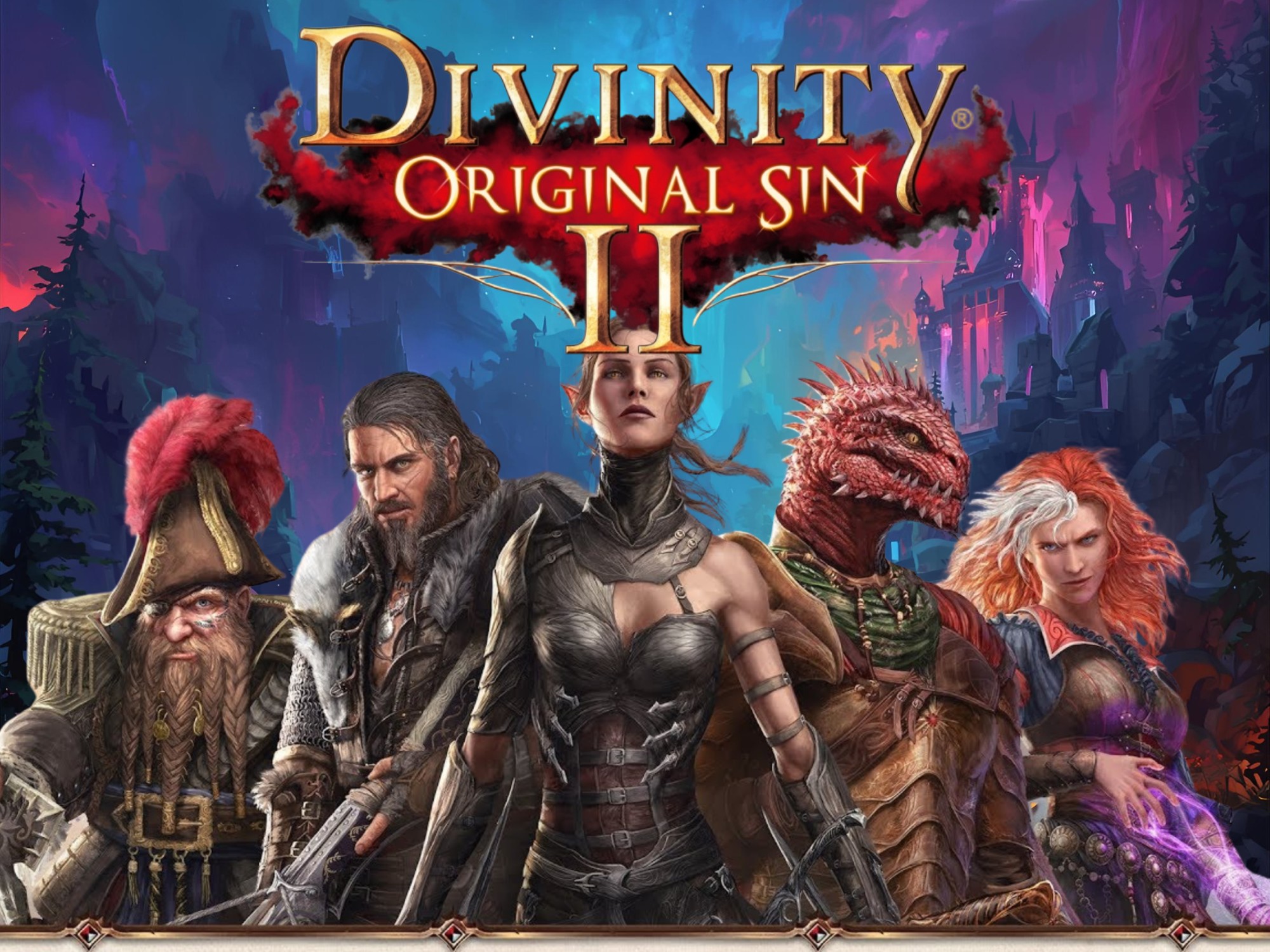
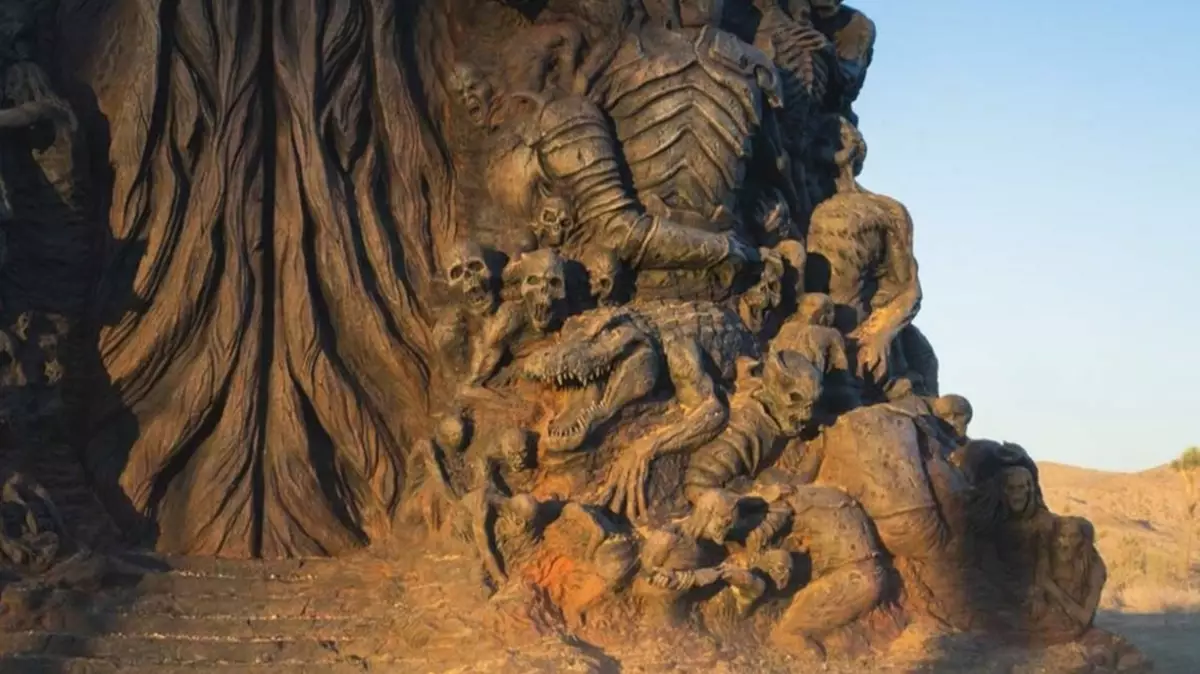
What makes this teaser particularly compelling is its multi-layered approach. The desert statue, shared by industry personality Geoff Keighley, the carefully worded denials, and the trademark filings create a narrative puzzle that keeps fans and industry observers thoroughly engaged. An unintended PlayStation Store database leak hinting at a Definitive Edition of Divinity: Original Sin 2 adds another layer of intrigue to the speculation.
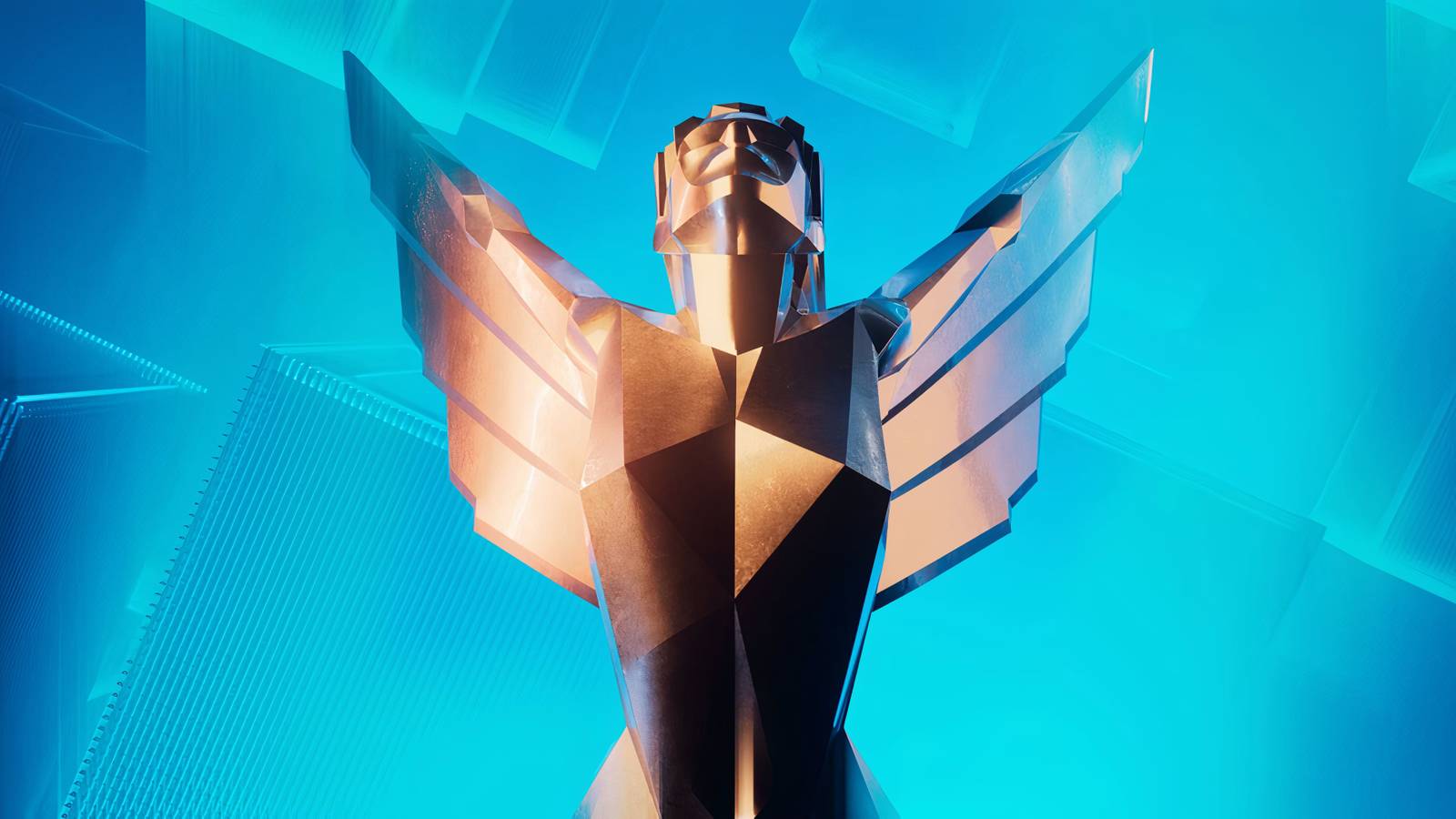
The strategic timing—positioning this potential announcement at The Game Awards—demonstrates Larian's sophisticated understanding of game marketing. By generating buzz through cryptic teasers, they're transforming a potential game announcement into a cultural moment that transcends traditional marketing approaches.
Questions 3
What does the mysterious desert statue actually suggest about Larian's next game?
While not confirming Divinity: Original Sin 3, the statue and trademark filings hint at a new Divinity-related project. The distinctive tentacled-eyeball logo suggests a fresh take on the franchise, potentially exploring a different narrative or gameplay approach beyond the Original Sin subseries.
Why are game developers like Larian using such cryptic marketing techniques?
Cryptic teasers generate significant pre-announcement buzz, keeping fans engaged and media speculation high. By creating a narrative puzzle, Larian transforms a potential game announcement into a cultural event that extends marketing reach far beyond traditional promotional methods.