



Red Bull's Strategic Transformation: The End of an Era in Motorsport Leadership
- Navigating Generational Shift in High-Performance Racing Talent Development

















Overview
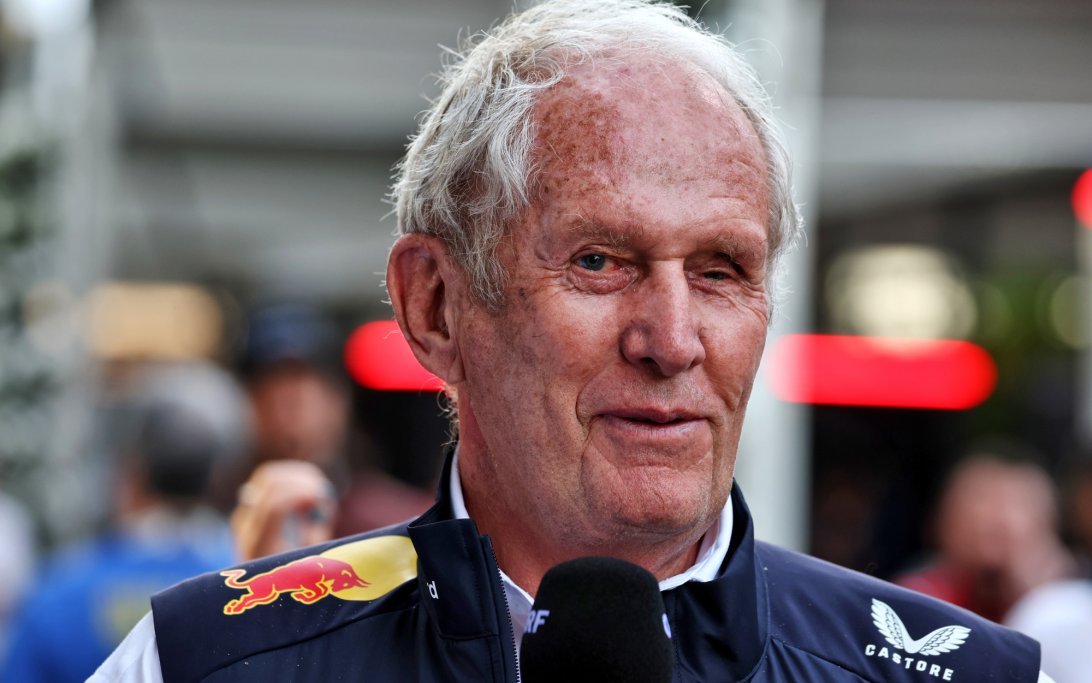
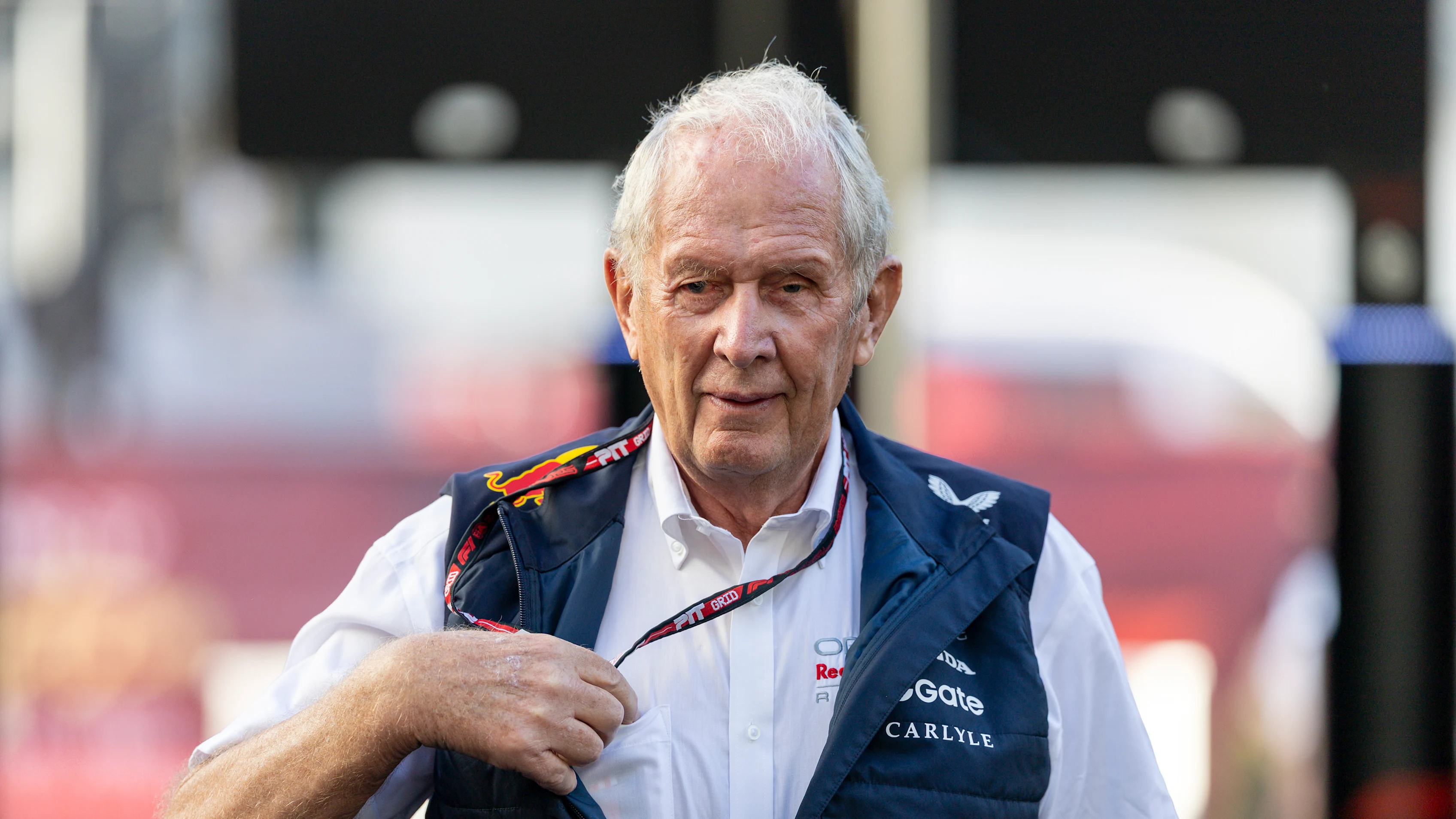
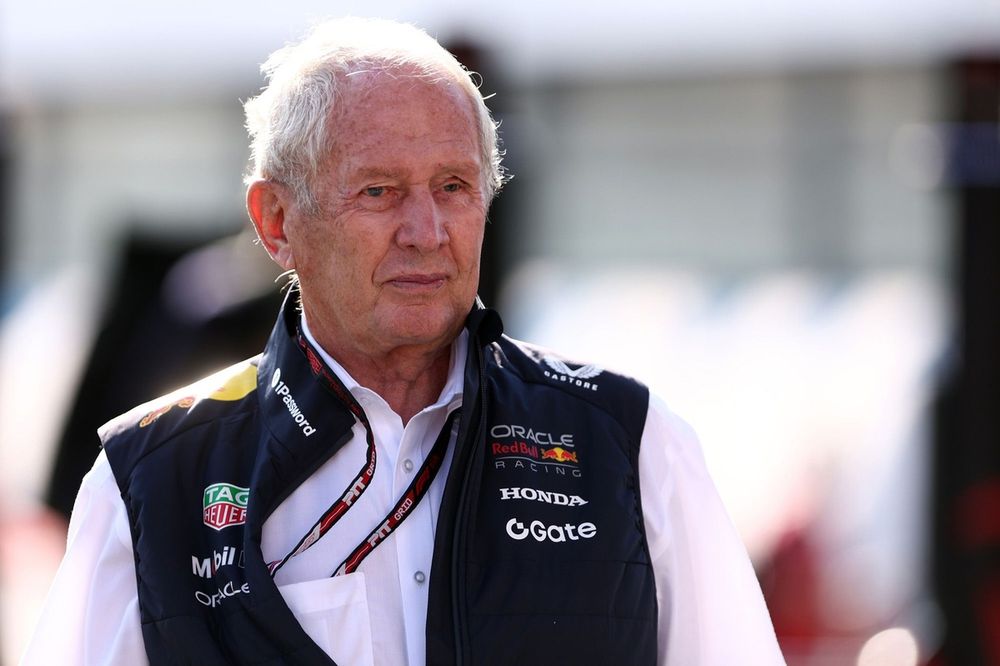
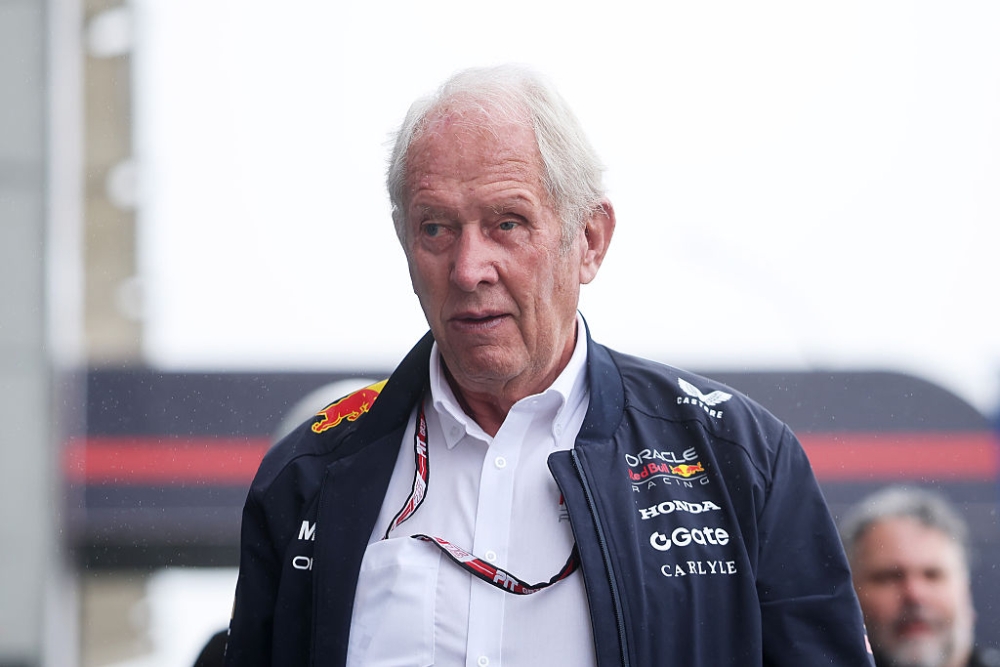
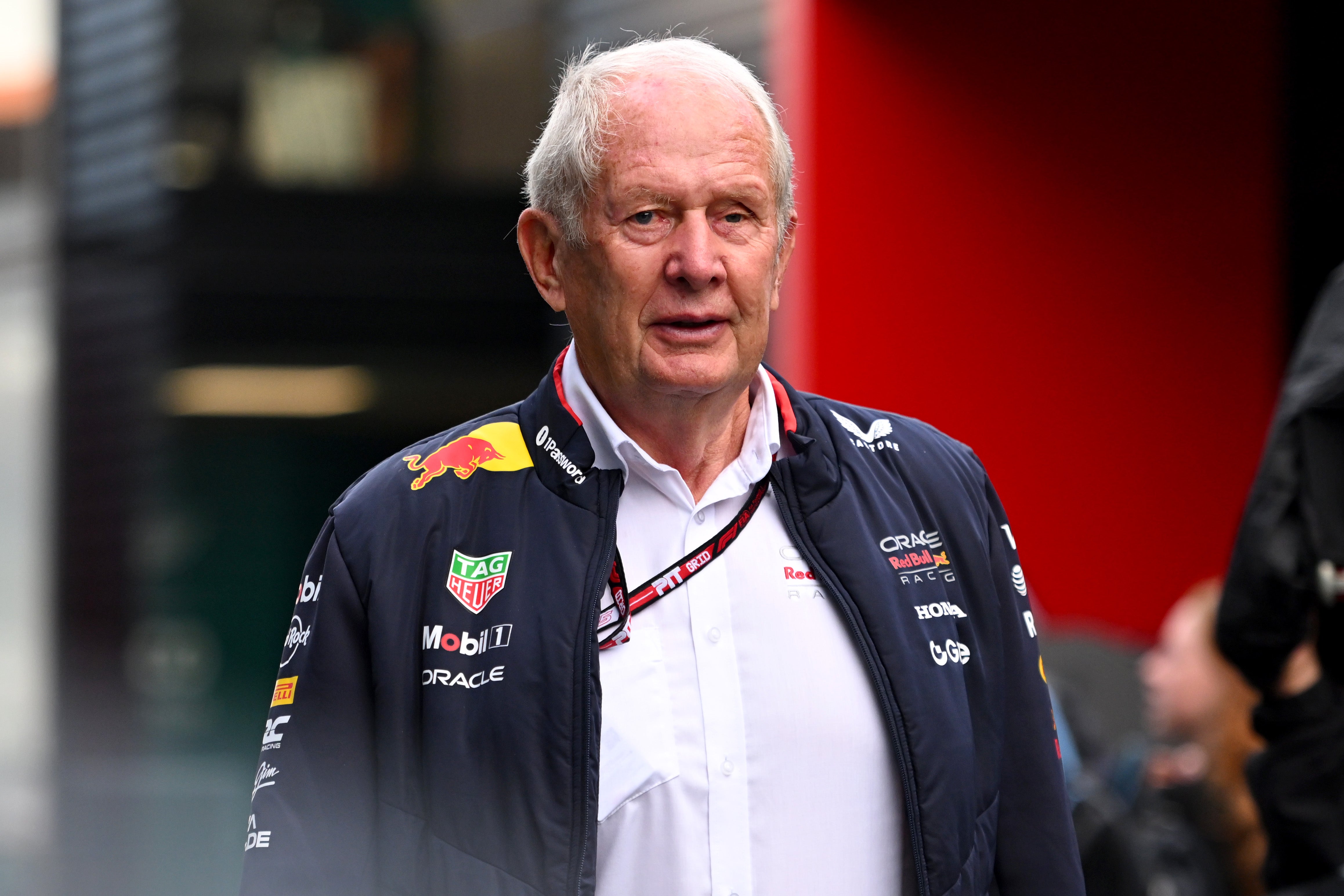
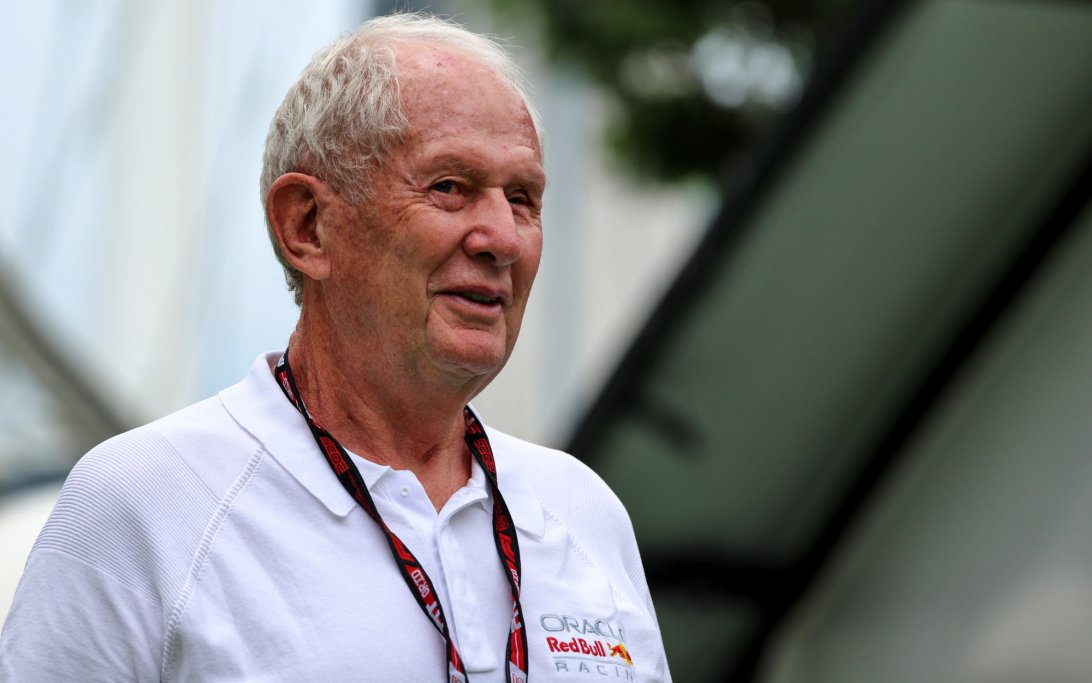
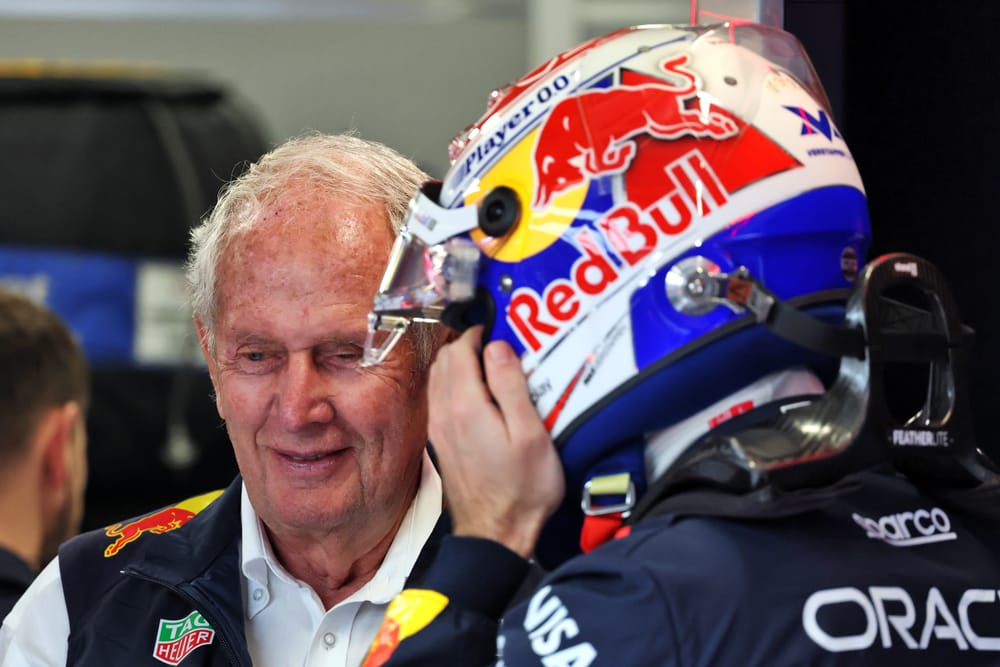
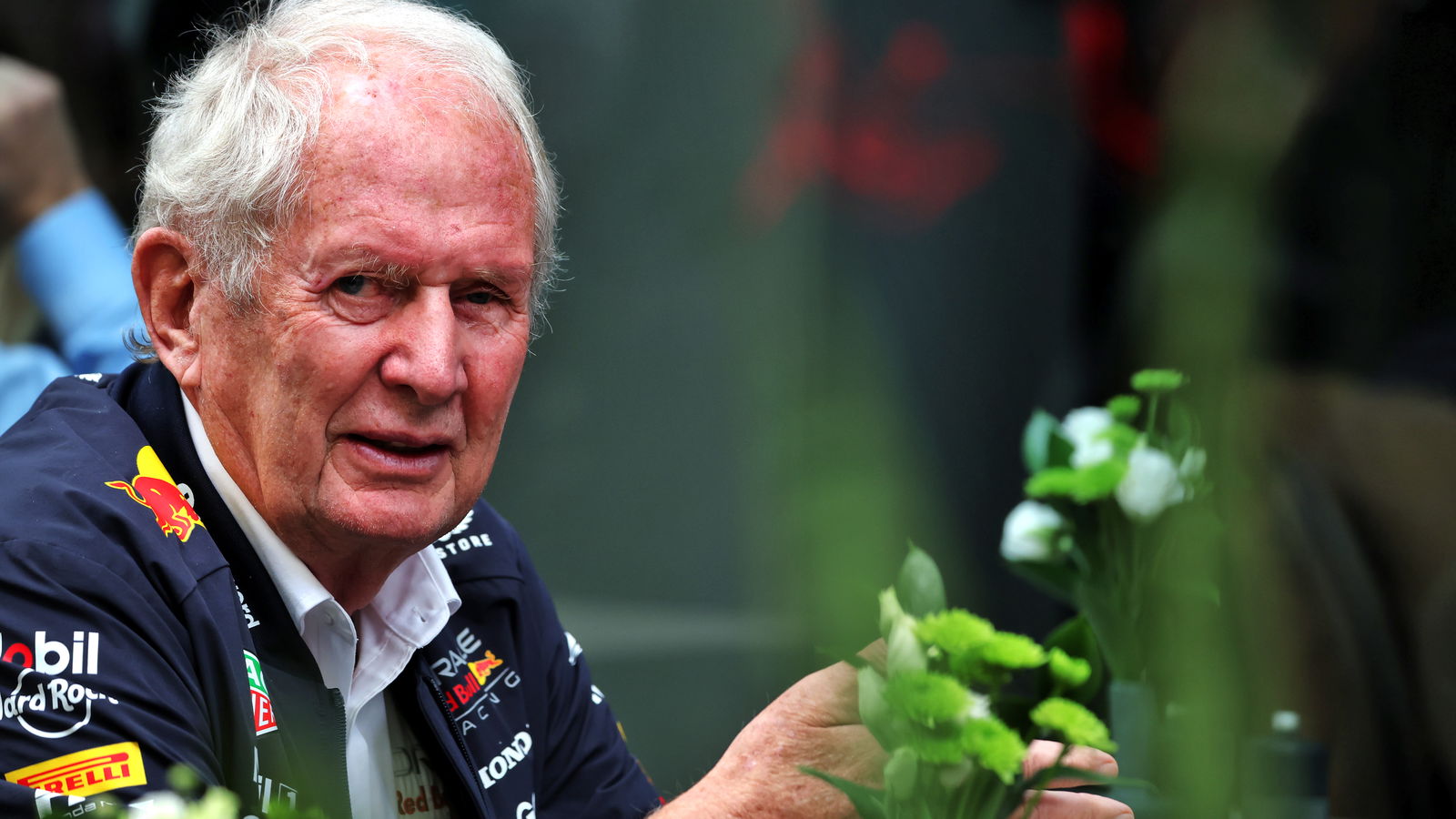
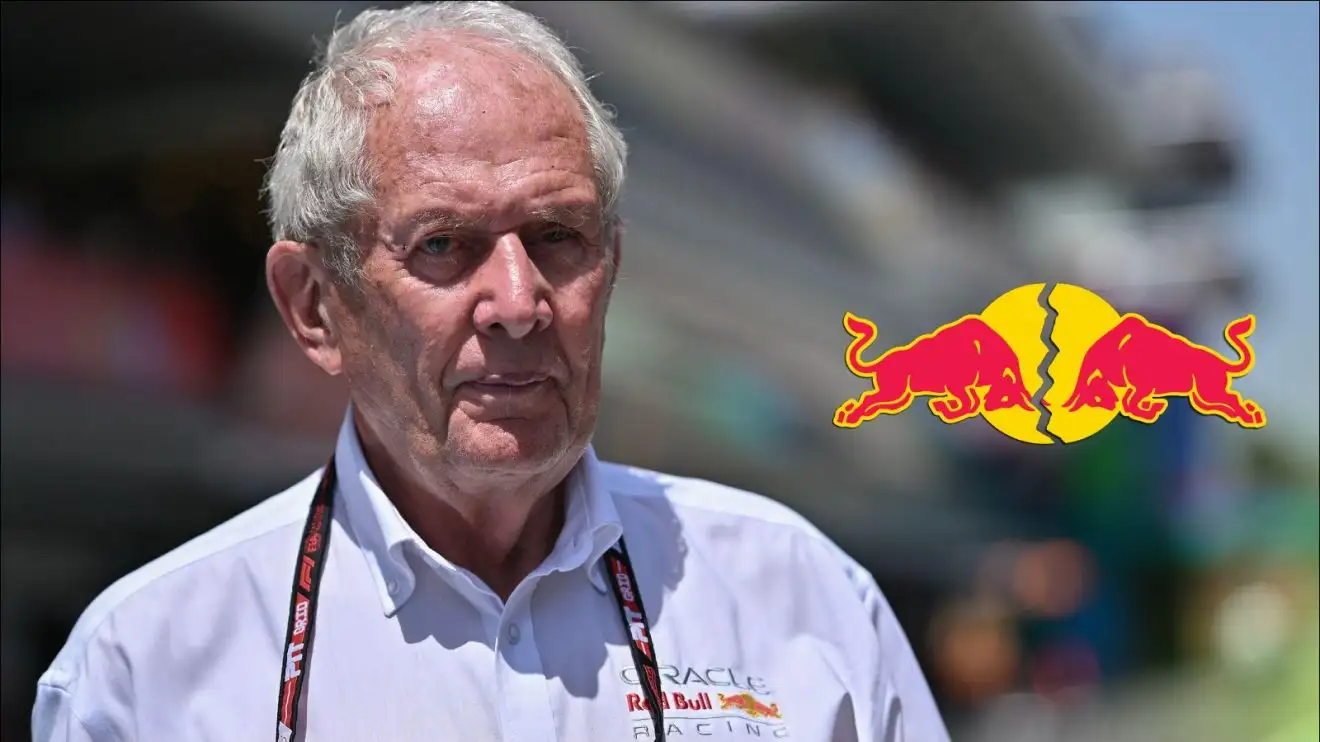
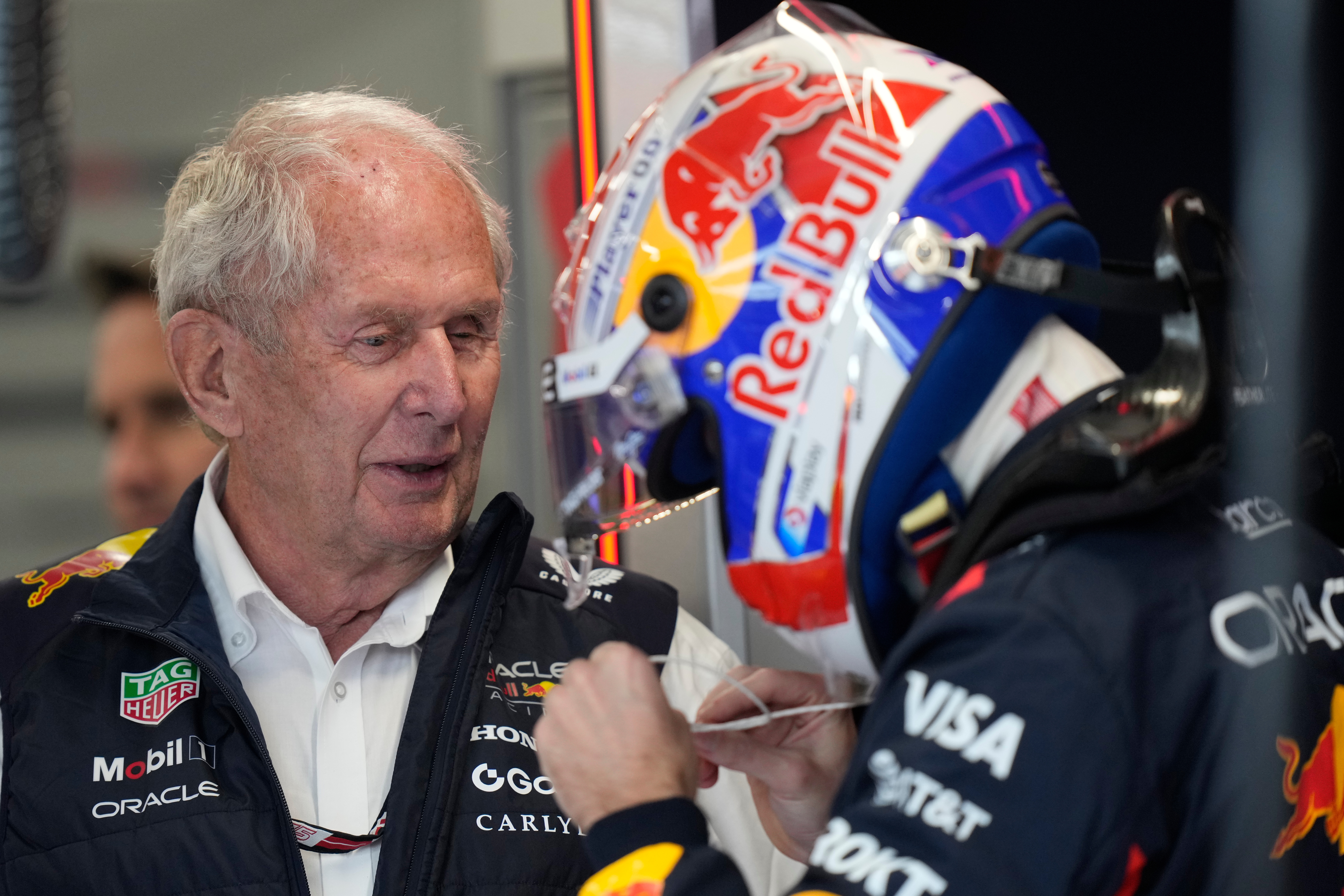
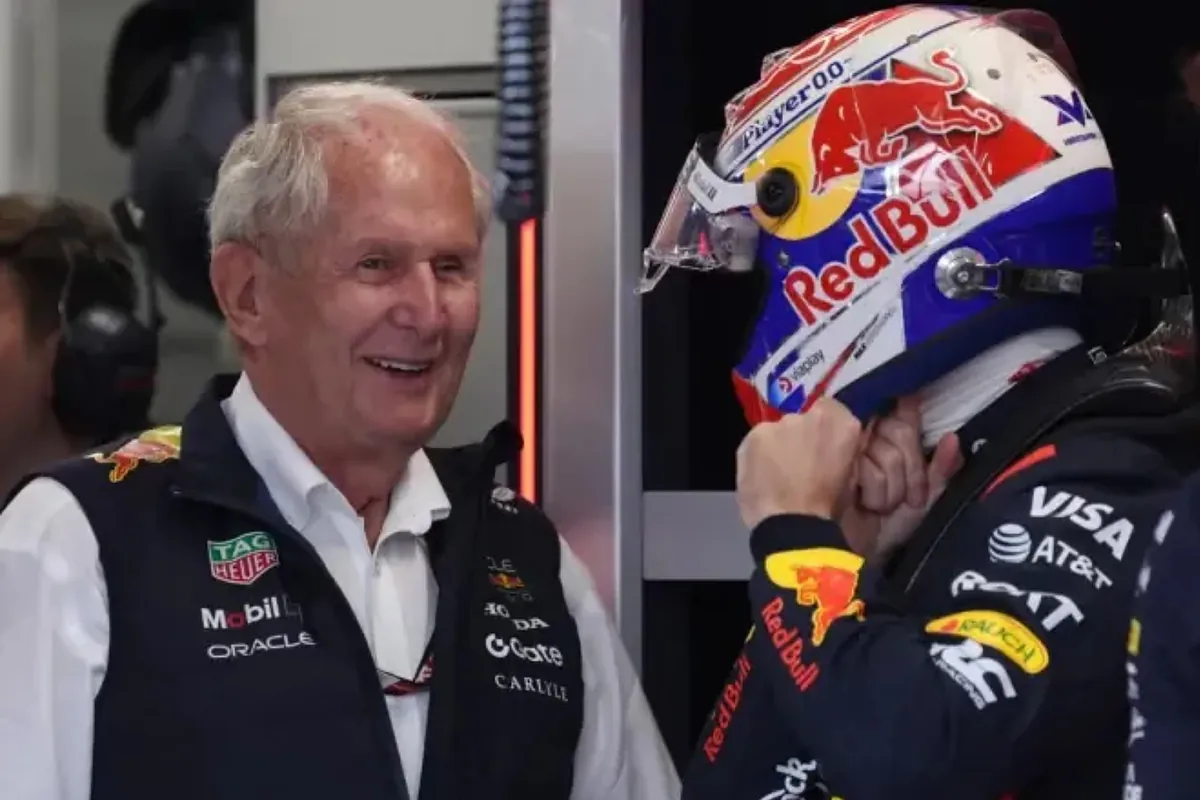
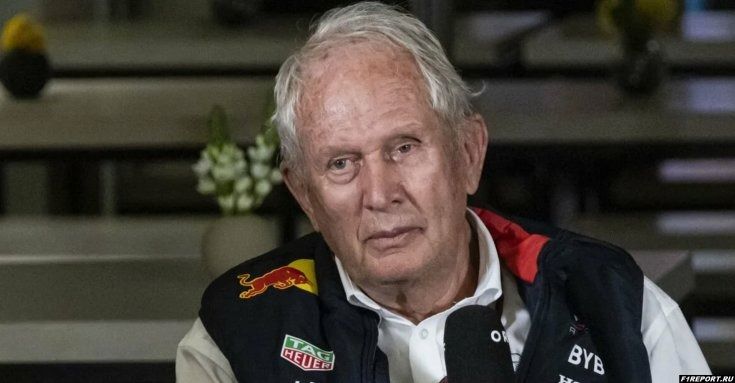
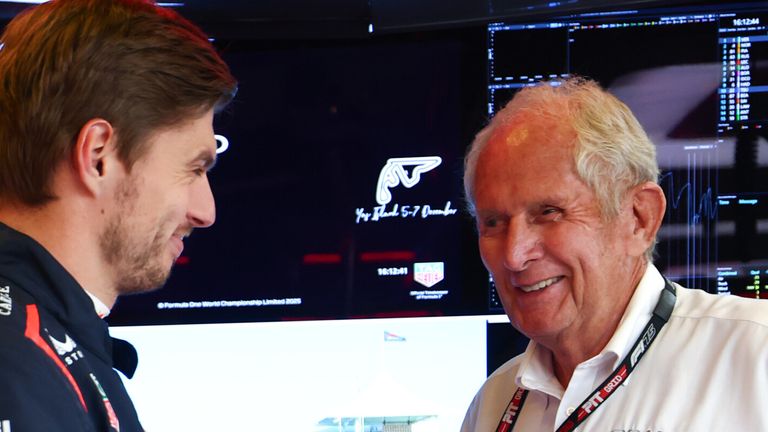
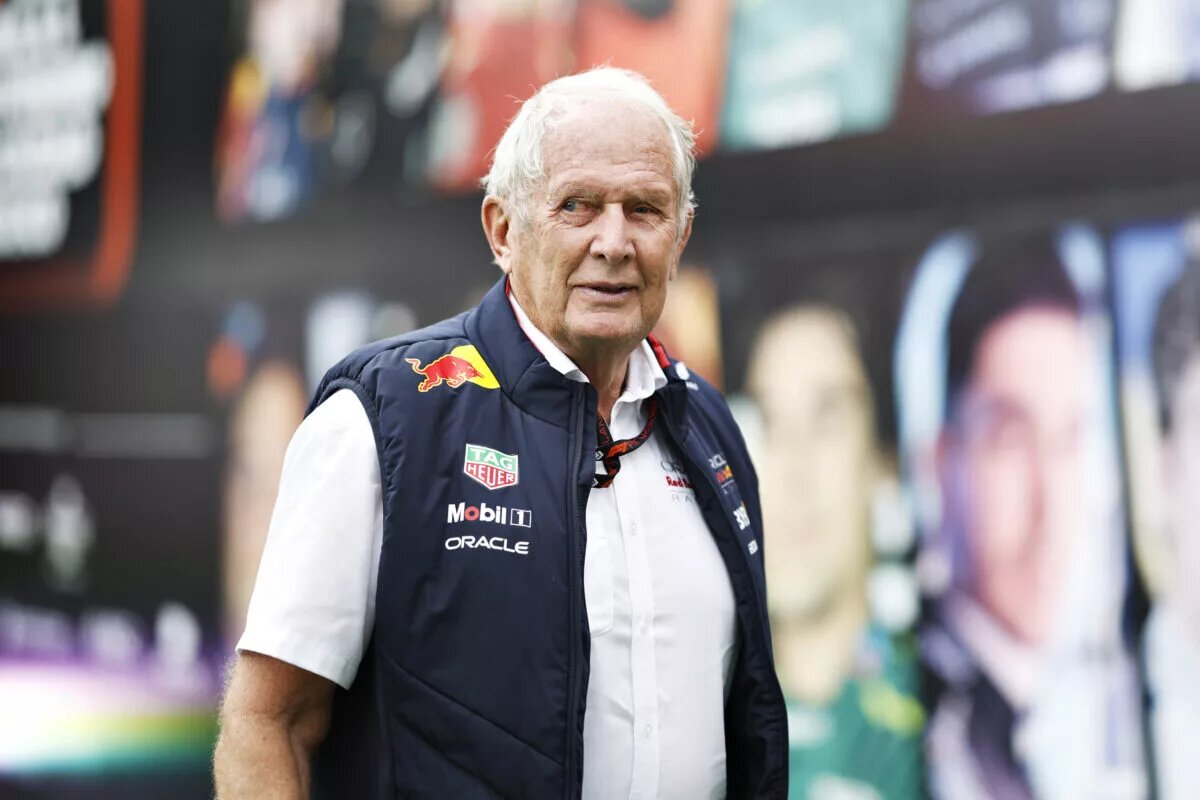
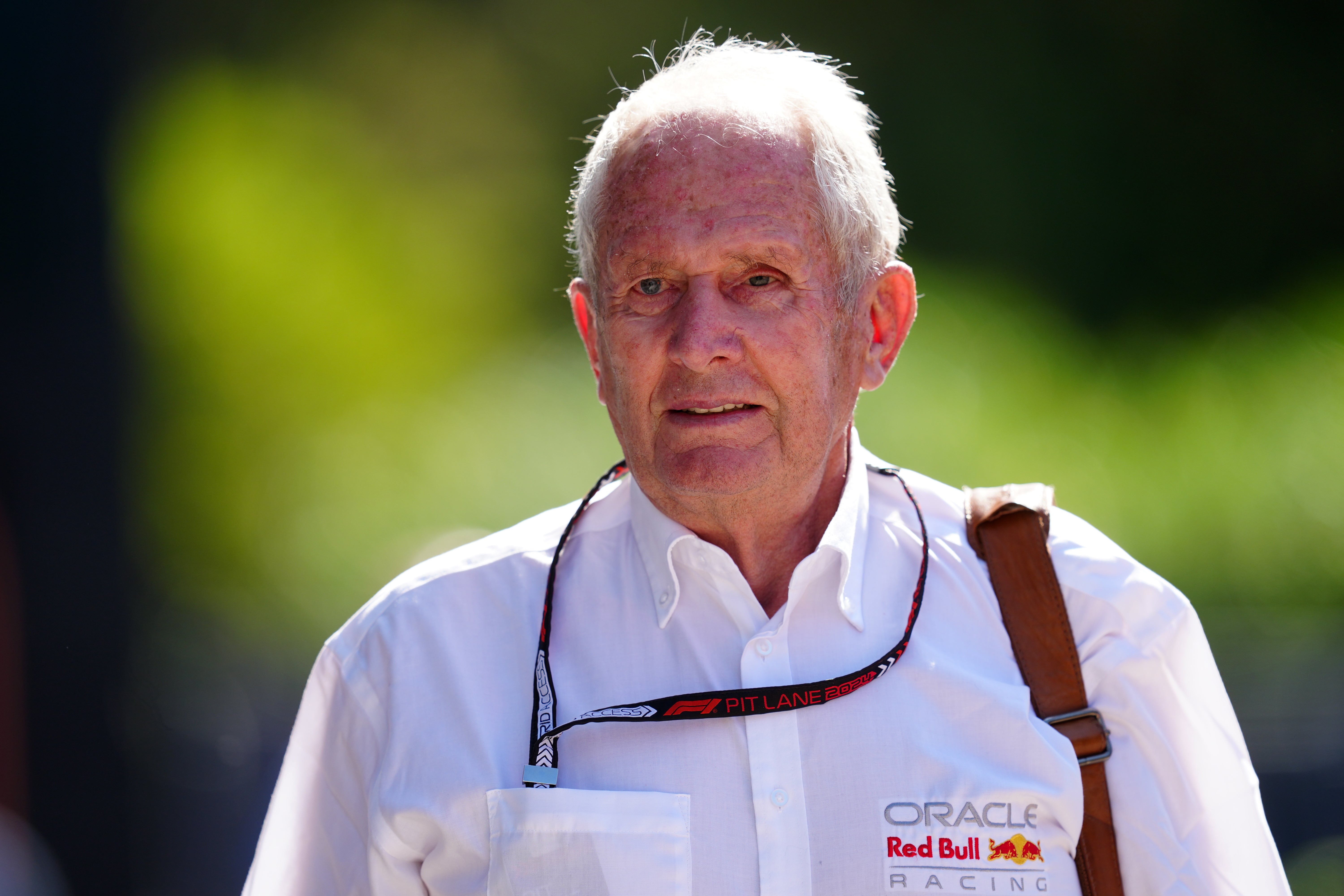
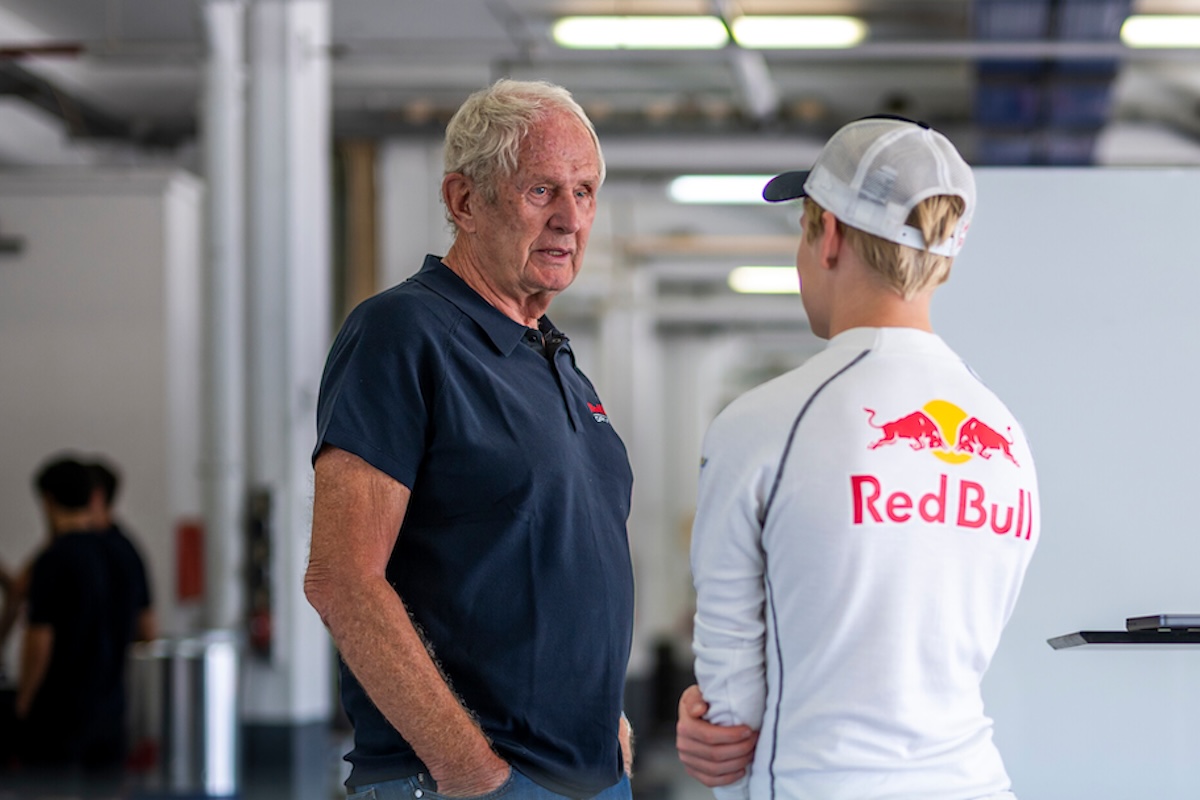
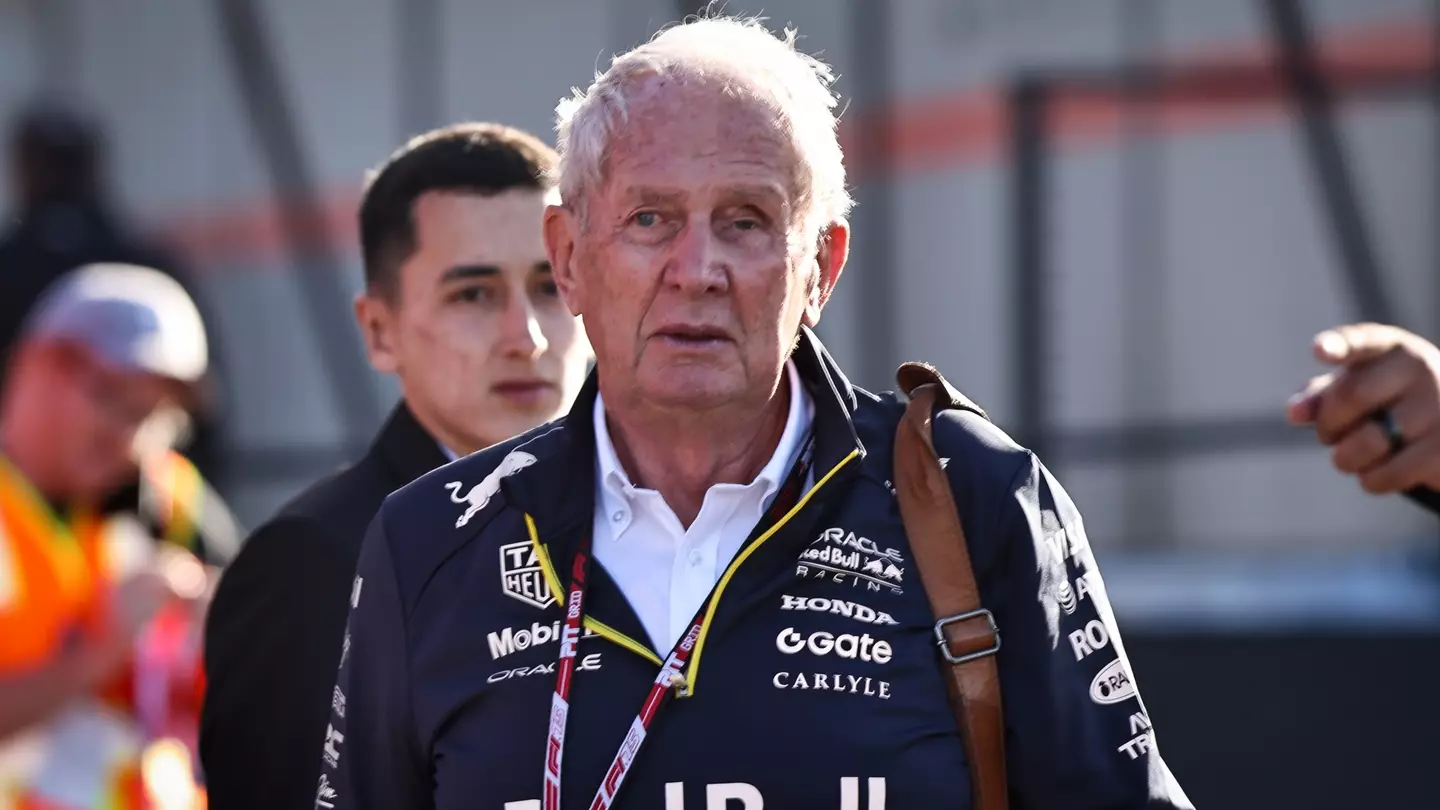
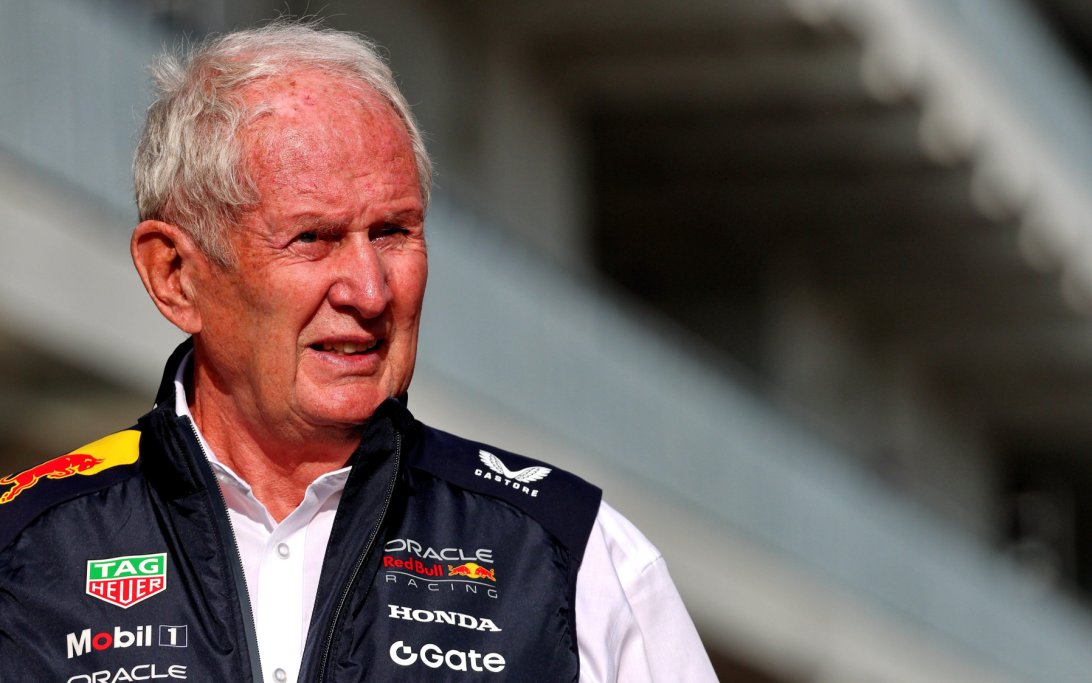
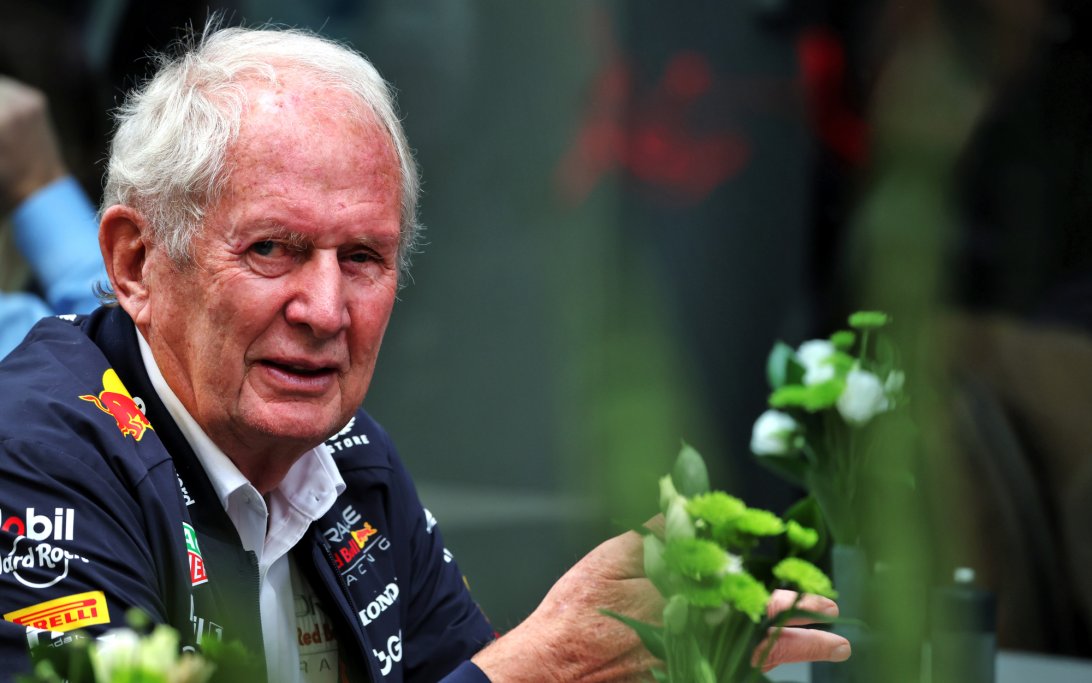
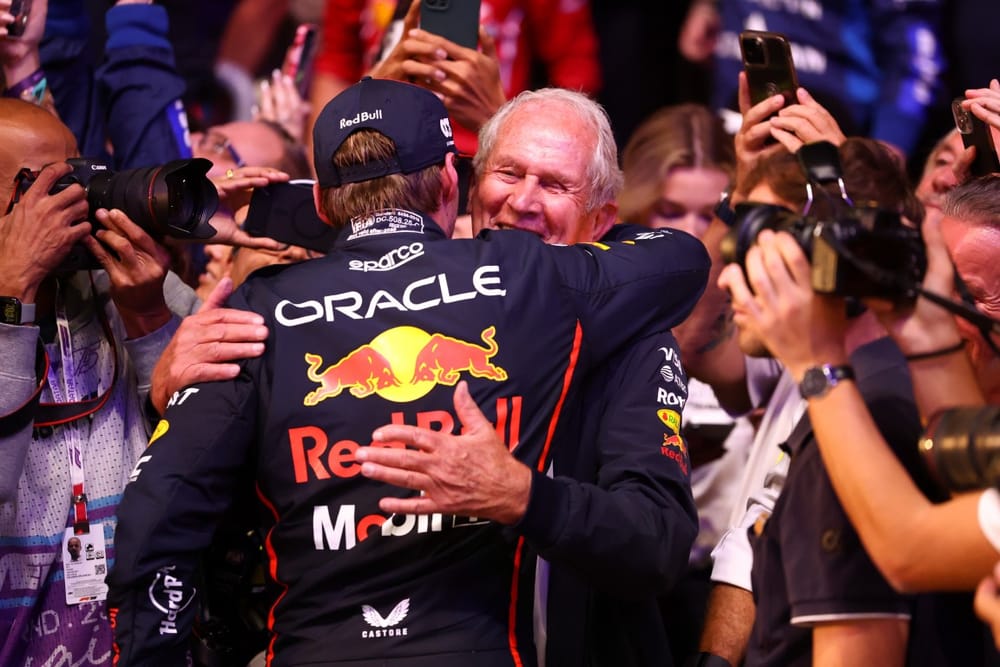
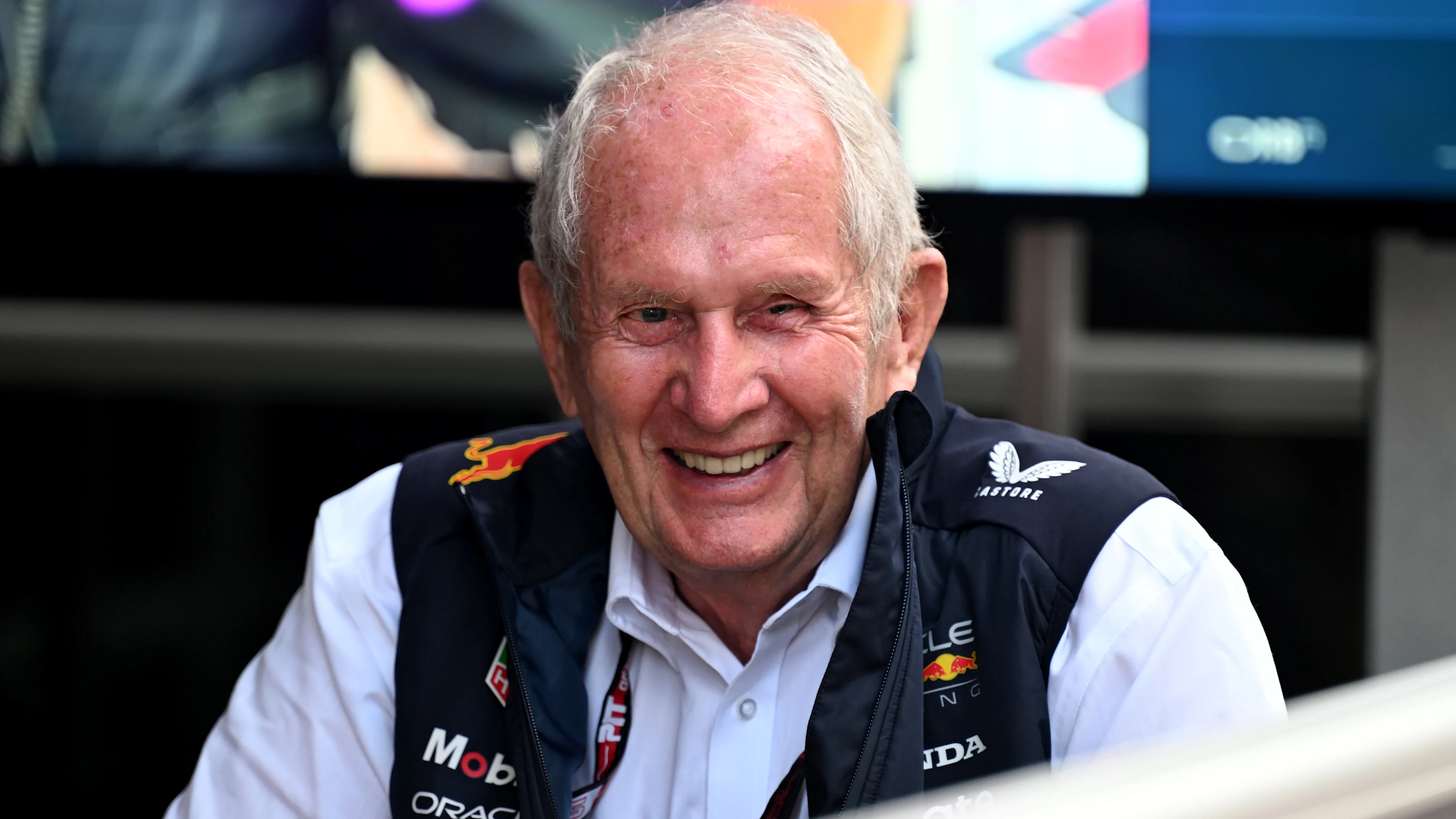
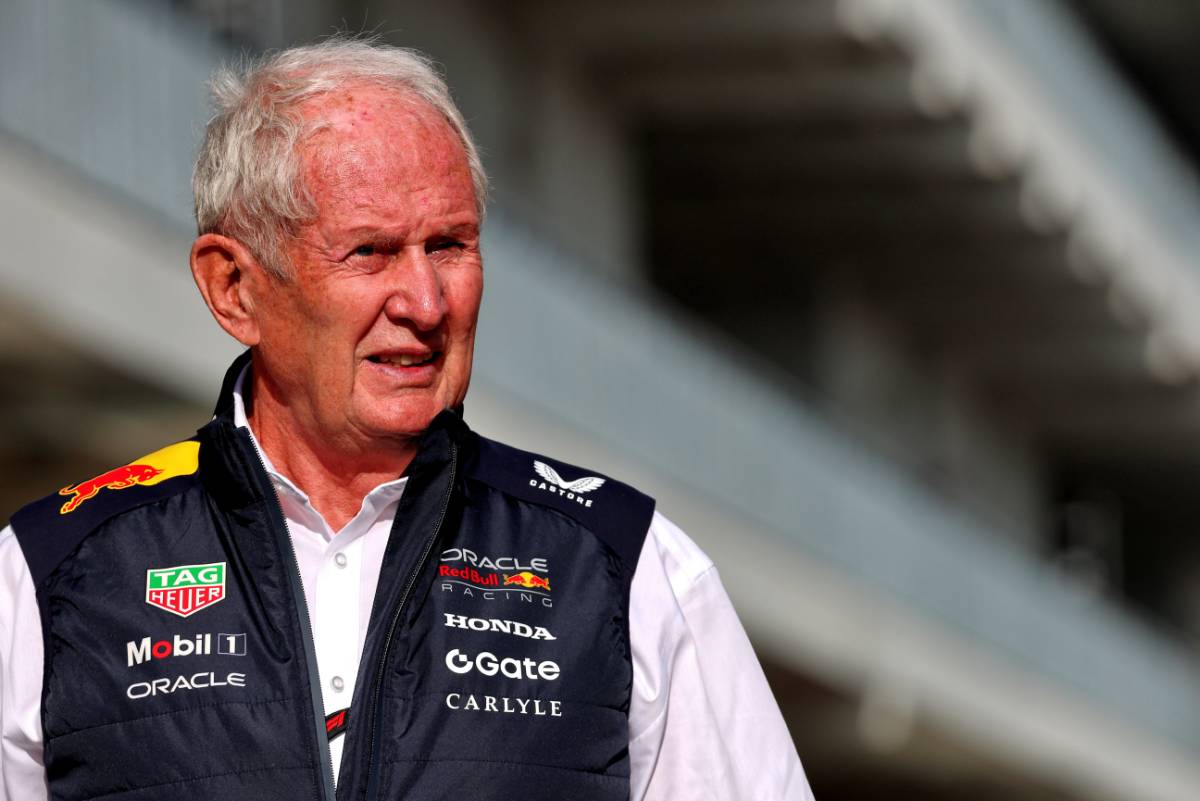
The departure of Helmut Marko marks a pivotal moment of organizational recalibration for Red Bull Racing, signaling a profound leadership transition that extends far beyond a simple personnel change. At 82 years old, Marko's exit represents the conclusion of a two-decade strategic era that transformed Formula 1's talent development landscape.
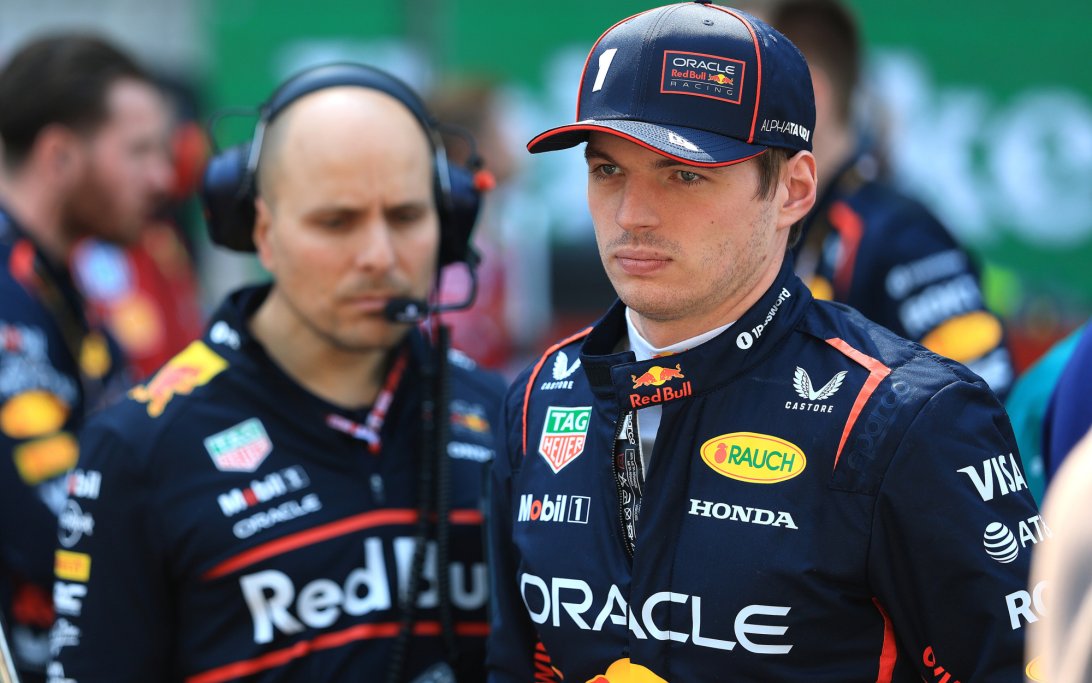
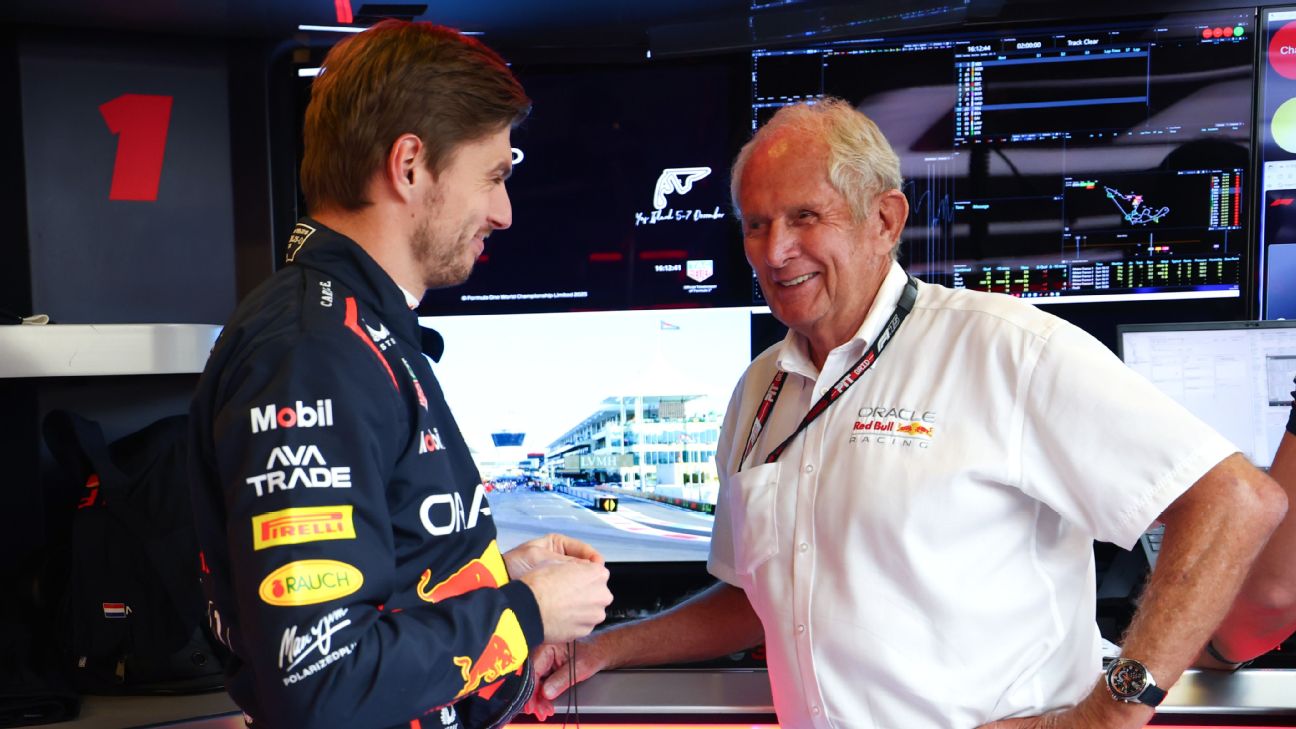
Red Bull's motorsport program is experiencing a critical inflection point, with Marko's retirement following the earlier departure of team principal Christian Horner. This leadership exodus comes at a strategically sensitive moment—just after narrowly missing the world championship and with 2026 regulatory changes on the horizon. Marko's legacy is defined by his extraordinary ability to identify and accelerate young racing talents, most notably Sebastian Vettel and Max Verstappen, whom he guided to multiple world championships.
The internal dynamics driving Marko's departure reveal deeper organizational tensions. A key flashpoint emerged when he signed Irish racing driver Alex Dunne against current leadership's wishes, highlighting the reduced personal control he now experiences. This suggests Red Bull is entering a more collaborative, potentially less personality-driven management phase.
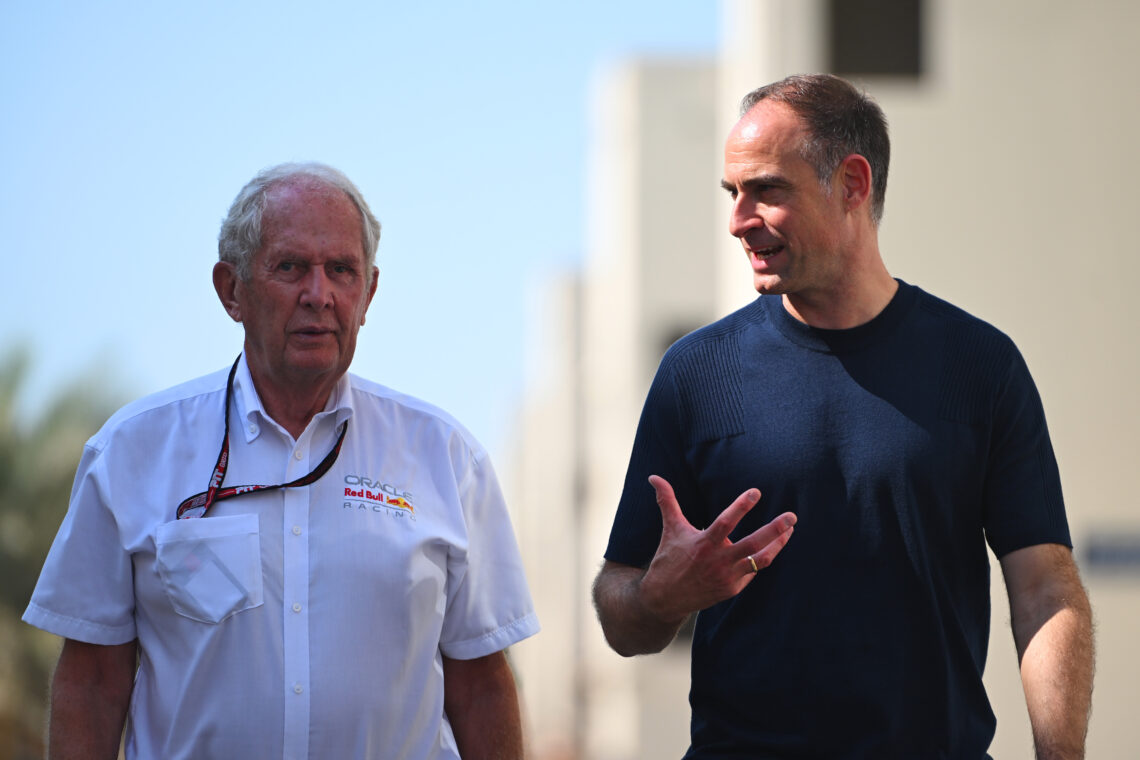
Despite the leadership transition, the team's commitment to its junior driver development program remains intact. Recent graduates like Liam Lawson, Yuki Tsunoda, and Isack Hadjar represent the continuing legacy of Marko's talent cultivation strategy. Red Bull CEO Oliver Mintzlaff has acknowledged Marko's "incomparable contributions," indicating a respectful, forward-looking approach to this generational shift.
The most critical question now is how Red Bull will maintain its competitive edge and successful talent pipeline. Verstappen's future, while emotionally connected to Marko, will ultimately depend on the team's performance and adaptation to the upcoming 2026 regulatory landscape. This transition represents more than a leadership change—it's a strategic reset for one of Formula 1's most innovative teams.
Questions 4
Why is Helmut Marko leaving Red Bull Racing after 20 years?
Marko is departing due to shifting internal power dynamics, reduced personal control, and a strategic disagreement over driver signings, such as his controversial selection of Alex Dunne. His exit follows the broader leadership changes at Red Bull, including team principal Christian Horner's departure.
What does this leadership transition mean for Max Verstappen?
Verstappen's future depends more on the team's performance and upcoming 2026 regulatory changes than on Marko's personal involvement. While emotionally connected to Marko, Verstappen has publicly accepted the transition and remains committed to Red Bull's success.