


Tragic Reiner Family Murder Case Reveals Complex Mental Health Legal Challenges
- Unprecedented legal battle highlights intersection of mental illness and criminal justice





Overview
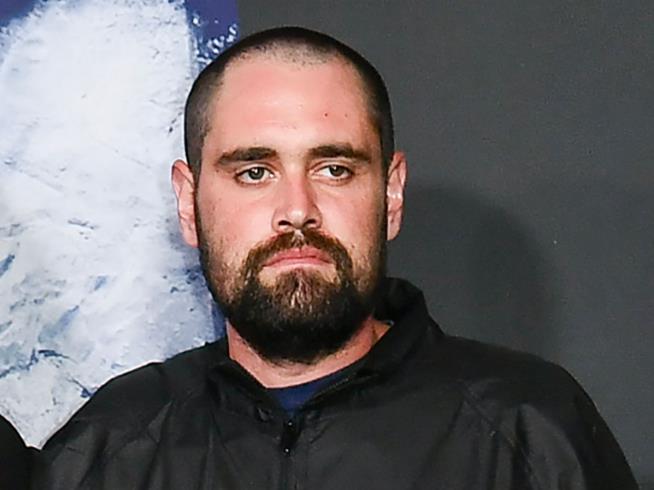
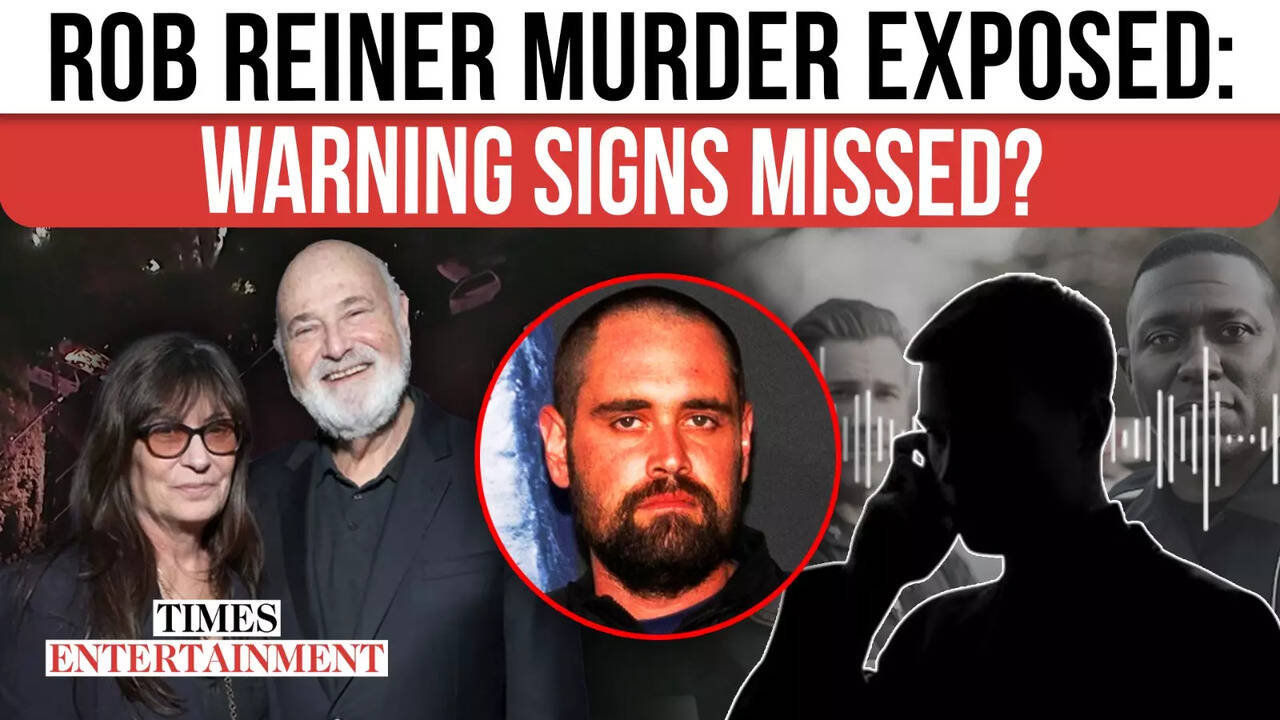
Mental health and legal responsibility converge in a deeply troubling case involving Nick Reiner, son of renowned filmmaker Rob Reiner, who stands accused of murdering his parents in December 2025. The case exposes critical systemic challenges in addressing long-term mental health interventions and criminal accountability.
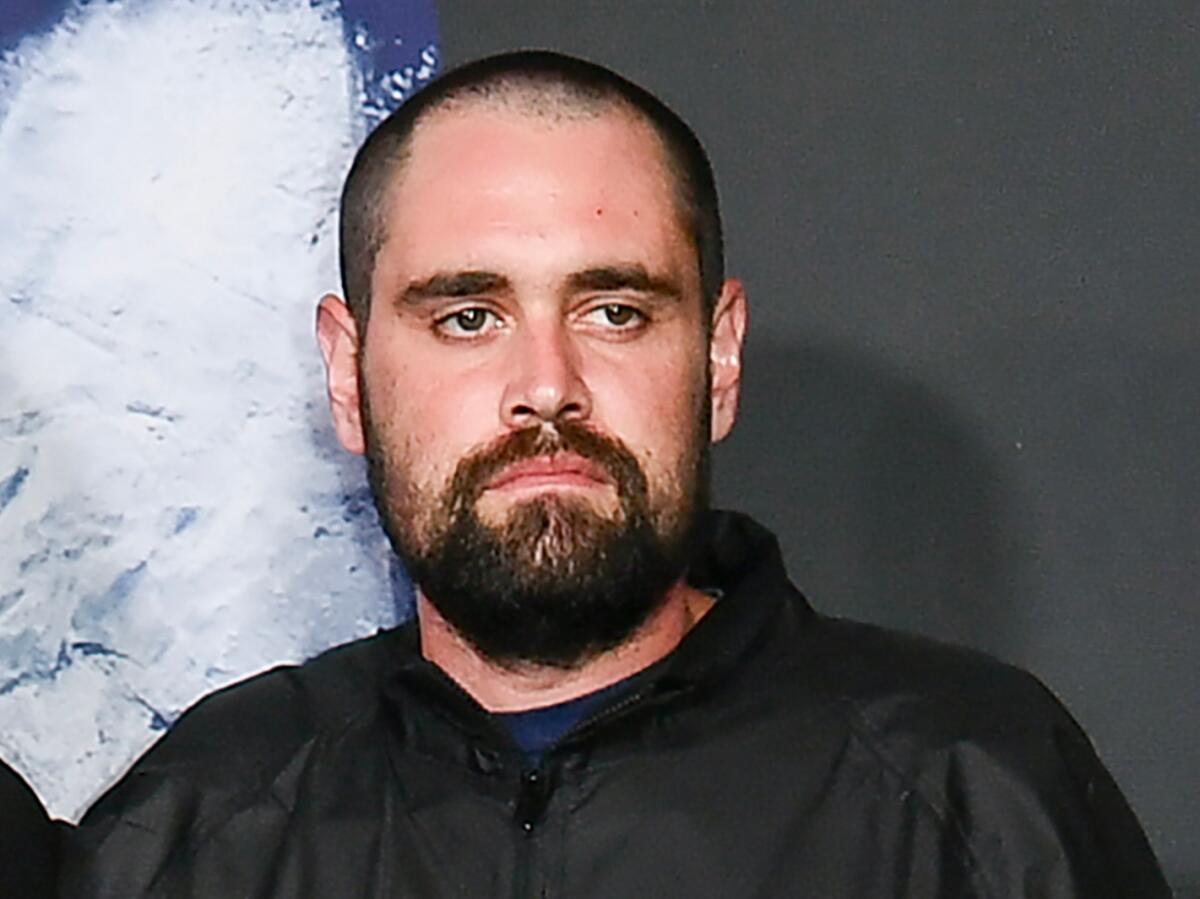
Prior wellness checks in 2019 represent a crucial turning point in understanding the potential trajectory of Nick Reiner's mental health challenges. These early police interactions, now potentially pivotal in the legal proceedings, underscore the complex nature of identifying and addressing potential mental health risks before tragic outcomes occur. Nick Reiner, 32, has a documented history of schizophrenia treatment and substance abuse, which legal experts suggest could play a significant role in his defense strategy.
Legal experts, including Loyola Law School professor Laurie Levenson, are exploring potential defense strategies that center on Nick Reiner's mental state. The potential arguments include an insanity defense or challenging his ability to form criminal intent due to his documented mental health condition and medication history. The case highlights the intricate legal challenges of determining criminal responsibility when severe mental health issues are involved.
The ongoing legal proceedings will likely focus intensely on evaluating Nick Reiner's mental state at the time of the alleged crime. If convicted of first-degree murder, he could face life imprisonment without parole or potentially the death penalty. This case serves as a critical examination of how the legal system navigates the delicate intersection between mental health challenges and criminal accountability.
Stakeholders in mental health, legal, and criminal justice systems should closely monitor this case. It presents an unprecedented opportunity to understand how early intervention, mental health support, and legal frameworks can potentially prevent such tragic outcomes. The broader implications extend beyond this individual case, challenging society to develop more comprehensive approaches to mental health support and legal protection.
Questions 5
What potential outcomes could Nick Reiner face in this case?
If convicted of first-degree murder, Nick Reiner could face life imprisonment without parole or potentially the death penalty. The case's outcome will heavily depend on the evaluation of his mental health condition and ability to understand his actions.
How did earlier wellness checks relate to the current murder charges?
Police wellness checks at the Reiner home in 2019 revealed potential mental health concerns, which are now crucial evidence in understanding Nick Reiner's long-term mental health trajectory and potential legal defense strategies.