
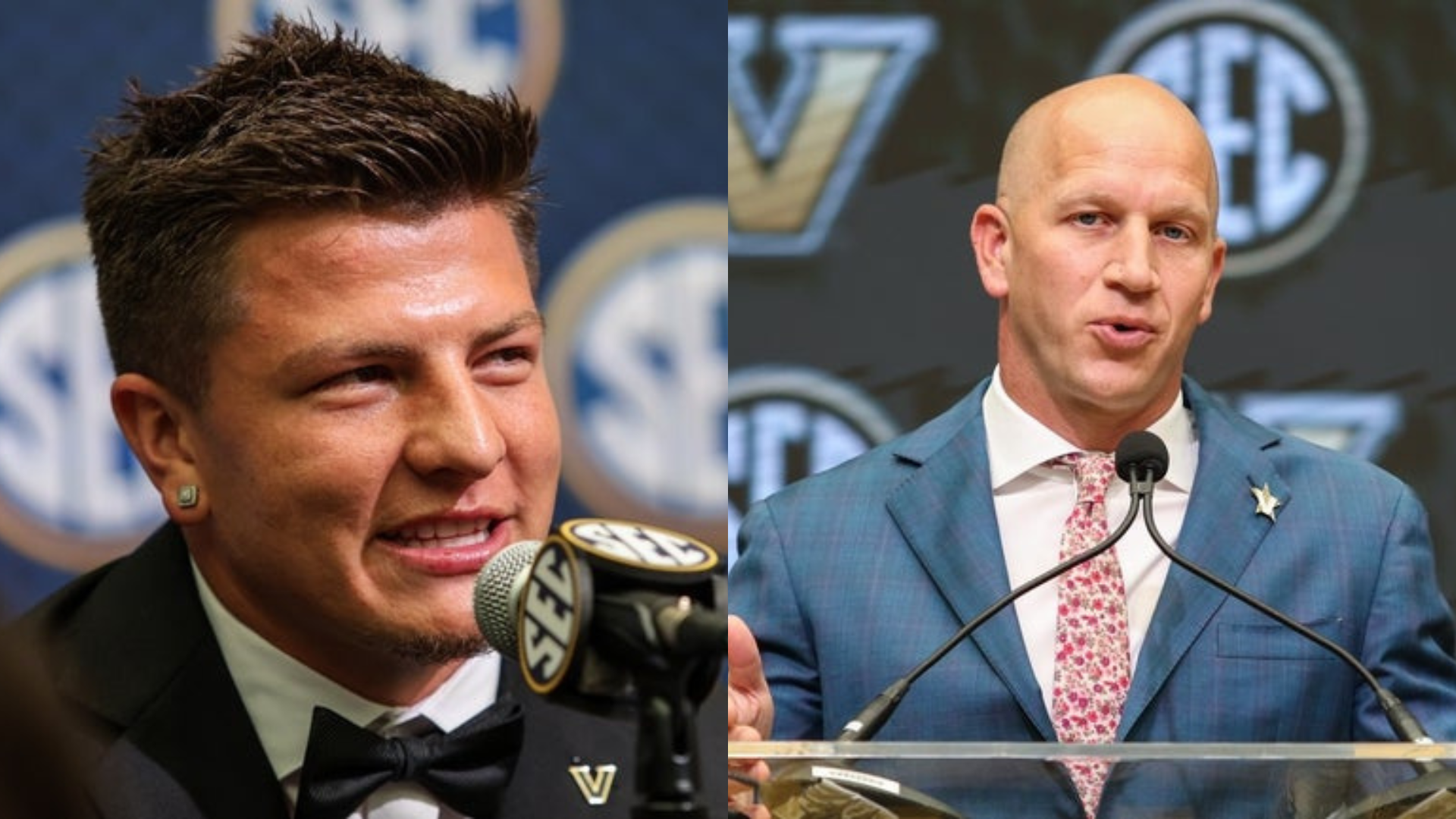

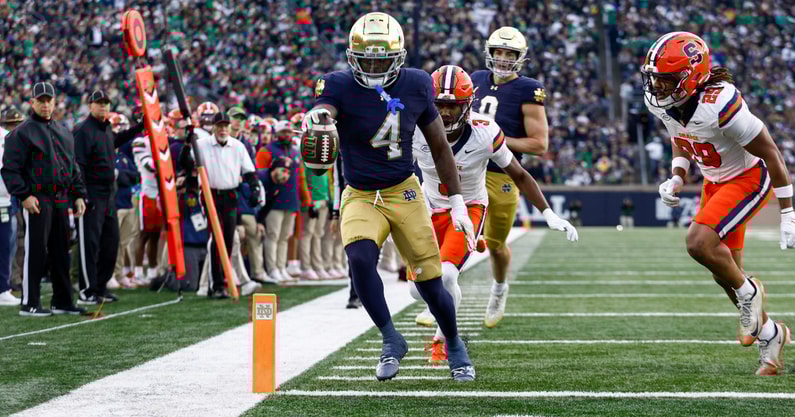
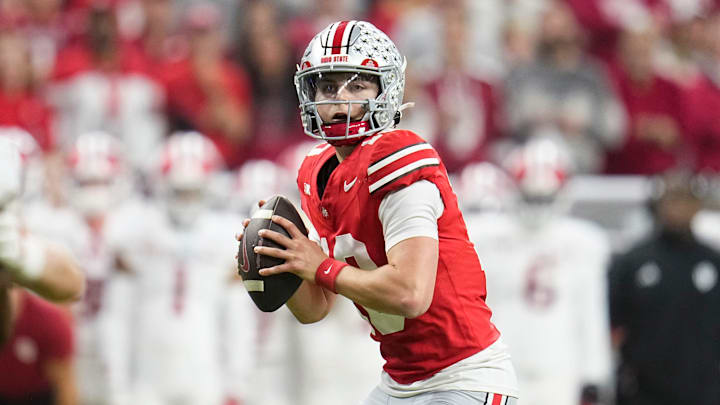
College Football's Rising Star: Julian Sayin's Heisman Journey Reveals the Power of Individual Performance
- Emerging talent challenges traditional team success narratives in collegiate athletics















Overview
In the high-stakes world of collegiate football, individual excellence is emerging as a critical narrative that can reshape traditional championship dynamics. Julian Sayin's Heisman Trophy finalist status represents a compelling case study of how exceptional personal performance can challenge established team-centric evaluation models.
Statistical dominance stands at the core of Sayin's remarkable journey. As a redshirt freshman, he achieved an unprecedented 78.4% completion rate, surpassing the previous NCAA single-season record—a feat that immediately distinguishes him from his peers. His statistical profile is nothing short of extraordinary: 3,323 passing yards, 31 touchdowns, and merely six interceptions, with five games featuring 300+ yards and at least three touchdowns. These numbers tell a story of consistent, precision-driven performance that transcends typical freshman expectations.
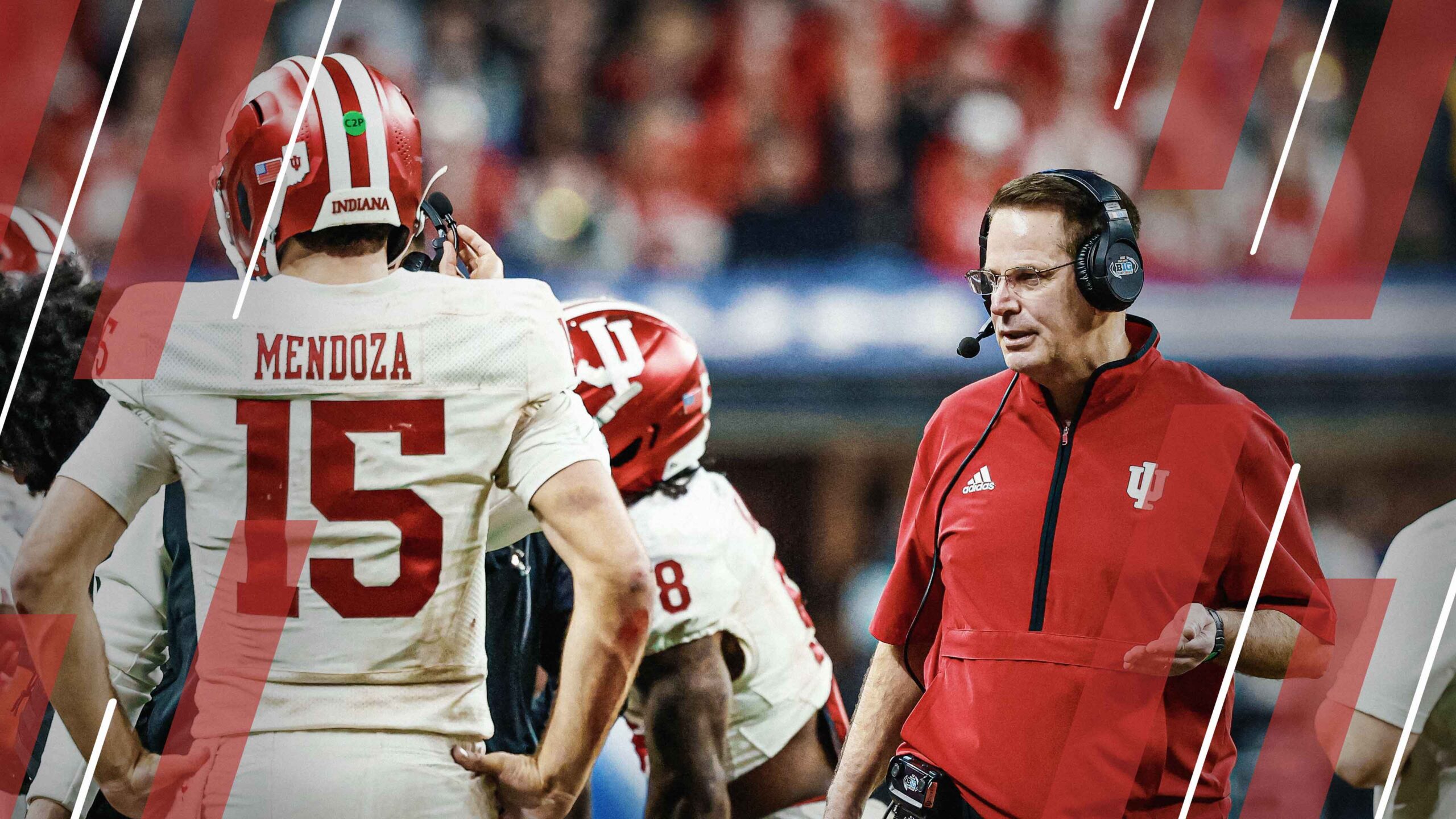
The competitive landscape adds fascinating complexity to Sayin's narrative. Despite being named Big Ten Freshman of the Year, his Heisman prospects were potentially complicated by Ohio State's 13-10 loss to Indiana in the conference championship. This highlights a critical tension in collegiate sports evaluation: how individual brilliance intersects with team outcomes. Sayin's competitor, Fernando Mendoza from Indiana, introduces an intriguing counterpoint by leading his team to their first Big Ten Championship—suggesting that team success might still hold significant voting weight.
The upcoming December 13th Heisman Trophy announcement in New York becomes more than just an award ceremony; it represents a potential inflection point in how athletic excellence is measured. Sayin's journey illuminates a broader trend: the increasing recognition of individual performance metrics in a traditionally team-oriented ecosystem. His story suggests that exceptional individual capabilities can challenge and potentially redefine collective success narratives.
For emerging athletes and sports strategists, Sayin's trajectory offers a critical insight: breakthrough performance is no longer just about team championships, but about demonstrating consistent, measurable excellence that can stand independently of collective achievements.
Questions 3
What broader trends does Sayin's candidacy represent in collegiate sports?
Sayin's journey highlights an emerging trend of valuing individual performance metrics more prominently in team sports. His candidacy suggests a potential shift towards recognizing exceptional individual capabilities as a standalone measure of athletic excellence, beyond traditional team success narratives.
How might team performance impact individual awards like the Heisman?
The potential influence of Ohio State's conference championship loss suggests that team success remains a significant factor in individual award voting. While Sayin's individual statistics are impressive, the competitive landscape still considers team achievements as a critical evaluation component.