




Climate Crisis Accelerates: The Mounting Urgency of Global Warming in 2025
- Unprecedented Temperature Rises Signal Critical Turning Point for Global Environmental Policy


















Overview
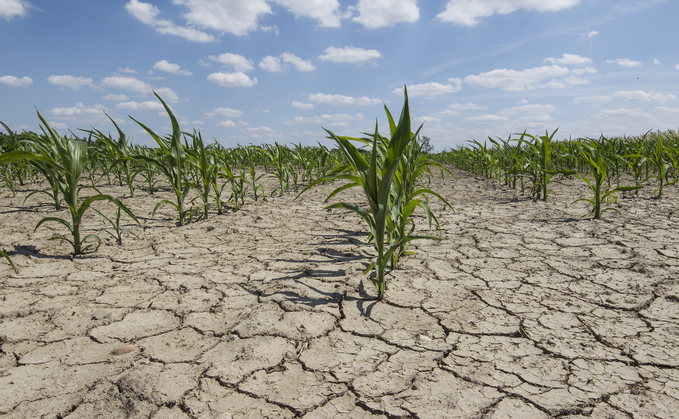
The year 2025 marks a pivotal moment in the global climate crisis, revealing a stark narrative of accelerating environmental challenges and systemic policy failures. Temperature records are being shattered with alarming consistency, presenting a critical inflection point for human civilization's response to climate change.
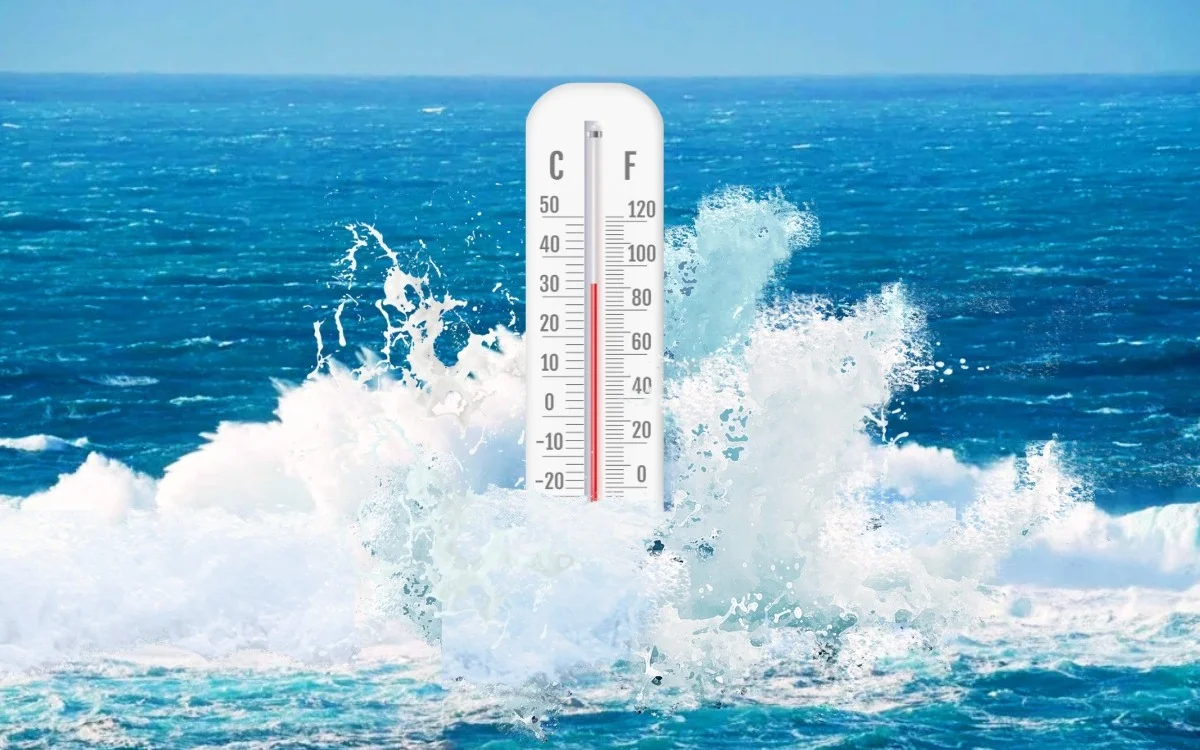
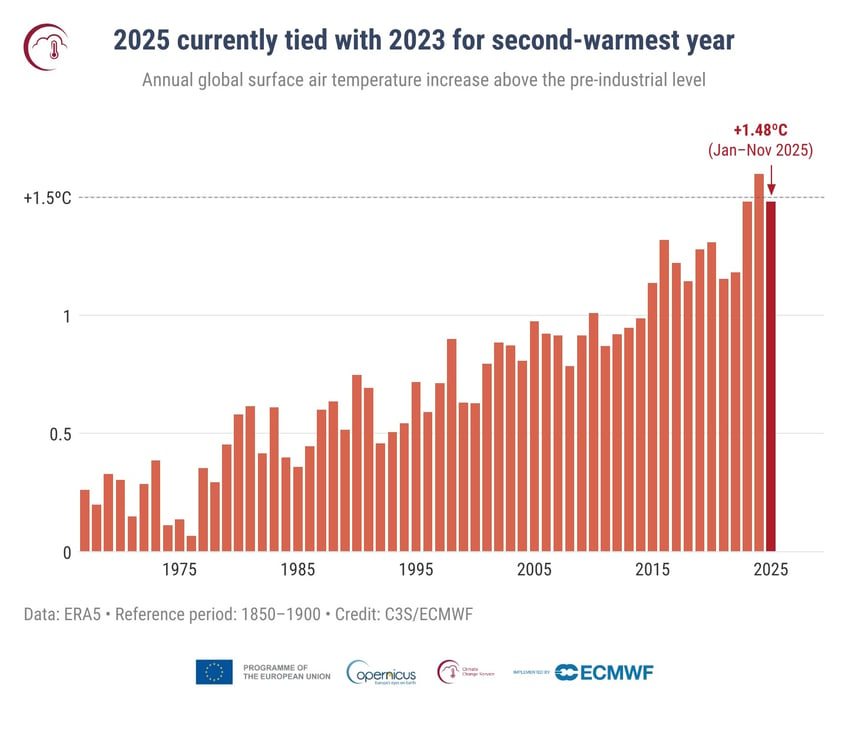
Global temperature trends demonstrate an unprecedented acceleration, with 2025 projected to be the second or third-warmest year on record. The three-year average is poised to exceed 1.5 degrees Celsius above pre-industrial levels for the first time—a milestone that transforms climate change from a future threat to a present reality. The Copernicus Climate Change Service reports a global temperature anomaly of 0.60°C above the 1991-2020 average, with profound regional implications.
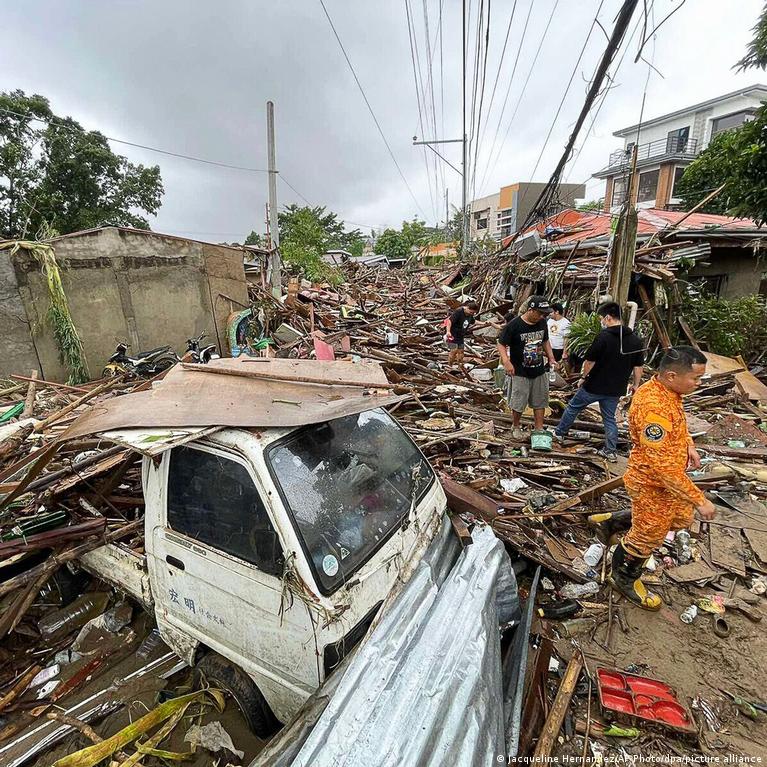
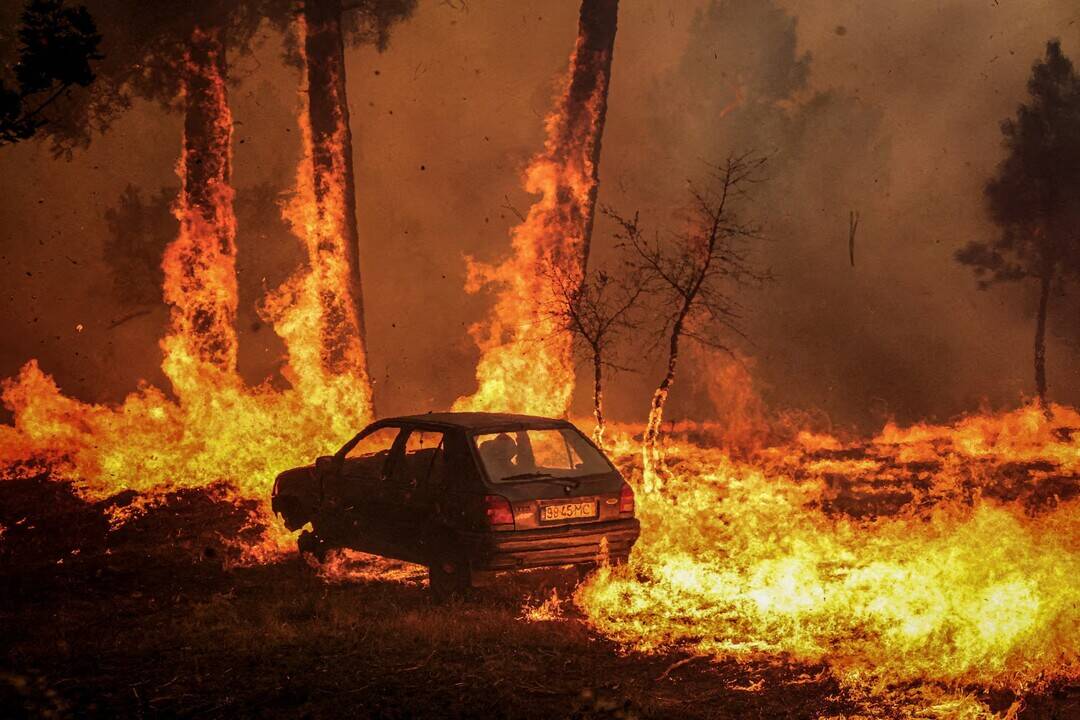
The human cost of this environmental transformation is becoming increasingly tangible. Extreme weather events are no longer abstract predictions but lived experiences: Typhoon Kalmaegi's devastation in the Philippines, Spain's unprecedented wildfires, and over 1,100 fatalities from flooding in south and southeast Asia underscore the immediate human vulnerability to climate disruption.
Political inaction remains the most significant barrier to meaningful change. Despite international commitments like the Paris Agreement, governments continue to fail at implementing substantial emissions reduction measures. Bill McKibben's analysis in The New Yorker highlights a persistent systemic resistance to transformative environmental policies, particularly during politically challenging administrations.
The Arctic region serves as a critical indicator of these changes, with sea ice extent 12% below average and record-high temperatures across Northern Canada. These are not isolated phenomena but interconnected signals of a rapidly transforming global ecosystem.
Samantha Burgess from the European Centre for Medium-Range Weather Forecasts (ECMWF) emphasizes that these are not abstract statistical milestones, but tangible evidence of an accelerating climate crisis. The message is unequivocal: current approaches are insufficient, and transformative, urgent action is necessary to mitigate the most severe environmental risks.
Questions 3
How severe are the current global temperature trends?
The year 2025 is projected to be the second or third-warmest on record, with global temperatures 1.54°C above pre-industrial levels. This represents the first three-year period where temperatures consistently exceed the critical 1.5°C threshold, signaling an accelerating and potentially irreversible climate change trajectory.
Why are current climate policies failing to address the crisis?
Governmental and international bodies continue to demonstrate systemic resistance to meaningful climate action. Despite commitments like the Paris Agreement, recent climate summits have failed to produce substantial emissions reduction measures, highlighting a critical gap between scientific understanding and political will.