




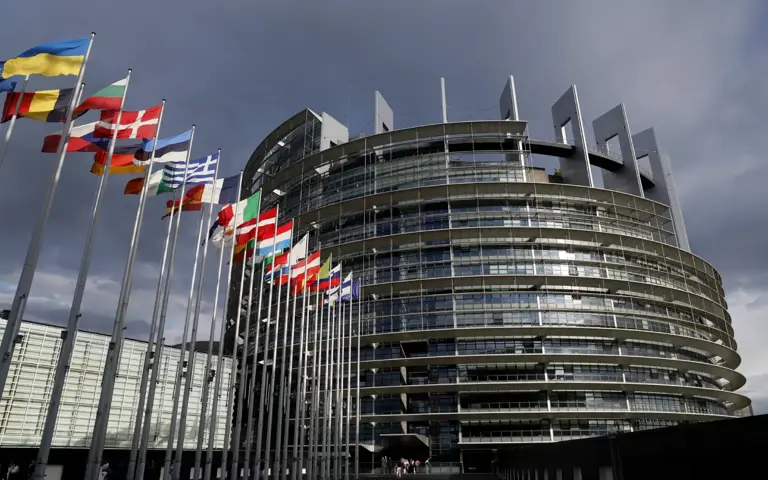
EU's Corporate Sustainability Retreat Signals Global Regulatory Recalibration
- Massive deregulation effort dramatically reshapes corporate environmental accountability landscape

















-fotor-20251209114531.png)

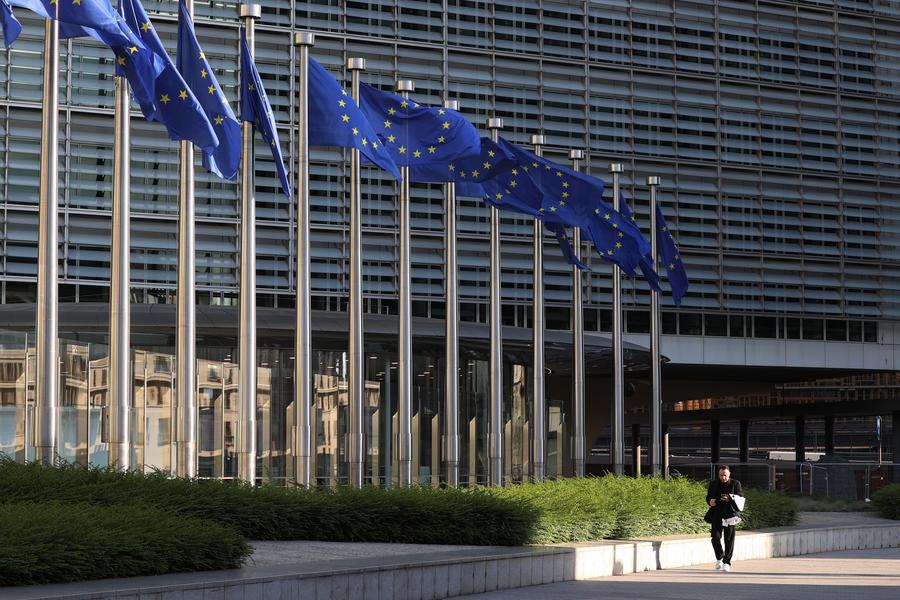


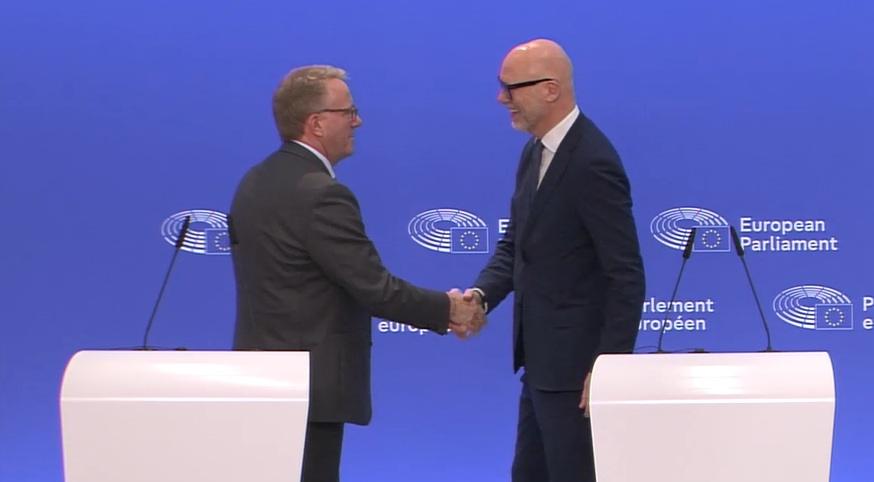






Overview
The European Union has executed a strategic pivot in corporate sustainability regulations, effectively dismantling its ambitious environmental reporting framework through a calculated legislative maneuver. This unprecedented rollback represents more than a policy adjustment—it's a fundamental recalibration of regulatory expectations that will reverberate across global markets.
Key transformations include dramatically narrowing sustainability reporting requirements, with the new directives now applying only to companies with over 5,000 employees and €1.5 billion in annual turnover. By raising employee and revenue thresholds, the EU has effectively exempted over 80% of European companies from stringent environmental reporting obligations. The modifications go beyond mere threshold adjustments; they fundamentally alter corporate accountability mechanisms.
The changes emerged from a complex geopolitical negotiation landscape. International pressure from the United States and Qatar, combined with internal lobbying from industrial powerhouses, created a perfect storm that accelerated regulatory retreat. Countries like Germany and France actively pushed to eliminate these laws, arguing they hamper business competitiveness—a narrative that ultimately prevailed.
Critically, the new legislation removes the EU-level legal framework that previously allowed civilians to hold businesses accountable for supply chain impacts on human rights and ecosystems. Penalty mechanisms have been softened, with maximum fines reduced from 5% to 3% of global turnover, and implementation deadlines pushed to mid-2029.
While industry celebrates this deregulatory win, environmental advocates like Julia Otten warn that these modifications jeopardize climate transition objectives and weaken corporate accountability. The move signals a broader European approach prioritizing economic flexibility over stringent sustainability mandates.
For global businesses, this represents a significant compliance and strategic inflection point. Companies must now reassess their sustainability strategies in a regulatory environment that has dramatically reduced mandatory reporting requirements. The EU's retreat may inadvertently create a new international benchmark for environmental regulation—one that prioritizes economic considerations over comprehensive ecological accountability.
Questions 3
What are the most significant changes in the new EU sustainability reporting regulations?
The new regulations dramatically raise reporting thresholds, now only applying to companies with over 5,000 employees and €1.5 billion in annual turnover. This effectively exempts over 80% of European companies from comprehensive sustainability reporting requirements, removes mandatory climate transition plans, and reduces potential penalties from 5% to 3% of global turnover.
What motivated the EU to scale back these sustainability regulations?
Multiple factors drove this deregulation, including intense pressure from international governments like the US and Qatar, lobbying from industrial groups, and internal arguments from EU countries that these regulations hampered business competitiveness. The move reflects a strategic attempt to reduce administrative burdens and boost economic flexibility.