



AI Pricing Experiments Expose the Dark Side of Algorithmic Grocery Pricing
- Emerging AI strategies threaten consumer trust in digital marketplace pricing
Overview
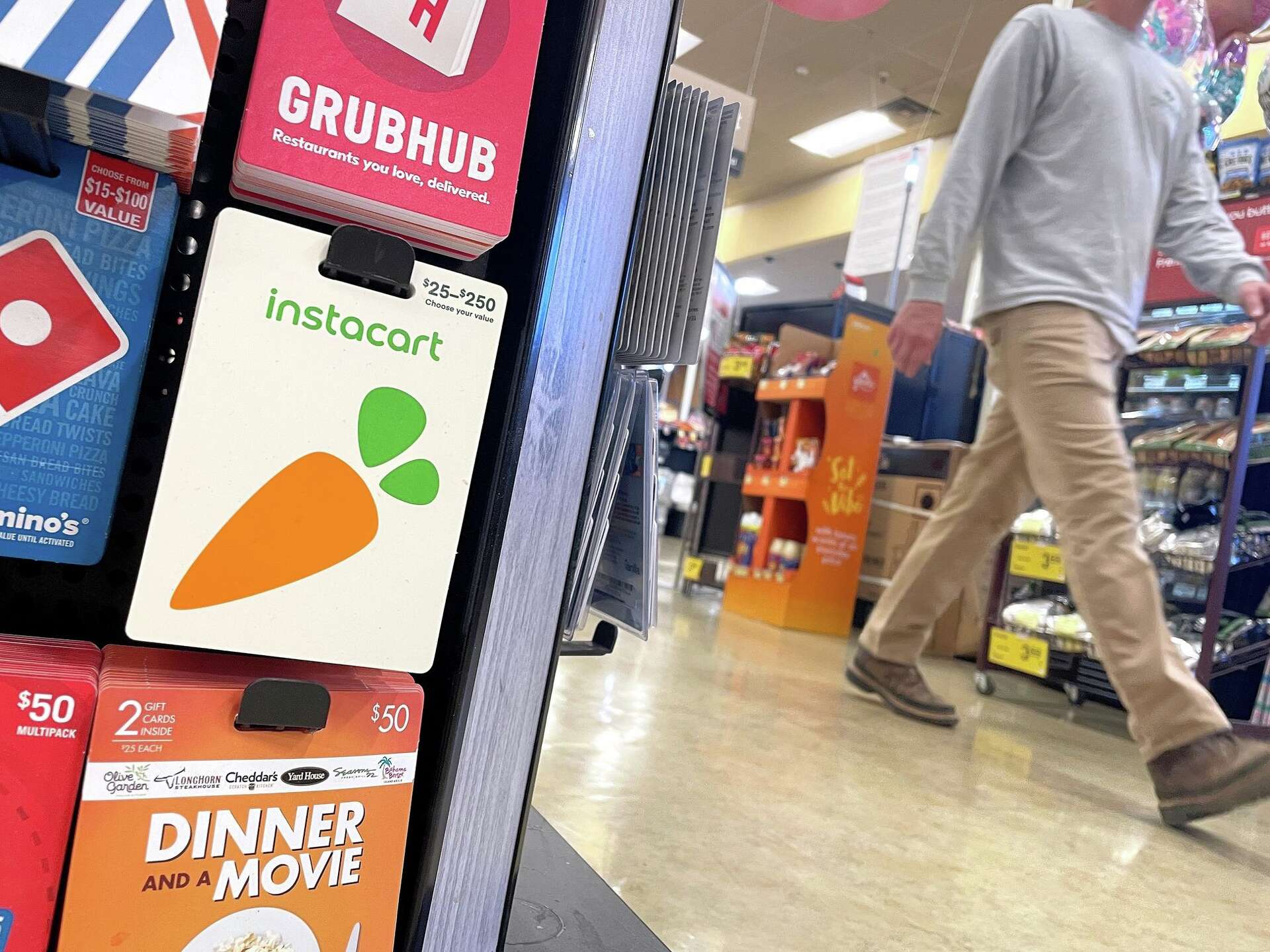
The emergence of AI-driven dynamic pricing in grocery delivery represents a critical inflection point for digital commerce, where algorithmic intelligence is transforming consumer pricing into a sophisticated psychological battlefield. Instacart's recent pricing experiments reveal a profound technological shift that goes far beyond simple price adjustments.
Algorithmic Price Discrimination has reached a new frontier, with Instacart's study showing that a single grocery order can experience up to five different price points, ranging from 7 cents to $2.56 per item. This isn't just a minor pricing variation—it represents a $1,200 potential annual impact for an average household. The investigation exposes how machine learning models are being weaponized to extract maximum consumer willingness to pay, fundamentally challenging traditional pricing transparency.
The strategic implications are profound. While dynamic pricing isn't new in e-commerce, its application in grocery retail marks a significant escalation. Companies like Instacart are using sophisticated AI to create personalized pricing experiments that test consumer price sensitivity in real-time. This approach transforms pricing from a static strategy to a dynamic, continuously optimized process. Regulatory bodies like the Federal Trade Commission are struggling to define clear guidelines, creating a legal gray zone where AI can potentially exploit consumer data and behavioral patterns.
For businesses and consumers alike, this represents a critical warning. The AI-powered pricing landscape is rapidly evolving, where algorithms can dynamically adjust prices based on individual consumer profiles, purchase history, and predicted willingness to pay. This isn't just a technical innovation—it's a fundamental reimagining of how value is determined and communicated in digital marketplaces.
Ultimately, these pricing experiments raise crucial questions about technological ethics, consumer protection, and the boundaries of algorithmic decision-making. As AI becomes more sophisticated, the line between intelligent pricing and potential exploitation grows increasingly blurred.
Questions 3
Are there legal protections against these pricing strategies?
Currently, regulatory bodies like the Federal Trade Commission have guidelines against unfair pricing, but the sophisticated nature of AI-driven pricing creates a legal gray zone. The rapidly evolving technology outpaces existing consumer protection frameworks.
What are the potential financial impacts for consumers?
The investigation suggests consumers could face up to $1,200 in additional annual expenses through these AI pricing experiments. By leveraging machine learning to optimize pricing, platforms like Instacart can incrementally increase costs across multiple product categories.