




Semiconductor Smuggling Showdown: How the US is Weaponizing Chip Export Controls
- A strategic chess match revealing the complex geopolitical dynamics of technological containment


























Overview
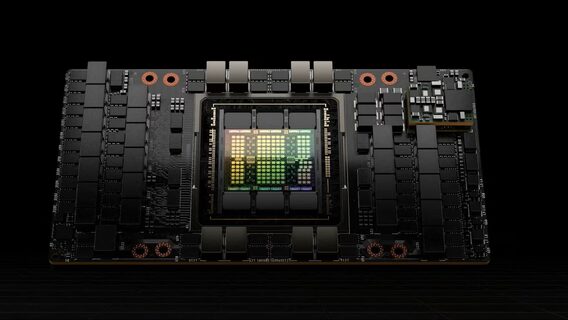
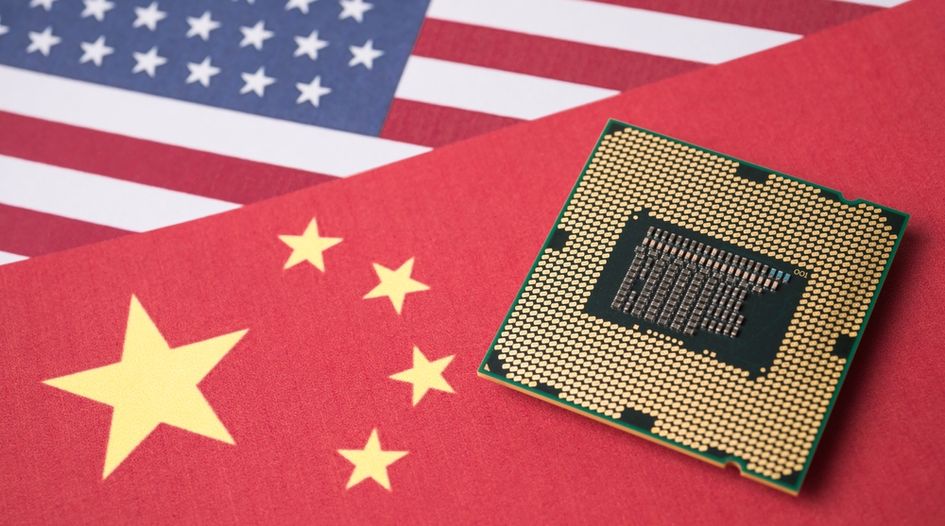
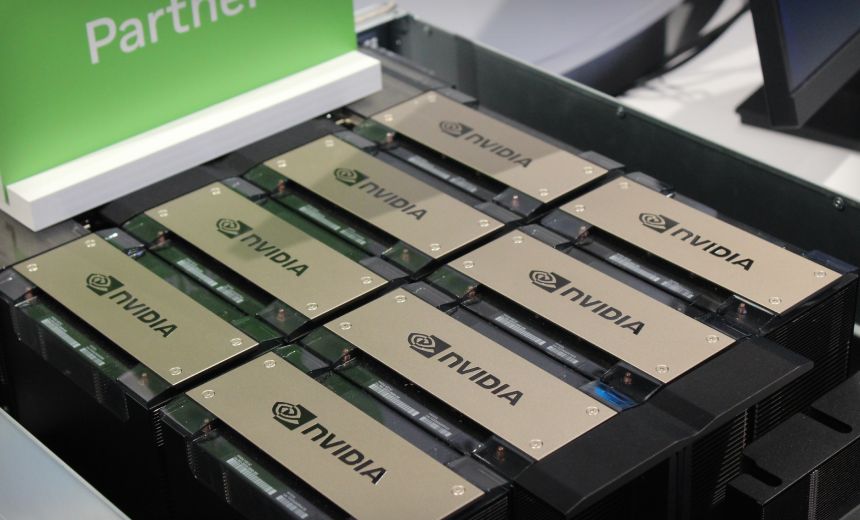
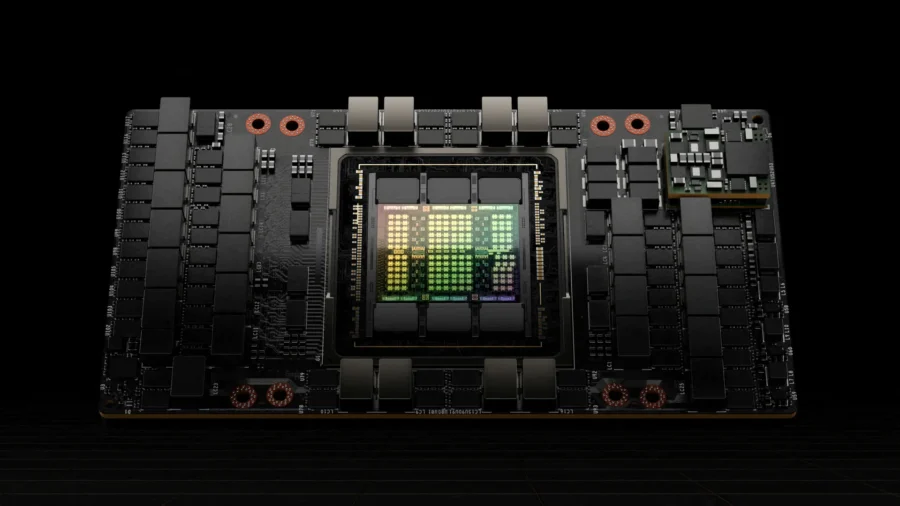
The U.S. semiconductor export control strategy has transformed into a sophisticated geopolitical instrument, revealing a nuanced approach to technological competition with China that goes far beyond simple trade restrictions. At the heart of this complex maneuver lies a $160 million GPU smuggling investigation that exposes the intricate mechanisms of technological containment.
Operation Gatekeeper represents a pivotal moment in U.S. technological diplomacy. By uncovering elaborate smuggling networks involving Alan Hao Hsu, Fanyue Gong, and Benlin Yuan, the Department of Justice has demonstrated its commitment to preventing advanced AI chip technologies from reaching Chinese markets. The investigation's scale is remarkable: over $50 million in funds traced, multiple businessmen charged, and a systematic approach to disrupting technology transfer.
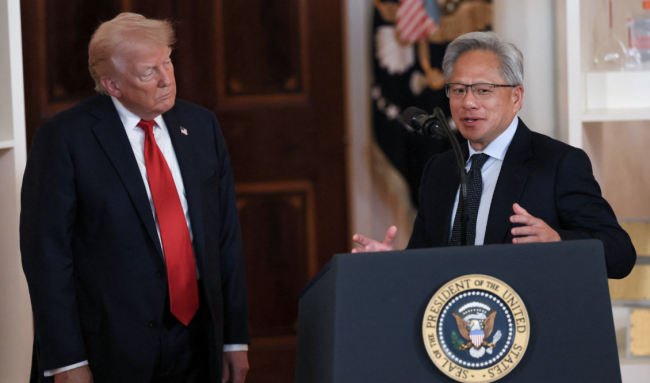
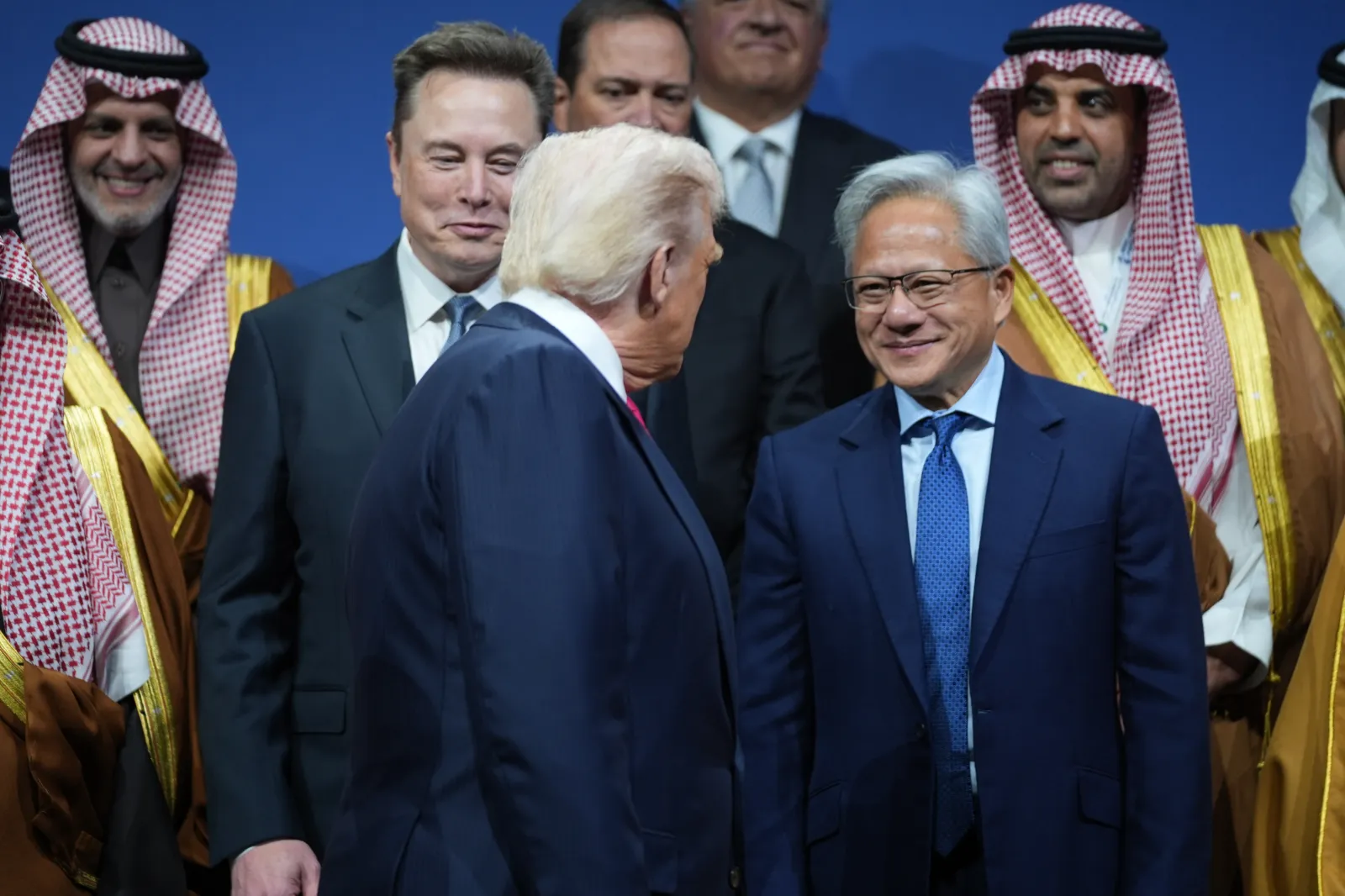
What makes this strategy truly fascinating is its strategic complexity. The U.S. is not simply blocking technology but creating a carefully calibrated technological containment mechanism. President Trump's signaling of potential chip sales to China—with a 25% government cut—suggests a sophisticated "path dependency" strategy. By allowing limited chip exports, the U.S. potentially keeps Chinese technological capabilities approximately 18 months behind while maintaining leverage through controlled access.
The policy's brilliance lies in its multi-dimensional approach. It's not just about preventing technology transfer; it's about creating a structural dependency that gives the U.S. long-term strategic advantages. The potential access to China's rare-earth minerals further underscores this nuanced negotiation, transforming a seemingly punitive policy into a strategic economic instrument.
For technology companies and geopolitical strategists, this represents a new paradigm of technological competition. The U.S. is no longer just restricting technology—it's weaponizing the very mechanisms of technological exchange, turning export controls into a dynamic, adaptive strategic tool that can be adjusted with remarkable precision.
Questions 3
How are the US semiconductor export controls different from previous trade restrictions?
Unlike traditional blanket bans, the current strategy is a nuanced 'controlled access' approach. By allowing limited chip exports with specific conditions like a 25% government cut, the US creates a strategic dependency that keeps Chinese technological capabilities approximately 18 months behind while maintaining economic leverage.
How do companies like Nvidia navigate these complex export restrictions?
Nvidia must operate within a highly regulated environment, balancing potential market opportunities with strict compliance requirements. The company must carefully track end-users, prevent unauthorized rerouting, and work closely with U.S. government agencies to ensure chips are not diverted to restricted locations.