
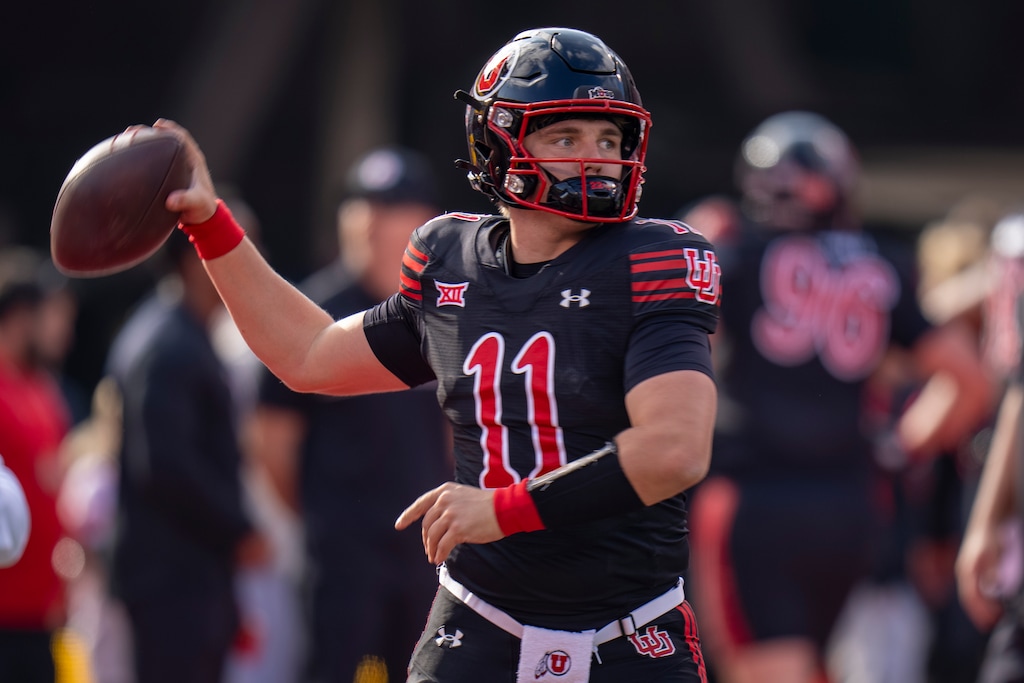



College Football's Transfer Portal Drama: How One Quarterback's Journey Reveals the New Athletic Marketplace
- Emerging talent navigation signals broader shifts in collegiate athletic mobility and personal brand management



Overview
The collegiate athletics landscape is undergoing a profound transformation, with the transfer portal emerging as a critical mechanism for player mobility and strategic career development. Isaac Wilson's transfer journey epitomizes this new dynamic, revealing how young athletes are increasingly treating their athletic careers as flexible, market-driven opportunities rather than static commitments.
Wilson's narrative is particularly compelling: a 4-star quarterback with modest initial performance (1,510 yards, 10 touchdowns, 56.4% completion rate) who strategically leverages the transfer portal to reset his collegiate trajectory. His movement isn't just a personal decision, but a symptom of a larger systemic shift where athletes view their development as a negotiable, adaptable process.
The strategic complexity is multilayered. Wilson isn't just changing schools; he's actively managing his athletic brand by seeking environments with clearer paths to playing time. His brother Zach Wilson's NFL success adds another dimension, suggesting how family athletic legacies and professional potential influence collegiate decision-making. Potential destinations like Miami and Oregon represent not just educational institutions, but potential launching pads for professional aspirations.
This transfer also highlights the evolving power dynamics in collegiate sports. Programs like Utah are experiencing increased player mobility, with Wilson being the third transfer announcement alongside other high-potential athletes. The transfer portal has transformed from an administrative mechanism to a dynamic marketplace where talent, opportunity, and personal ambition intersect.
For emerging athletes, the message is clear: flexibility, strategic positioning, and proactive career management are now as crucial as on-field performance. The transfer portal isn't just a tool—it's a sophisticated career navigation system that empowers athletes to take unprecedented control of their developmental trajectories.
Questions 3
How does the transfer portal change athlete career strategies?
The transfer portal allows athletes like Isaac Wilson to proactively manage their careers, seeking programs with better playing opportunities, developmental potential, and alignment with long-term professional goals. It transforms collegiate athletics from a static commitment to a dynamic, market-driven ecosystem.
What factors influence a quarterback's transfer decision?
Key factors include potential playing time, program reputation, coaching staff quality, professional development opportunities, and personal brand positioning. For Isaac Wilson, destinations like Miami and Oregon represent not just schools, but potential career launching platforms.