


Trump's Greenland Gambit Exposes Critical NATO Vulnerabilities and Geopolitical Tensions
- Unprecedented diplomatic challenge threatens transatlantic security framework




























Overview
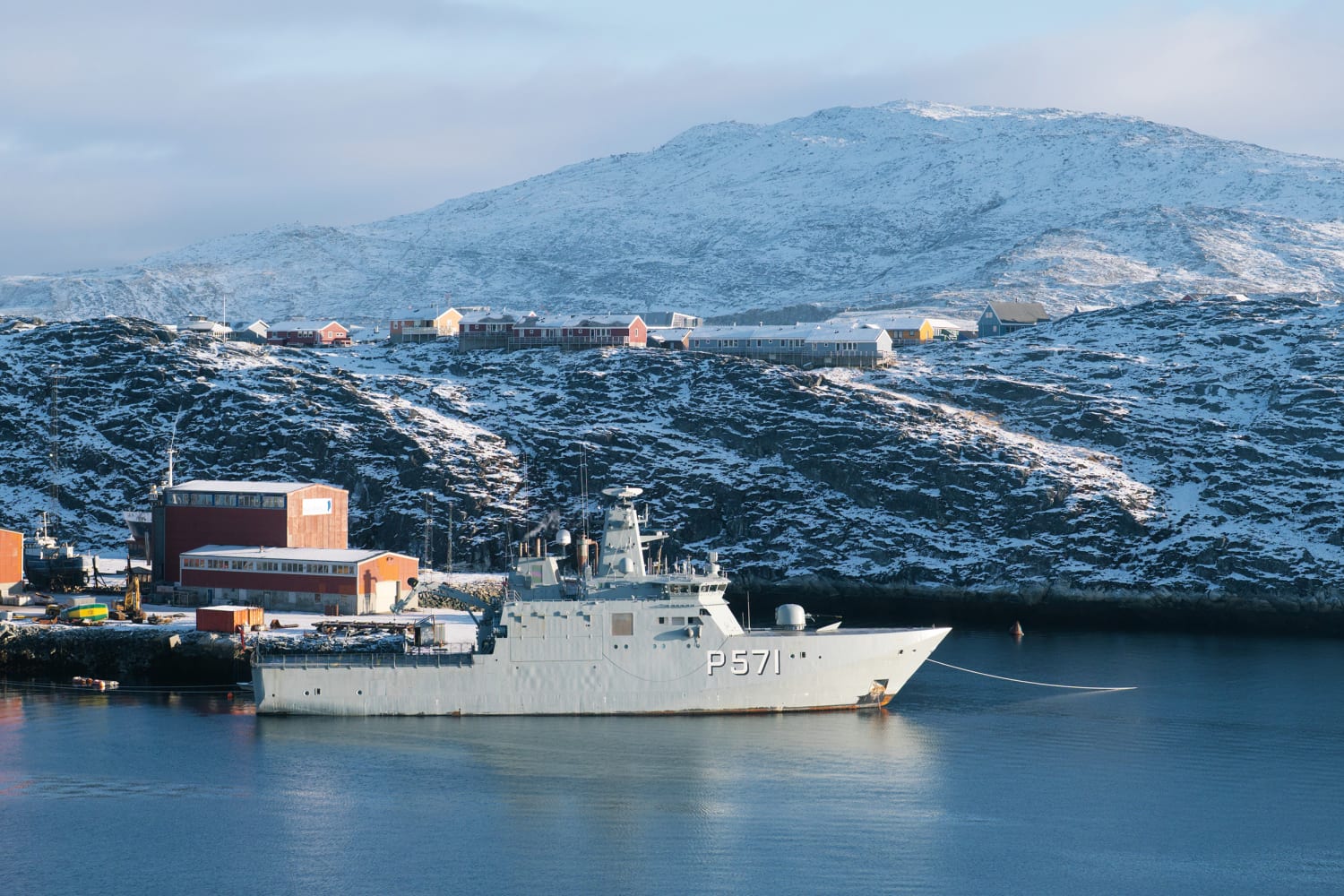
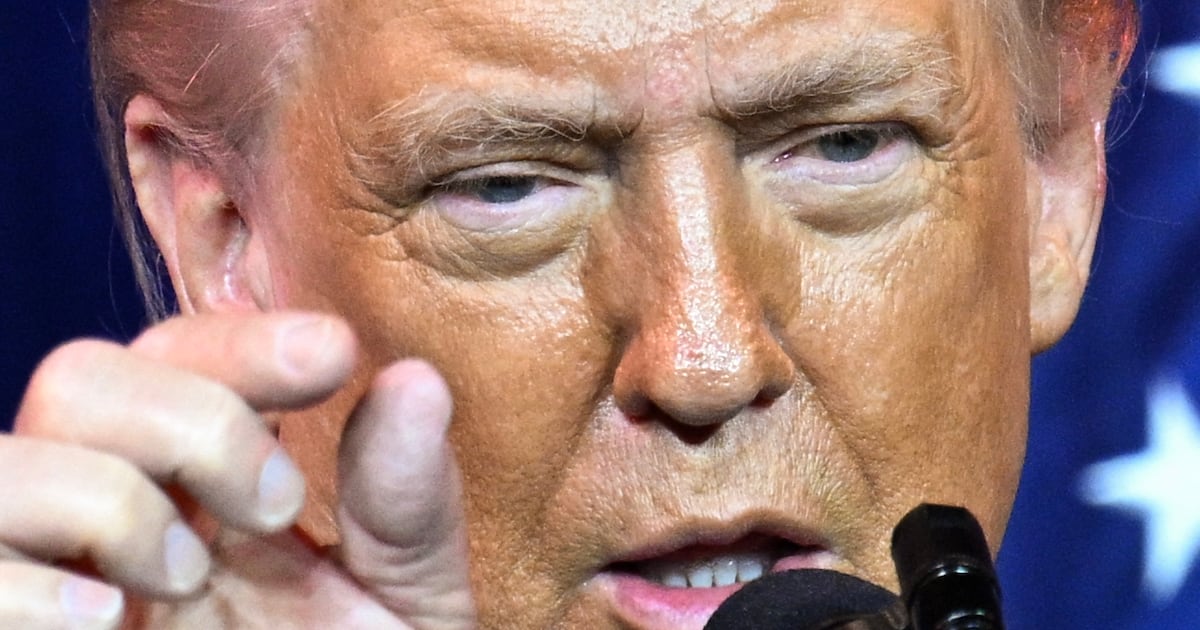
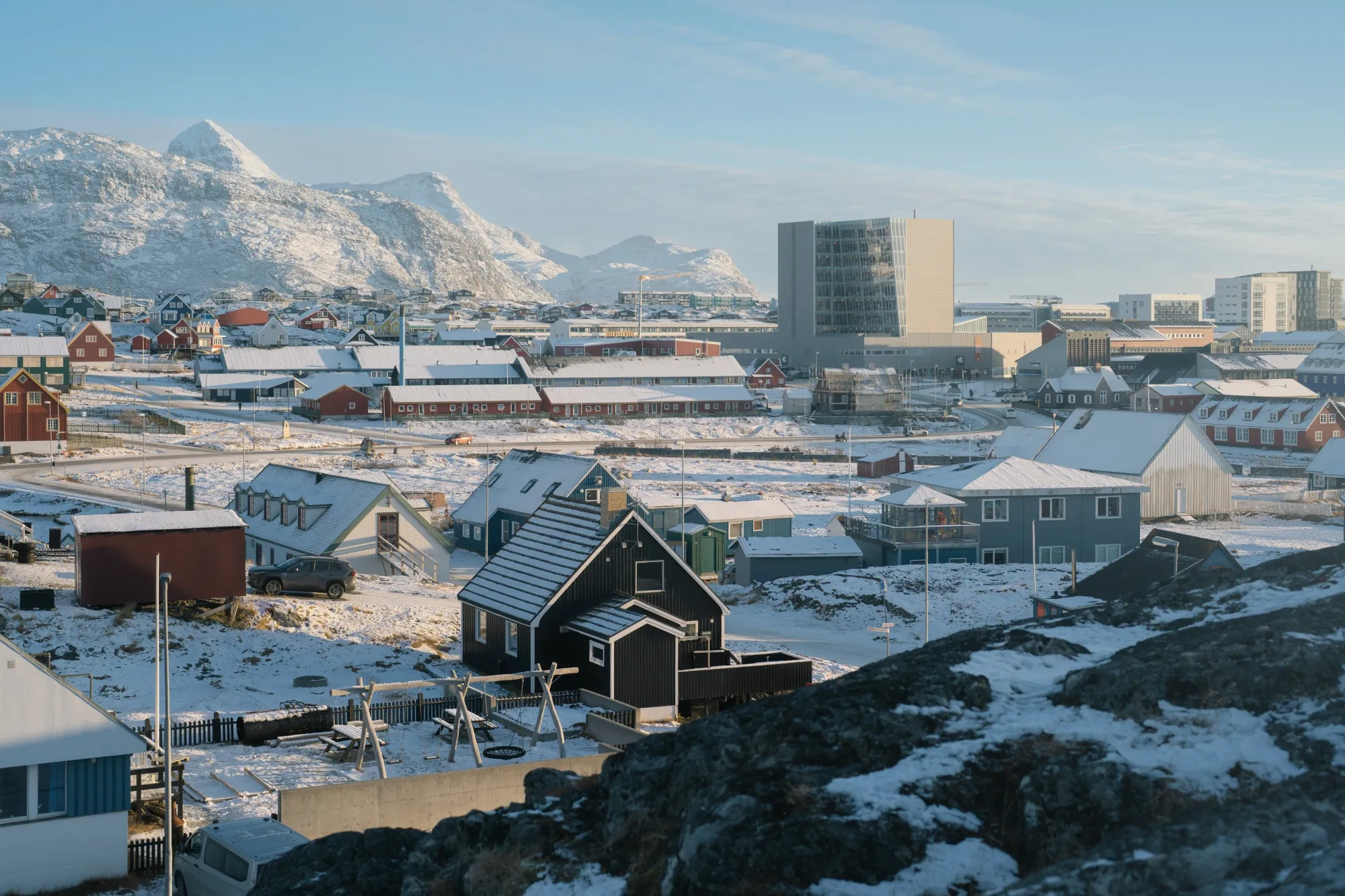
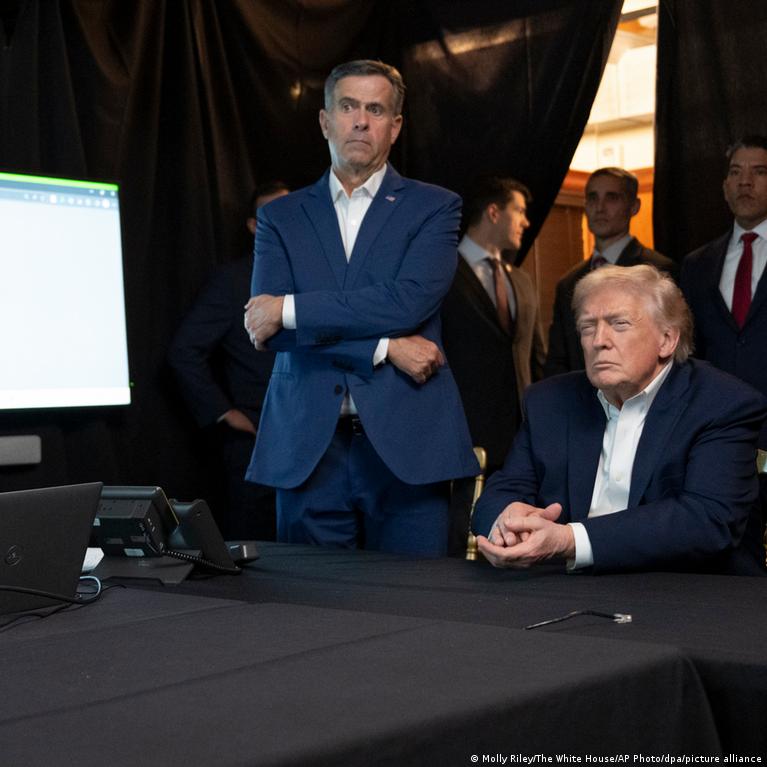
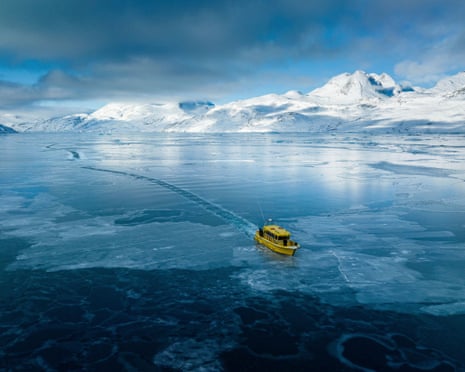
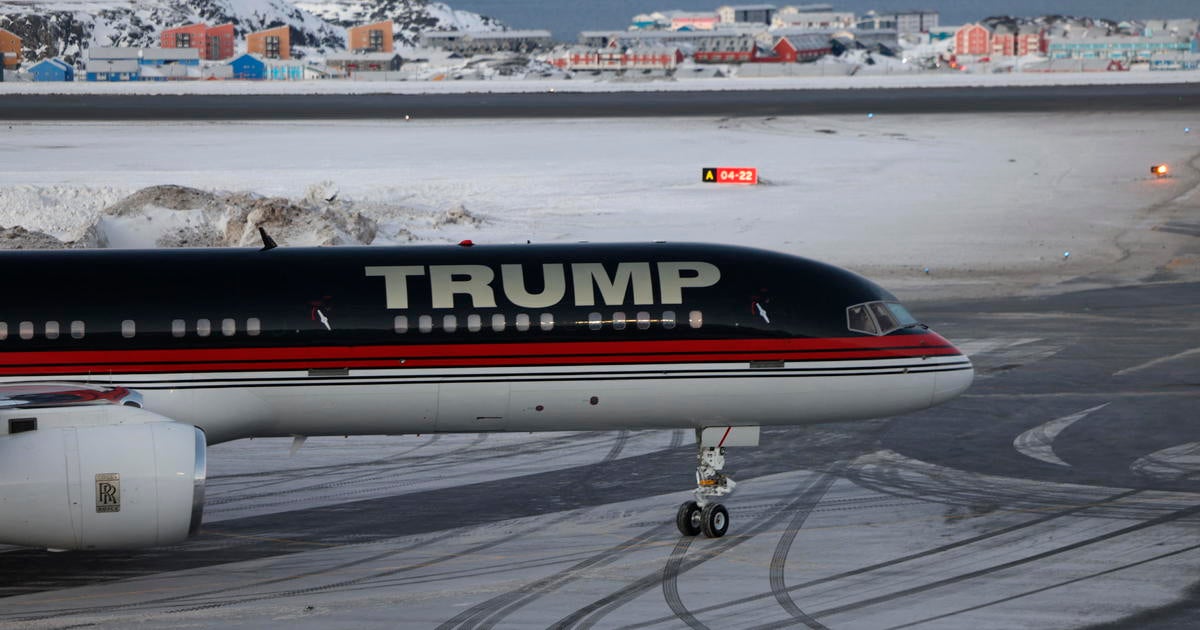
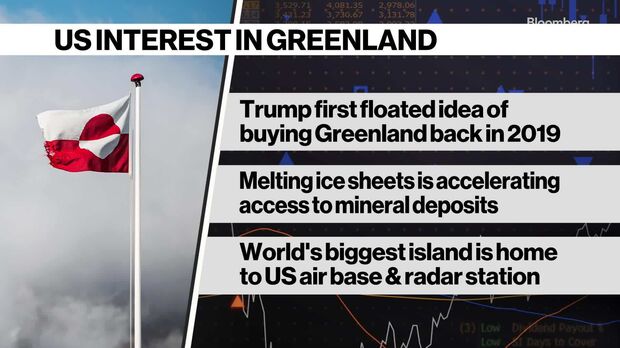
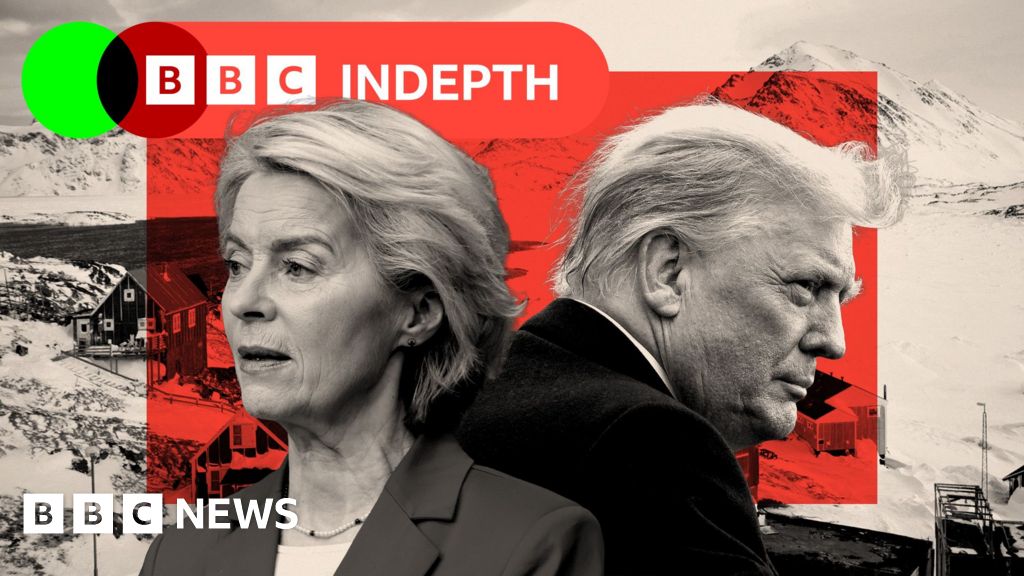
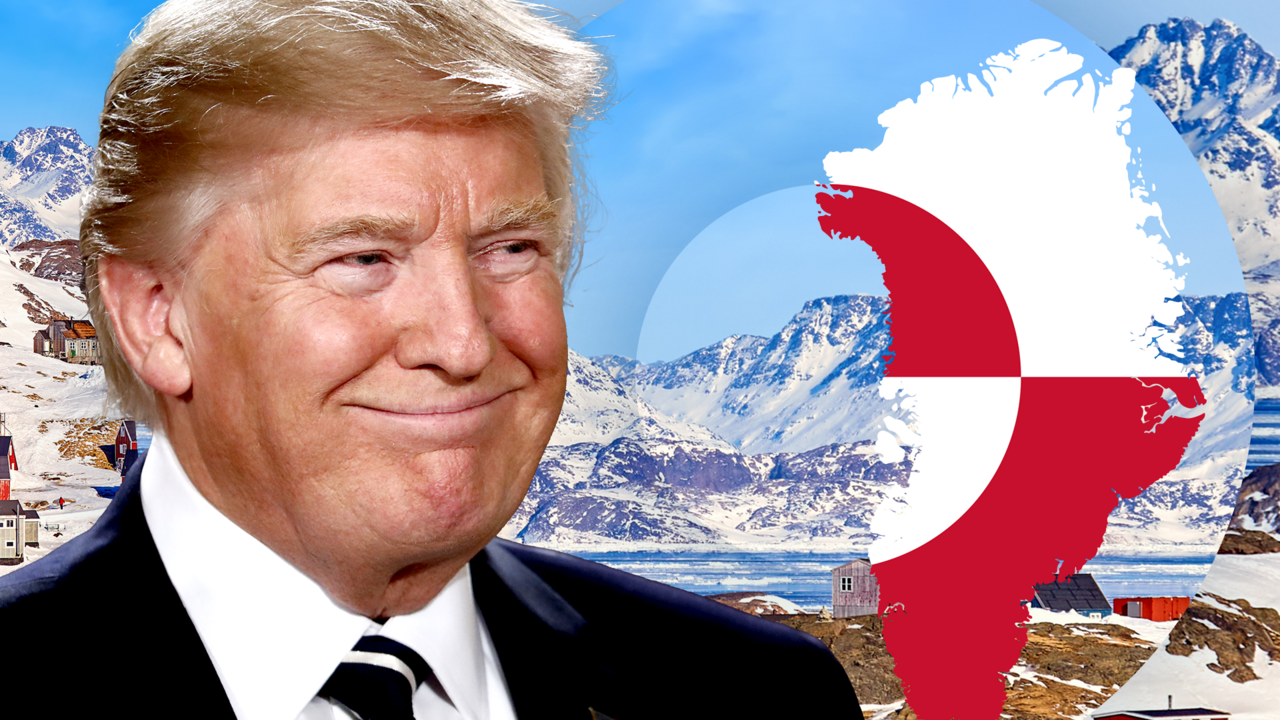
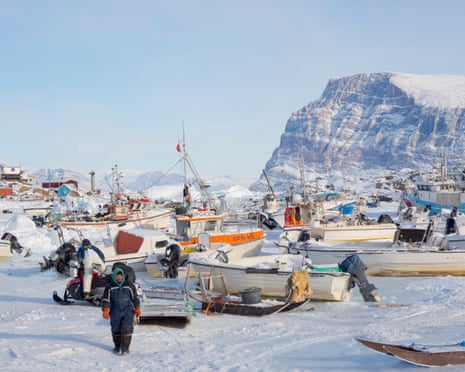
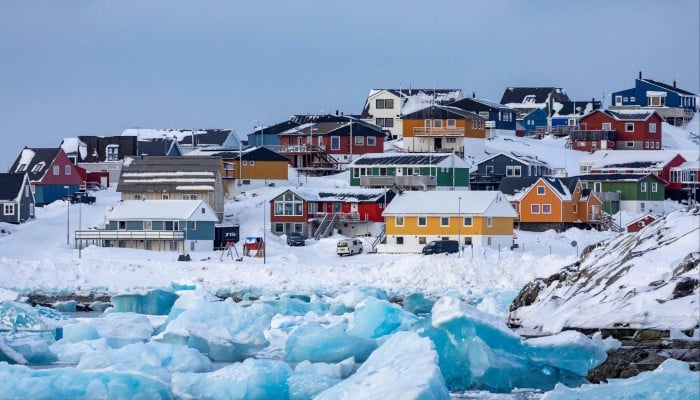
Geopolitical power dynamics are being dramatically reshaped by Donald Trump's provocative proposal to acquire Greenland, revealing deep fractures in international diplomatic relations. The strategic significance of this Arctic territory extends far beyond a simple territorial acquisition, representing a complex intersection of national security, resource control, and alliance stability.
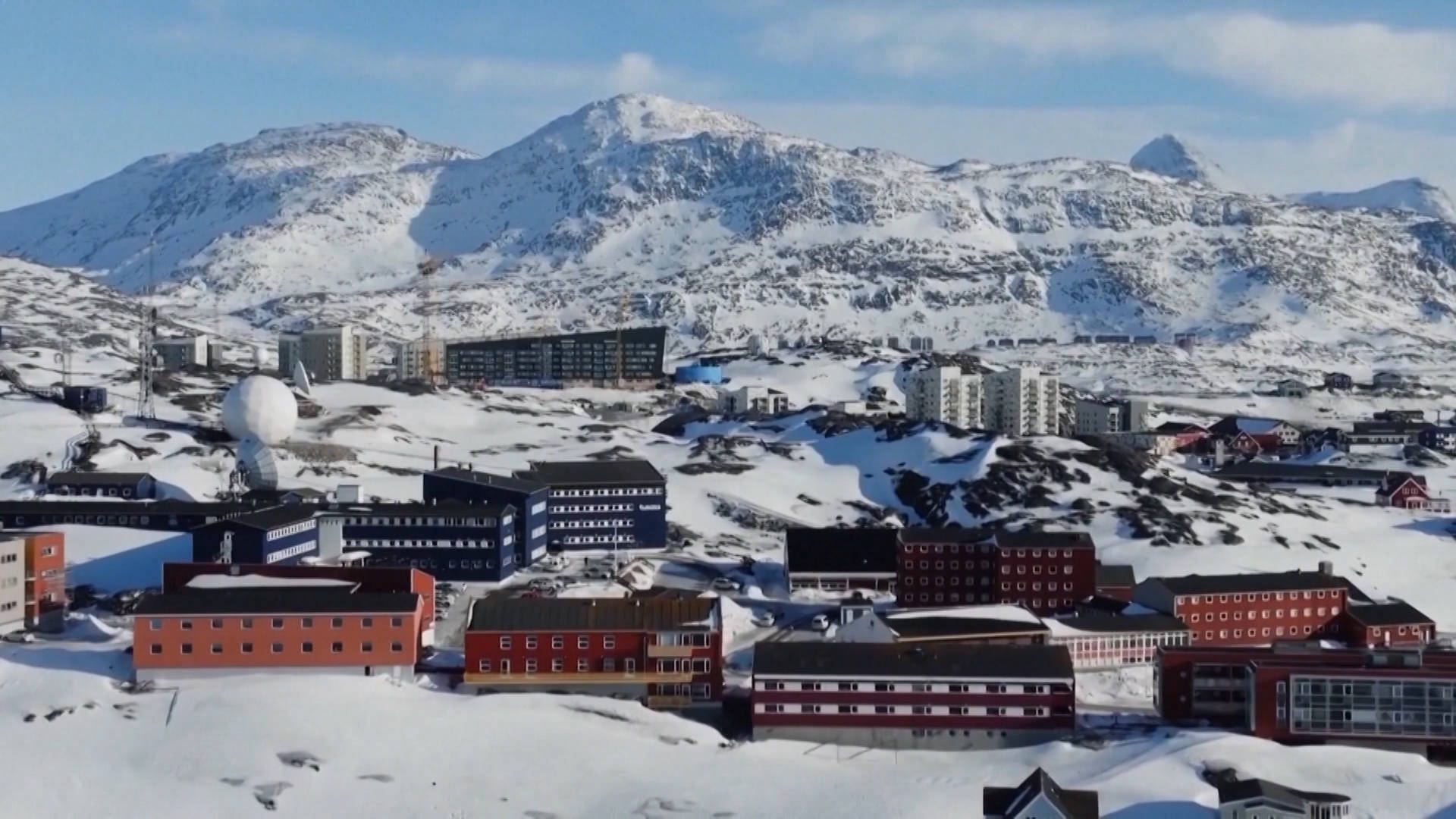
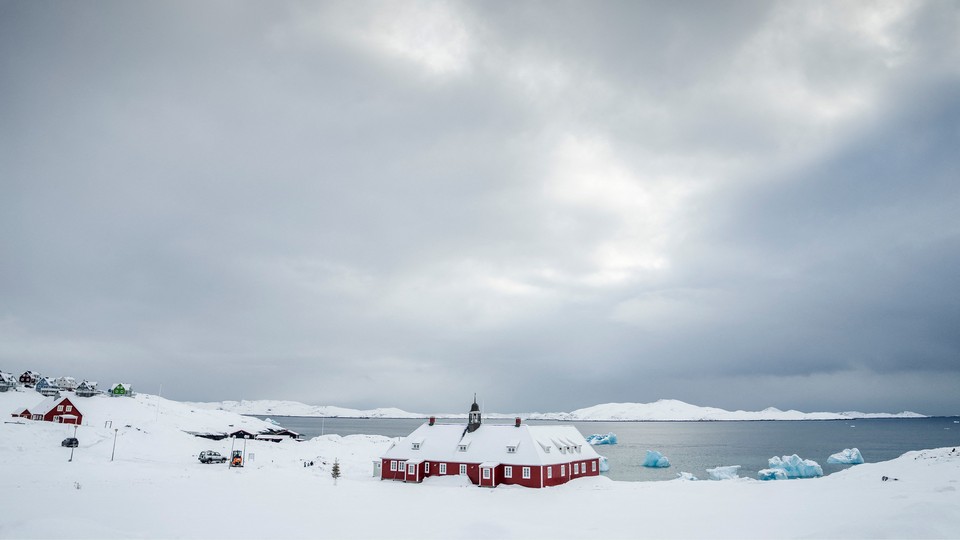
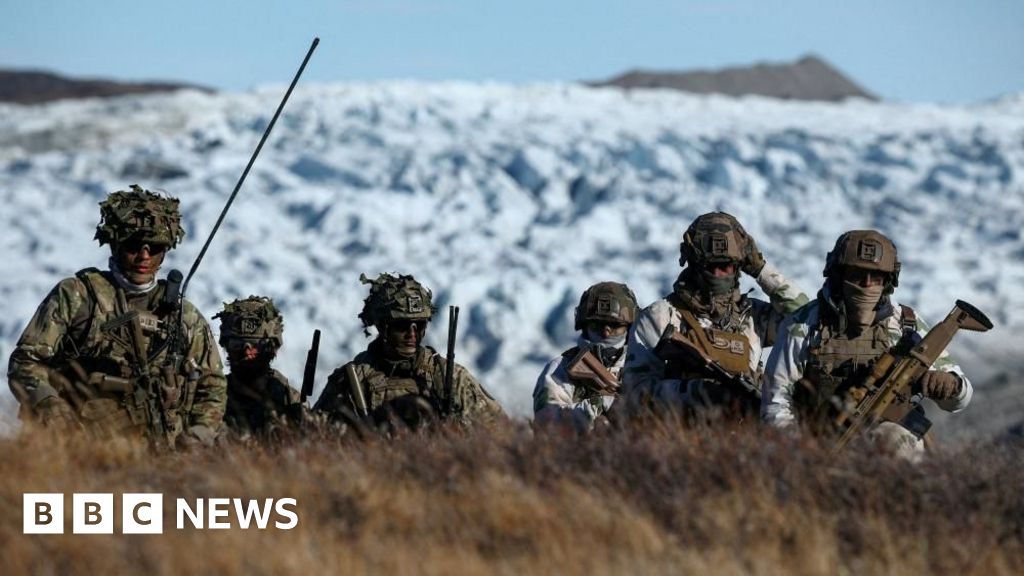
Greenland's strategic value emerges from multiple critical dimensions. The island hosts a crucial U.S. missile defense base and contains substantial rare-earth mineral deposits currently dominated by China. These minerals are essential for high-tech manufacturing, including batteries and electronic devices, making Greenland a potential geopolitical prize. The military and economic disparity between the United States and Denmark underscores the power dynamics at play: the U.S. maintains 1.3 million active military personnel compared to Denmark's 13,100, and is projected to spend $845 billion on defense in 2025, while other NATO allies will collectively spend $559 billion.
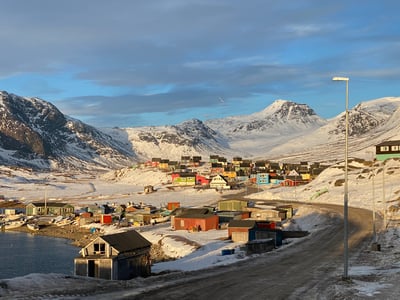
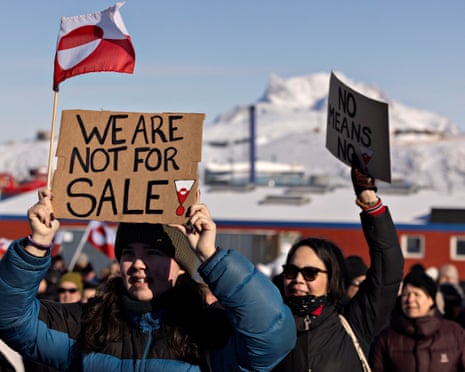
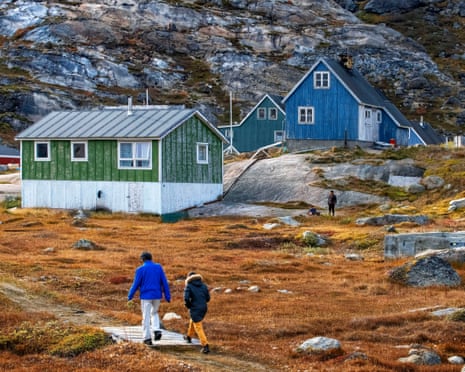
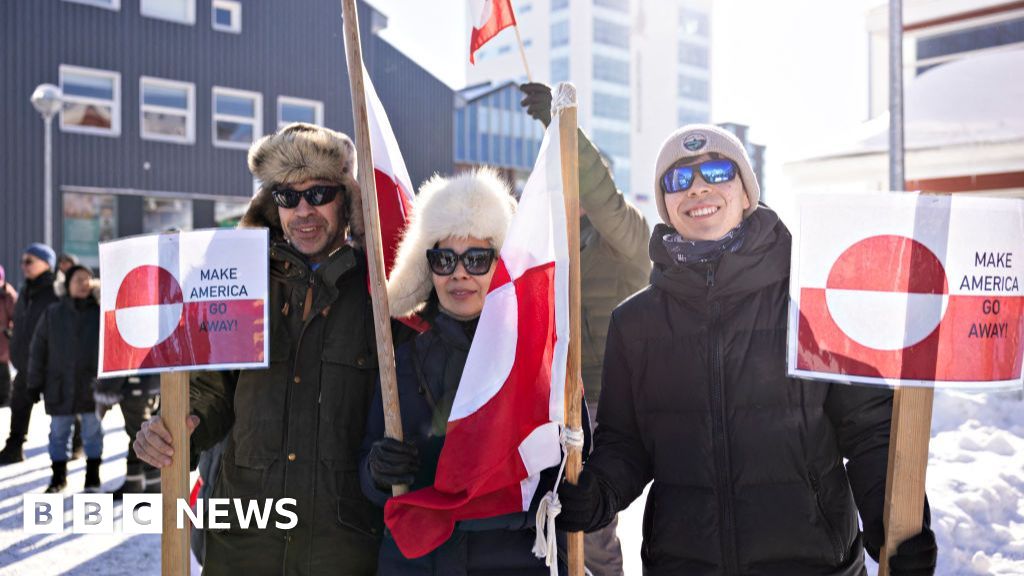
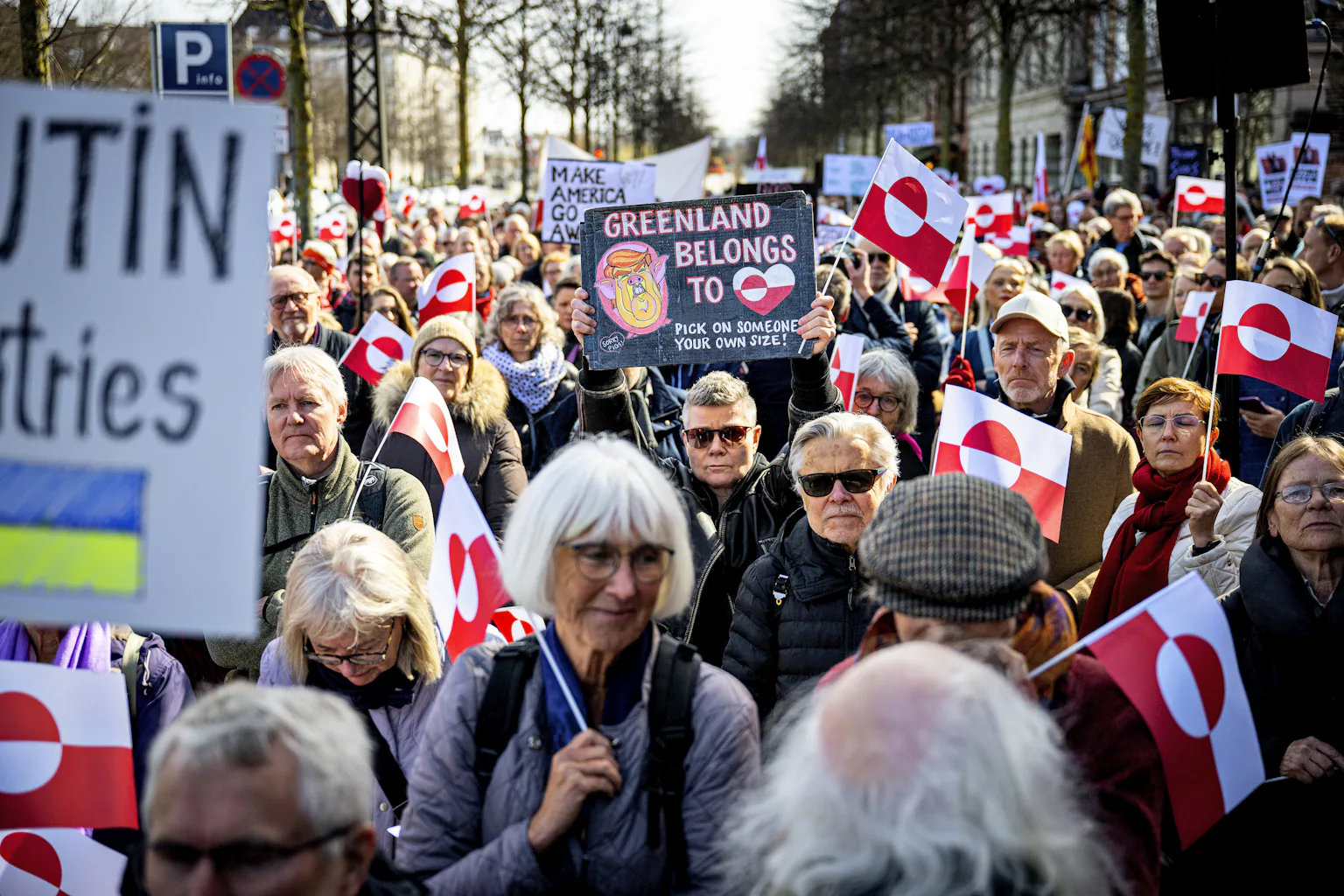
Diplomatic resistance has been swift and unequivocal. Prime Minister Mette Frederiksen warned that any attempt to take the territory would effectively end NATO, emphasizing the potential collapse of international diplomatic norms. Greenlandic leadership has been equally dismissive, with polls indicating approximately 85% of the population opposes being absorbed by the United States. Legally, Greenland remains a semiautonomous Danish territory with limited self-governance, adding another layer of complexity to Trump's proposal.
The broader implications extend beyond a simple territorial dispute. Experts like Marion Messmer from Chatham House suggest that such actions could fundamentally undermine NATO's credibility, potentially benefiting geopolitical competitors like Russia. The strategic context reveals ongoing tensions in transatlantic relations, with the U.S. questioning the commitment of future NATO members and challenging traditional alliance principles.
Monitor the evolving geopolitical landscape carefully. Watch for potential shifts in Arctic strategic positioning, rare-earth mineral access, and the long-term stability of NATO partnerships. The Greenland proposal represents more than a territorial ambition – it's a critical stress test for international diplomatic norms and collective security frameworks.
Questions 5
What legal status does Greenland currently have?
Greenland is a semiautonomous Danish territory with limited self-governance. While Greenlanders have the right to pursue independence through referendum, Denmark still controls foreign policy, defense, and provides significant economic subsidies to the region.
How have Denmark and Greenland responded to Trump's proposal?
Denmark and Greenland have strongly rejected the proposal. Prime Minister Mette Frederiksen warned that any attempt to take the territory would effectively end NATO. Polls show approximately 85% of Greenland's population opposes being absorbed by the United States, emphasizing widespread diplomatic and popular resistance.