


Germany's Infrastructure Vulnerability Exposed by Radical Activism and Energy Disruptions
- Critical infrastructure risks emerge from climate protest and technological tensions in Berlin




















Overview
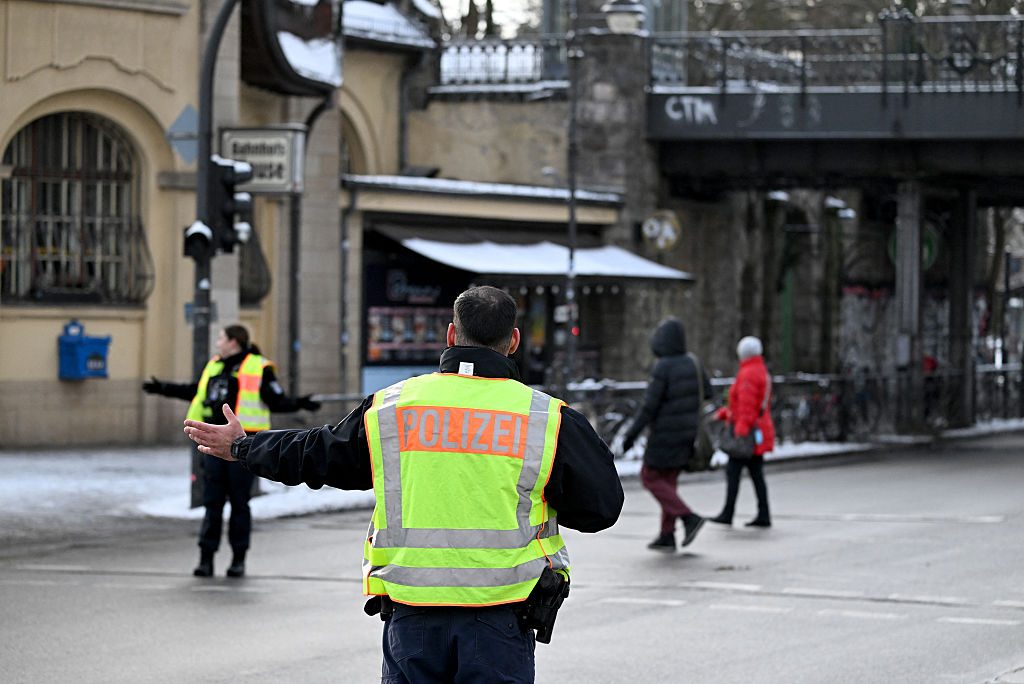
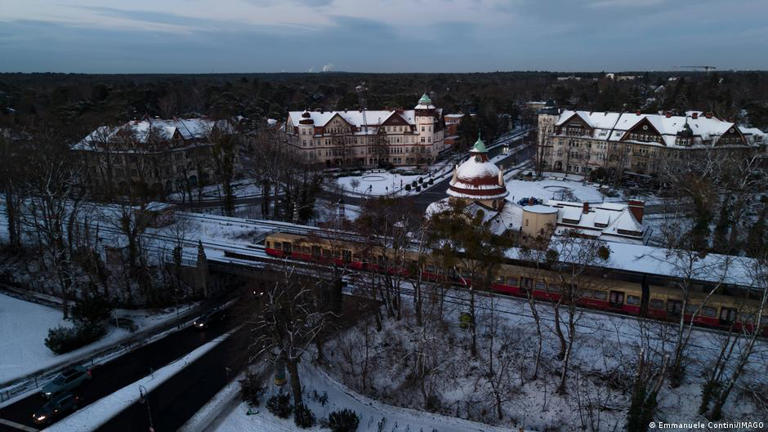
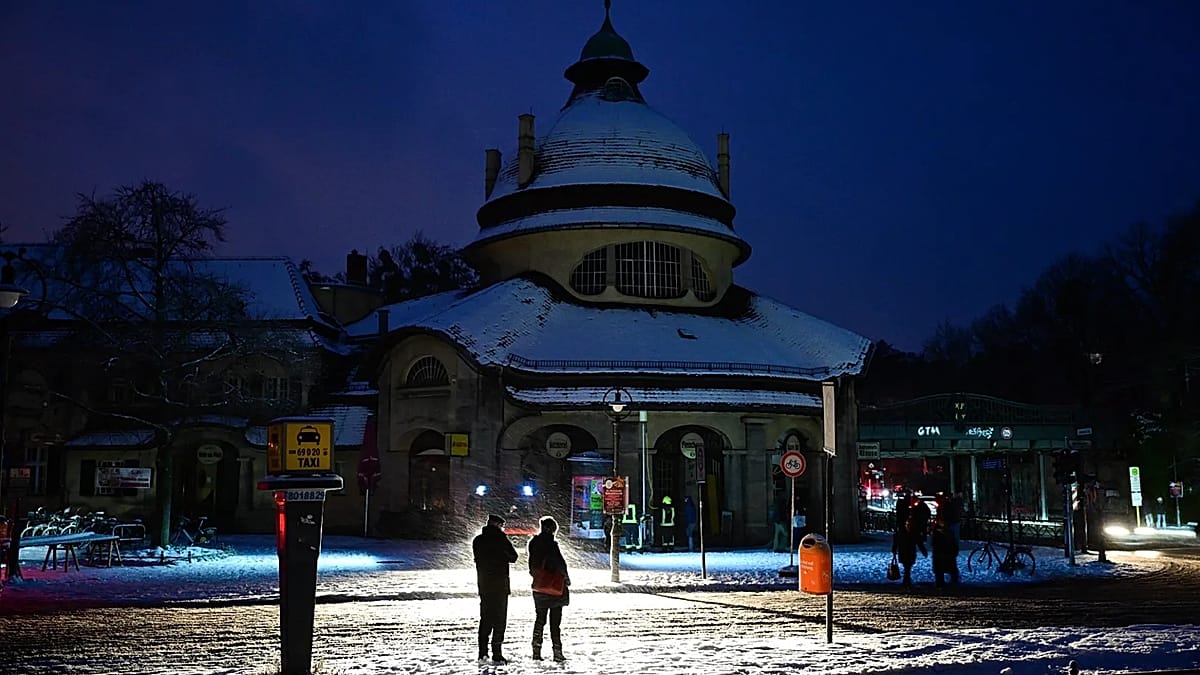
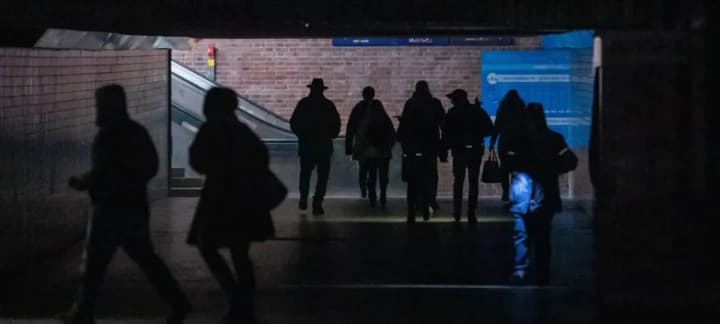
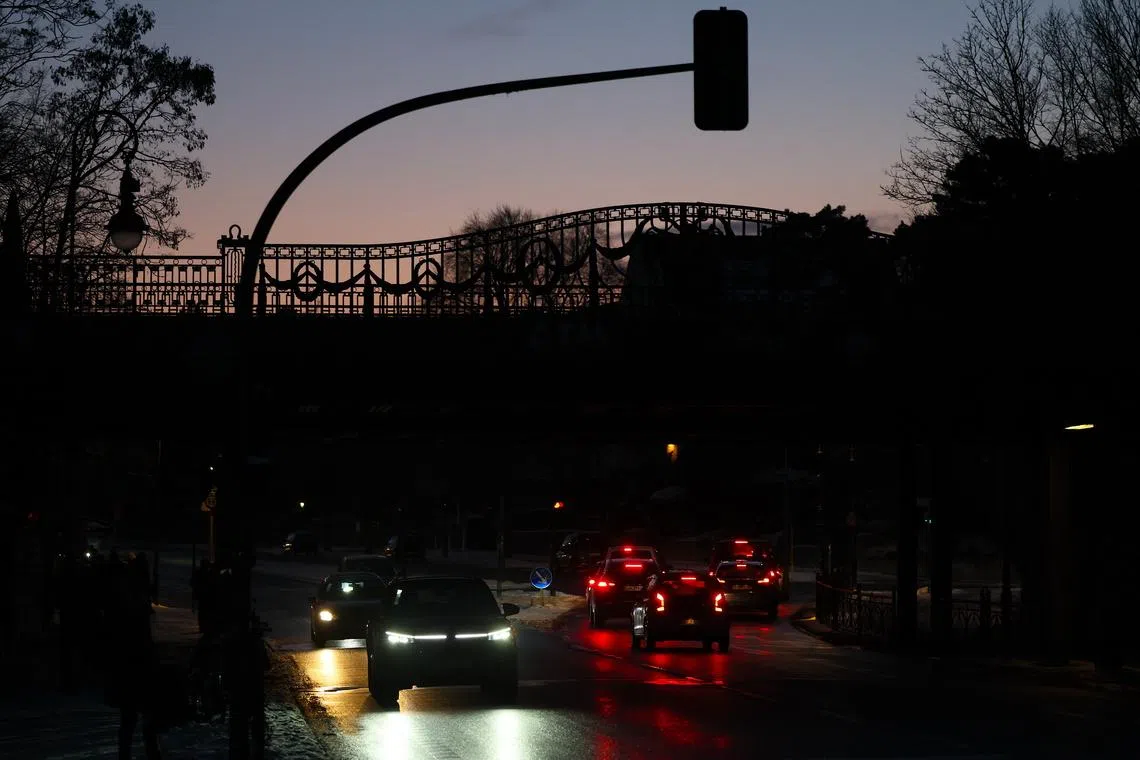
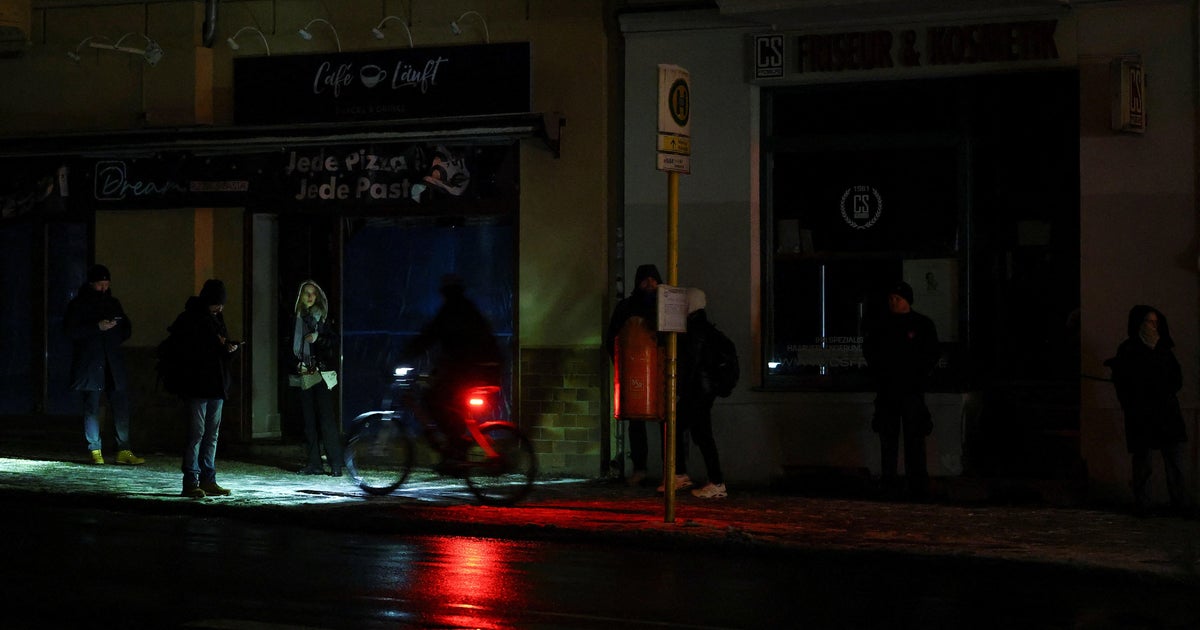
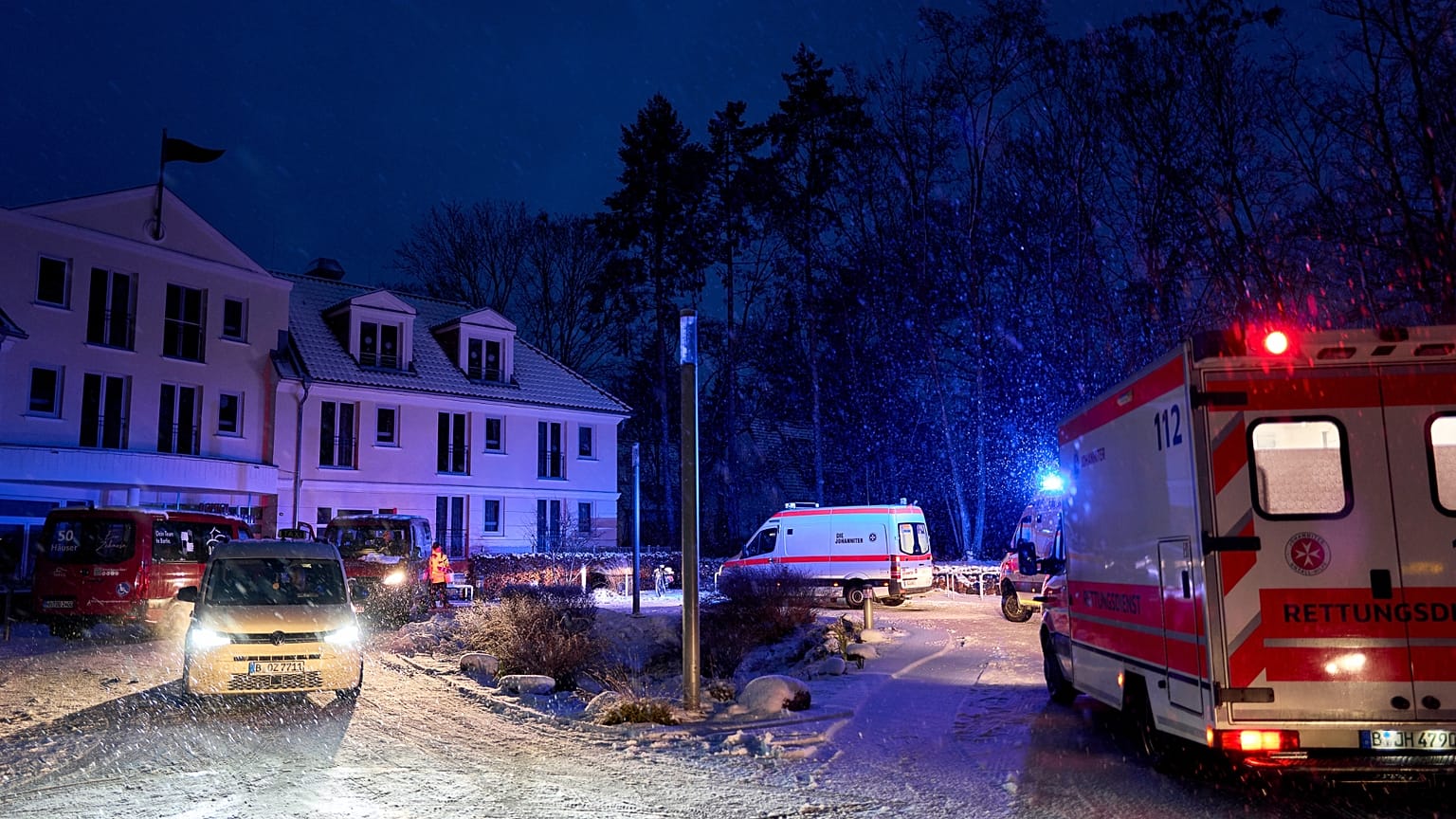
Infrastructure security has become a critical national vulnerability in Germany, with recent events revealing profound systemic challenges at the intersection of technological development, climate activism, and energy resilience. The power outages in Berlin represent a stark demonstration of how radical groups can strategically disrupt critical national infrastructure.
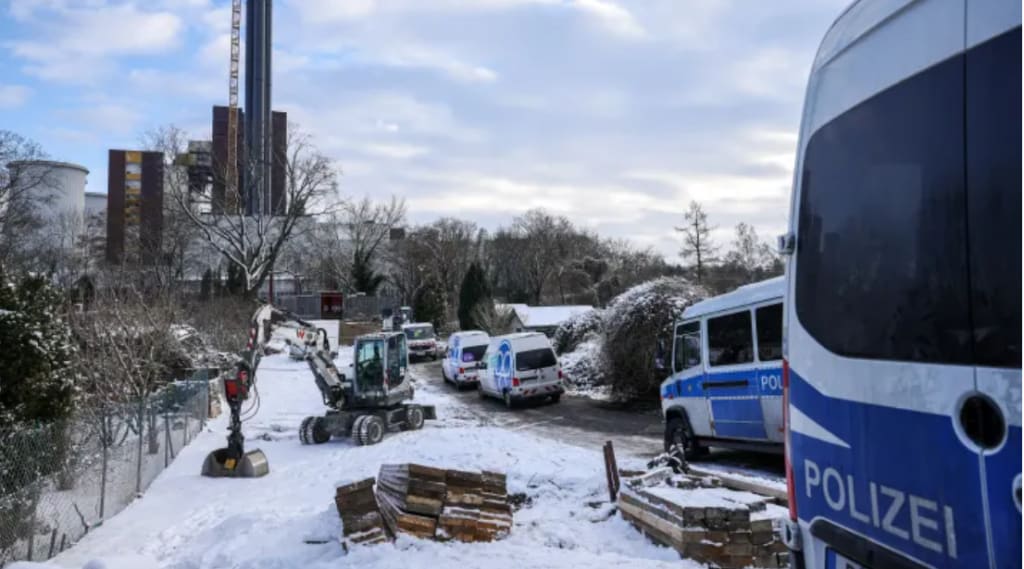
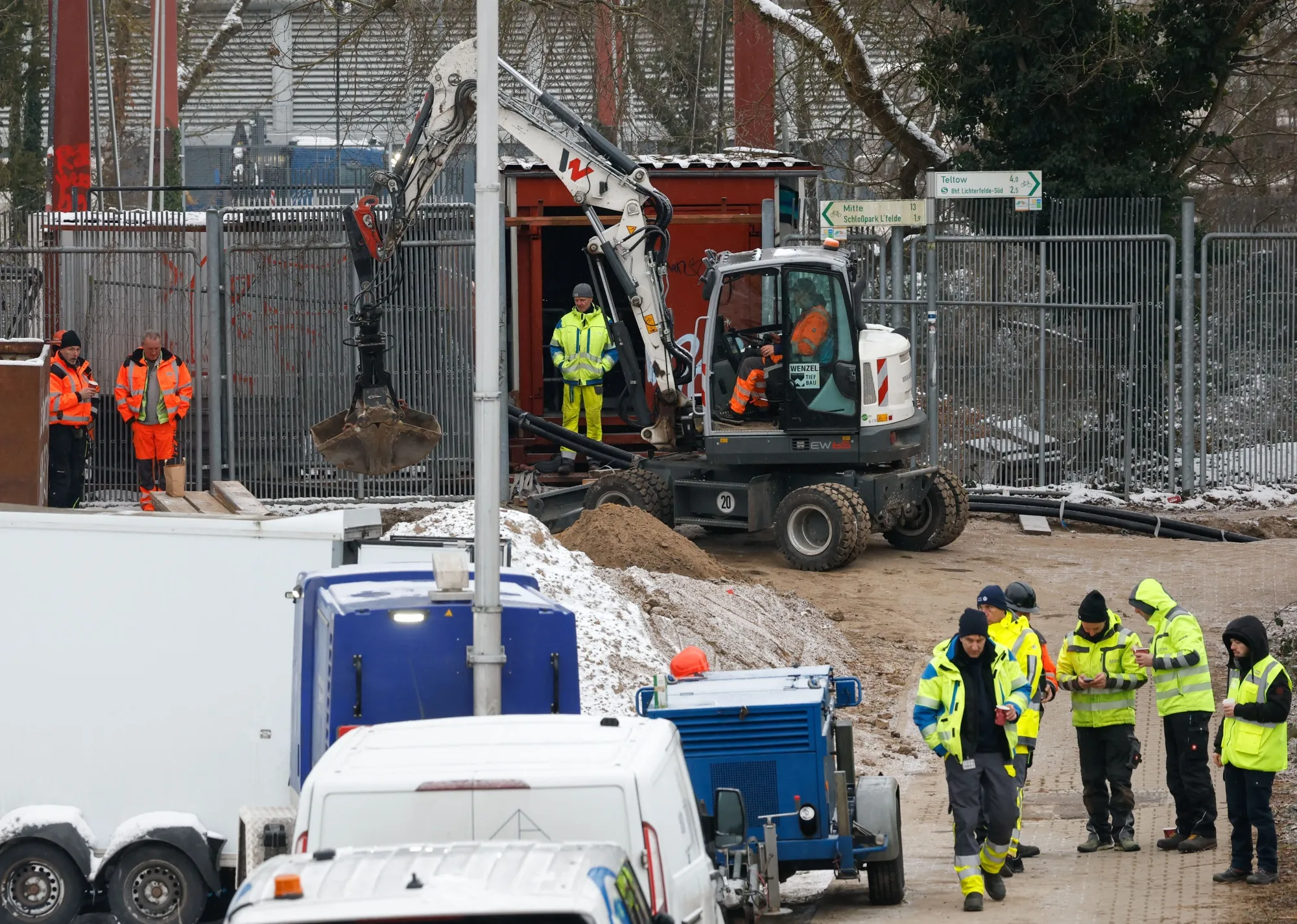
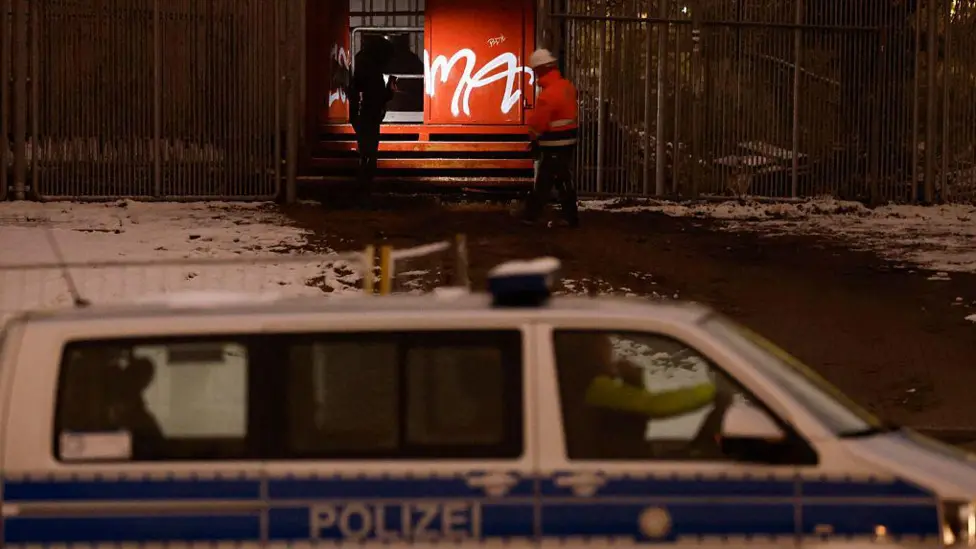
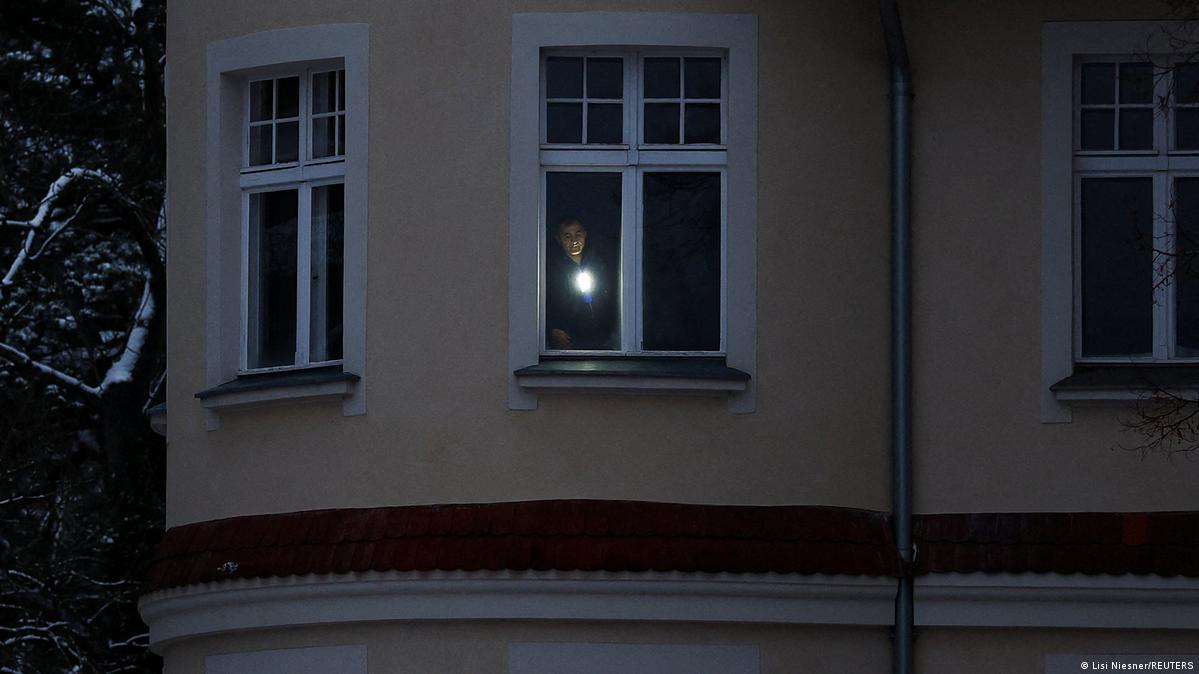
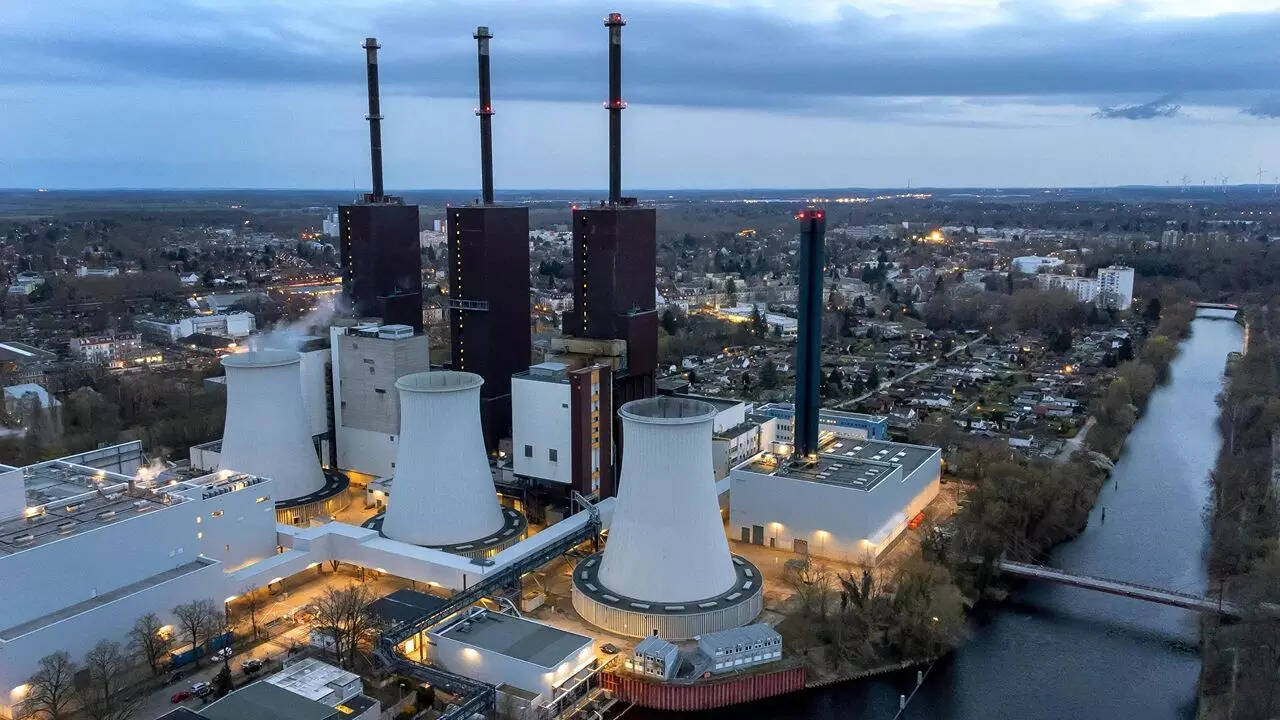
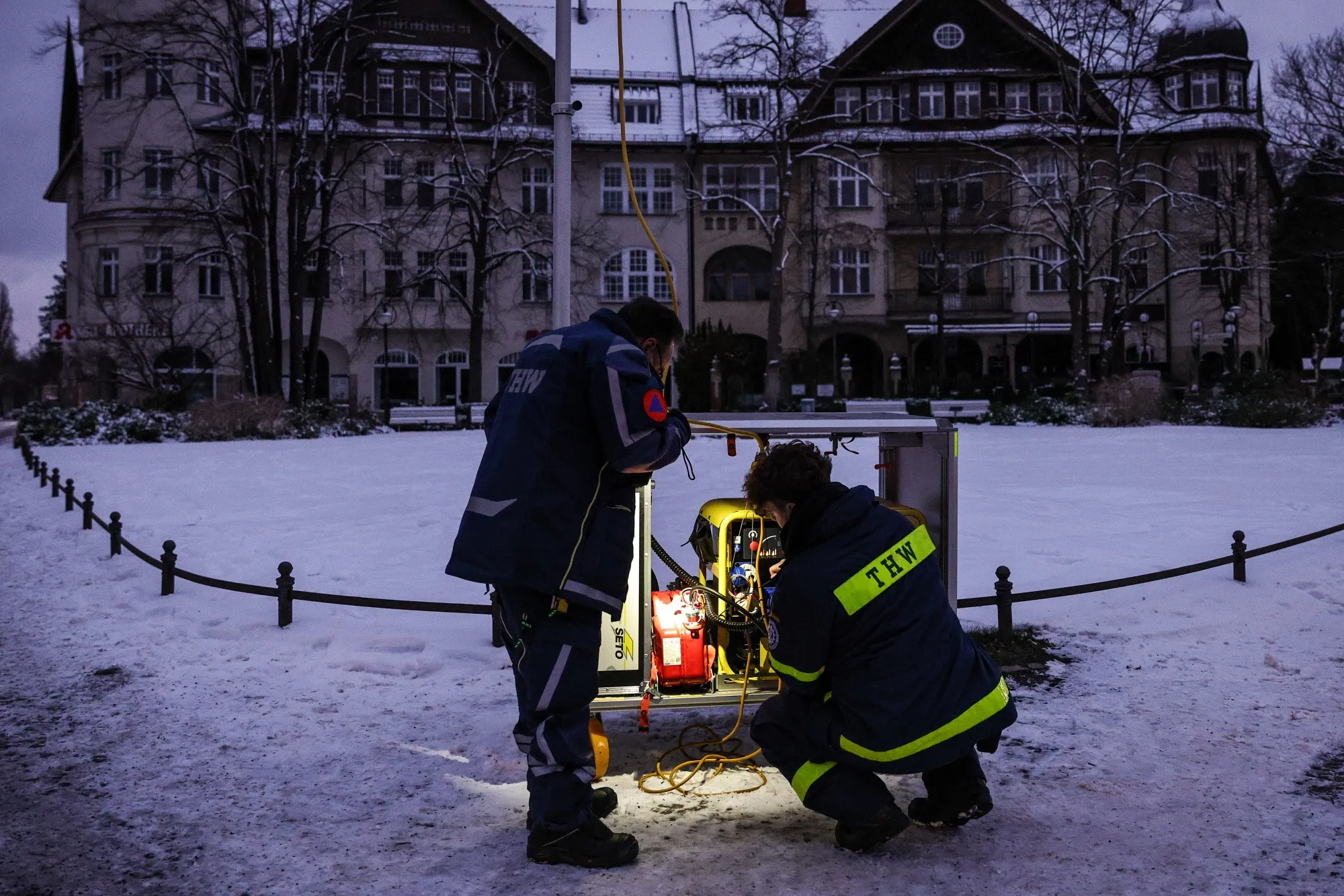
The Vulkangruppe's targeted attacks highlight emerging asymmetric threats to Germany's energy systems. In a significant incident, the group executed an arson attack on a cable bridge near the Lichterfelde power station, causing massive electricity disruptions affecting approximately 45,000 households and 2,200 commercial entities. This attack follows a similar incident four months earlier, suggesting a pattern of deliberate infrastructure targeting motivated by protests against fossil fuel and artificial intelligence infrastructure.
Economic and social indicators reveal underlying systemic tensions. Germany's economic landscape in early 2025 shows complex dynamics, with mixed signals across multiple domains. The country achieved its 2025 CO2 emissions target, reducing emissions by 49% compared to 1990 levels, but progress is slowing. The labor market simultaneously demonstrates challenges, with unemployment rising to 2.9 million people - the highest level since 2013. These indicators suggest a period of significant economic and social transition.
Financial markets reflect both resilience and uncertainty. The DAX index reached a historic milestone of 25,000 points, driven by investor optimism around artificial intelligence and increased interest in armaments stocks. This surge indicates potential investment opportunities amid broader economic uncertainties. However, the infrastructure attacks introduce a new layer of risk that investors and policymakers must carefully monitor.
Monitor infrastructure security protocols, assess the potential for targeted disruptions, and develop robust contingency plans for critical energy systems. The growing tensions between climate activism and technological infrastructure development represent a significant strategic challenge for Germany's economic and social stability.
Questions 5
What are the potential long-term implications of these infrastructure attacks?
These attacks could lead to increased investment in infrastructure security, potential policy changes around protest activities, and heightened scrutiny of critical energy systems. They also signal growing social tensions around technological development and environmental concerns.
Why are radical groups targeting energy infrastructure?
The Vulkangruppe's attacks are motivated by protests against fossil fuel-based energy and artificial intelligence infrastructure development. Their actions represent growing tensions between climate crisis activism and technological infrastructure, seeking to disrupt systems they perceive as environmentally harmful.