


Regulatory Collapse: Swiss Bar Fire Exposes Critical Safety Inspection Failures
- Systemic Regulatory Gaps Threaten Public Safety in Entertainment Venues





















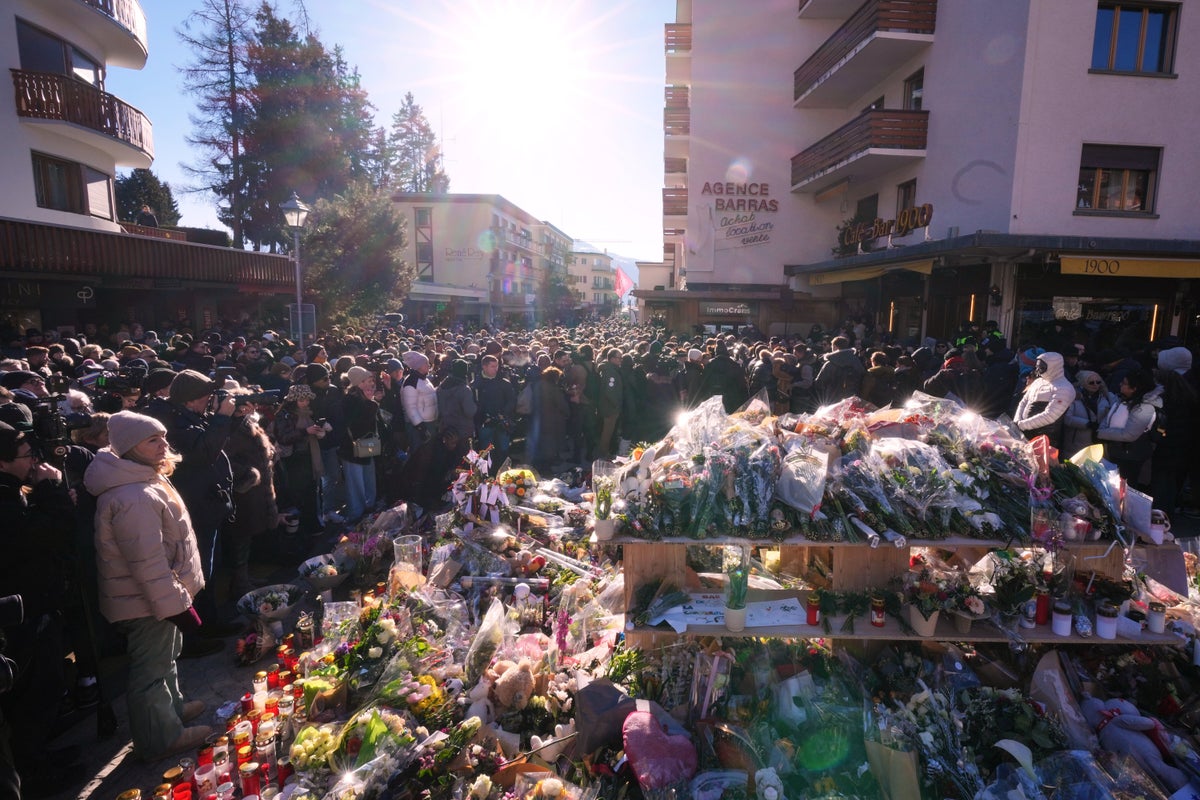

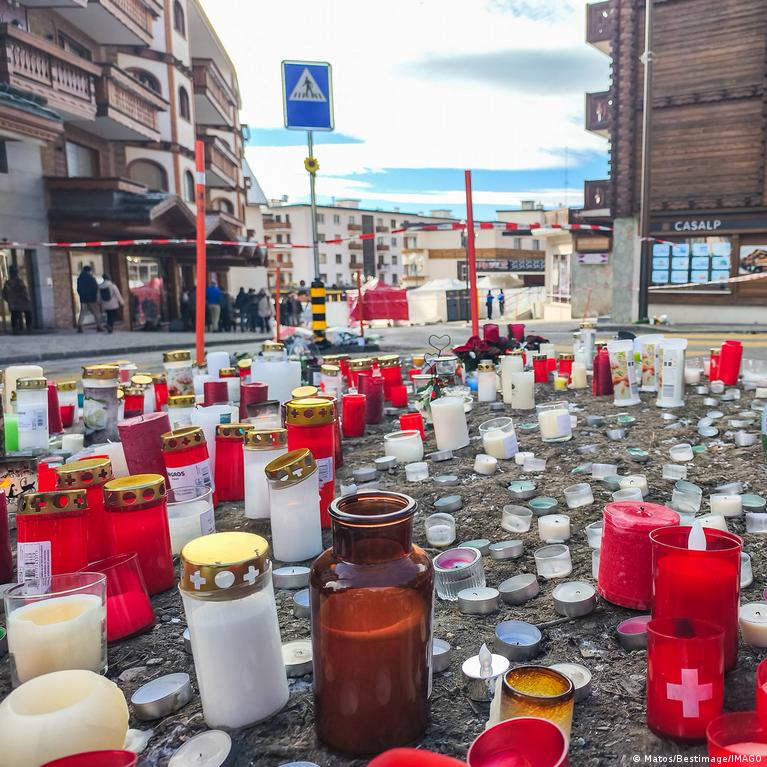


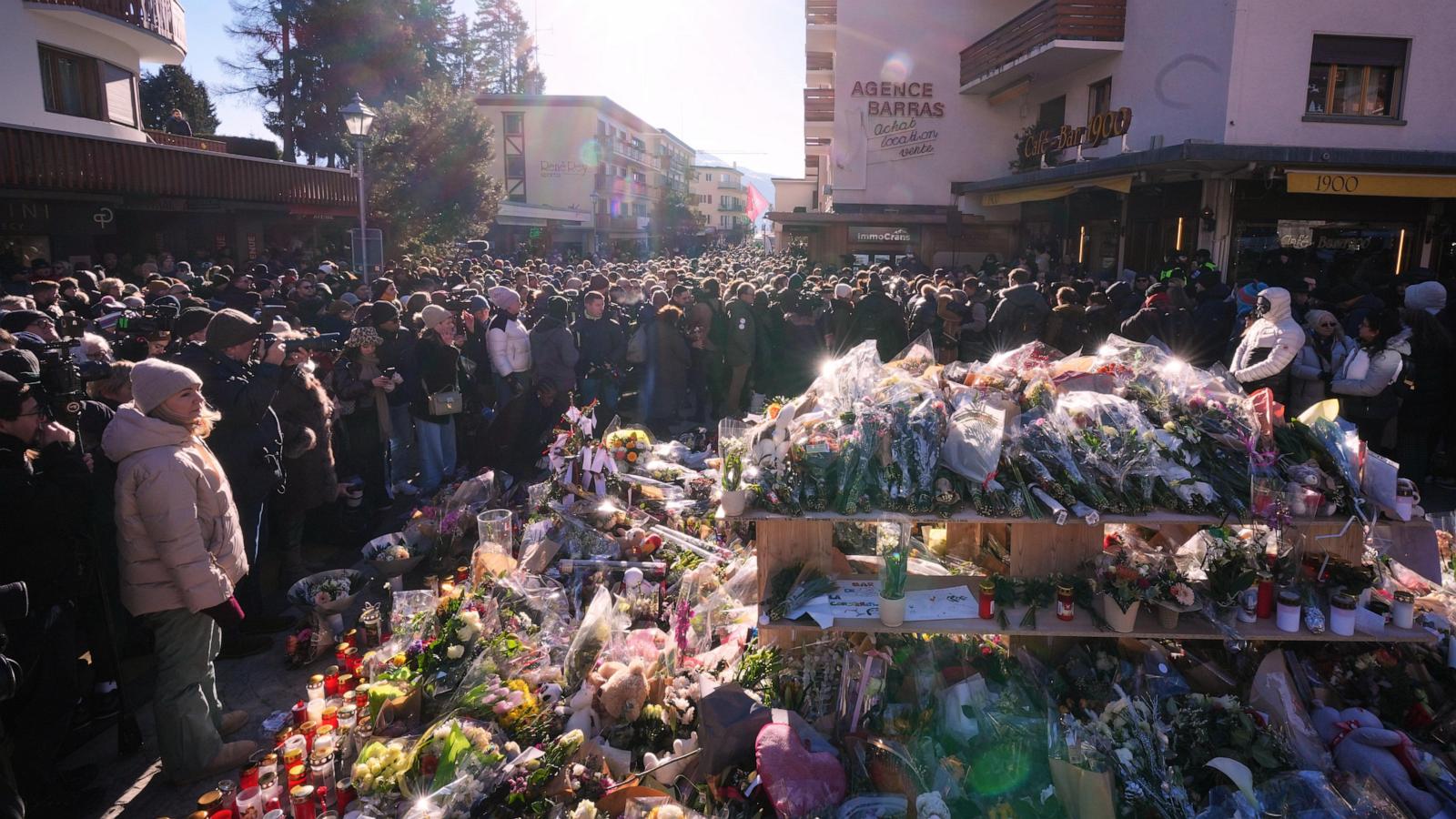
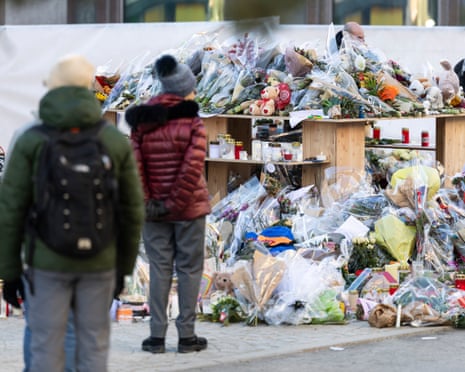

Overview
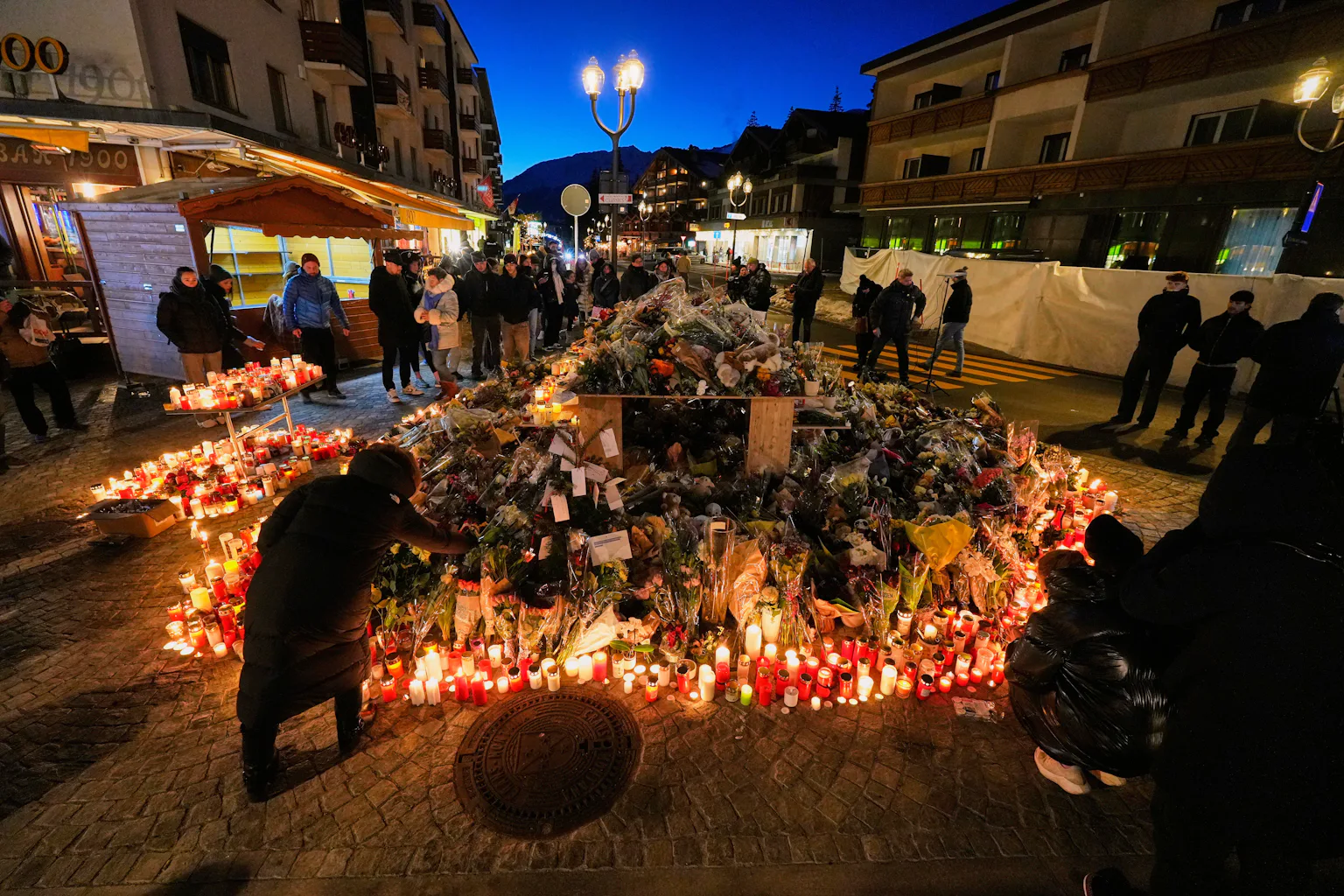
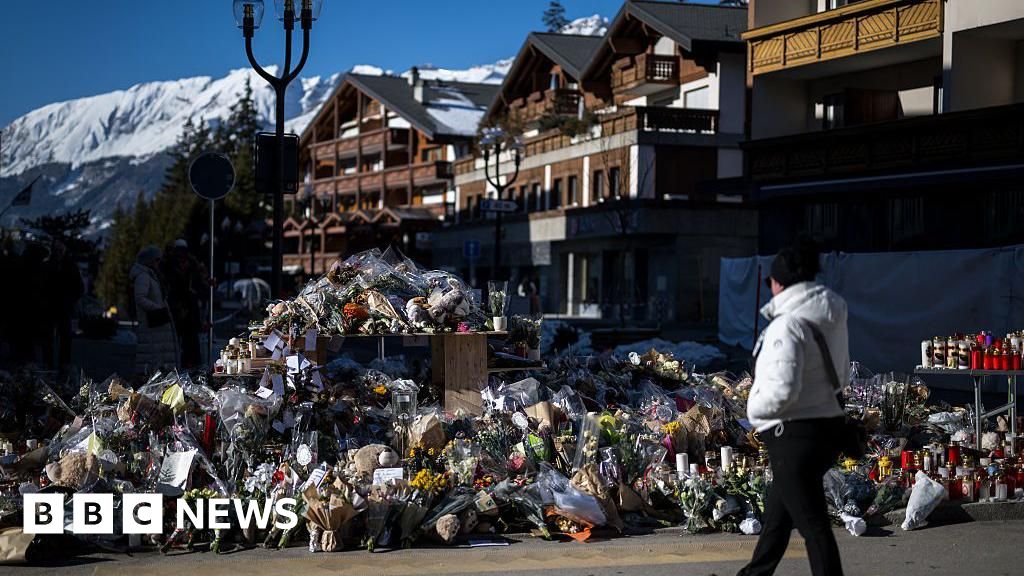
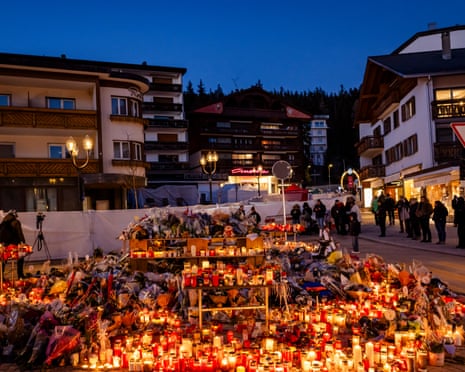
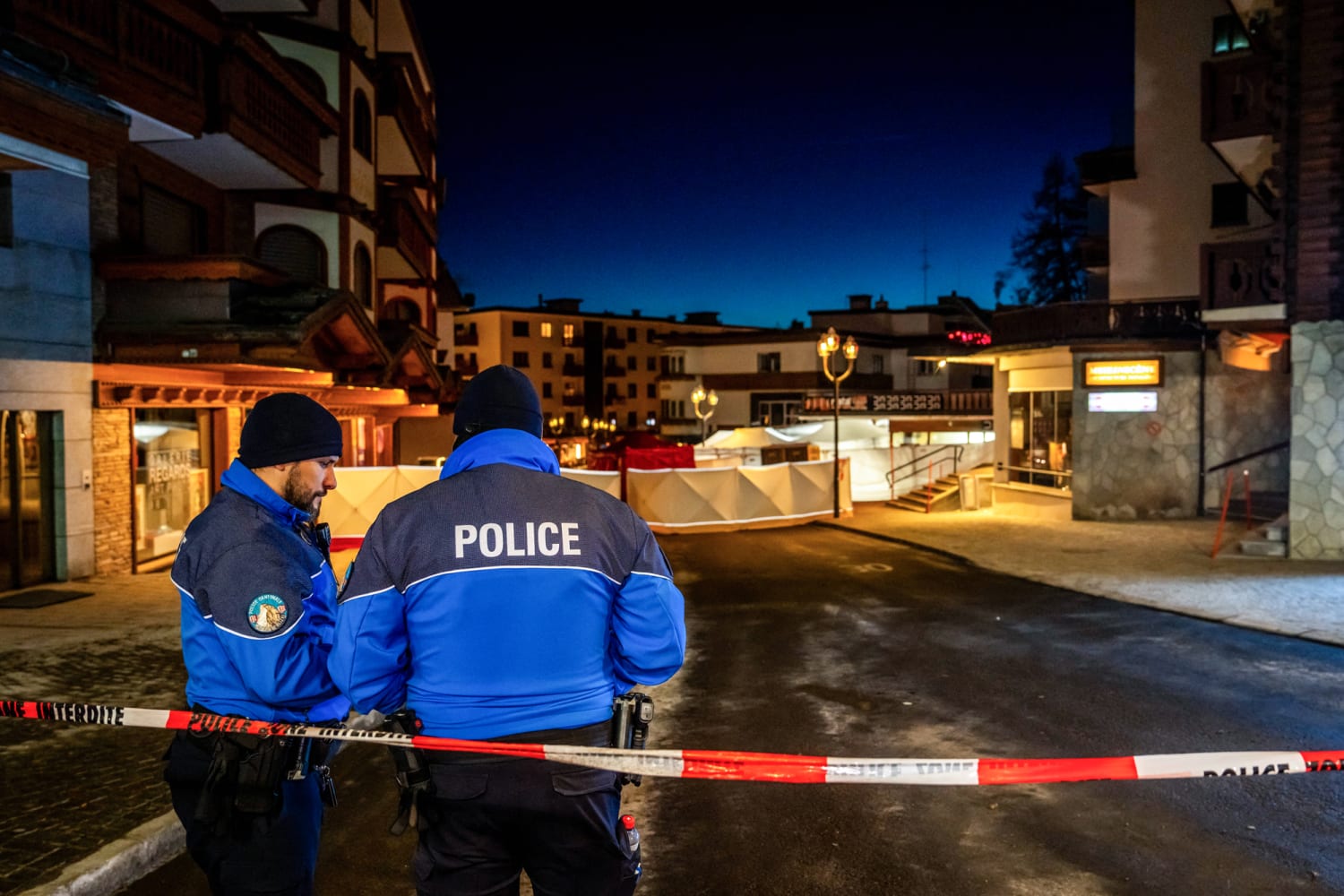
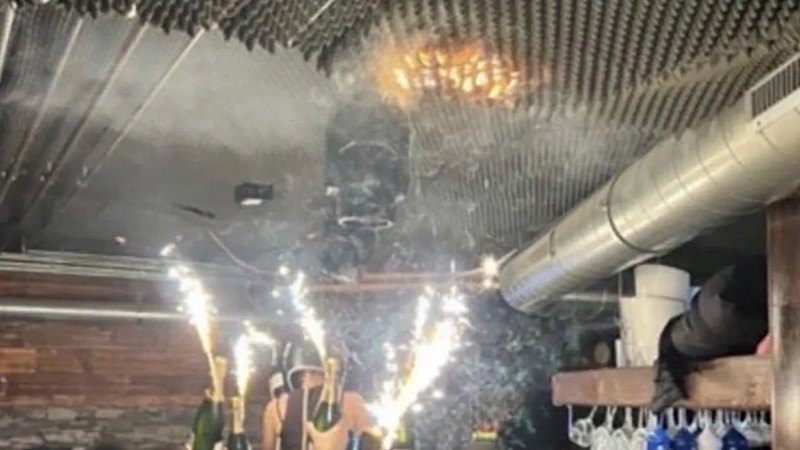
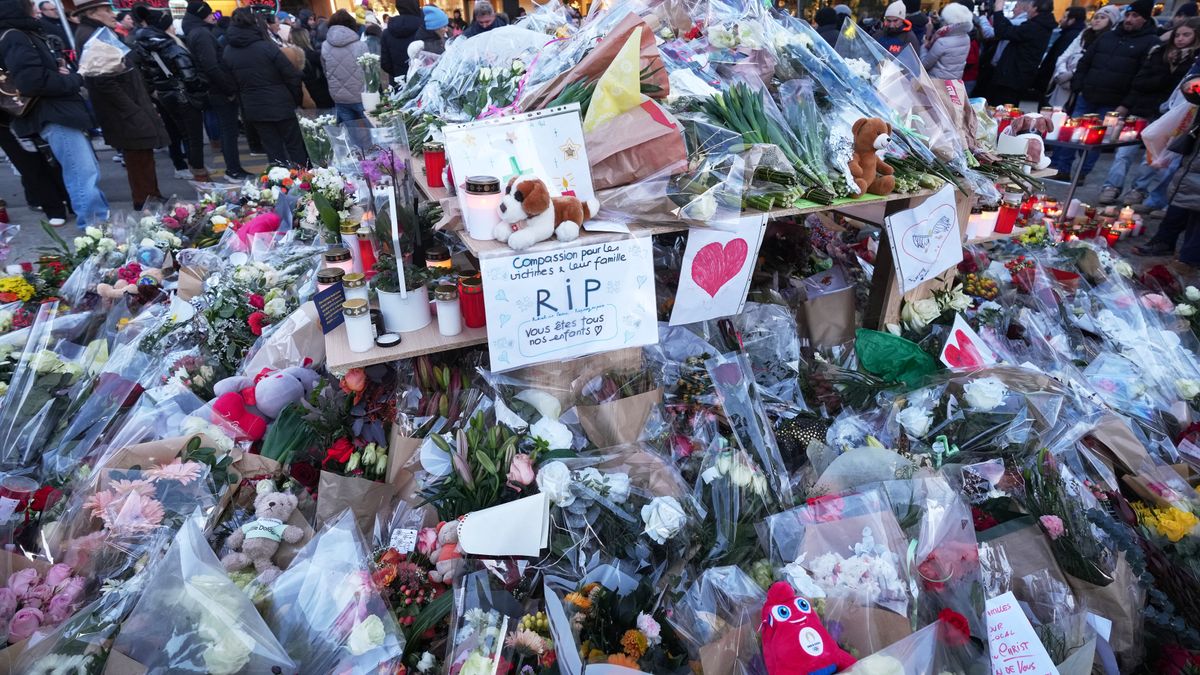
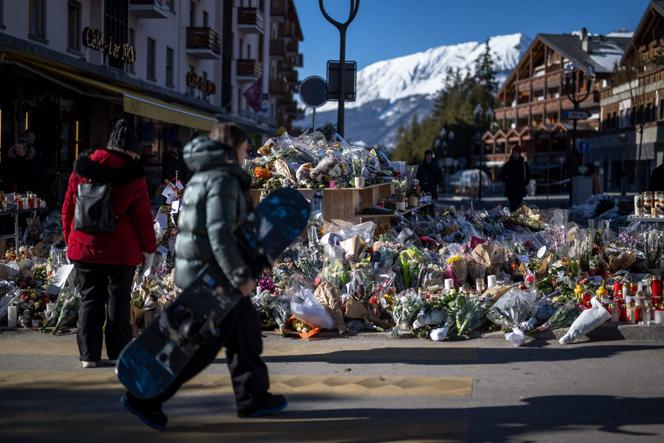
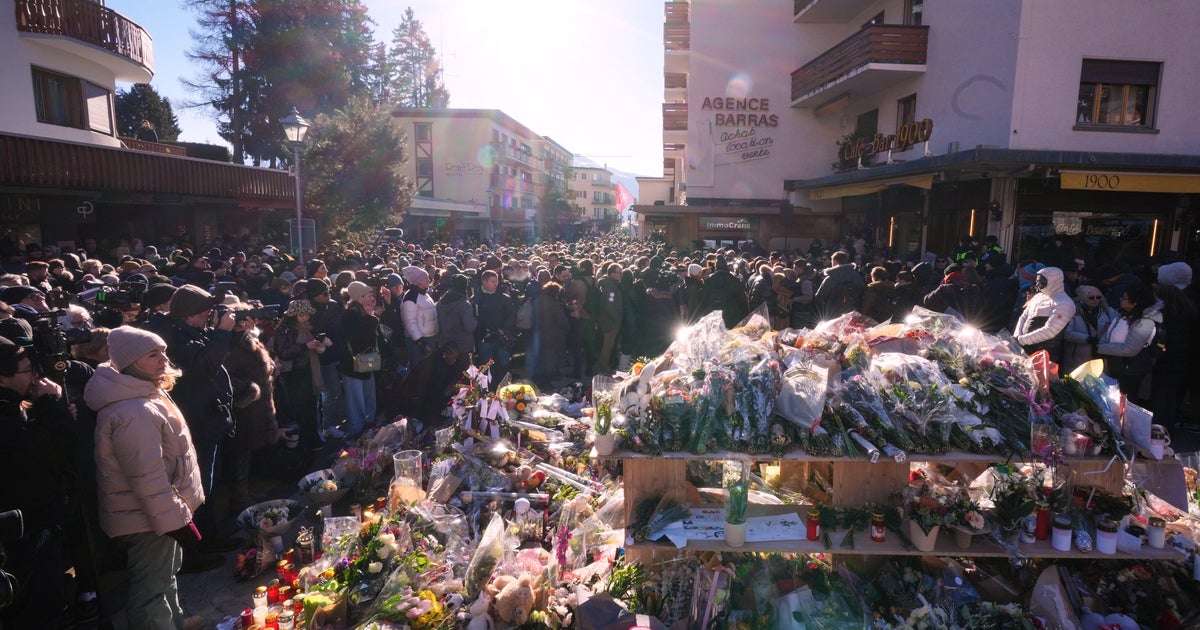
Regulatory compliance catastrophically failed in the deadly Le Constellation bar fire, revealing profound systemic weaknesses in Switzerland's local safety oversight mechanisms. The tragic New Year's Eve incident in Crans-Montana exposed a critical breakdown in municipal safety protocols, where a popular entertainment venue operated without proper inspections for five consecutive years.
The regulatory failure manifested through multiple critical vulnerabilities. Municipal authorities, including Mayor Nicolas Feraud, acknowledged significant oversight lapses that directly contributed to the devastating outcome. The bar had not undergone mandatory safety checks since 2019, contrary to required annual inspections. Prosecutors identified key risk factors, including pyrotechnic use and potentially hazardous sound-insulating foam materials that accelerated the fire's spread.
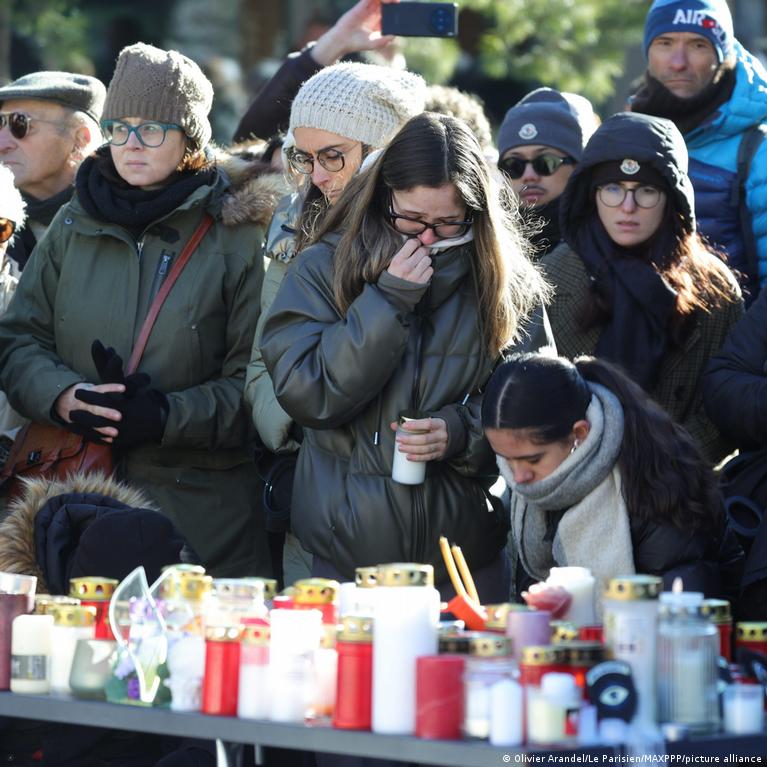
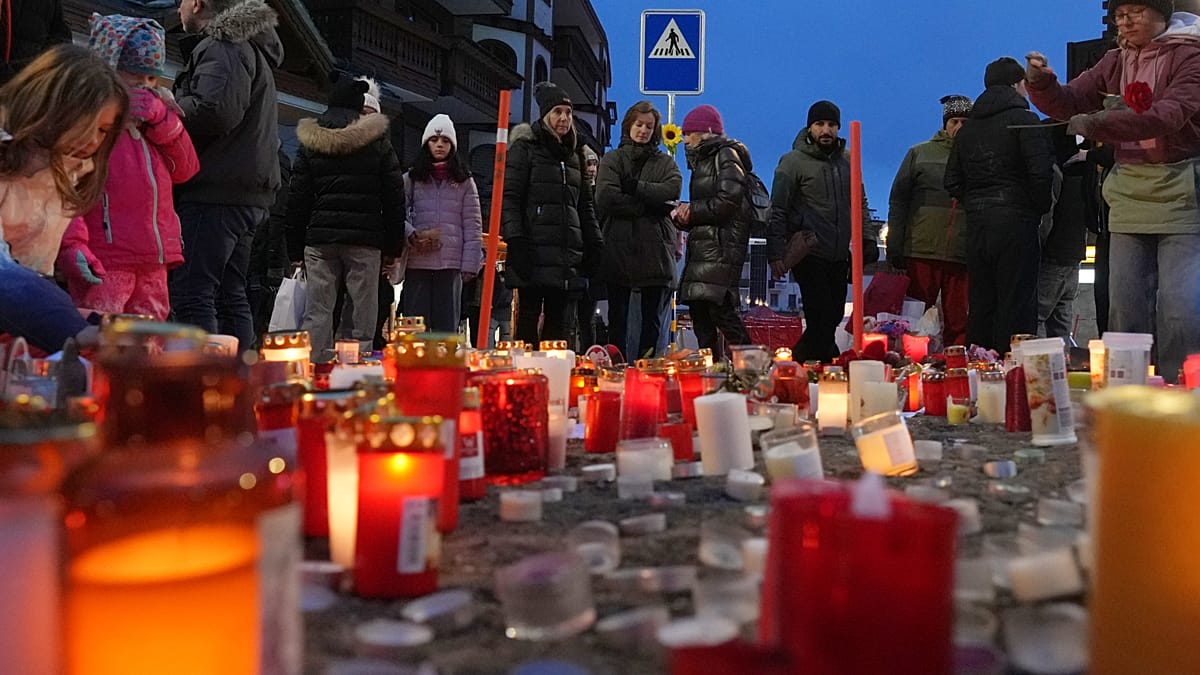
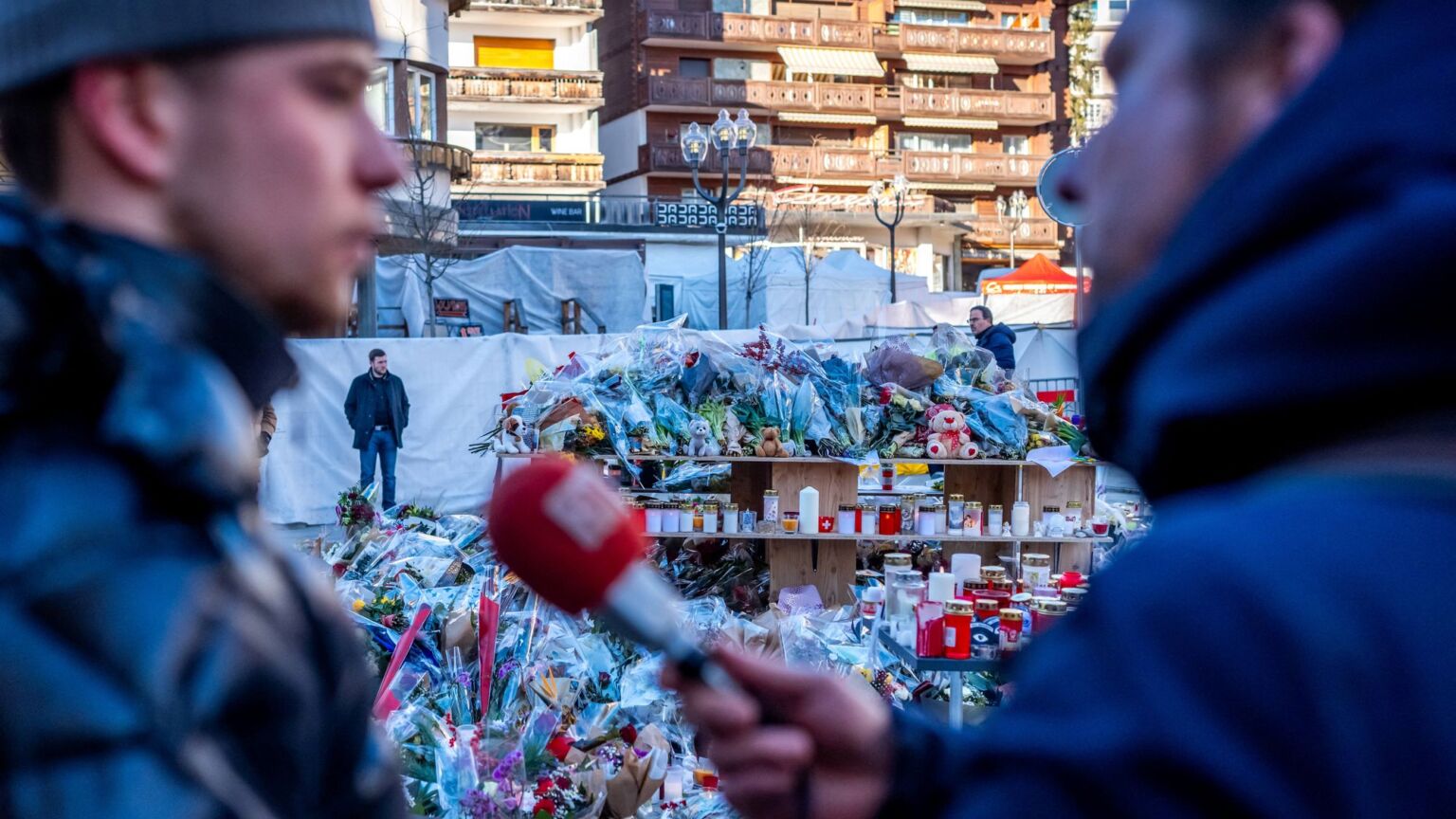
The human cost of these regulatory failures is staggering. The incident claimed 40 lives and injured 116 people, with victims predominantly young individuals aged 14-39. Twenty victims were minors, underscoring the profound tragedy resulting from inadequate safety management. The injured population represented a multinational group, including 68 Swiss citizens, 21 French nationals, and 10 Italians, highlighting the incident's international significance.
Immediate regulatory responses are emerging, with local officials implementing urgent measures. These include an outright ban on pyrotechnics in enclosed spaces and a commitment to more rigorous annual safety reviews. The criminal investigation targeting bar owners Jacques and Jessica Moretti signals a potential legal reckoning for systemic negligence.
The case dramatically illustrates the critical importance of consistent safety inspections and proactive risk management. Stakeholders must now critically examine the fragmented nature of Switzerland's safety regulation system, where cantons set standards but municipalities implement oversight. This structural weakness creates dangerous regulatory gaps that can compromise public safety with potentially catastrophic consequences.
Monitor emerging regulatory reforms, reassess entertainment venue safety protocols, and develop more robust, centralized inspection mechanisms to prevent similar tragedies in the future.
Questions 5
What immediate actions have local authorities taken in response?
Local officials have implemented an immediate ban on pyrotechnics in enclosed spaces, committed to more rigorous annual safety reviews, and launched a criminal investigation against the bar's owners for potential negligent manslaughter and arson.
What regulatory failures contributed to the bar fire?
The bar had not been inspected for five years, violating required annual safety checks. Switzerland's distributed political system, where cantons set regulations but municipalities implement them, created dangerous oversight gaps that compromised public safety.