


)
Digital Gatekeeping: Australia's Bold Crusade to Rewrite Social Media's Rules for Child Protection
- A landmark regulatory experiment challenging Big Tech's unchecked digital ecosystem






















































Overview
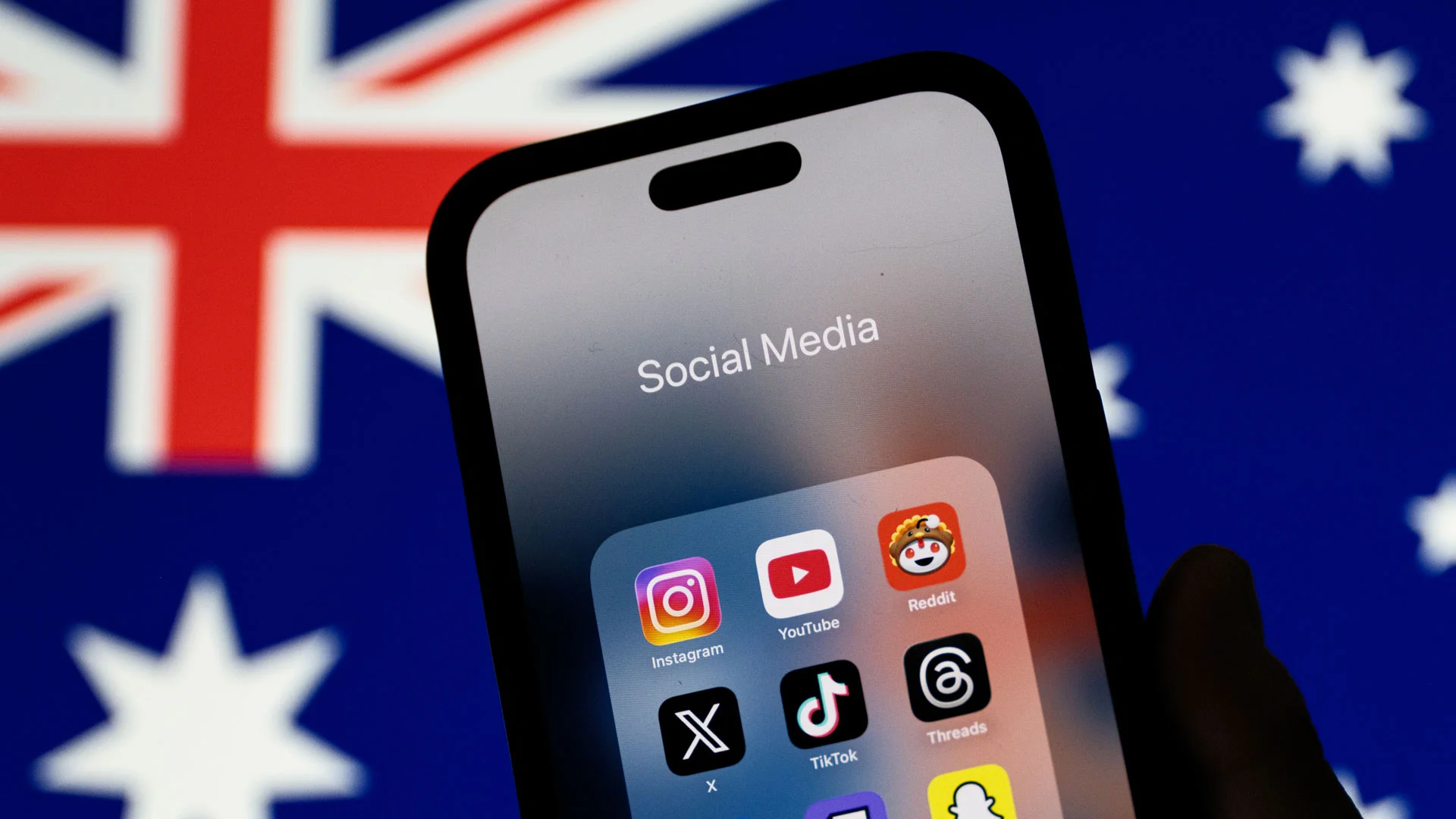
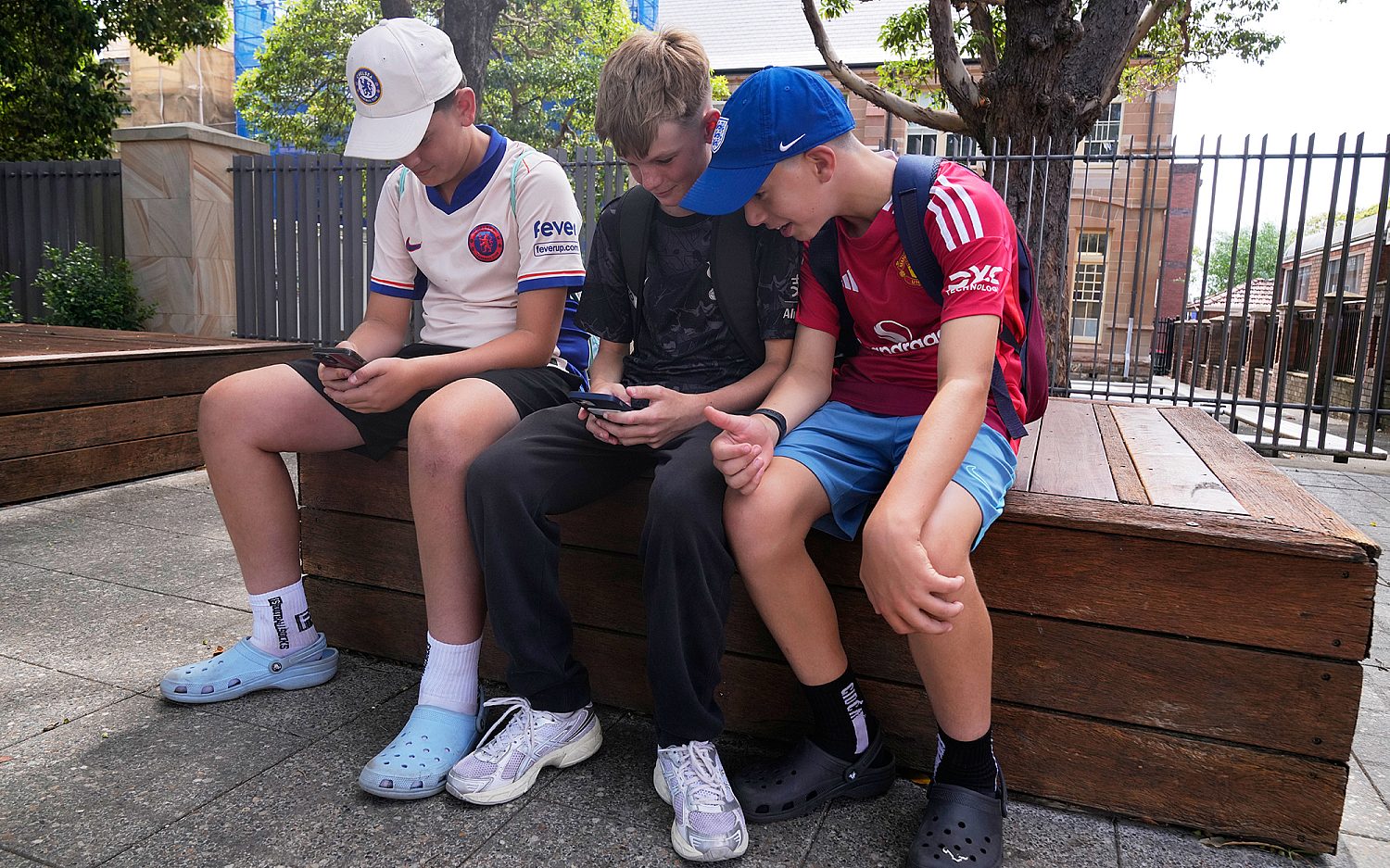
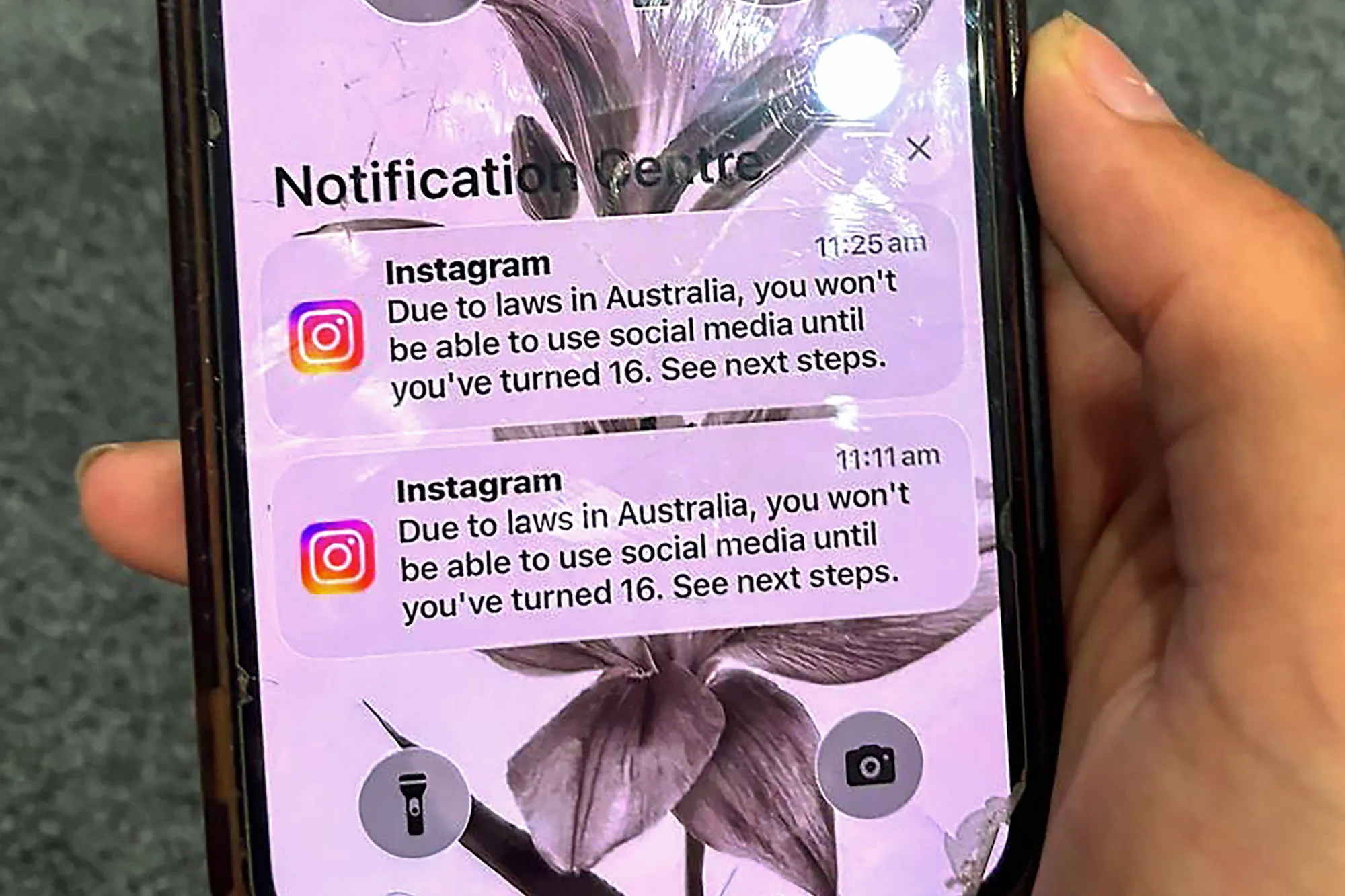
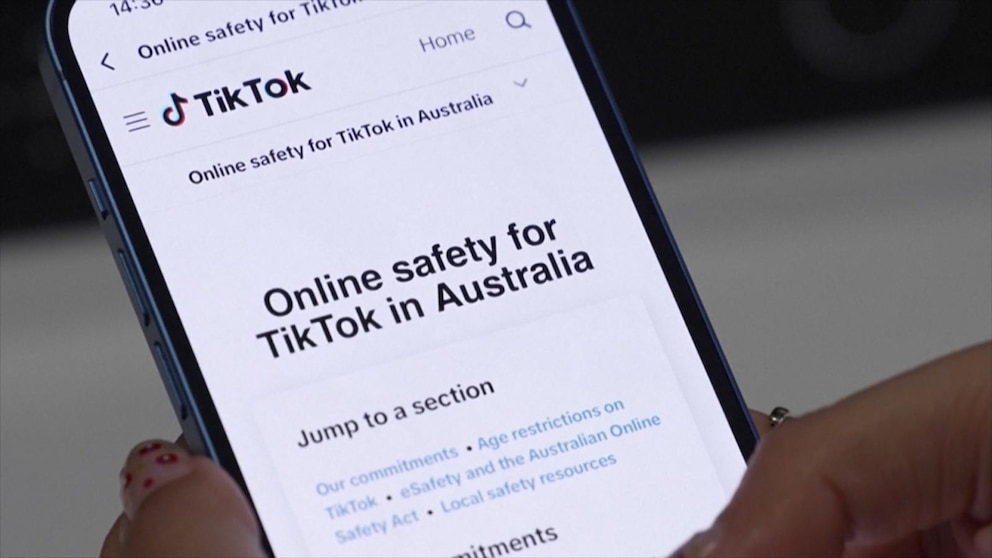
In a groundbreaking move that could reshape global digital governance, Australia is pioneering an unprecedented social media regulatory framework that directly challenges the operational models of tech giants. Effective December 10th, the country has implemented the world's first comprehensive social media ban for users under 16, targeting major platforms like Facebook, Instagram, TikTok, YouTube, and X.
The policy emerges from alarming research revealing that 70% of children aged 10-15 have encountered potentially harmful online content, with 75% experiencing such material on social media platforms. This isn't just a policy—it's a strategic intervention treating social media companies as "extractive industries" that require active governmental oversight.
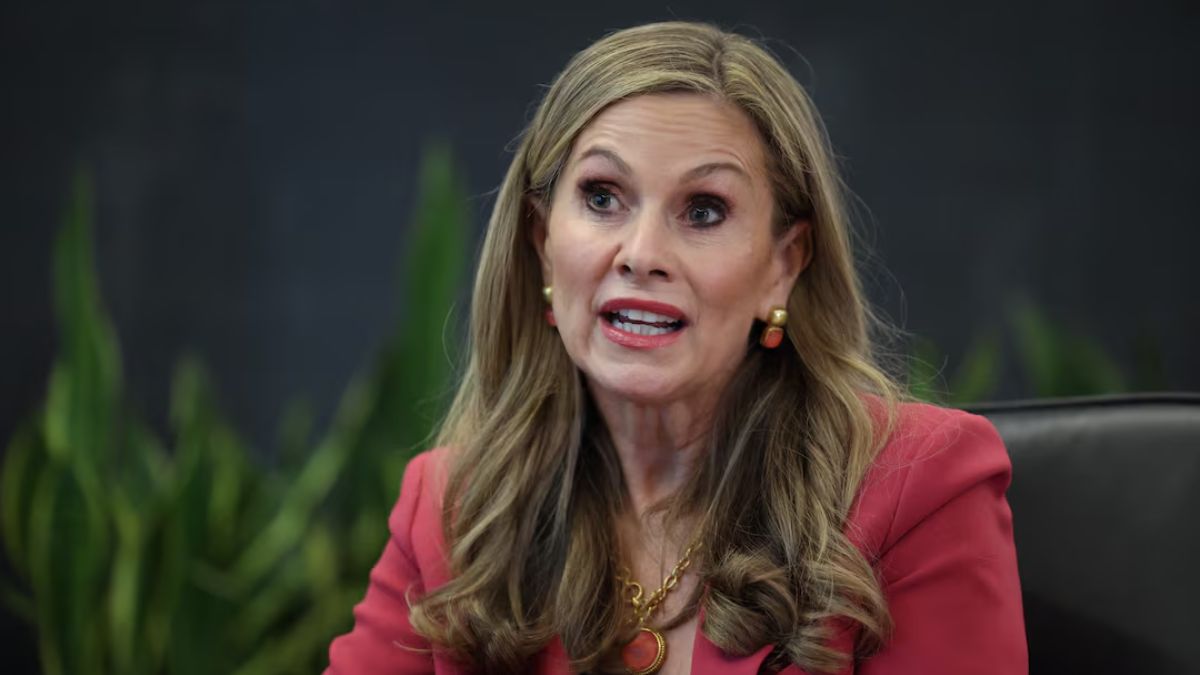
At the center of this regulatory revolution is Julie Inman Grant, Australia's eSafety Commissioner, who has become a lightning rod for both support and controversy. Her efforts have drawn significant pushback, including over 73,694 negative mentions on X and direct confrontation with influential figures like Elon Musk. Despite the intense criticism, Inman Grant represents a new breed of digital policymaker willing to create deliberate "friction" in the tech ecosystem.
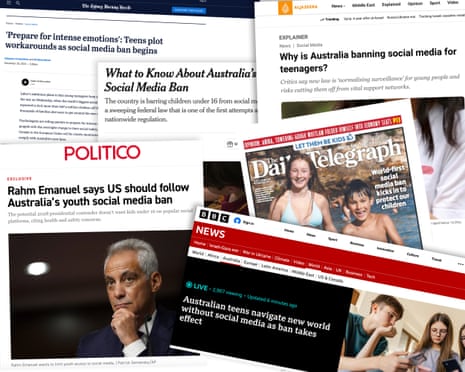
The implications extend far beyond Australia. With 77% of Australians supporting the ban and the European Parliament already considering similar measures, this represents a potential global inflection point in digital platform governance. Countries like Denmark, Norway, France, and New Zealand are closely monitoring this experiment, suggesting a broader trend of reimagining digital rights and child protection.
Critically, this isn't just about restricting access—it's about challenging the fundamental algorithmic architectures that expose children to misogyny, violence, and harmful content. By requiring robust age-verification methods including facial estimation and ID uploads, Australia is forcing platforms to fundamentally rethink their engagement models.
The policy signals a profound shift: from passive platform neutrality to active protection, treating digital spaces with the same regulatory scrutiny we apply to physical environments. For digital marketers, e-commerce platforms, and tech companies, this represents more than a regional regulation—it's a potential blueprint for a new, more responsible digital ecosystem.
Questions 3
What makes Australia's social media ban unique compared to previous digital regulations?
Unlike previous approaches, Australia's ban is comprehensive and proactive, targeting all major social platforms and requiring active age verification. It treats social media platforms as 'extractive industries' that must be regulated, not just monitored, representing a fundamental shift from passive oversight to active protection.
How might this regulation impact global social media platform strategies?
Platforms will likely need to develop more sophisticated age verification technologies, redesign algorithmic content recommendation systems, and potentially create separate, more controlled environments for younger users. This could accelerate investment in child-safe digital experiences across the global tech ecosystem.