


Venezuela's Nobel Moment: Democracy's Global Stage and Cultural Resistance
- International recognition transforms Venezuela's political narrative through symbolic cultural diplomacy











Overview
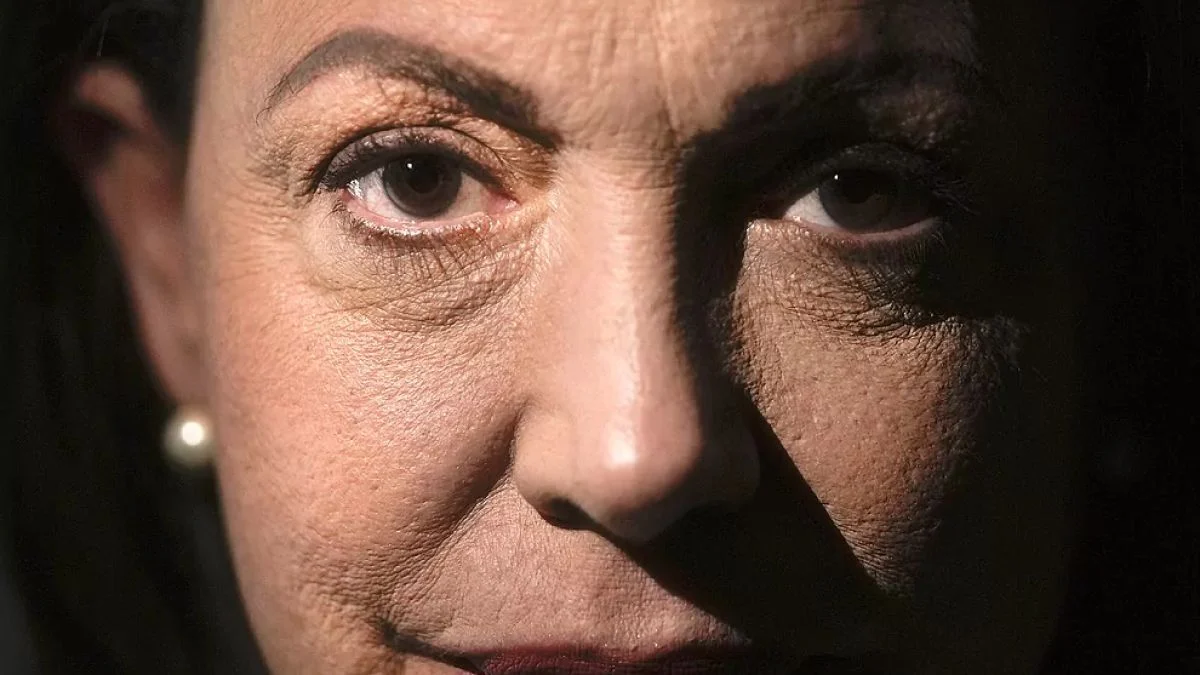
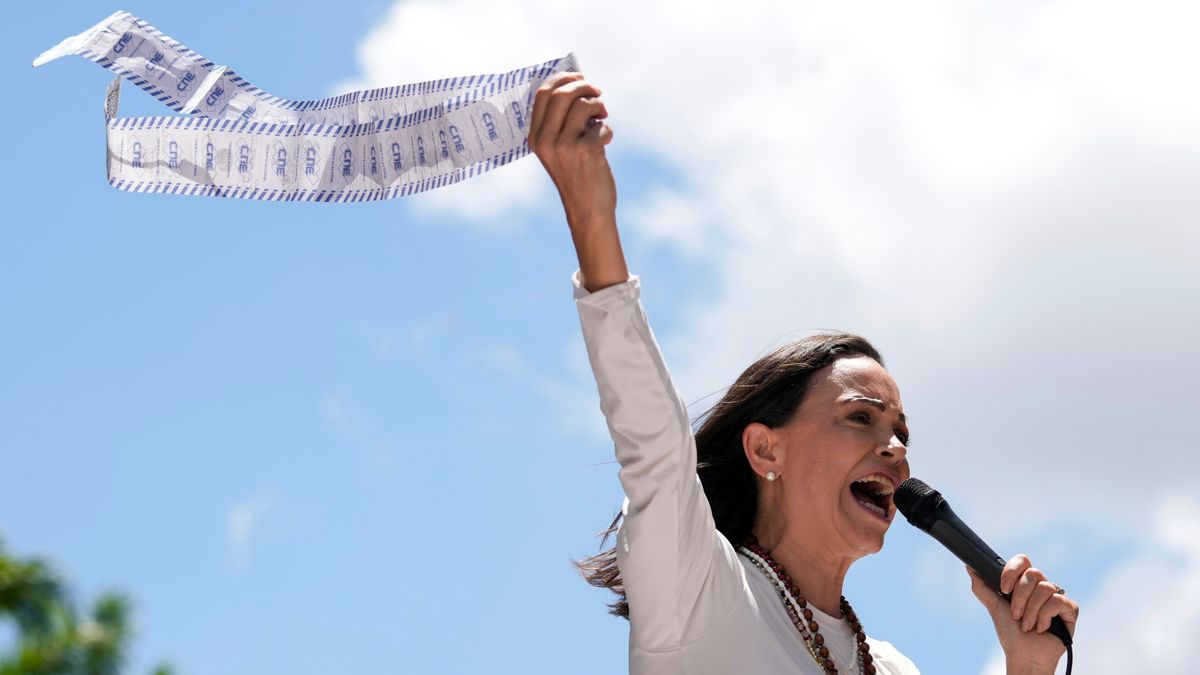
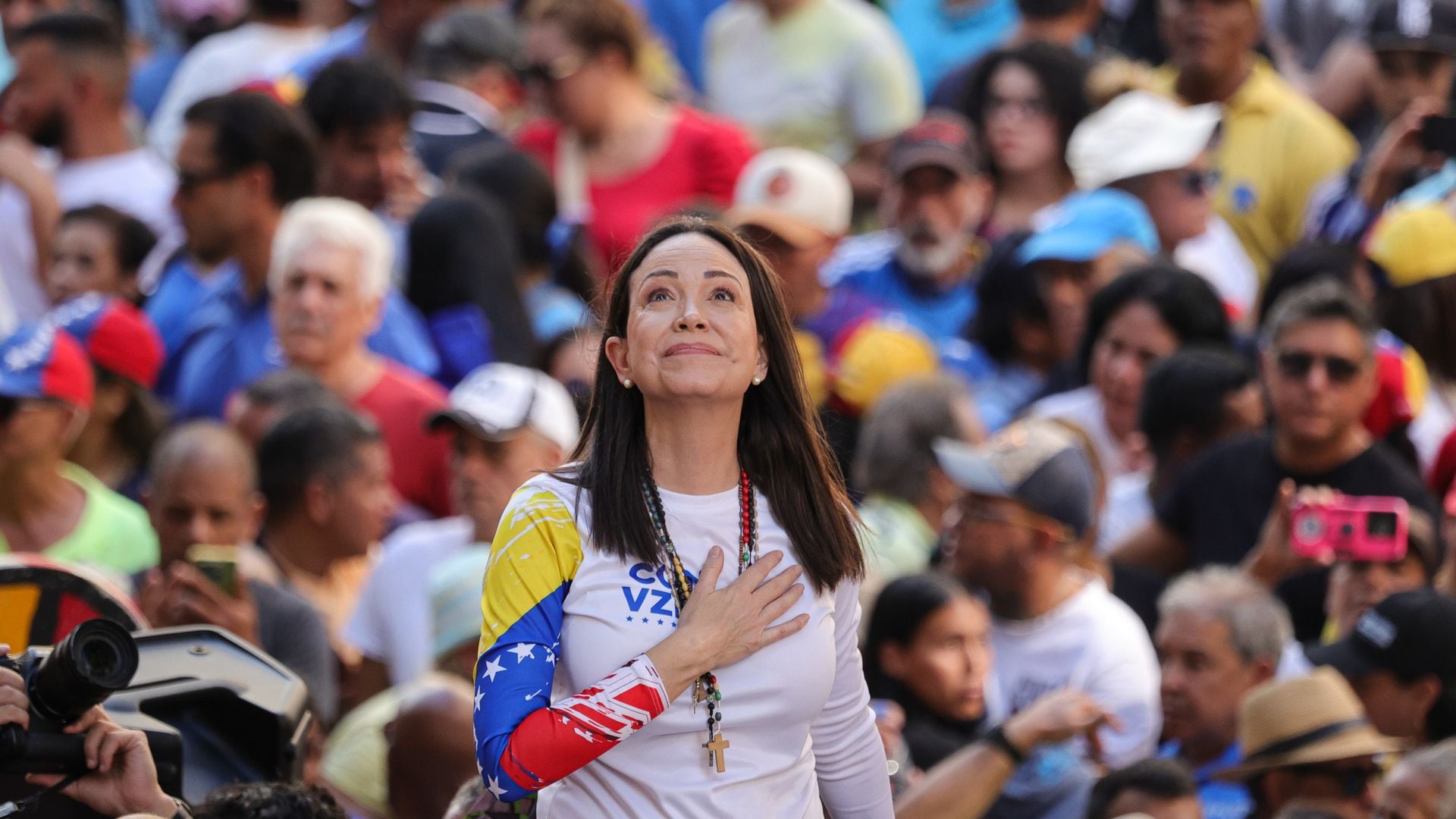
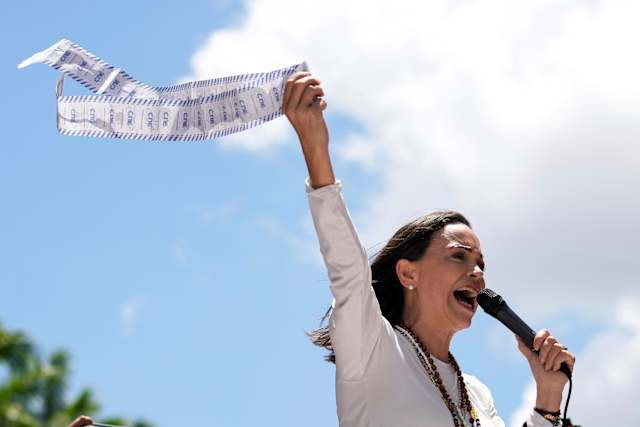
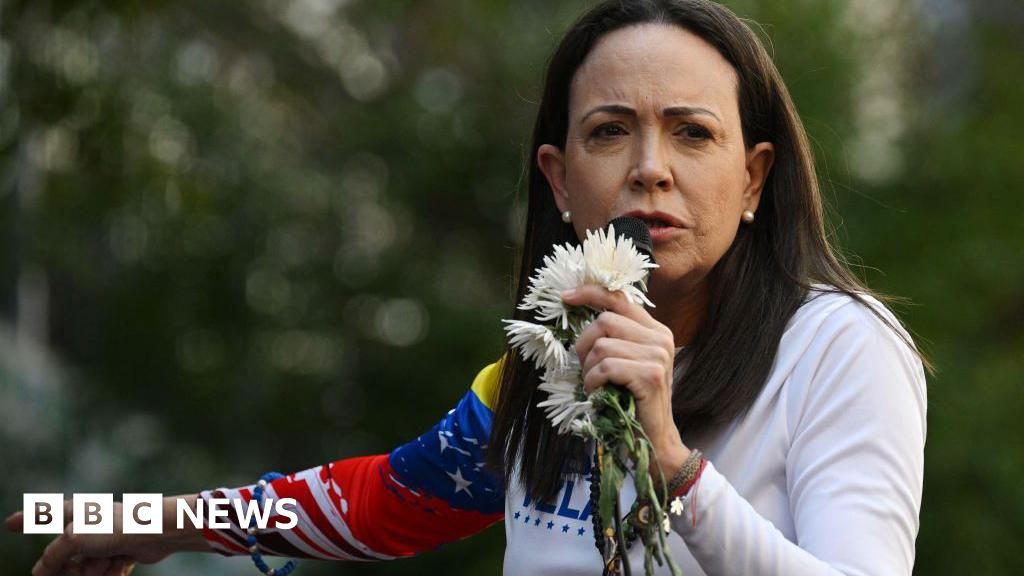
The Nobel Peace Prize ceremony represents a pivotal moment of international political theater, where María Corina Machado's struggle against the Nicolás Maduro regime transcends Venezuela's borders through a powerful narrative of resistance and cultural expression. At the heart of this unfolding drama lies a complex geopolitical landscape where music, performance, and international recognition become weapons of democratic advocacy.
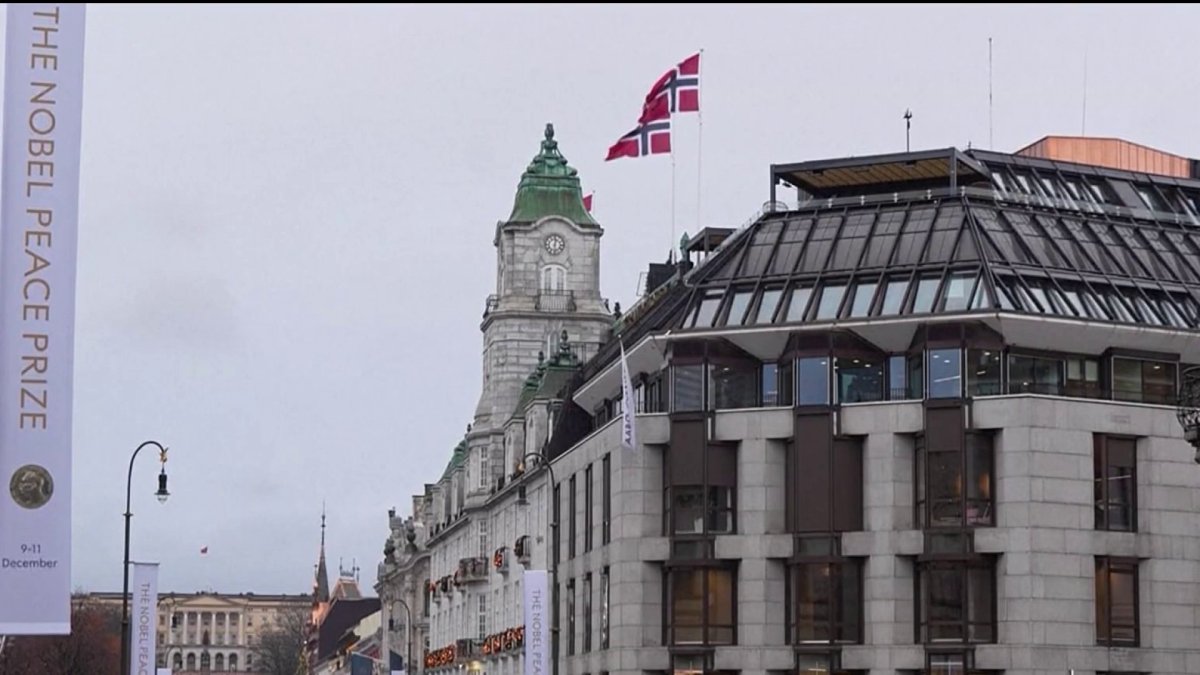
Machado's uncertain attendance at the December 10, 2025 ceremony in Oslo symbolizes the high-stakes political tension. With the Venezuelan government threatening to declare her a 'fugitive' if she leaves the country, her potential appearance becomes more than a personal journey—it's a strategic statement of democratic resilience. The government's aggressive stance, including accusations of 'conspiracy' and 'terrorism', underscores the regime's vulnerability to international scrutiny.
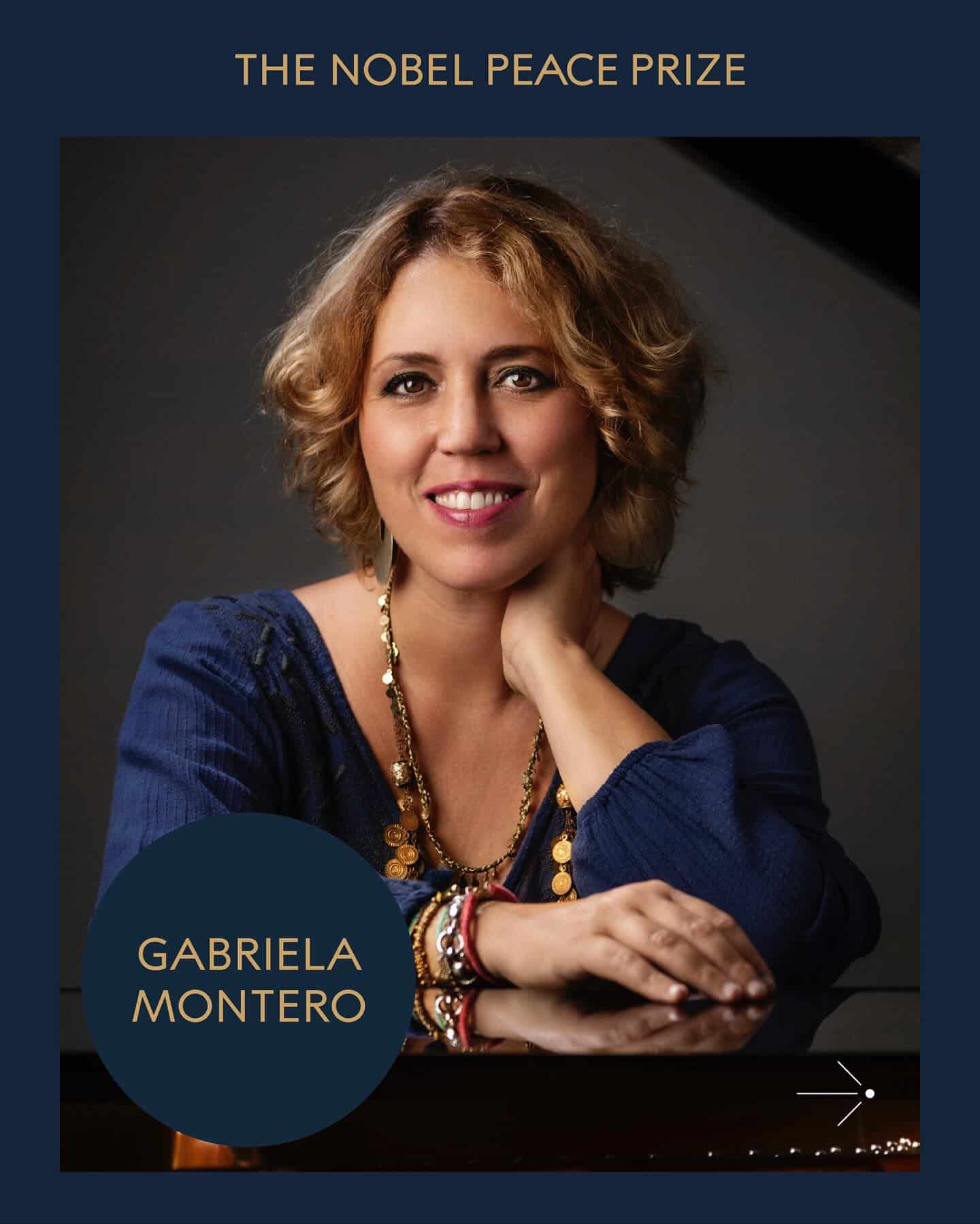
The ceremony's cultural dimension adds remarkable depth to this political confrontation. Artists like Gabriela Montero and Danny Ocean are transforming the Nobel platform into a powerful communication channel. By performing improvised music and symbolic performances, they're weaponizing cultural expression to amplify Machado's message. This approach demonstrates how creative professionals can become critical actors in political narratives, using international stages to challenge authoritarian narratives.
Critically, the event signals a generational shift in political resistance. The involvement of younger artists like Danny Ocean suggests that Venezuela's democratic movement is not just a political struggle but a cultural renaissance. International recognition through the Nobel Prize provides a global megaphone for voices traditionally marginalized by the Maduro regime.
For international observers and potential market actors, this moment reveals the intricate connections between political stability, cultural expression, and potential economic transformation. The ceremony becomes a litmus test for Venezuela's future, suggesting that democratic aspirations might create unexpected opportunities for cultural and potentially economic renewal.
Questions 3
How are artists contributing to Venezuela's political narrative?
Artists like Gabriela Montero and Danny Ocean are using cultural platforms, particularly the Nobel ceremony, to amplify political messages. By performing symbolic music and participating in the event, they're turning artistic expression into a form of political resistance and international communication.
What are the potential economic implications of this international recognition?
The Nobel ceremony could signal potential political transformation, which might create new opportunities for economic renewal. International recognition could attract global attention, potentially opening diplomatic and economic channels that have been previously constrained by political tensions.