


Gaza Ceasefire Teeters on Diplomatic Tightrope: International Pressure Mounts for Sustainable Peace
- Fragile Truce Reveals Complex Geopolitical Dynamics Challenging Conflict Resolution

















Overview
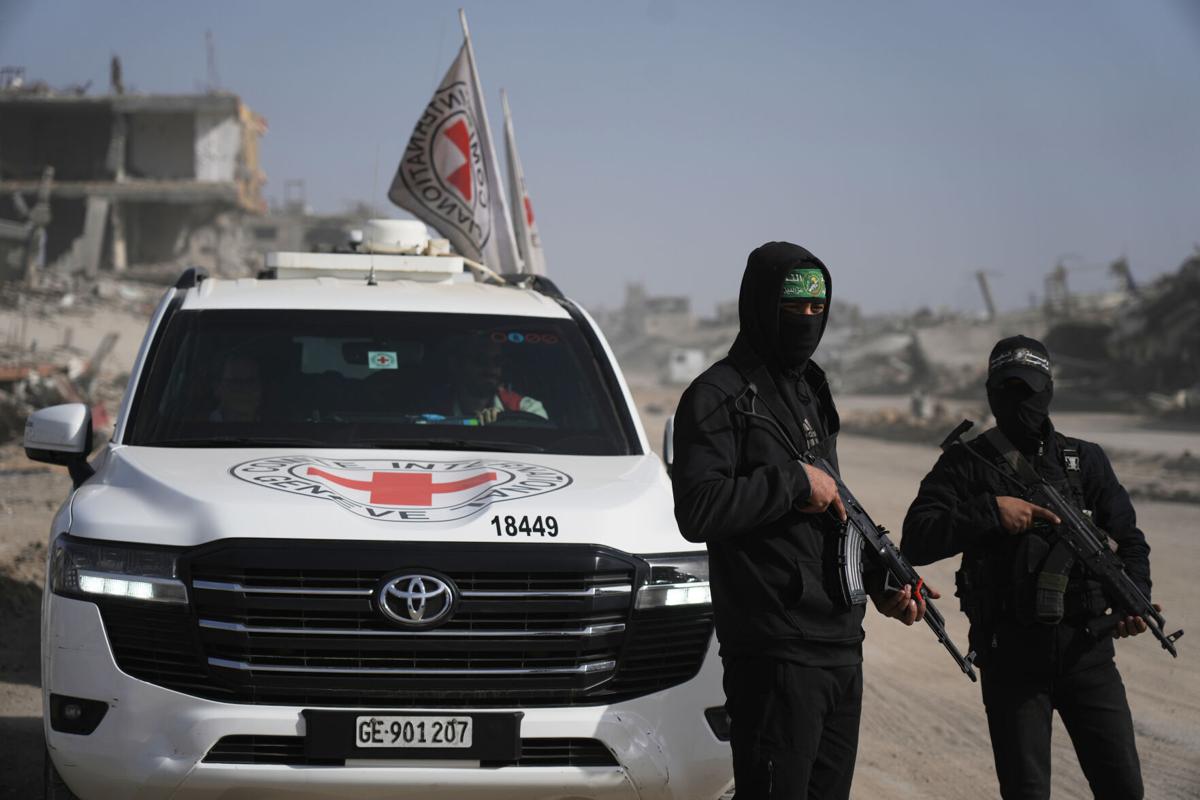
The ongoing Israel-Hamas conflict has reached a critical inflection point, where diplomatic maneuvering and international intervention are becoming increasingly pivotal in determining the potential for sustainable peace. Diplomatic tensions are escalating as Hamas strategically leverages international opinion to pressure Israel, highlighting the complex geopolitical landscape of the Gaza conflict.
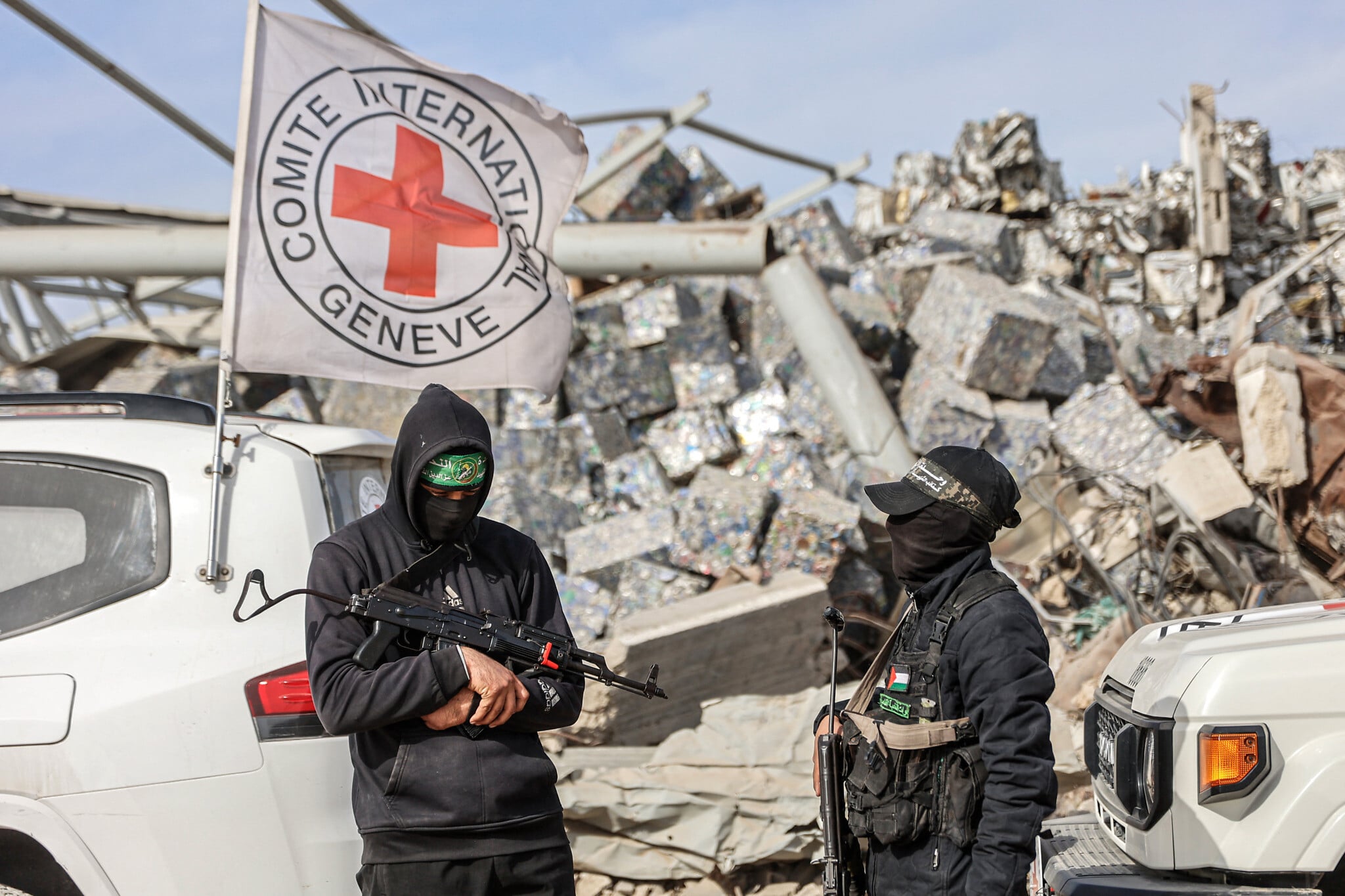
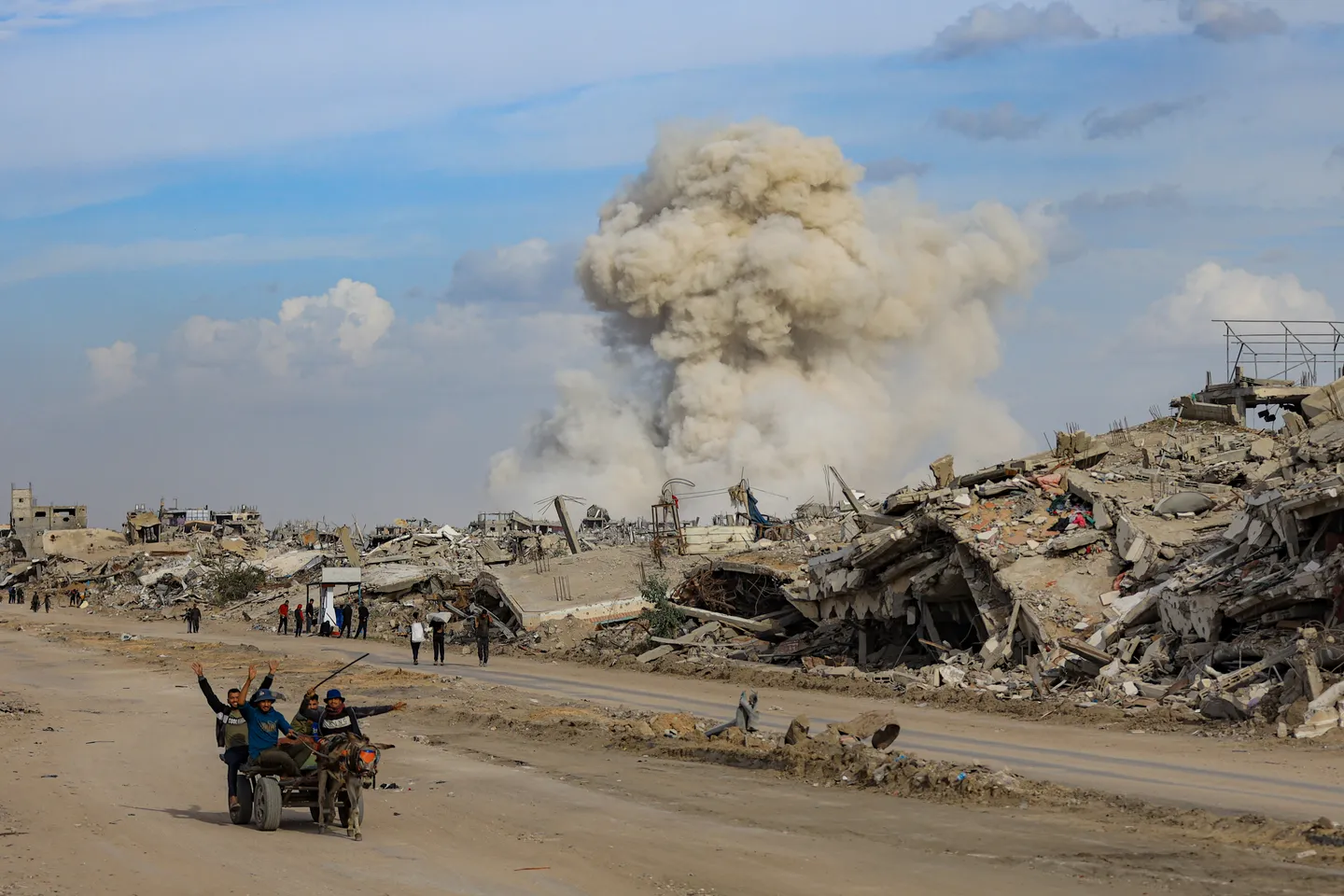
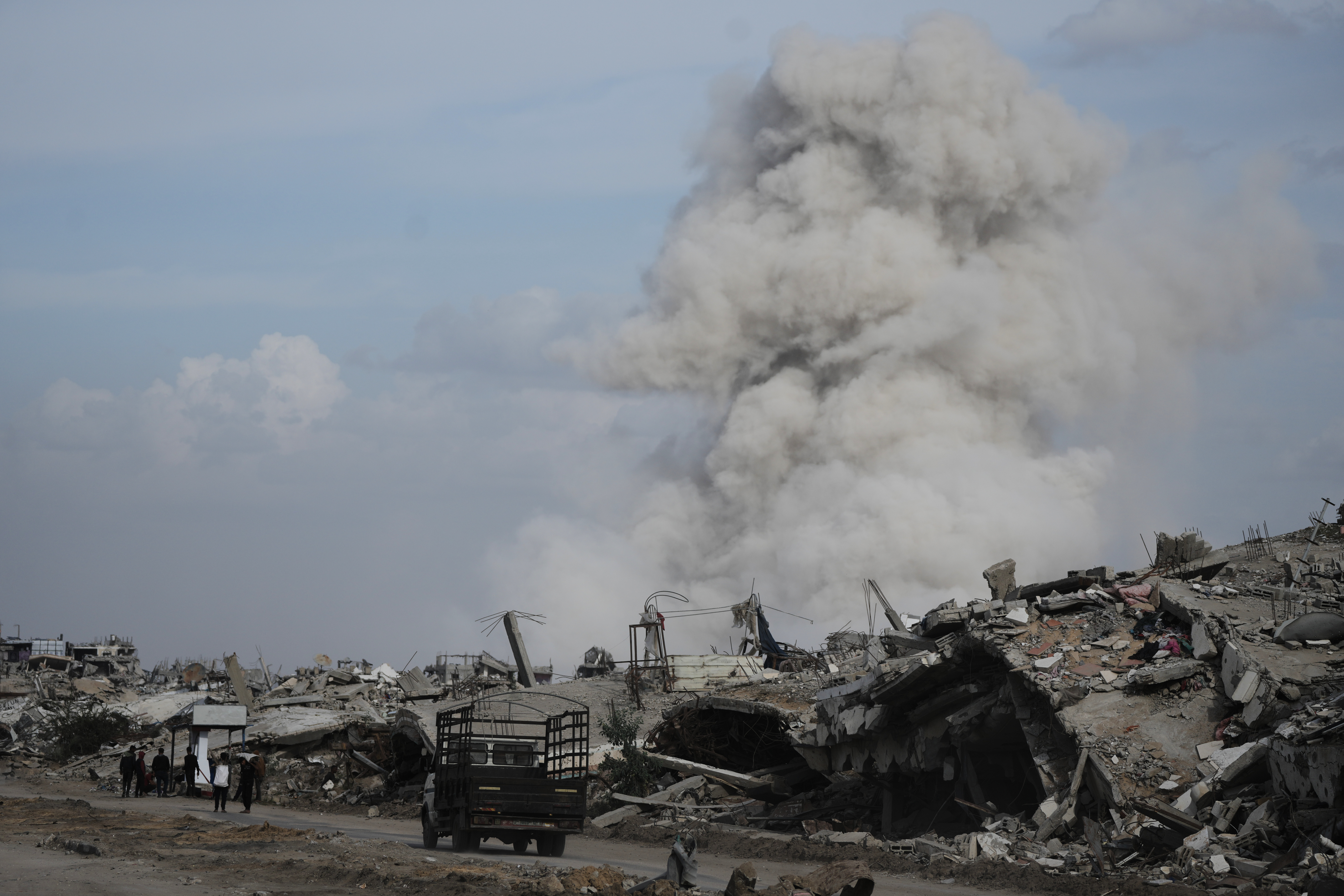
The current ceasefire reveals a precarious balance of power and negotiation dynamics. Hamas claims Israel has violated the ceasefire agreement 738 times, resulting in 377 Palestinian deaths and 987 wounded, a statistic that underscores the fragility of the current diplomatic arrangement. The US-backed peace plan, endorsed by the UN Security Council, presents an ambitious framework requiring Israel's complete withdrawal from Gaza and Hamas's disarmament—a goal that seems increasingly challenging given the current territorial realities.
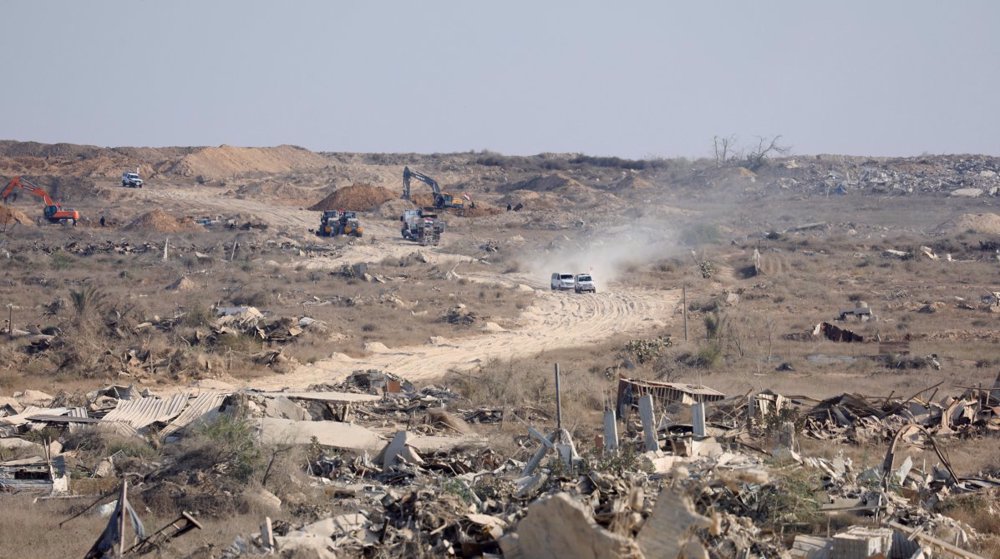
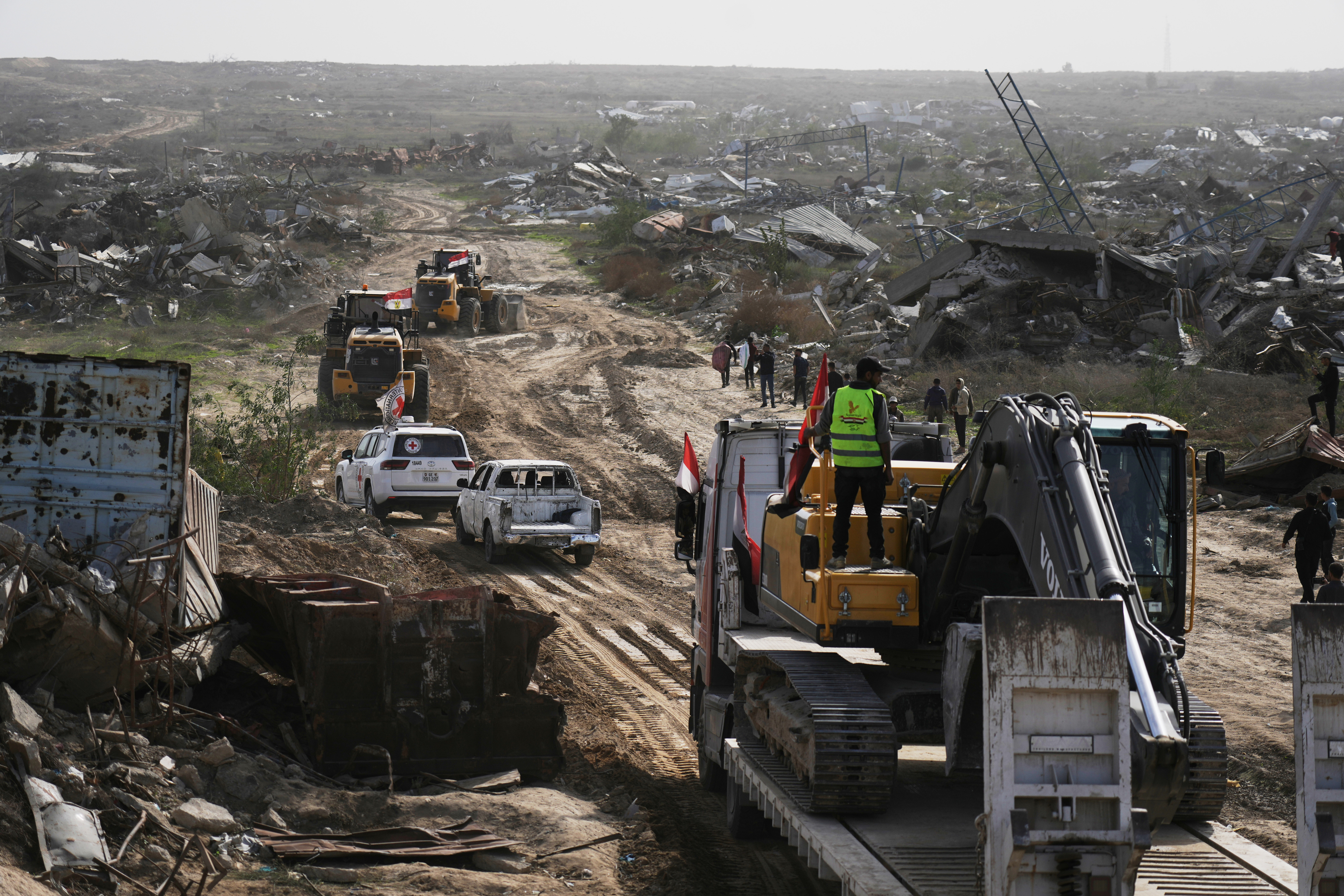
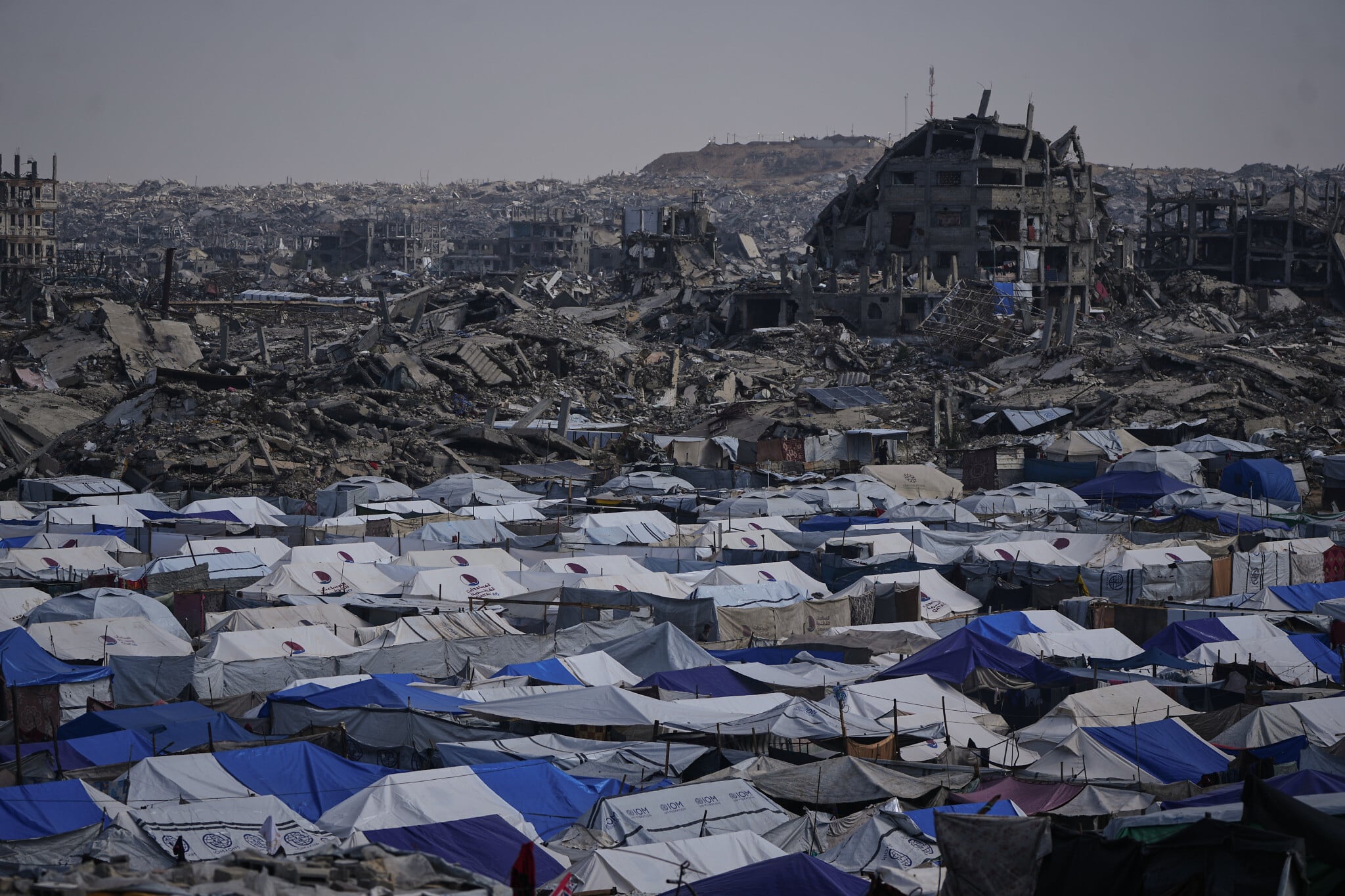
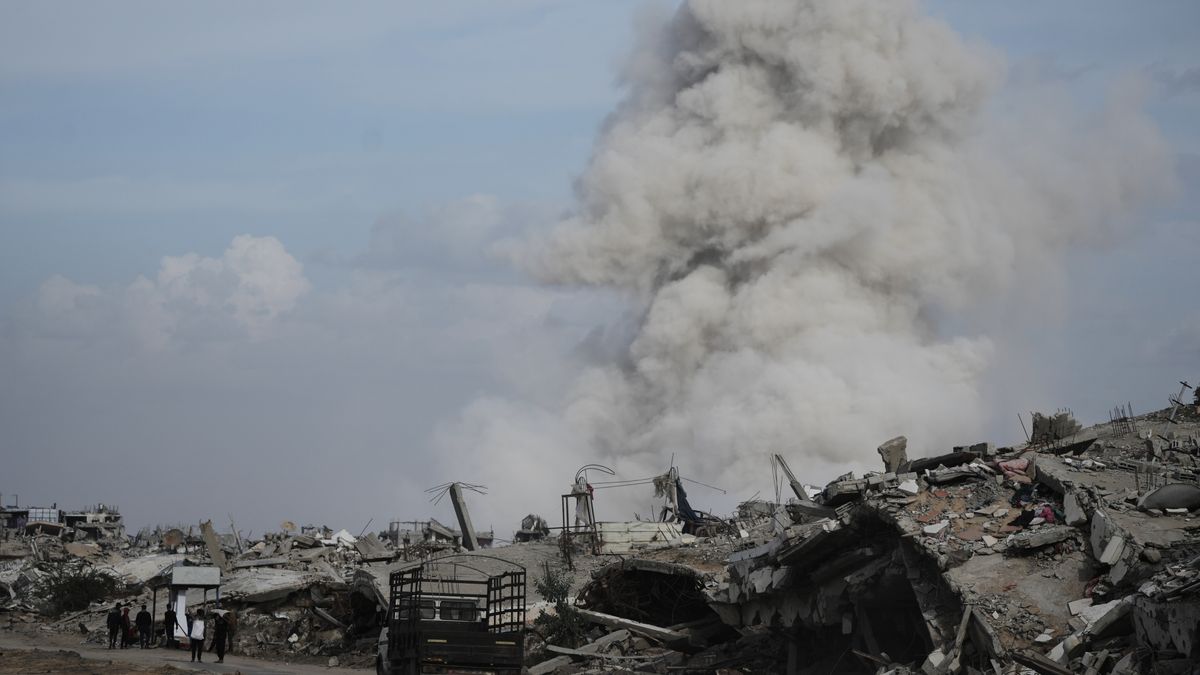
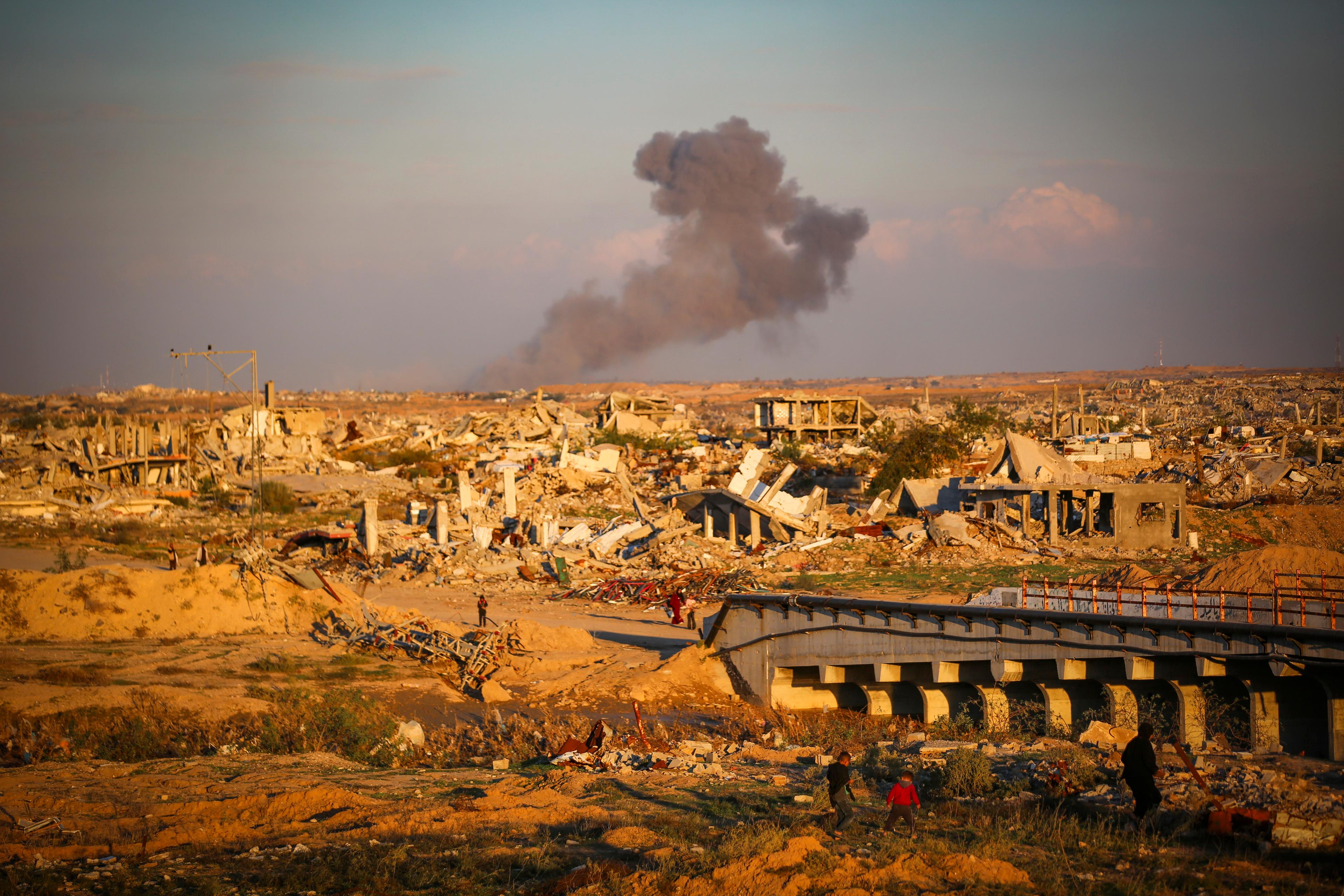
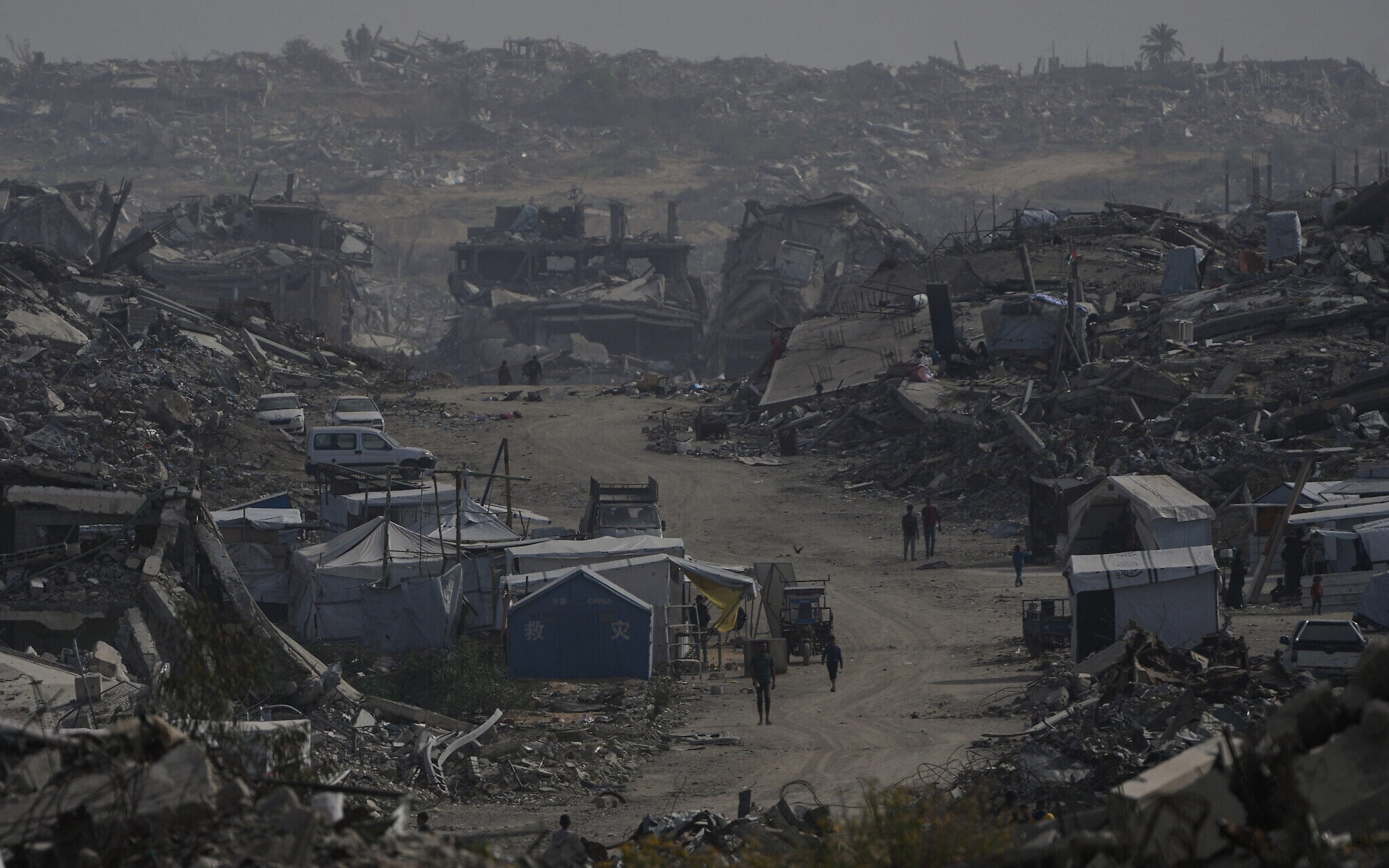
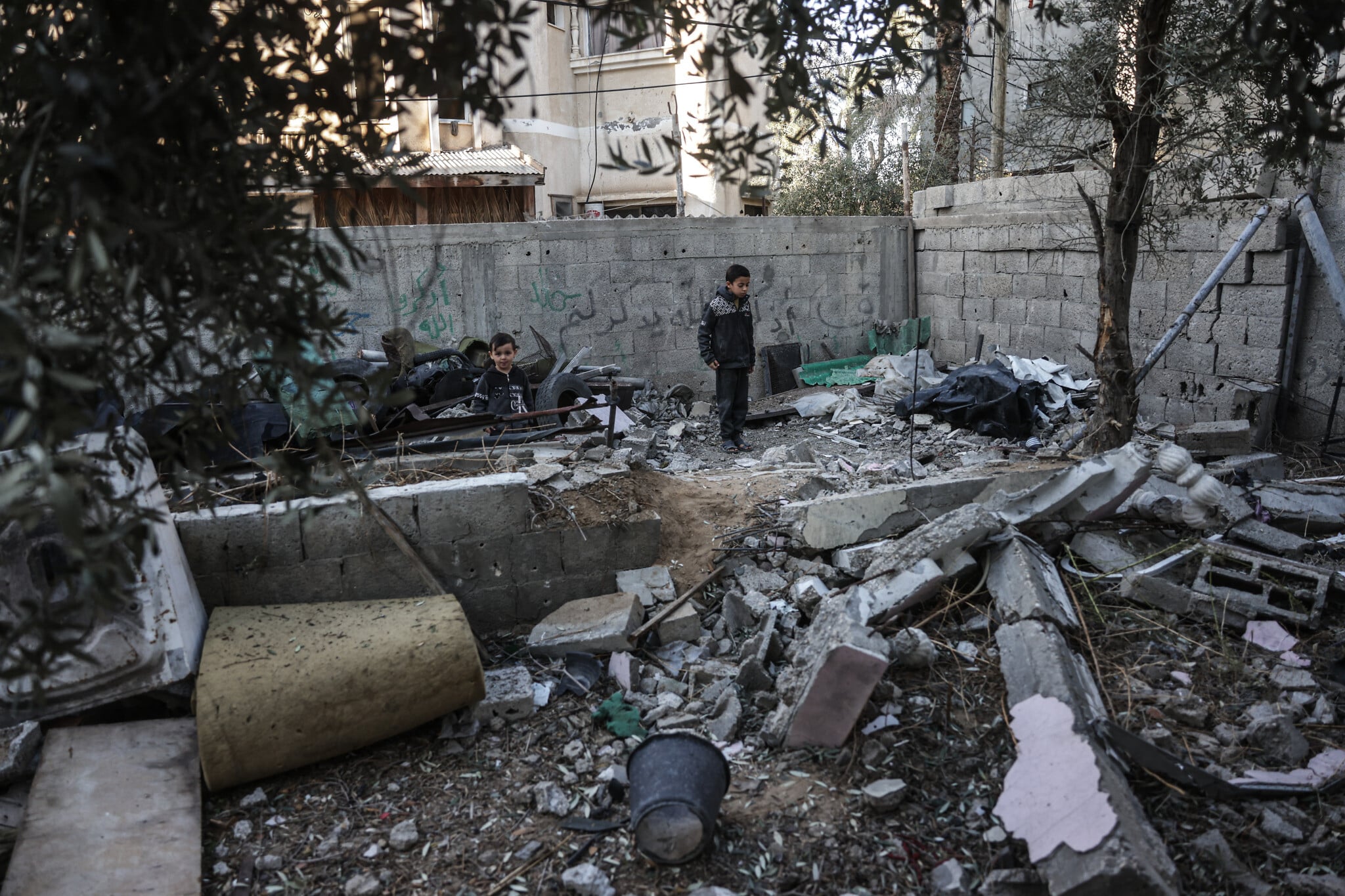
Critically, Israeli forces still occupy approximately 58% of Gaza territory, with ongoing military actions in key areas like Khan Younis and Beit Lahiya. The human cost is staggering: 70,366 Palestinians and 1,139 Israelis have been killed since the conflict's escalation, creating a humanitarian crisis that demands urgent international attention. The proposed international stabilization force, expected to be deployed in early 2026, represents a potential turning point—but its success hinges on delicate negotiations about force composition, command structure, and engagement rules.
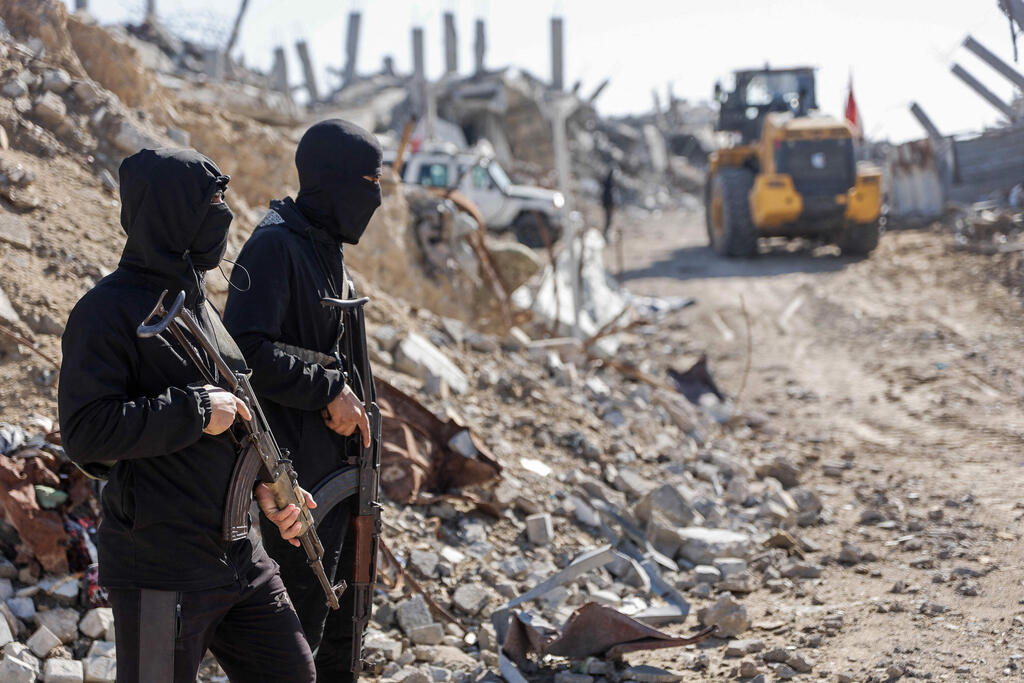
The diplomatic chess match extends beyond military considerations. Hamas is actively seeking increased international pressure, positioning itself as a key stakeholder in potential peace negotiations. The reopening of crossings like Allenby, coupled with discussions about forming a local police force in Gaza, suggests incremental steps toward potential stabilization. However, the underlying tensions remain profound, with both sides presenting fundamentally different interpretations of the ceasefire terms.
Strategic implications are clear: sustainable peace requires more than military disengagement. It demands a comprehensive approach that addresses territorial claims, humanitarian concerns, and the deep-rooted political complexities that have sustained this long-standing conflict.
Questions 3
What are the key challenges in implementing the current ceasefire agreement?
The primary challenges include Israel's continued occupation of 58% of Gaza territory, persistent ceasefire violations (738 claimed by Hamas), and fundamental disagreements about troop withdrawal, territorial control, and the proposed international stabilization force's composition and mandate.
How might the proposed international stabilization force impact the conflict?
Scheduled for deployment in early 2026, the force represents a potential diplomatic breakthrough. However, its success depends on resolving complex issues like force composition, command structure, and establishing clear rules of engagement that are acceptable to both Israel and Hamas.