
Japan's E-Commerce Transformation: Regulatory Shifts and Market Expansion Strategy
- Emerging policy landscape reshaping cross-border digital commerce for international sellers
Overview
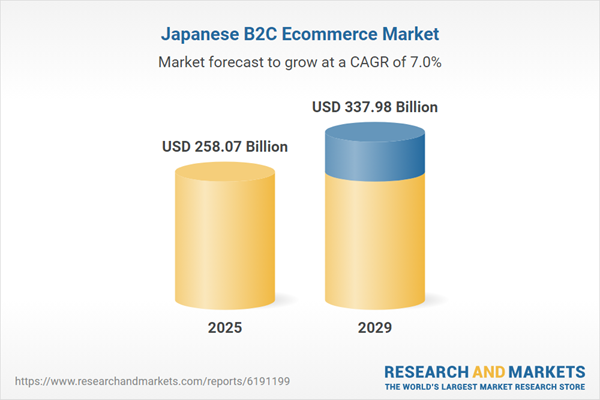
Japan's e-commerce market is undergoing a profound policy-driven transformation, with projected growth from US$239.75 billion in 2024 to US$337.98 billion by 2029, signaling a critical inflection point for digital commerce regulations and market access.
Regulatory scrutiny is becoming the primary driver of market evolution, particularly around cross-border commerce. The emerging policy landscape is compelling domestic platforms to strategically expand their third-party seller ecosystems and enhance product curation. This shift indicates a deliberate approach to managing international market entry, with domestic players proactively adapting to potential regulatory constraints.
Government-supported digital payment initiatives are fundamentally restructuring the e-commerce infrastructure. Retailer-driven QR code payment systems and government initiatives are accelerating digital payment adoption, creating a more integrated and accessible market environment. This policy-driven approach is particularly significant given Japan's aging population, with platforms developing senior-friendly interfaces to ensure broader market participation.
Cross-border marketplaces are experiencing a nuanced policy-enabled expansion, with platforms like Temu and AliExpress gaining traction in low-ticket categories such as apparel accessories and consumer goods. The market is characterized by an intricate balance between regulatory oversight and market openness, presenting strategic opportunities for sellers who can navigate these complex policy dynamics.
Monitor the evolving regulatory landscape closely. Consider developing localized engagement strategies that align with Japan's unique retail ecosystem, focusing on seamless omnichannel experiences and competitive pricing. Watch for emerging compliance requirements that may reshape cross-border e-commerce operating models in the next 12-18 months.
Questions 5
How are convenience stores adapting to the digital commerce trend?
Convenience stores and supermarkets are increasingly integrating digital ordering capabilities, transforming traditional retail infrastructure. This trend represents a strategic shift towards advanced omnichannel retail models that leverage existing physical store networks for rapid fulfillment.
What strategies are domestic e-commerce platforms using to compete?
Domestic platforms like Rakuten, Amazon Japan, and Yahoo! Shopping are expanding third-party seller ecosystems, enhancing product curation, and investing in logistics autonomy, retail media, and loyalty programs to maintain their competitive edge in the market.