


Federal Reserve's Strategic Pivot Signals Global Financial Recalibration
- Monetary Policy Shifts Reveal Deeper Economic Transformation for Global Markets





























Overview
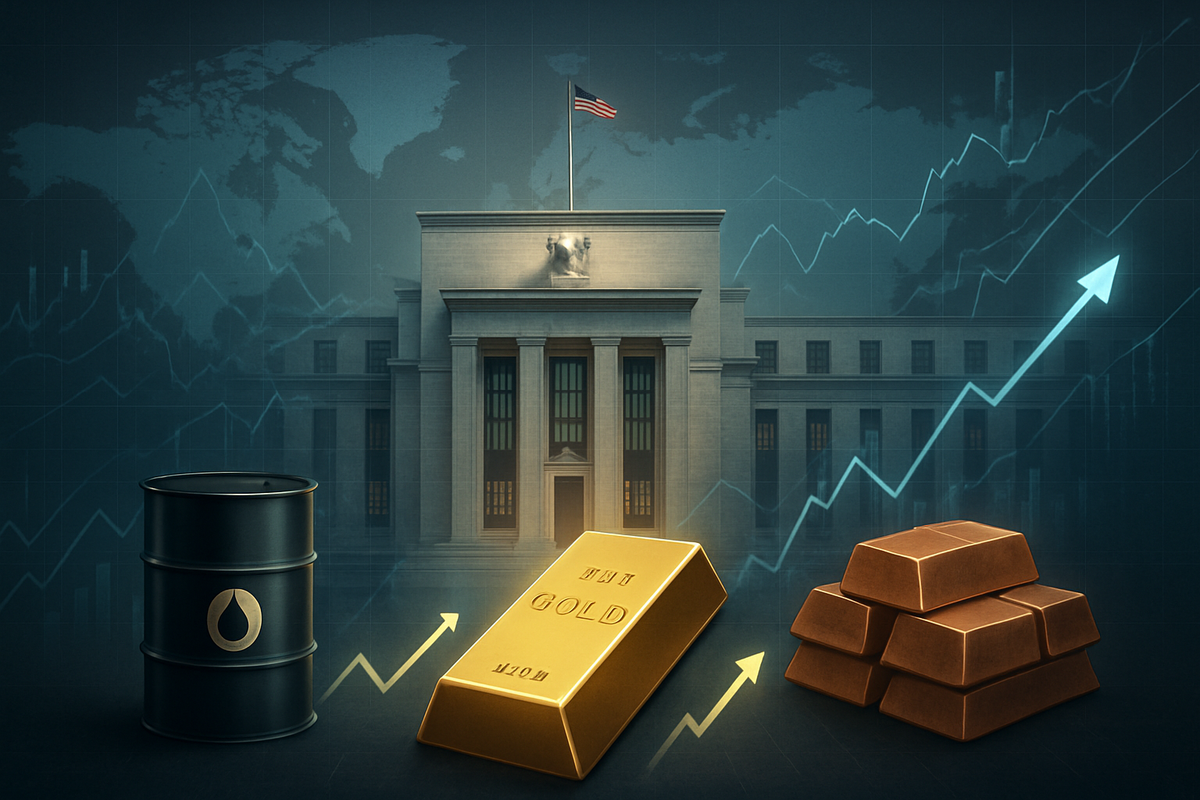
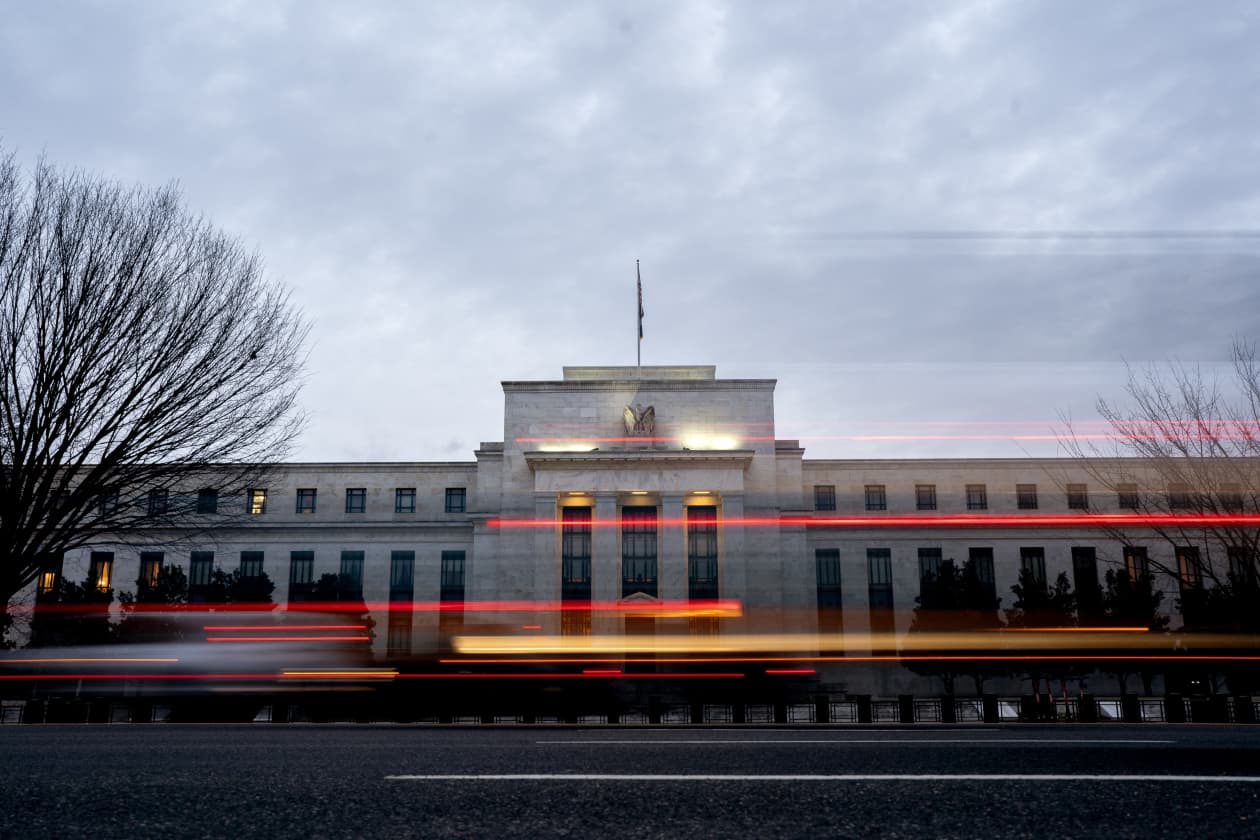
The Federal Reserve's upcoming rate decision represents a pivotal moment of strategic recalibration with far-reaching implications for global financial markets. With an 87.6% certainty of a quarter-point rate cut, the Fed is navigating a complex economic landscape marked by technological disruption and geopolitical tension.
The hawkish cut approach signals a nuanced monetary strategy that goes beyond simple interest rate adjustments. Market participants are witnessing a profound structural transformation driven by multiple interconnected forces. Technological investments are emerging as a critical economic lever, with tech giants like Microsoft committing $17.5 billion to cloud and AI infrastructure, and Amazon pledging over $35 billion by 2030. These massive capital allocations suggest a fundamental reshaping of economic value creation.
Geopolitical dynamics are adding further complexity to this financial recalibration. The U.S.-China technology landscape reveals a critical talent competition, with China producing 3.57 million STEM graduates in 2020 compared to the U.S.'s 820,000. This talent differential hints at potential long-term shifts in technological competitiveness and economic positioning.
The emerging economic narrative is not just about monetary policy, but about strategic repositioning. Corporate adaptability is becoming the key differentiator, as seen in companies like Nvidia navigating complex geopolitical chip export regulations, and JPMorgan preparing for rising costs driven by credit card market competition and AI investments.
Investors and businesses must recognize that we are experiencing more than a cyclical economic adjustment—we are witnessing a fundamental restructuring of global economic architectures, where technological capability, talent pools, and strategic agility will determine competitive advantage.
Questions 3
What does the Fed's 'hawkish cut' mean for investors?
A 'hawkish cut' suggests the Federal Reserve will reduce interest rates while simultaneously signaling caution about future cuts. This means investors should expect measured monetary policy that balances economic stimulus with inflation control, potentially leading to more conservative investment strategies.
How are technological investments reshaping economic landscapes?
Major tech companies are making massive infrastructure investments in AI and cloud technologies, with Microsoft committing $17.5 billion and Amazon pledging $35 billion. These investments indicate a fundamental shift where technological capability is becoming a primary driver of economic value and competitive advantage.