



Silver's Explosive Rally: How Monetary Policy and Tech Demand Are Reshaping Commodity Markets
- Unprecedented price surge signals major shifts in investment strategies and industrial supply chains














Overview
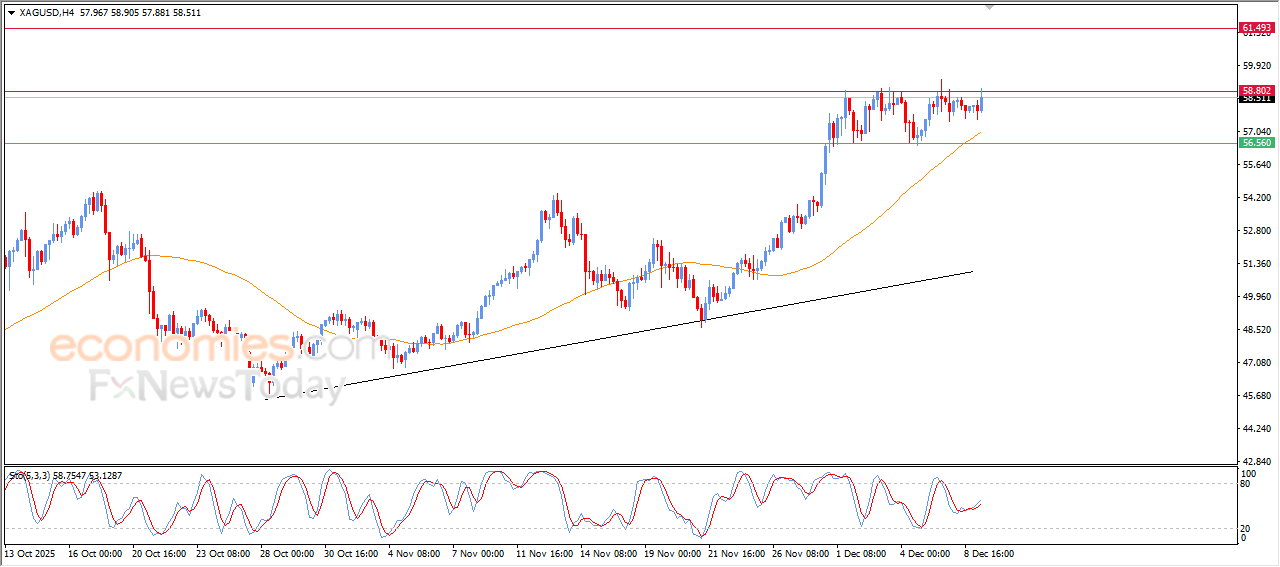
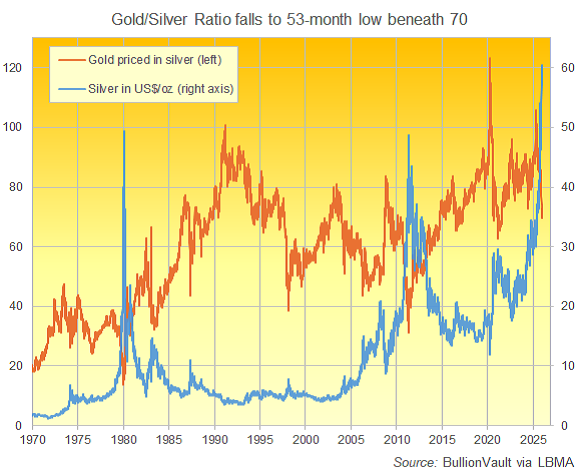
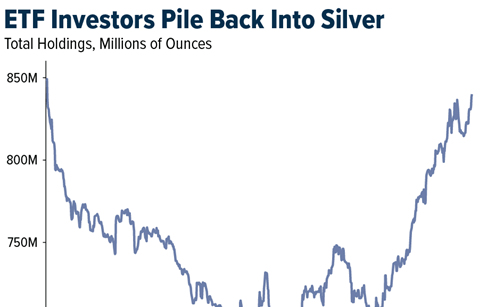
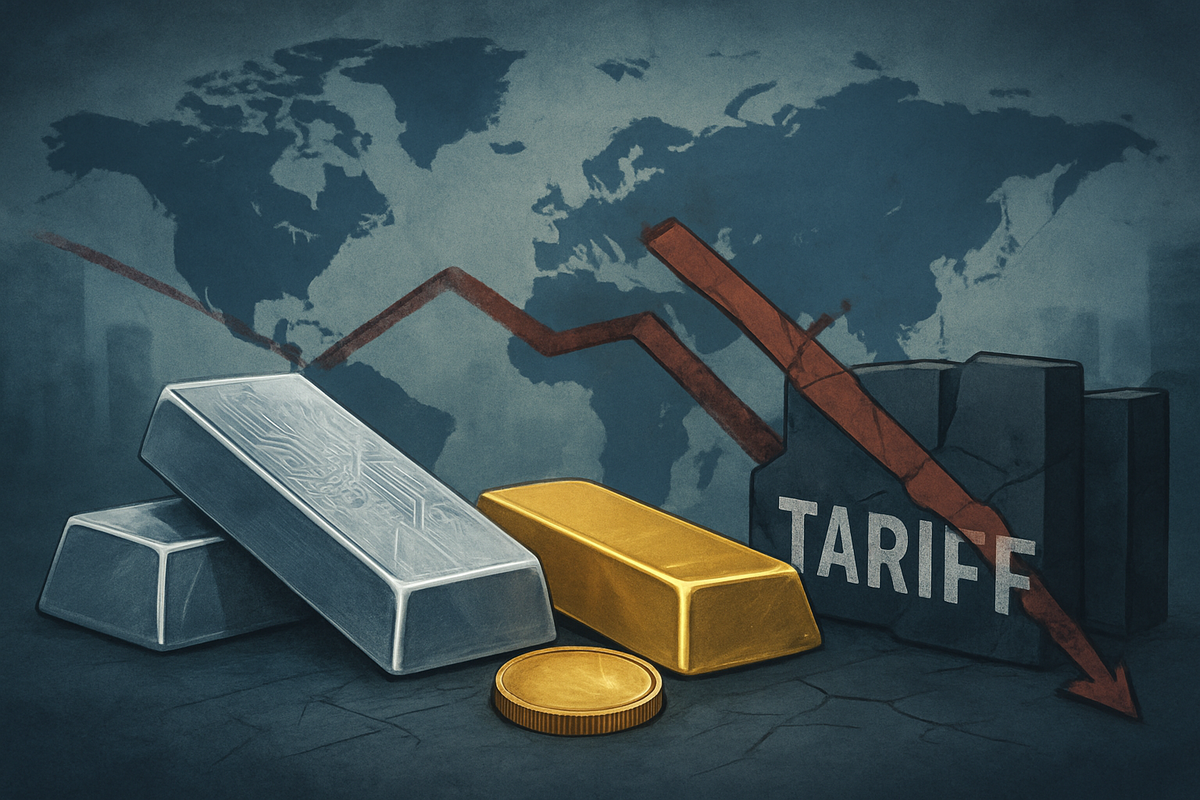
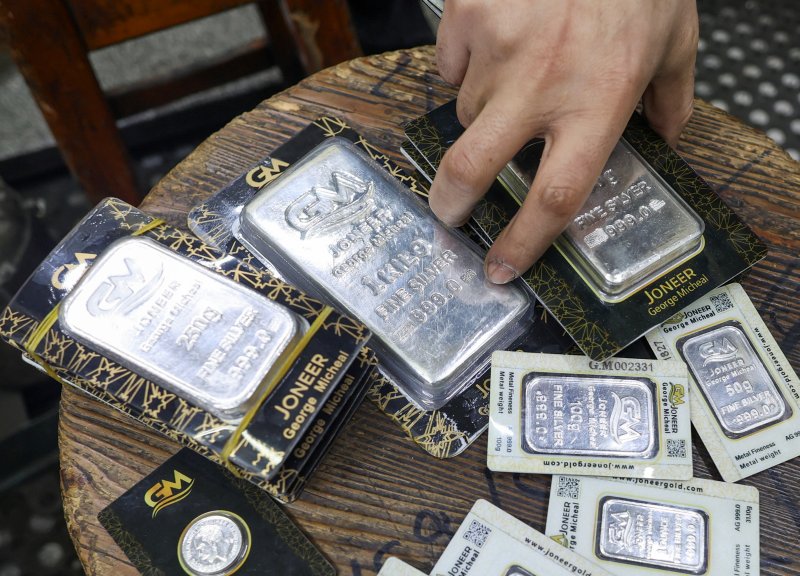
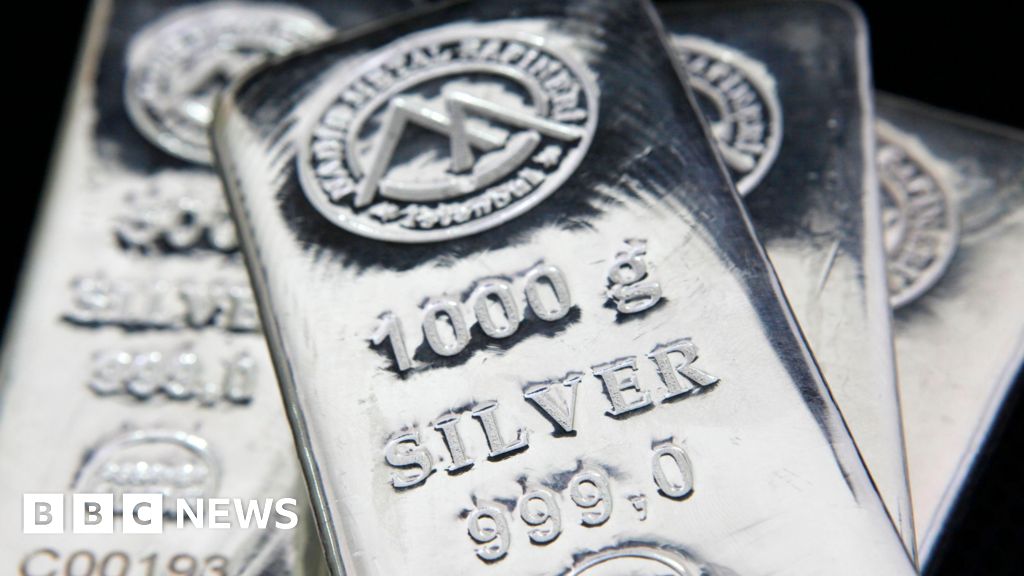
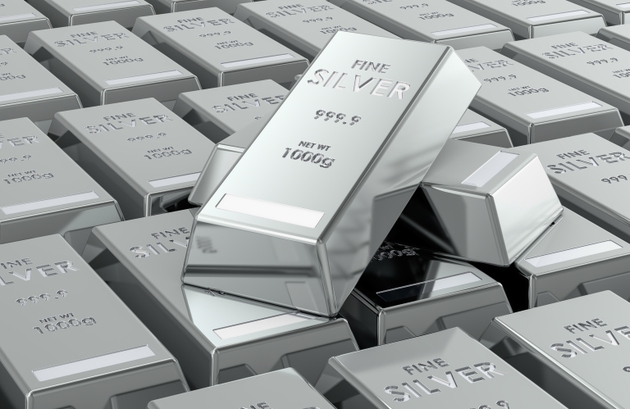
The silver market is experiencing a transformative moment, with prices surging to unprecedented levels driven by a complex interplay of monetary policy expectations and technological demand. Silver futures have rocketed nearly 110% year-to-date, outperforming traditional precious metals and signaling a profound restructuring of commodity investment strategies.
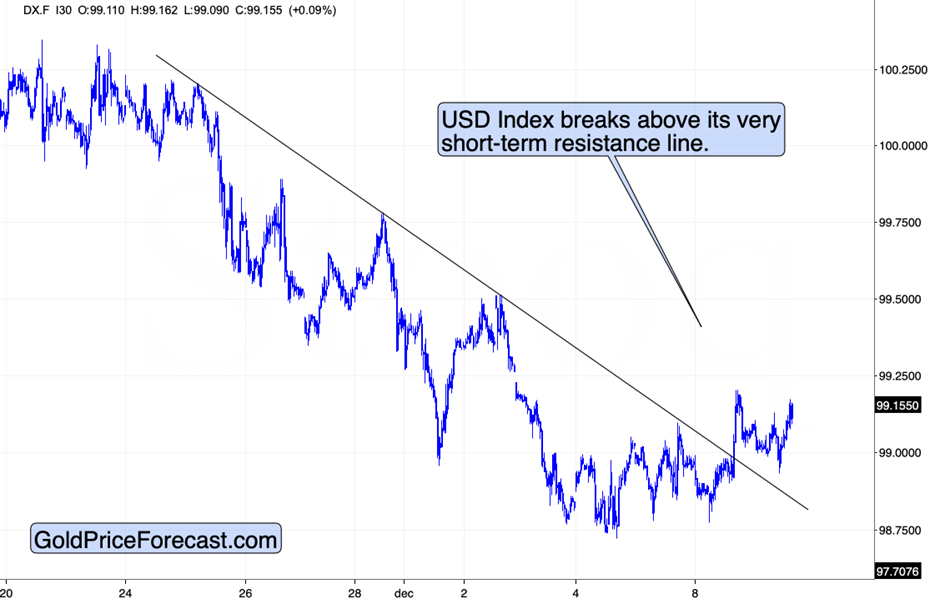
Monetary policy expectations are a critical catalyst in this unprecedented rally. The anticipated Federal Reserve interest rate cuts have created a bullish environment, pushing investors to seek alternative assets with robust growth potential. This monetary backdrop is intersecting with remarkable technological demand, particularly from electric vehicle and solar panel manufacturers who rely on silver's superior electrical conductivity.
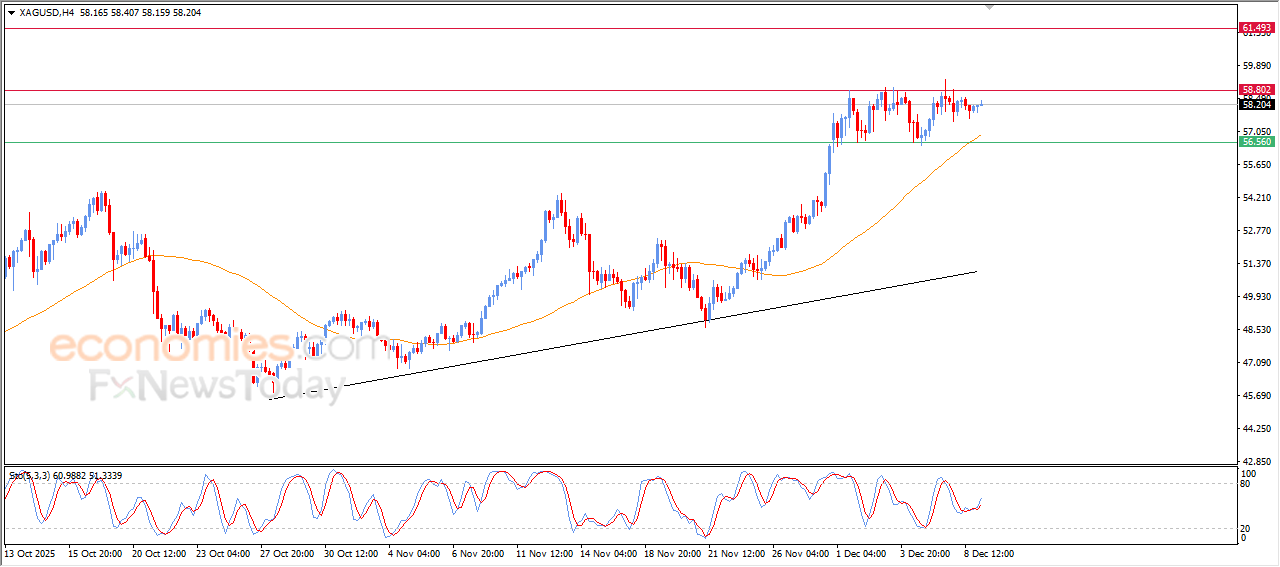
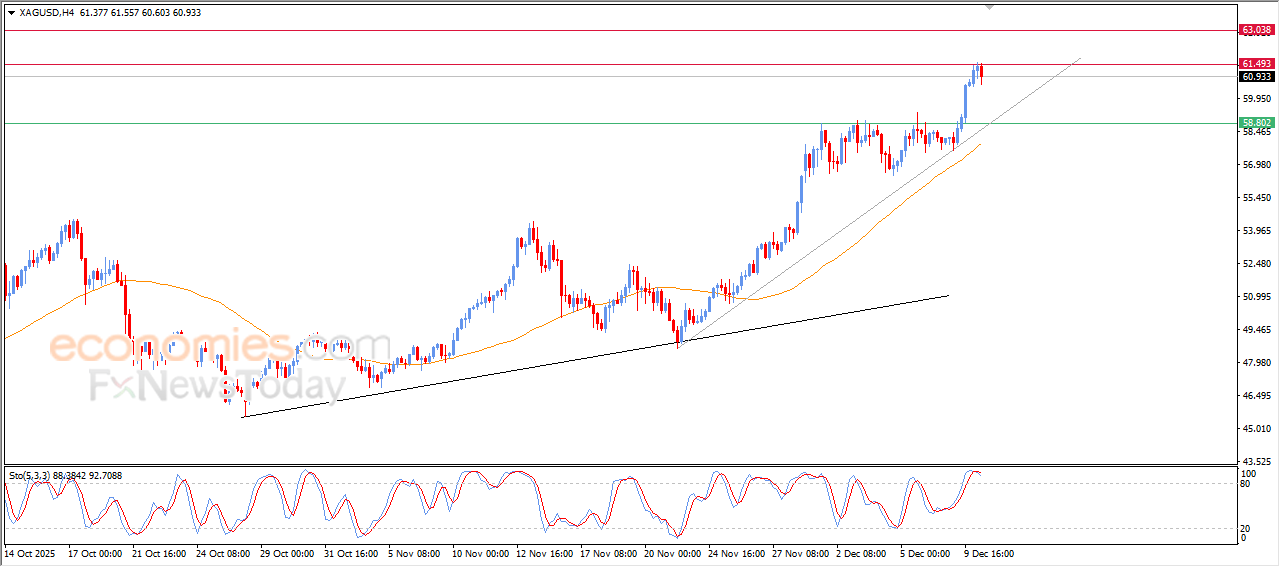
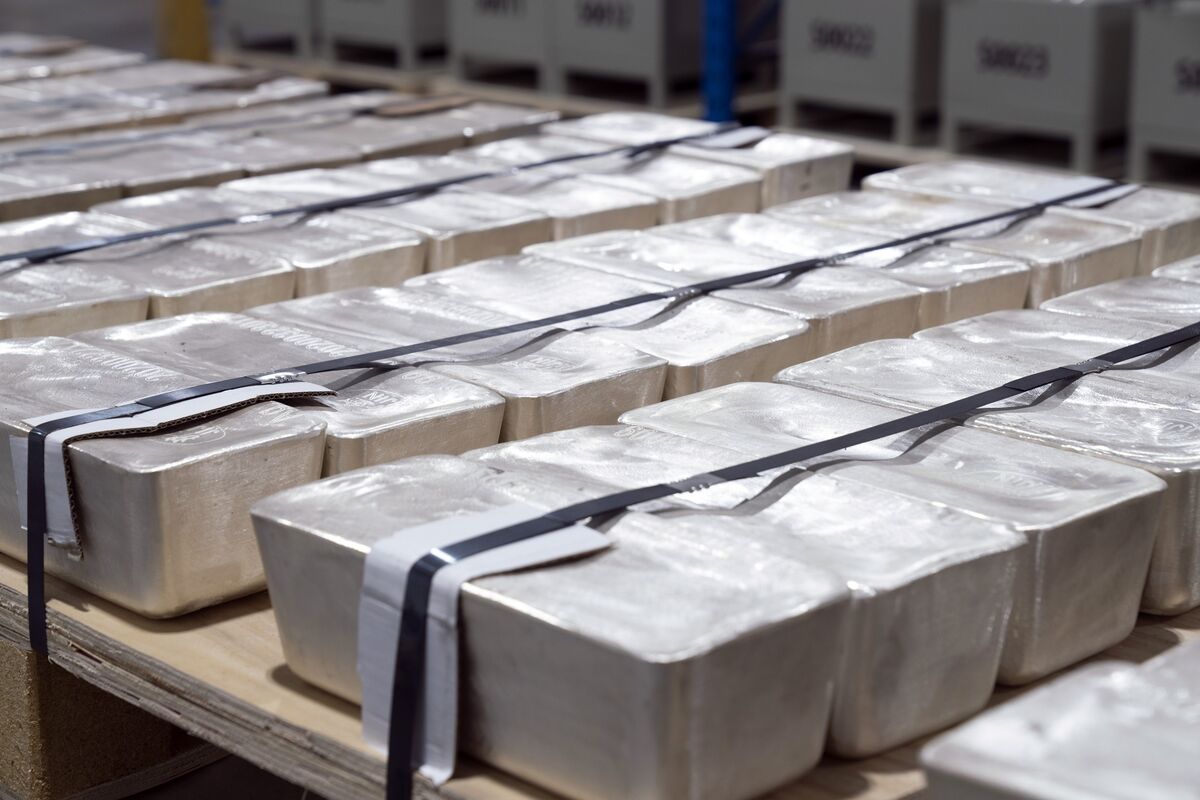
The supply dynamics are equally compelling. Most silver production occurs as a byproduct of mining other metals like lead and copper, creating inherent supply constraints. Manufacturers are now proactively stockpiling silver, further driving prices upward and creating a self-reinforcing cycle of scarcity and appreciation. The spot prices have already crossed significant thresholds, with futures reaching $60.97 per troy ounce—a milestone that signals deeper economic transformations.
For cross-border sellers and industrial purchasers, this represents a critical inflection point. Businesses in electronics, solar technology, and advanced manufacturing must rapidly adapt their procurement and pricing strategies. The dual nature of silver as both an investment asset and critical industrial resource positions it uniquely in the current economic landscape, offering both opportunities and challenges for strategic decision-makers.
The broader implication extends beyond silver itself: this rally suggests growing investor uncertainty about traditional financial instruments and a significant shift towards commodities with tangible technological utility. Companies and investors who can anticipate and navigate these complex market dynamics will be best positioned to thrive in this new economic environment.
Questions 3
Why are silver prices experiencing such a dramatic surge?
The silver price rally is driven by two primary factors: anticipated Federal Reserve interest rate cuts and surging technological demand, particularly from electric vehicle and solar panel manufacturers. The combination of monetary policy expectations and supply constraints is creating a uniquely bullish environment for silver.
How might this silver price surge impact cross-border businesses?
Businesses in electronics, solar technology, and advanced manufacturing must carefully reassess their procurement strategies. The significant price increase means higher input costs, requiring companies to potentially adjust product pricing, explore alternative materials, or develop more efficient silver usage techniques.