


Netflix's Strategic Gaming Gambit: Acquiring Warner Bros Without Betting on Games
- Media consolidation reveals a nuanced approach to entertainment asset valuation for streaming giants



















Overview
In a bold strategic maneuver, Netflix is rewriting the playbook for media acquisitions by pursuing Warner Bros. Discovery for $83 billion while explicitly downplaying the value of its gaming division. This counterintuitive approach reveals a sophisticated understanding of media ecosystem dynamics that goes far beyond traditional asset valuation.
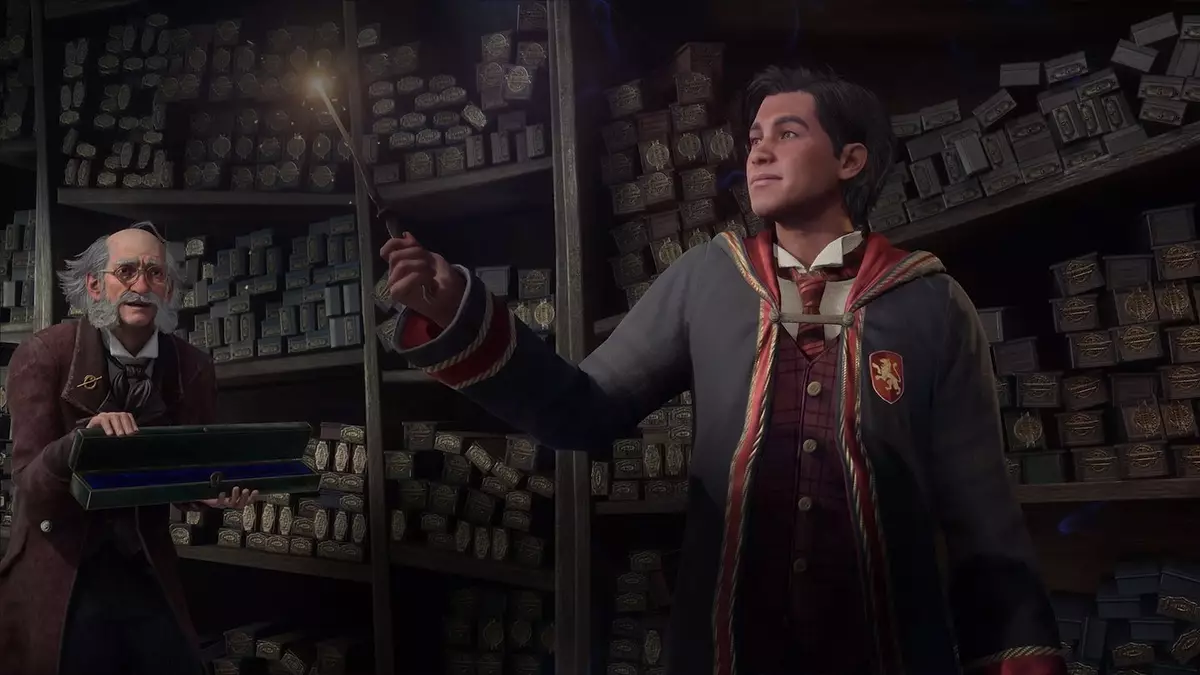
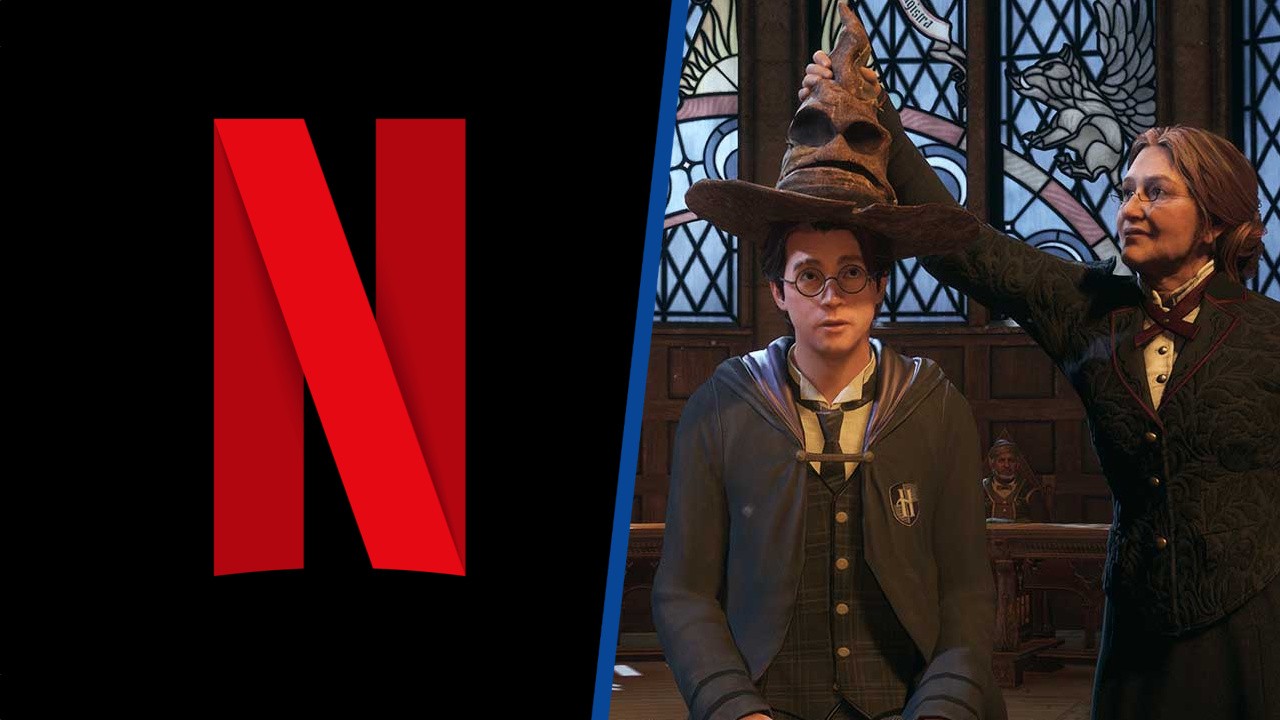
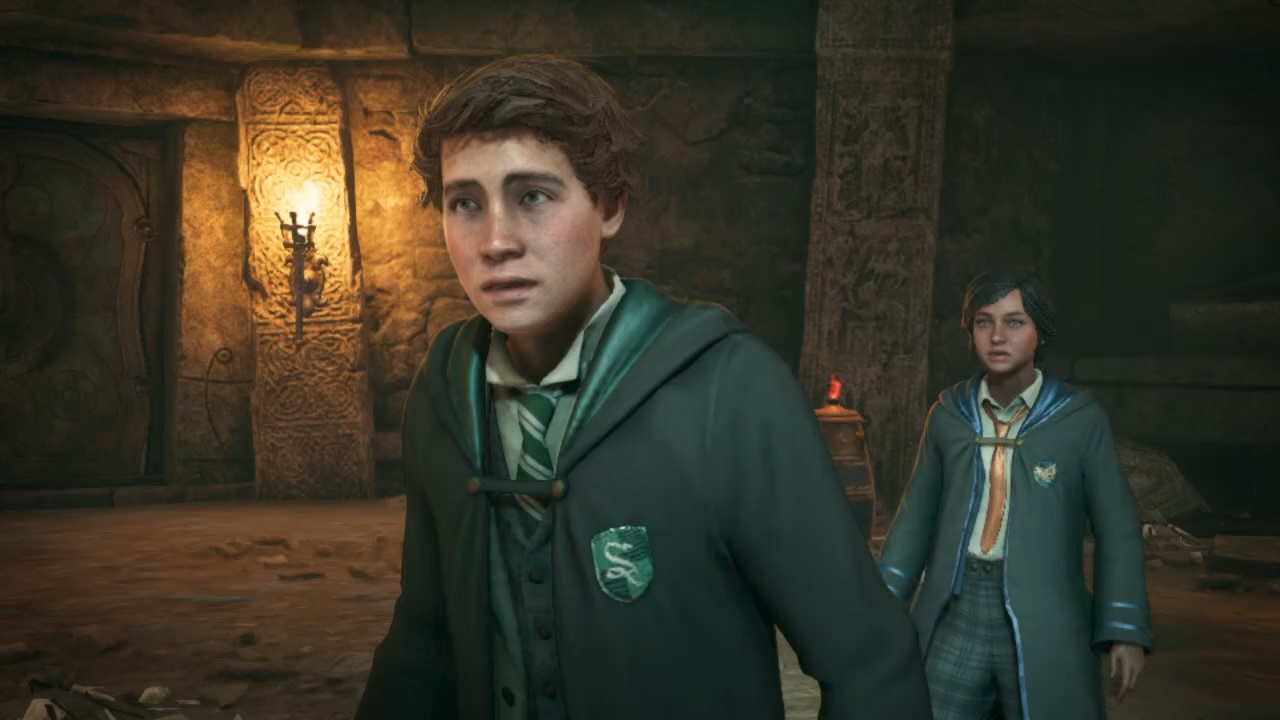
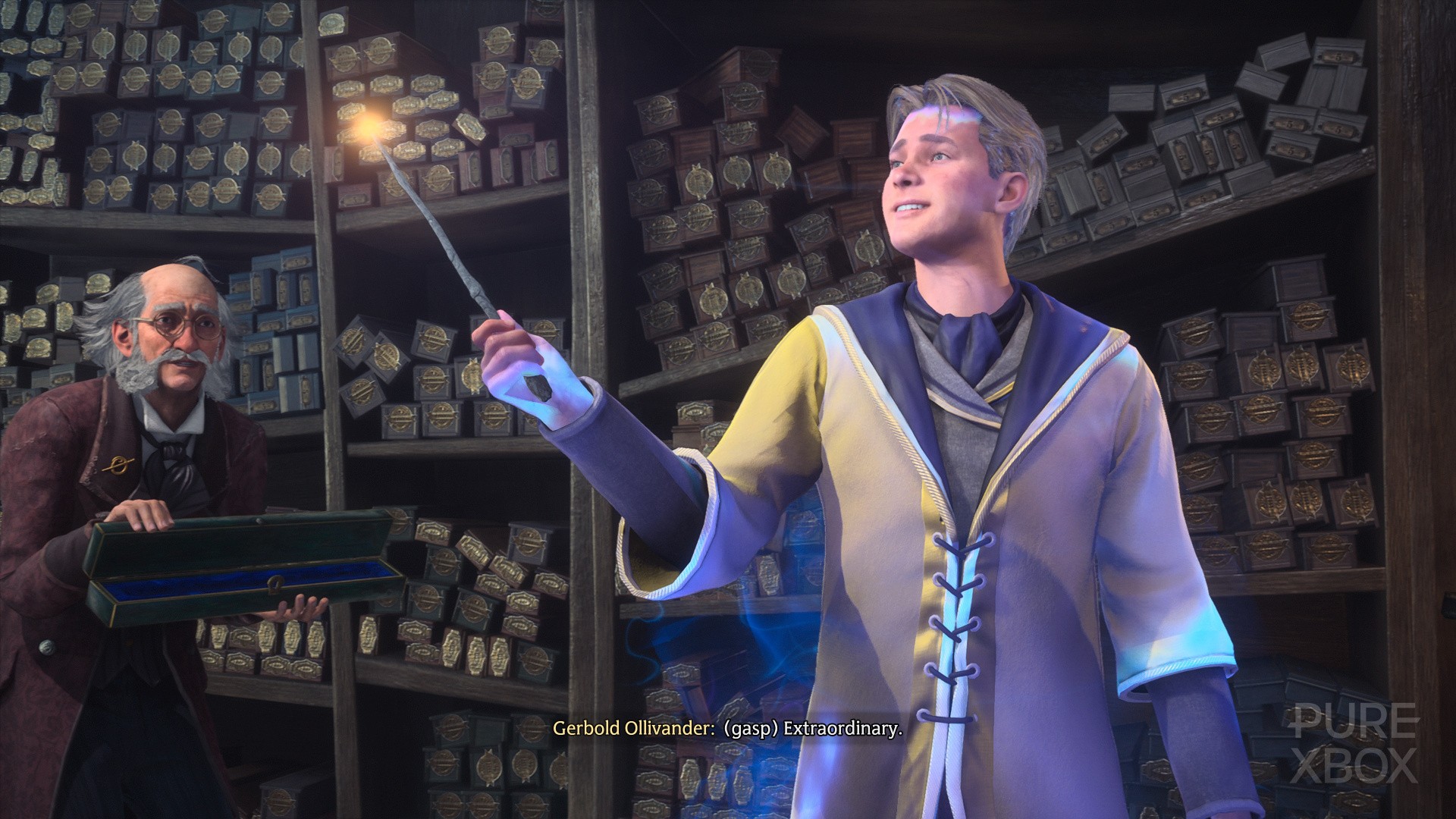
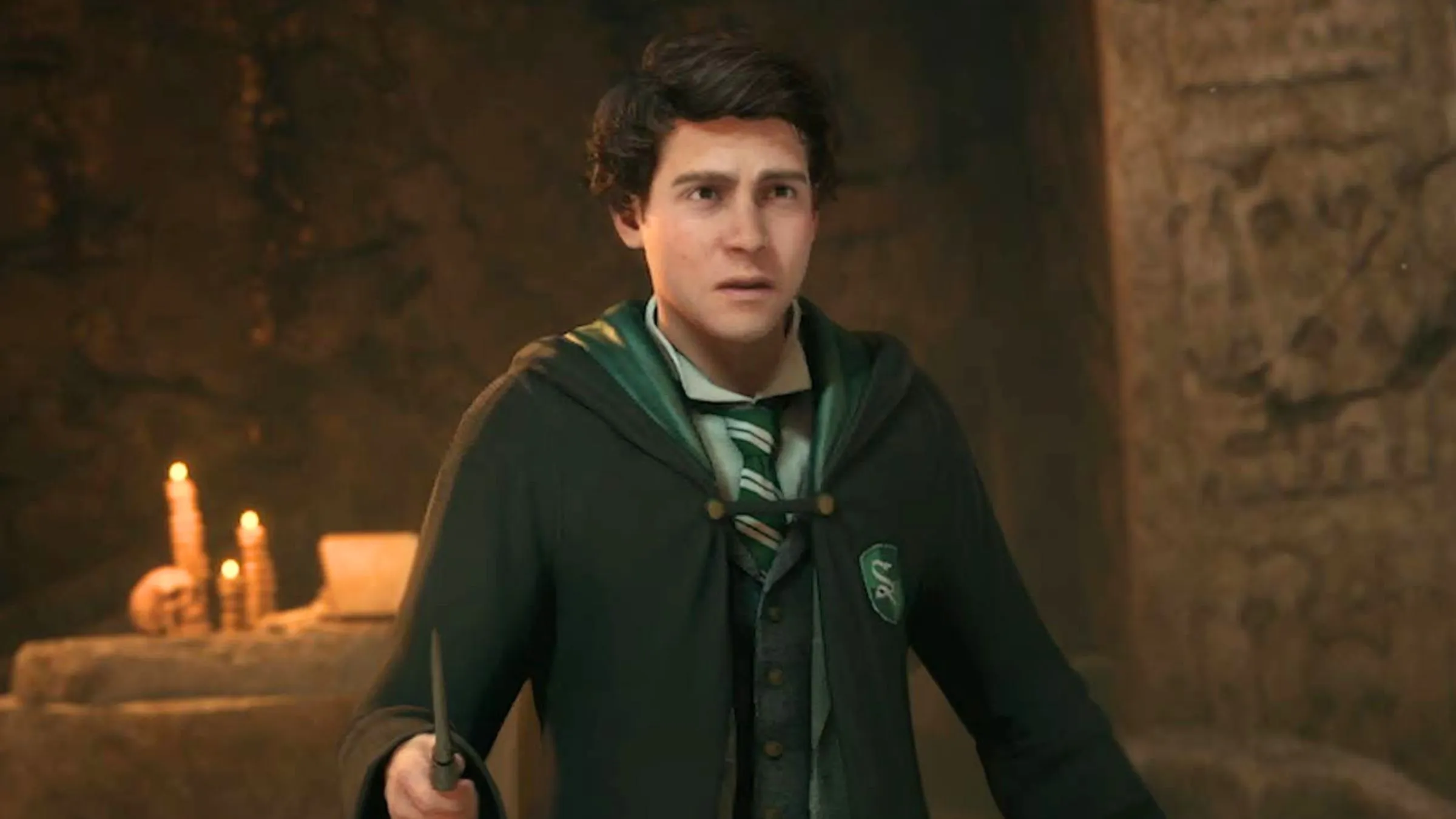
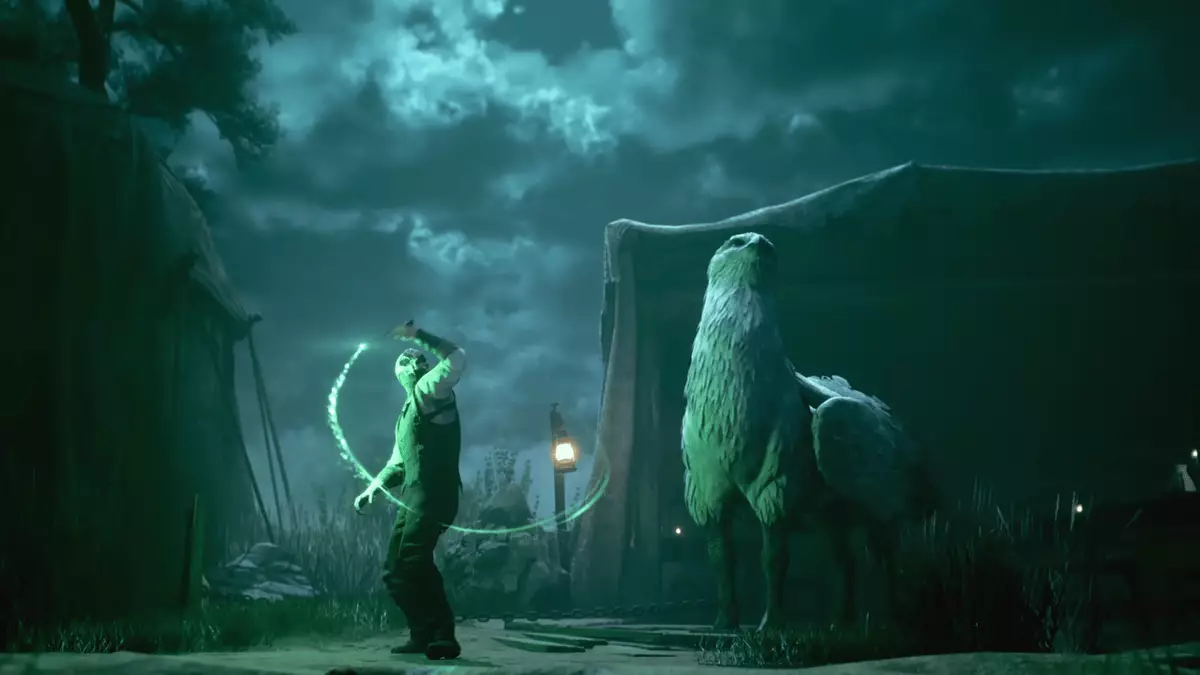
Netflix co-CEO Gregory Peters candidly admitted that the company "actually didn't attribute any value" to Warner's game studios, describing them as "relatively minor compared to the grand scheme of things". Yet, this statement masks a more nuanced strategy. Despite seemingly dismissing gaming assets, Netflix is strategically positioning itself to leverage select properties like Hogwarts Legacy and explore innovative interactive entertainment formats.
The acquisition highlights a critical trend in media consolidation: intellectual property and transmedia potential now matter more than individual business segments. Netflix's gaming strategy focuses on four key areas: children's games, broadly appealing titles, narrative games tied to existing IP, and multiplayer social experiences. This approach demonstrates a calculated, experimental method of expanding beyond traditional streaming.
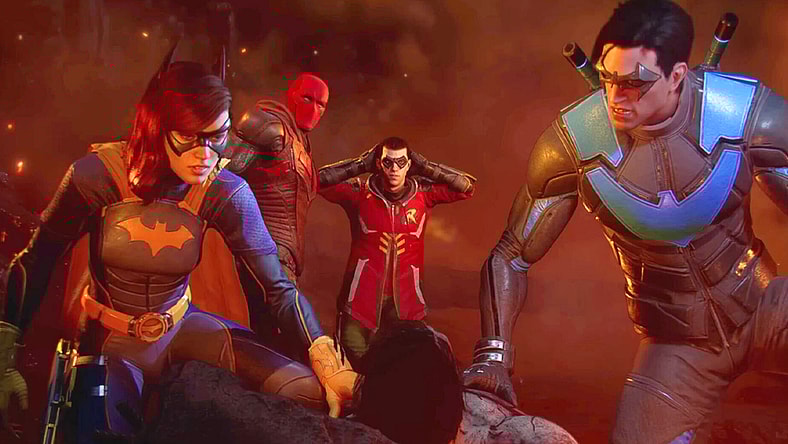
The competitive landscape adds further complexity, with Paramount launching a counter-bid of $100.7 billion. This high-stakes corporate battle underscores the strategic value of comprehensive media portfolios. Netflix appears more interested in Warner's extensive media ecosystem—including film and television studios, HBO, and the entire DC Universe—rather than its specific gaming development capabilities.
Interestingly, the company has been methodically building its gaming infrastructure, appointing Epic Games' Alain Tascan as games division president and exploring innovative approaches like using mobile phones as controllers for TV-based multiplayer experiences. This suggests a long-term, experimental approach to interactive entertainment that goes beyond traditional gaming paradigms.
Questions 3
How does this acquisition fit into the broader media landscape?
The $83 billion deal represents a significant consolidation trend, with Netflix and Paramount competing to acquire comprehensive media portfolios. This signals a shift from valuing individual business segments to understanding the transmedia potential of integrated entertainment assets.
What is Netflix's actual gaming strategy?
Netflix is developing a multi-pronged gaming strategy targeting children's games, narrative experiences based on existing IP, mobile game adaptations, and social/multiplayer experiences. The approach is experimental, with an emphasis on creating immersive experiences that extend their existing intellectual properties.