




EU's Strategic Financial Gambit: Funding Ukraine Through Frozen Russian Assets
- Geopolitical Funding Innovation Reshapes International Financial Diplomacy









Overview
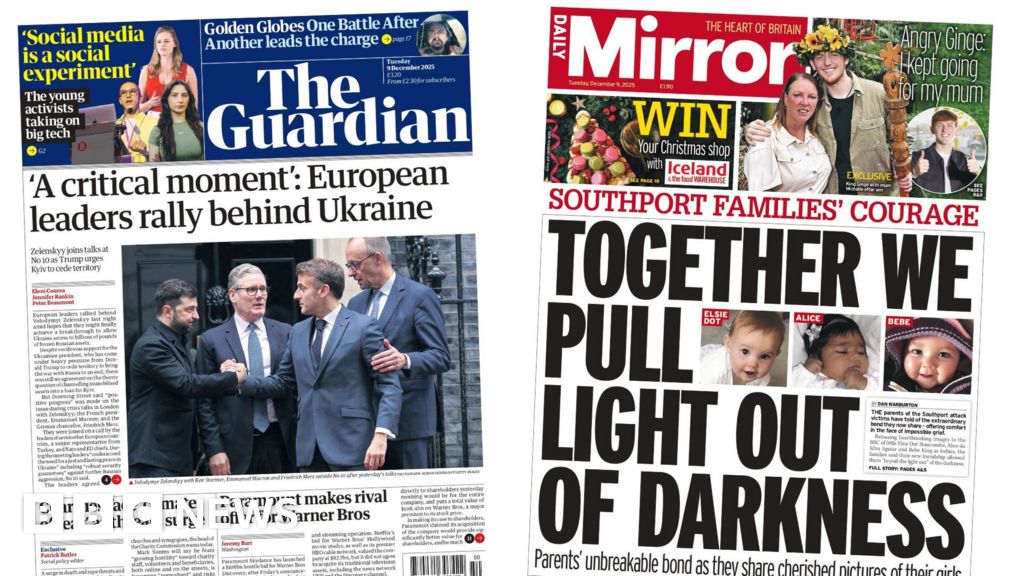
Geopolitical financial engineering is entering a new era of complexity, as European leaders demonstrate an unprecedented approach to supporting Ukraine by potentially leveraging frozen Russian assets. The EU's two-year funding commitment reveals a sophisticated strategy that transcends traditional governmental budgeting, signaling a profound shift in how international financial mechanisms can be weaponized for strategic objectives.
Innovative Funding Mechanisms are at the heart of this development. By exploring the legal and diplomatic pathways to utilize frozen Russian assets, the EU is essentially creating a novel form of financial counteraction. This approach goes beyond mere economic sanctions, transforming immobilized capital into a proactive funding tool. The $50 billion commitment represents more than financial support—it's a strategic statement about economic sovereignty and geopolitical resilience.
The implications for cross-border businesses are significant. This precedent suggests that international asset management is no longer just a financial exercise but a potential geopolitical instrument. Companies operating in Eastern European markets must now factor in the potential for assets to be strategically reallocated based on political considerations. The volatility of international financial systems has reached a new level of complexity, where governmental decisions can instantaneously reshape economic landscapes.
The funding strategy also reveals a deeper diplomatic chess game. By using Russian assets to support Ukraine, the EU is creating a multilayered pressure mechanism that goes beyond traditional military or economic support. This approach demonstrates how financial tools can become powerful instruments of international policy, blurring the lines between economic management and geopolitical strategy.
For global businesses and investors, the key takeaway is clear: geopolitical risk is no longer a peripheral consideration but a central factor in financial decision-making. The ability to anticipate and navigate these complex international financial dynamics will become a critical competitive advantage in an increasingly interconnected global economy.
Questions 3
What makes this funding approach unique in international diplomacy?
This strategy transforms economic sanctions from a punitive measure into an active funding mechanism. By using frozen Russian assets to support Ukraine, the EU is creating a multilayered diplomatic tool that goes beyond traditional financial support methods.
What are the potential risks for businesses operating in Eastern European markets?
Businesses must now factor in heightened geopolitical risk, where assets can be strategically reallocated. The precedent suggests increased financial system volatility, requiring more sophisticated risk management strategies that account for potential governmental interventions.