




Geopolitical Brinkmanship in the Asia-Pacific Powder Keg
- Escalating Military Tensions Reveal Fragile Regional Power Dynamics









Overview
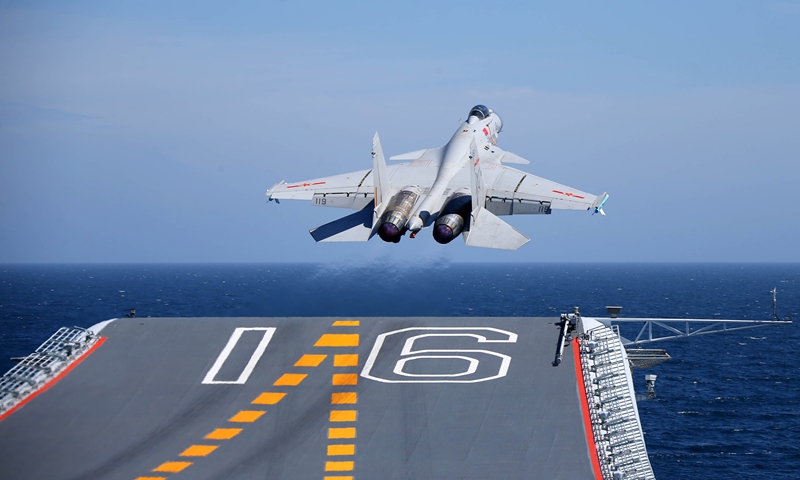
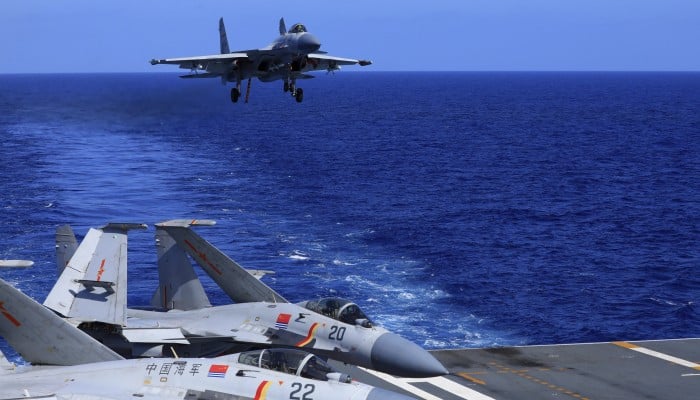
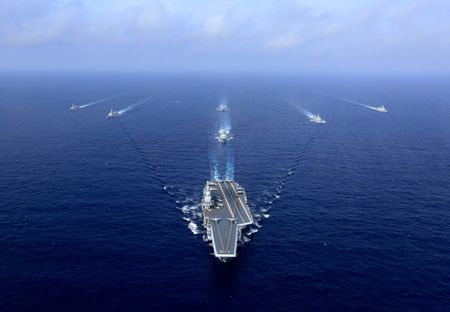
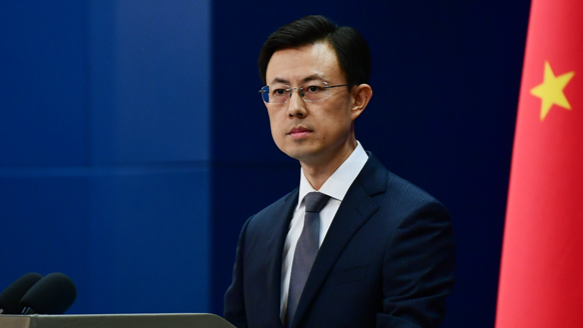
The recent military radar incident between China and Japan represents a critical inflection point in Asia-Pacific geopolitical tensions, signaling a dangerous escalation that could fundamentally reshape regional security architectures. On Saturday, Chinese fighter jets deliberately aimed radars at Japanese military aircraft near the Okinawa islands, a provocative action Japan characterized as a direct threat and the United States swiftly condemned as "not conducive to regional peace and stability".
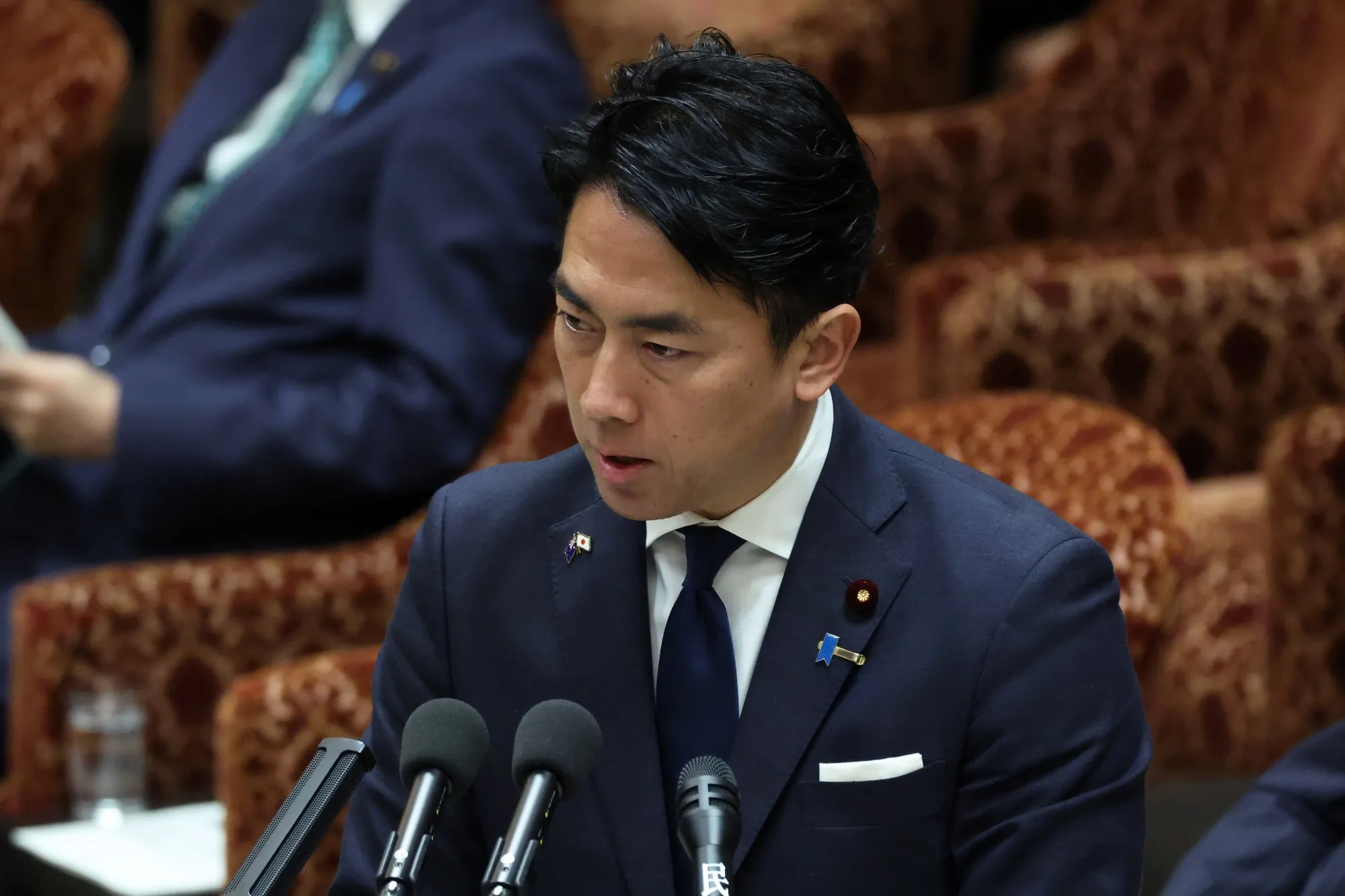
Strategic Provocation Dynamics: This incident is far more than a isolated military encounter. It emerges against a complex backdrop of escalating geopolitical pressures, particularly surrounding Taiwan's strategic position. Japanese Prime Minister Sanae Takaichi's recent remarks about a potential Chinese attack on Taiwan triggered an immediate and sharp Beijing response, with China demanding statement retractions and even advising Chinese citizens against traveling to Japan. The radar targeting represents the most serious military confrontation between these East Asian nations in years, effectively serving as a high-stakes signaling mechanism.
Multilateral Tension Mapping: The geopolitical chess game extends beyond bilateral tensions. Japan's scrambling of jets to monitor joint Russian and Chinese air patrols underscores the intricate regional security dynamics. Taiwan's President Lai Ching-te's characterization of China's drills as "very inappropriate" further illuminates the interconnected nature of these tensions. The United States has strategically positioned itself as a stabilizing force, with the State Department explicitly reaffirming that the "U.S.-Japan Alliance is stronger and more united than ever".
Diplomatic Balancing Act: Perhaps most revealing is U.S. President Donald Trump's nuanced approach, reportedly urging Prime Minister Takaichi privately to avoid diplomatic escalation while simultaneously planning trade talks with Beijing. This suggests a sophisticated diplomatic strategy that attempts to balance military support with economic engagement—a delicate tightrope walk in an increasingly volatile geopolitical landscape.
The incident fundamentally exposes the fragile equilibrium in the Asia-Pacific region. Each military maneuver, diplomatic statement, and strategic positioning now carries exponentially higher stakes, with potential cascading consequences for regional stability, international relations, and global economic interdependencies.
Questions 3
What are the potential long-term implications of this radar incident?
This incident could significantly reshape Asia-Pacific security dynamics, potentially accelerating military posturing, increasing regional tensions, and challenging the existing geopolitical equilibrium. It may lead to increased military preparedness, diplomatic realignments, and could impact economic relationships between China, Japan, the United States, and Taiwan.
How has the United States responded to this military tension?
The U.S. has taken a strong supportive stance toward Japan, with the State Department explicitly condemning China's actions as 'not conducive to regional peace and stability' and reaffirming that the U.S.-Japan Alliance is 'stronger and more united than ever'. Simultaneously, President Trump is attempting a nuanced diplomatic approach by privately urging de-escalation while maintaining trade talk plans with Beijing.