





Regional Powder Keg: Southeast Asian Border Tensions Threaten Stability and Economic Disruption
- Unprecedented Military Confrontation Signals Deepening Geopolitical Fractures in Indochina













Overview
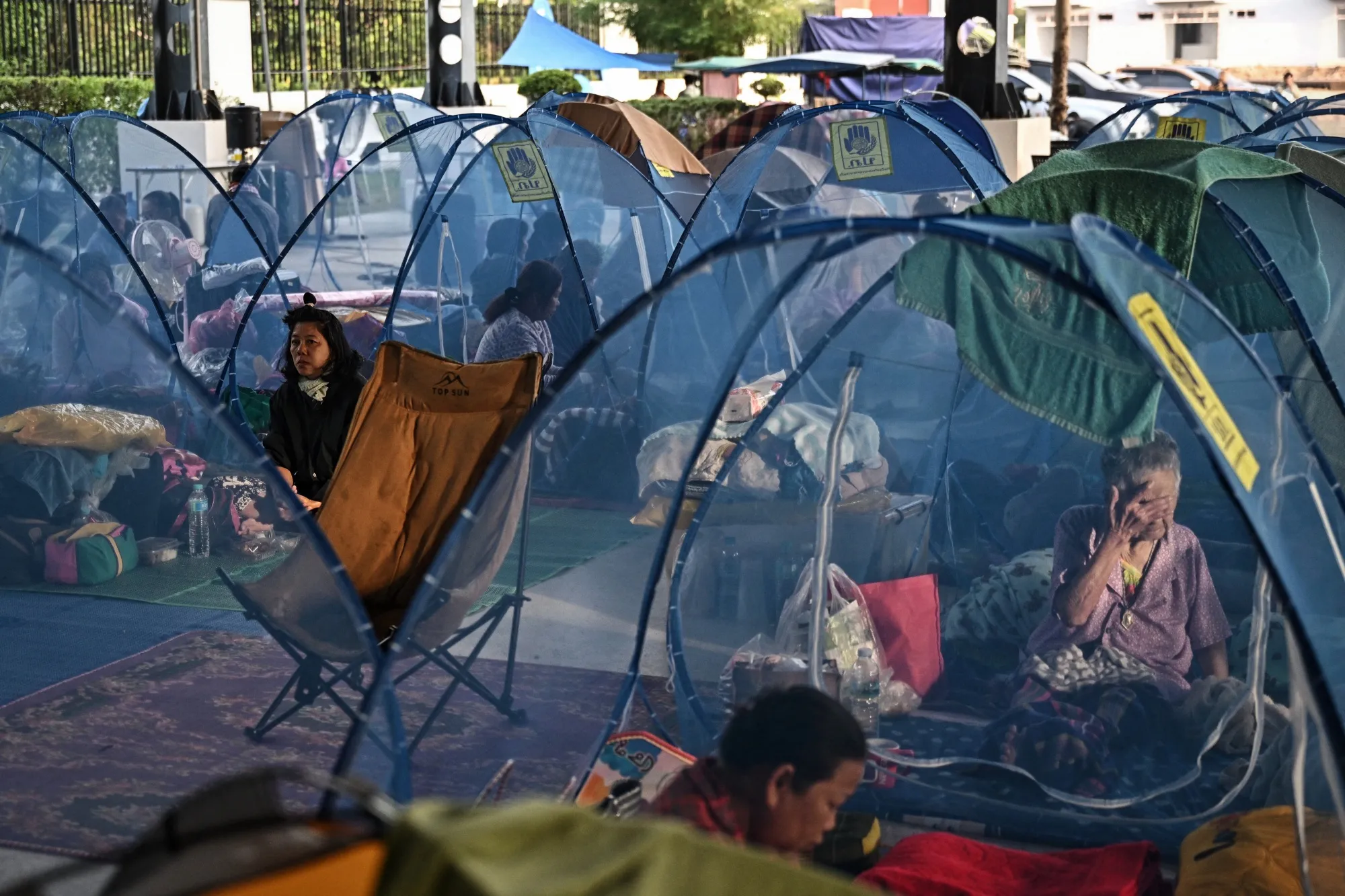
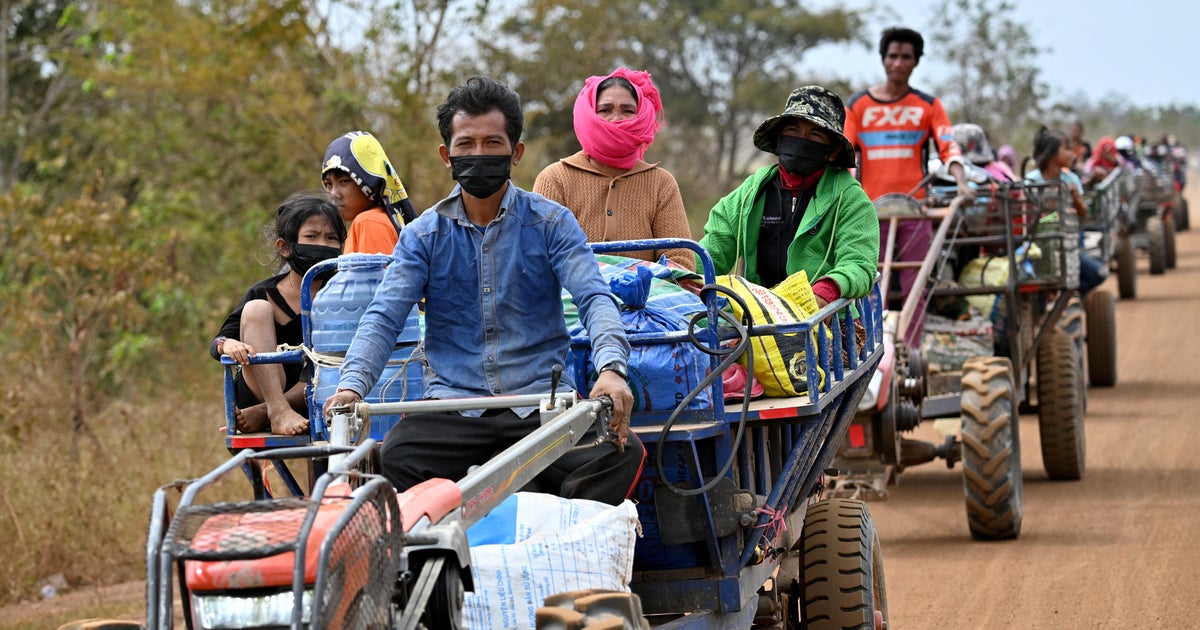
The Thailand-Cambodia border conflict represents a critical inflection point in Southeast Asian geopolitical dynamics, revealing profound structural tensions that extend far beyond a simple territorial dispute. With over 527,000 people displaced and military engagements escalating dramatically, this confrontation exposes the fragile diplomatic infrastructure underlying regional stability.
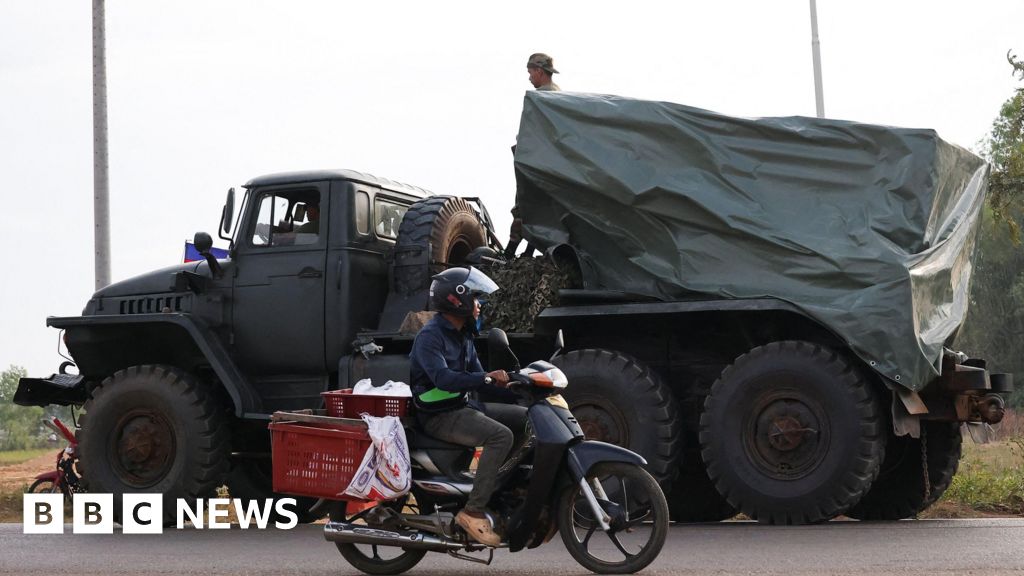
The conflict's core dynamics are rooted in long-standing colonial-era border demarcation disputes, but the current escalation demonstrates a dangerous new level of military confrontation. Thai F-16 jets and Cambodian BM-21 rocket launchers have transformed what was historically a low-intensity territorial disagreement into a potential full-scale regional conflict. The scale is unprecedented: 125 rocket salvos totaling approximately 5,000 rockets, cross-border airstrikes, and the systematic targeting of border infrastructure signal a fundamental breakdown in diplomatic mechanisms.
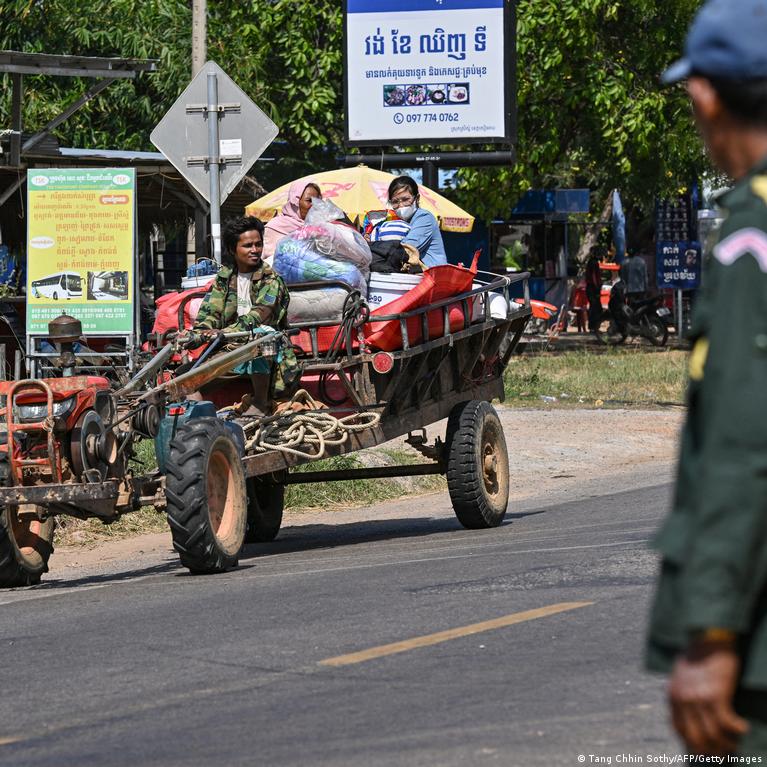
Strategically, this conflict reveals multiple critical dimensions. First, the humanitarian impact is staggering—with 700 schools closed and massive population displacement across seven Thai and five Cambodian provinces. Second, the diplomatic breakdown is profound, evidenced by Cambodia's withdrawal from the Southeast Asian Games and the apparent ineffectiveness of previous mediation attempts. The repeated failure of diplomatic interventions, including former U.S. President Trump's proposed mediation, underscores the deep-rooted nature of these tensions.
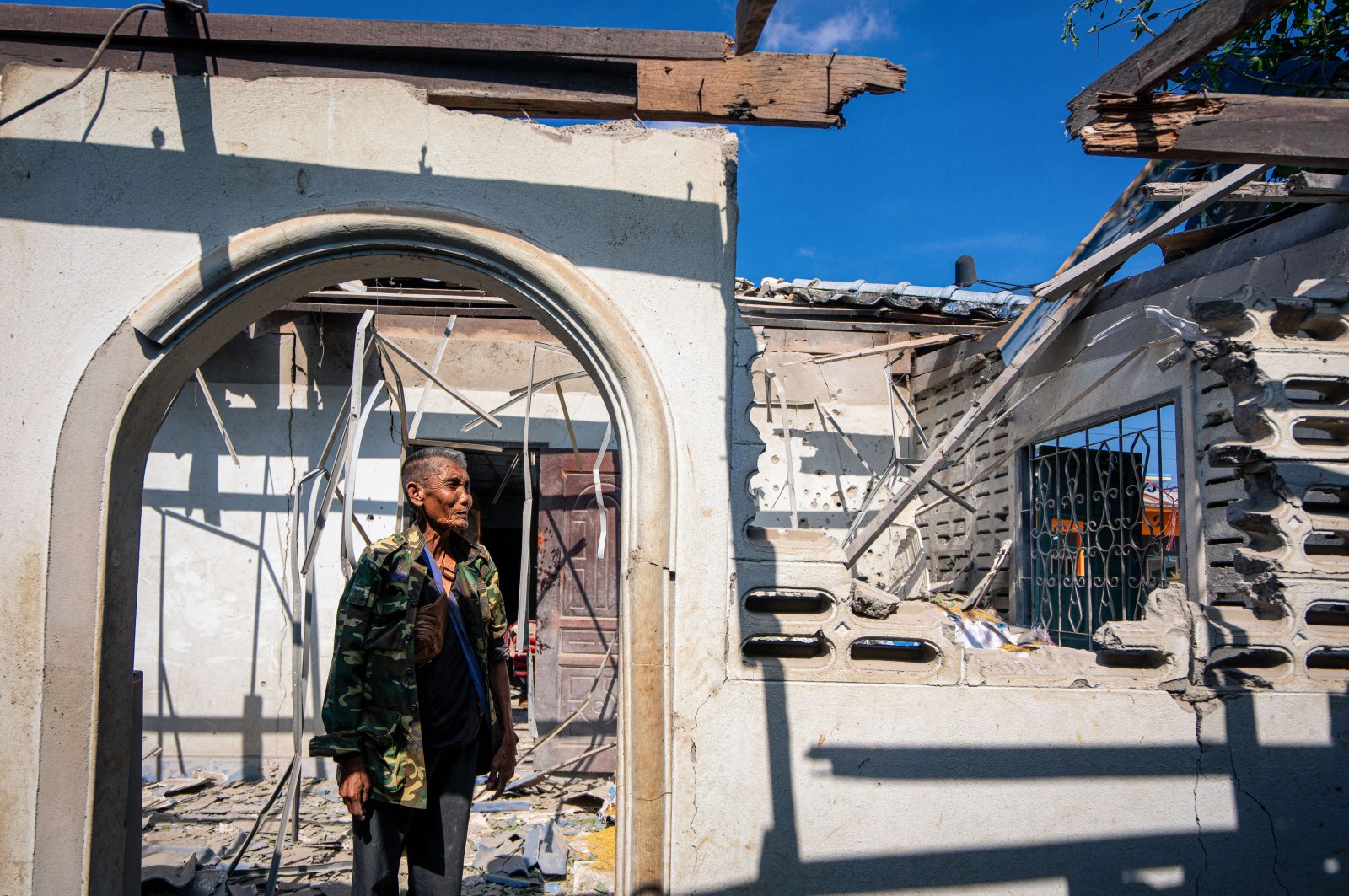
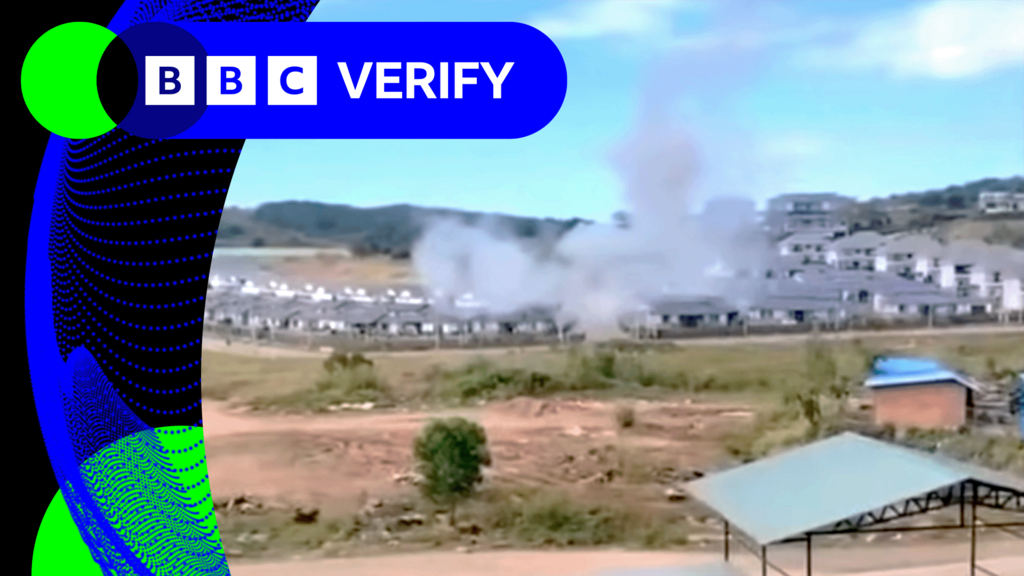
The geopolitical implications extend beyond immediate military confrontation. This conflict potentially destabilizes the entire Indochina regional economic ecosystem, threatening trade routes, investment confidence, and cross-border economic integration. The systematic destruction of border infrastructure, including verified video evidence of construction site damages, suggests a deliberate strategy of economic disruption.
Critically, the international community's muted response indicates a dangerous normalization of such high-intensity border conflicts. The absence of immediate, forceful multilateral intervention suggests a potential recalibration of regional power dynamics that could have long-lasting consequences for Southeast Asian geopolitical stability.
Questions 4
What are the primary triggers for the current Thailand-Cambodia border conflict?
The conflict stems from long-standing colonial-era border demarcation disputes, recently exacerbated by an alleged landmine incident. Historical temple ownership claims and unresolved territorial boundaries have created persistent tensions that have now escalated into full-scale military confrontation.
Why have diplomatic interventions, like Trump's mediation, been ineffective?
Previous diplomatic efforts have failed due to deeply rooted historical tensions, competing territorial claims, and a lack of genuine commitment to peaceful resolution. The current conflict reveals that surface-level mediation cannot address the fundamental structural issues underlying Thailand-Cambodia relations.