



Silver's $30 Breakthrough: A Technological and Monetary Policy Inflection Point
- Unprecedented market dynamics reshape investment and industrial metal strategies for technology and finance sectors





Overview
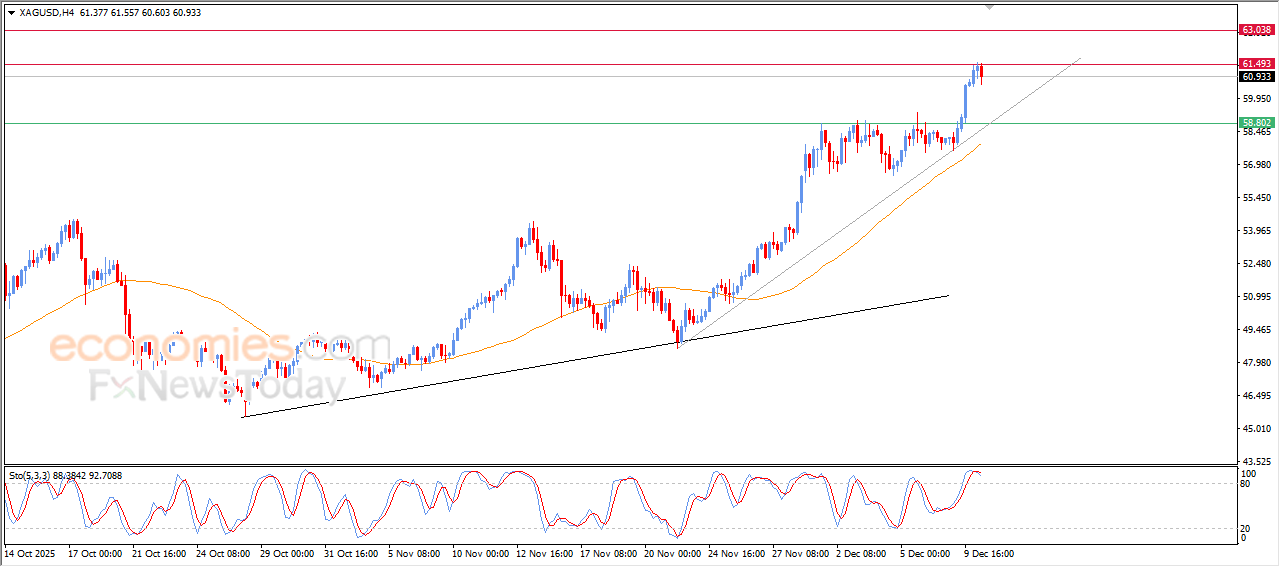
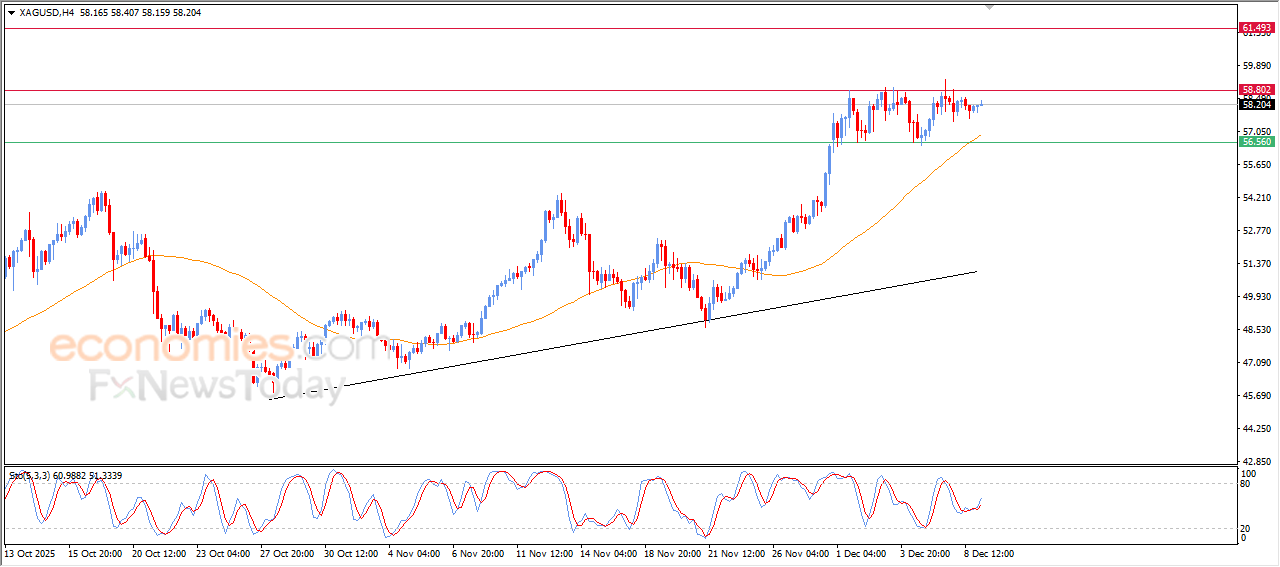
The silver market is experiencing a transformative moment, with spot prices crossing the critical $30 per ounce threshold, signaling a complex intersection of technological demand, monetary policy, and investment strategies. This surge is not merely a price movement, but a profound structural shift in how industrial metals are valued and utilized.
Technological innovation stands at the core of silver's unprecedented valuation. Electric vehicle manufacturers and solar panel producers are driving substantial demand, leveraging silver's superior electrical conductivity. The metal's critical role in advanced manufacturing creates a unique supply-demand dynamic where industrial requirements are now directly competing with investment appetites. Manufacturers are proactively stockpiling silver, anticipating potential supply chain disruptions, which further amplifies price pressures.
The Federal Reserve's potential interest rate cuts add another layer of complexity to silver's valuation. Investors are seeking alternative assets that can hedge against potential monetary policy shifts, positioning silver as an attractive investment vehicle. This dual nature—part industrial commodity, part investment asset—distinguishes silver from traditional precious metals. The market is experiencing supply constraints, with most silver production occurring as a byproduct of mining other metals like lead and copper, creating additional upward price momentum.
Strategic implications extend beyond immediate pricing. Technology sectors are fundamentally reimagining their supply chain resilience, with silver becoming a critical strategic resource. The price surge signals a broader trend of technological metals transitioning from mere industrial inputs to strategic assets with significant economic and geopolitical implications. Investors and industrial planners must now view silver through a multidimensional lens that combines technological innovation, monetary policy, and global supply chain dynamics.
Looking forward, sustained high silver prices are likely, driven by continued technological demand, potential trade policy uncertainties, and the metal's unique position at the intersection of investment and industrial strategies. Companies and investors must adapt to this new paradigm, recognizing silver's evolving role in the global economic ecosystem.
Questions 3
What risks should investors consider in the current silver market?
Investors should be aware of potential supply chain disruptions, the impact of Federal Reserve monetary policies, and the volatile nature of technological metal markets. The silver market's complexity requires a nuanced approach that considers both industrial demand and investment potential.
How are technology sectors impacting silver demand?
Technology industries, particularly electric vehicle and solar panel manufacturers, are driving substantial silver demand due to the metal's superior electrical conductivity. This technological requirement is creating a new demand paradigm that goes beyond traditional precious metal investment strategies.