


FDA's Unprecedented Vaccine Safety Probe Signals Regulatory Transformation
- Emerging regulatory landscape reshapes vaccine approval and post-deployment monitoring for pharmaceutical stakeholders







)


)
Overview
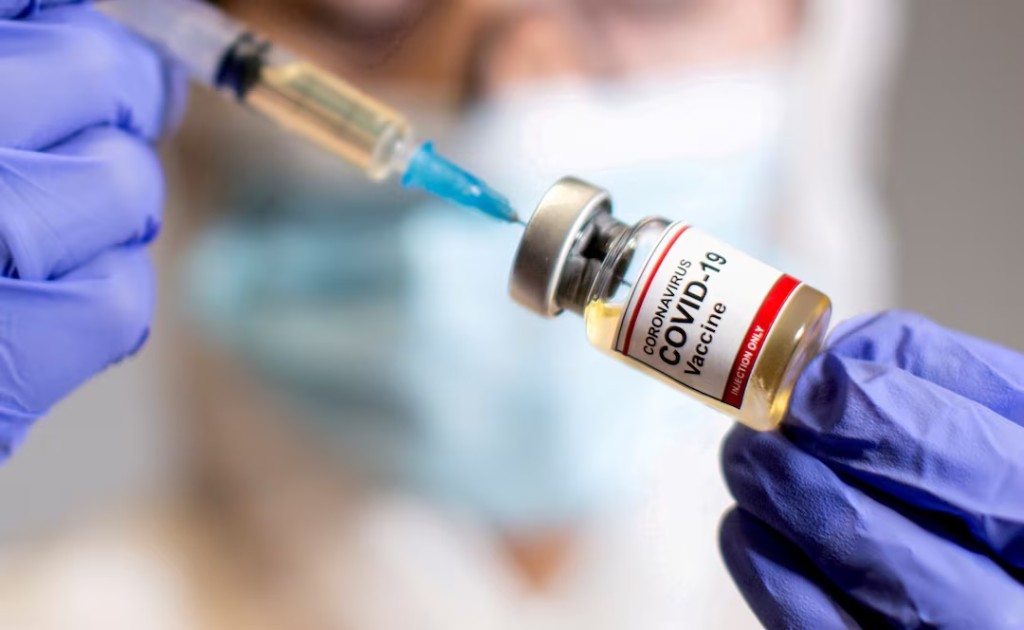
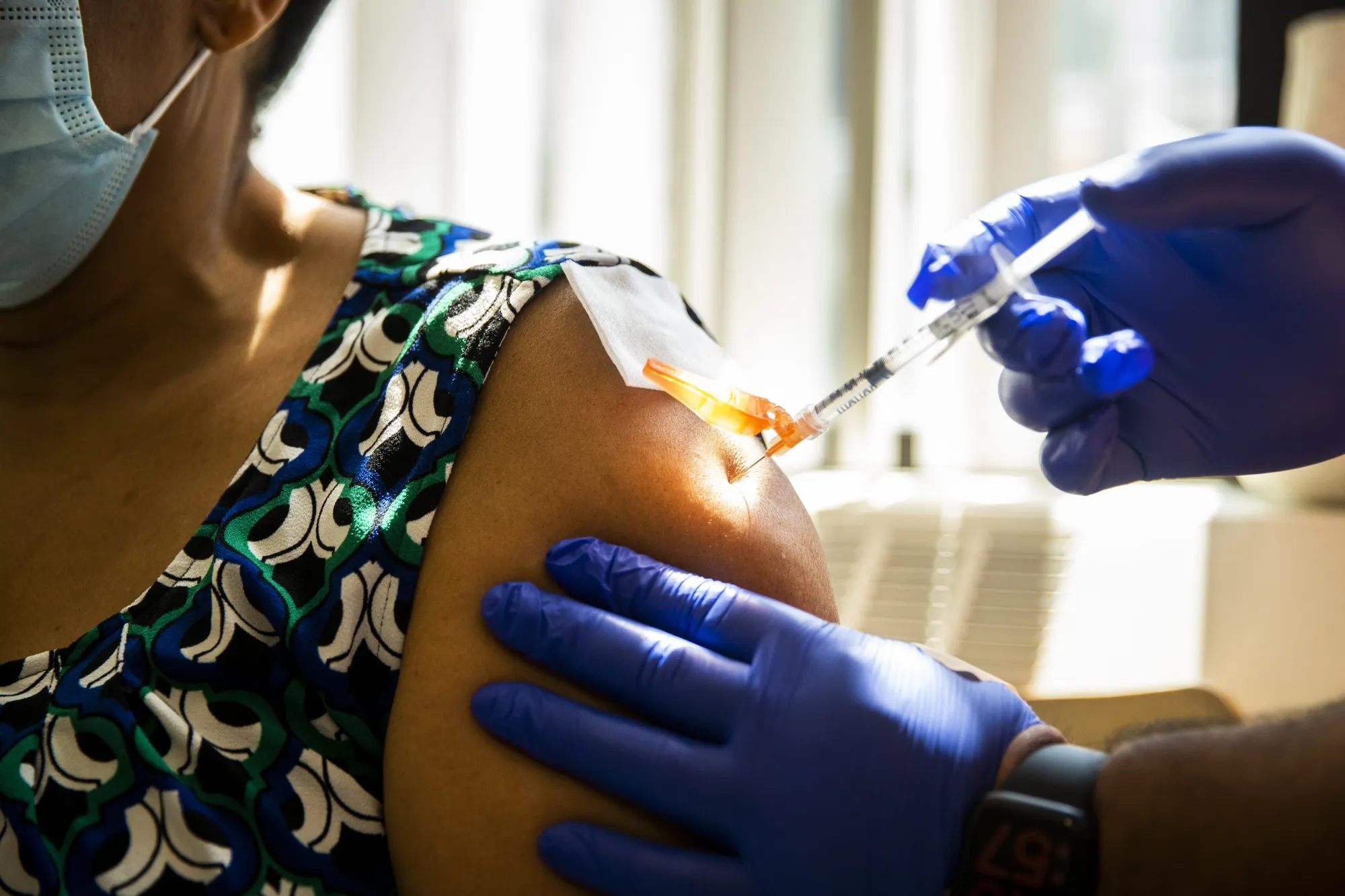
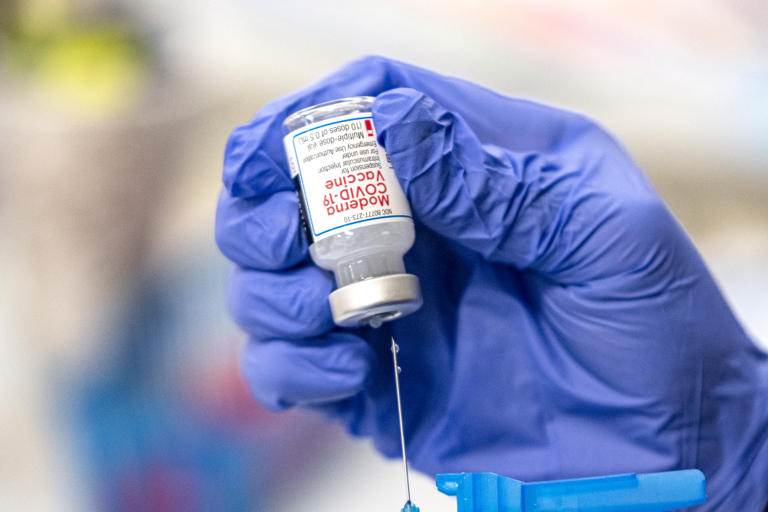
The FDA's comprehensive vaccine safety investigation represents a pivotal moment in public health regulation, signaling a profound shift in how medical interventions are monitored and evaluated post-deployment. With more than 700 million Covid-19 vaccine doses administered since late 2020, the agency is conducting an unprecedented multi-divisional review examining potential mortality correlations across adult and pediatric populations.
Regulatory transparency emerges as the core strategic driver of this investigation. By proactively investigating rare but serious adverse events, the FDA is fundamentally reengineering its post-approval surveillance framework. The probe spans multiple critical dimensions: examining potential vaccine-related deaths, reassessing approval processes, and responding to growing public skepticism about immunization safety.
The investigation's significance extends far beyond immediate vaccine concerns. Regulatory risk management is being reimagined, with the FDA demonstrating a commitment to continuous safety assessment that could reshape pharmaceutical development and approval paradigms. Dr. Vinay Prasad's controversial claims about potential vaccine risks have accelerated this systemic review, highlighting how external scientific discourse can trigger institutional introspection.
Key strategic implications include:
- Stricter evidence requirements for future vaccine trials
- Enhanced post-deployment monitoring protocols
- Potential modifications to existing vaccine recommendations
- Increased transparency in adverse event reporting
The timing is particularly noteworthy, occurring against a backdrop of evolving public health policies and heightened vaccine skepticism. By expanding investigations across age groups and vaccine types, the FDA is signaling a holistic approach to medical intervention safety that could become a new regulatory standard.
Pharmaceutical companies, healthcare providers, and public health institutions must now anticipate more rigorous, ongoing scrutiny. The investigation suggests a fundamental regulatory philosophy shift—from one-time approval to continuous, dynamic risk assessment.
Questions 3
What are the key regulatory shifts suggested by this investigation?
The FDA is moving from a traditional approval model to a dynamic, continuous risk assessment approach, signaling a fundamental transformation in how medical interventions are evaluated and monitored throughout their lifecycle.
How might this investigation impact future vaccine development?
Pharmaceutical companies can expect stricter evidence requirements, more comprehensive post-deployment monitoring protocols, and a need for enhanced transparency in clinical trials and adverse event reporting.