



Cruise Line Liability Exposed: When Profit Endangers Passenger Safety
- Emerging legal risks challenge hospitality industry's responsibility and risk management protocols













Overview
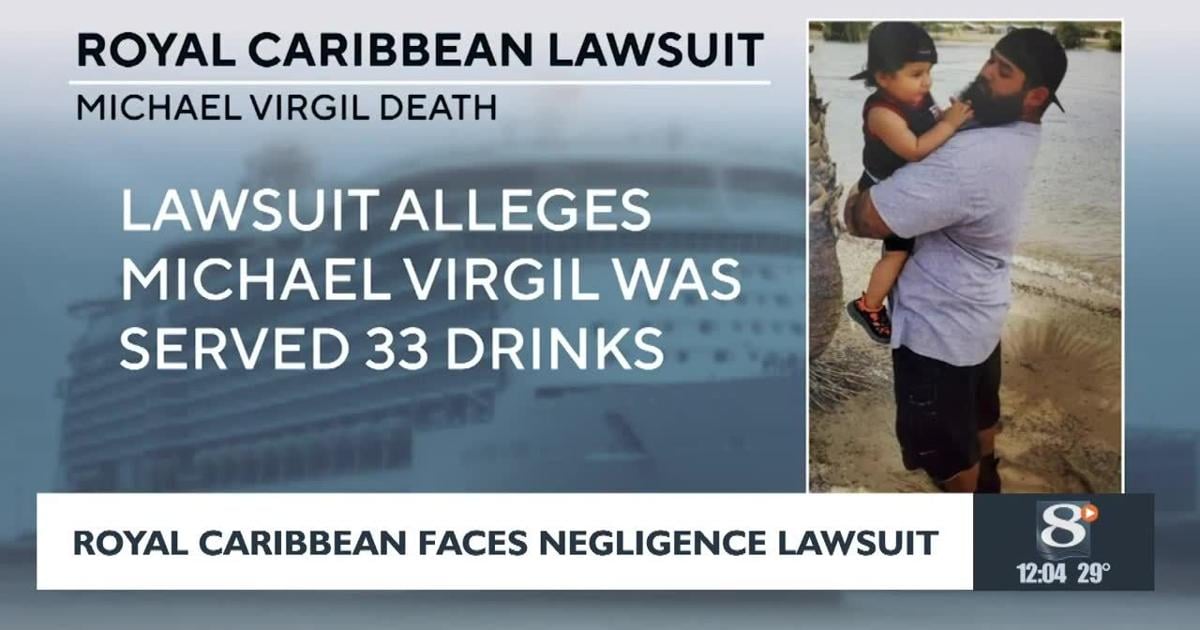
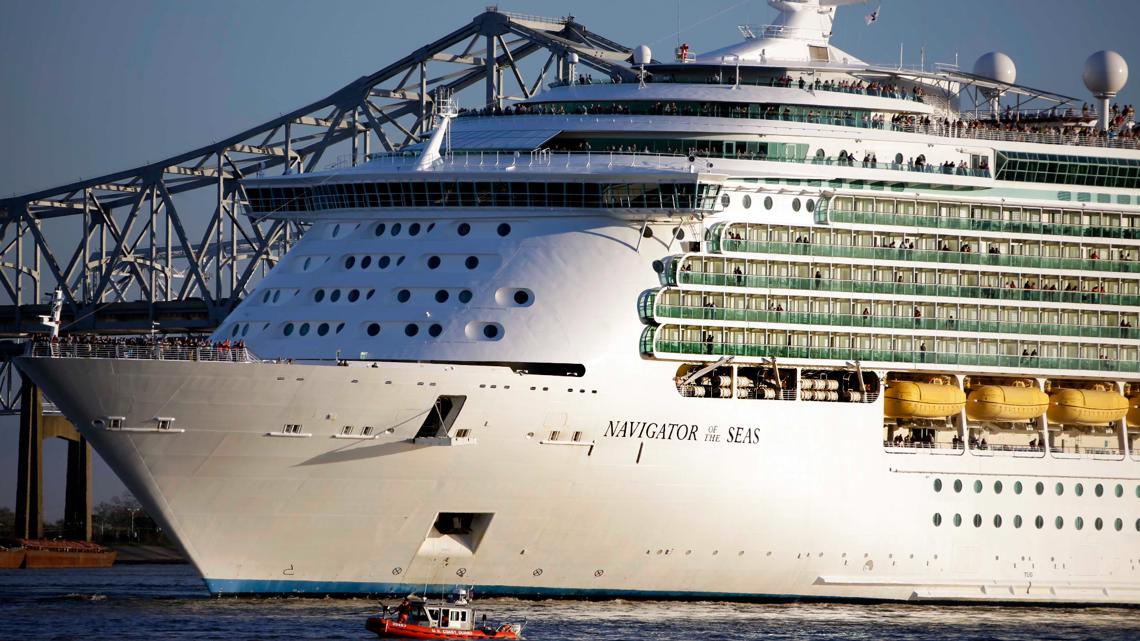
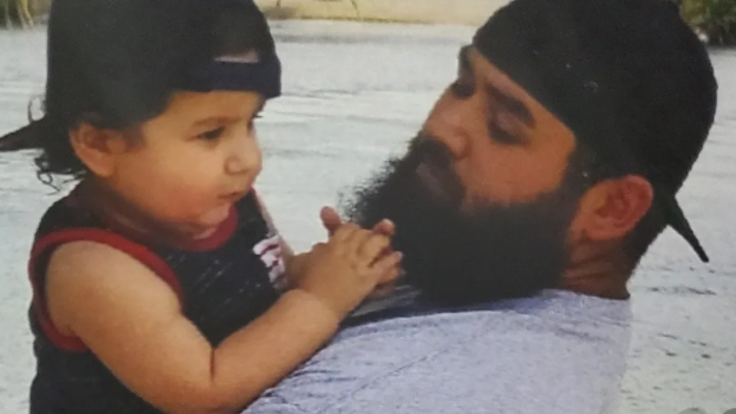
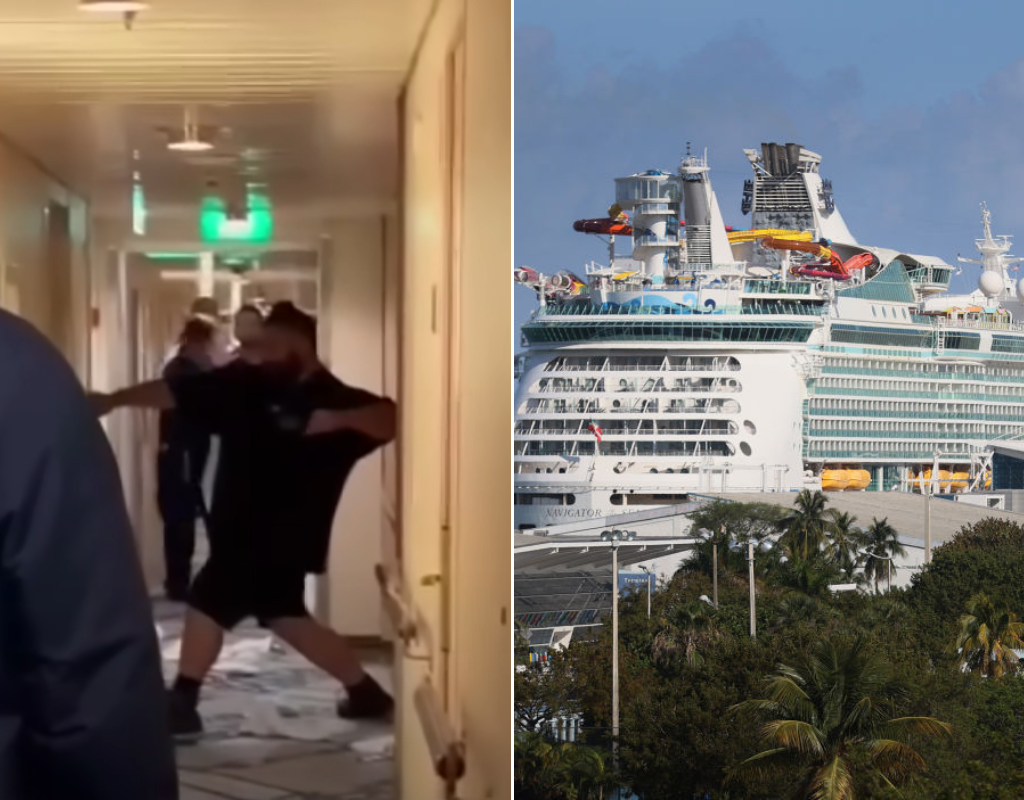
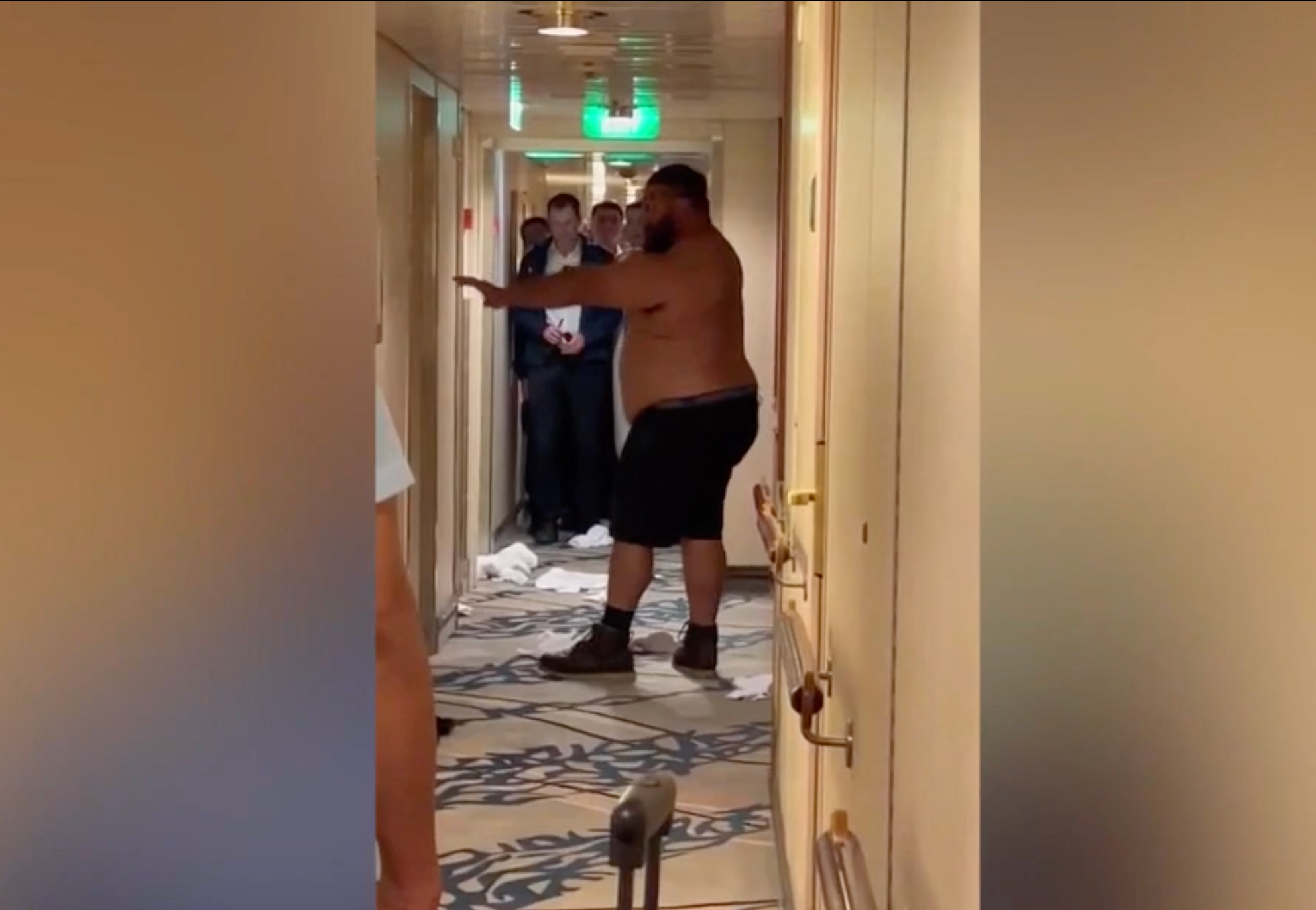
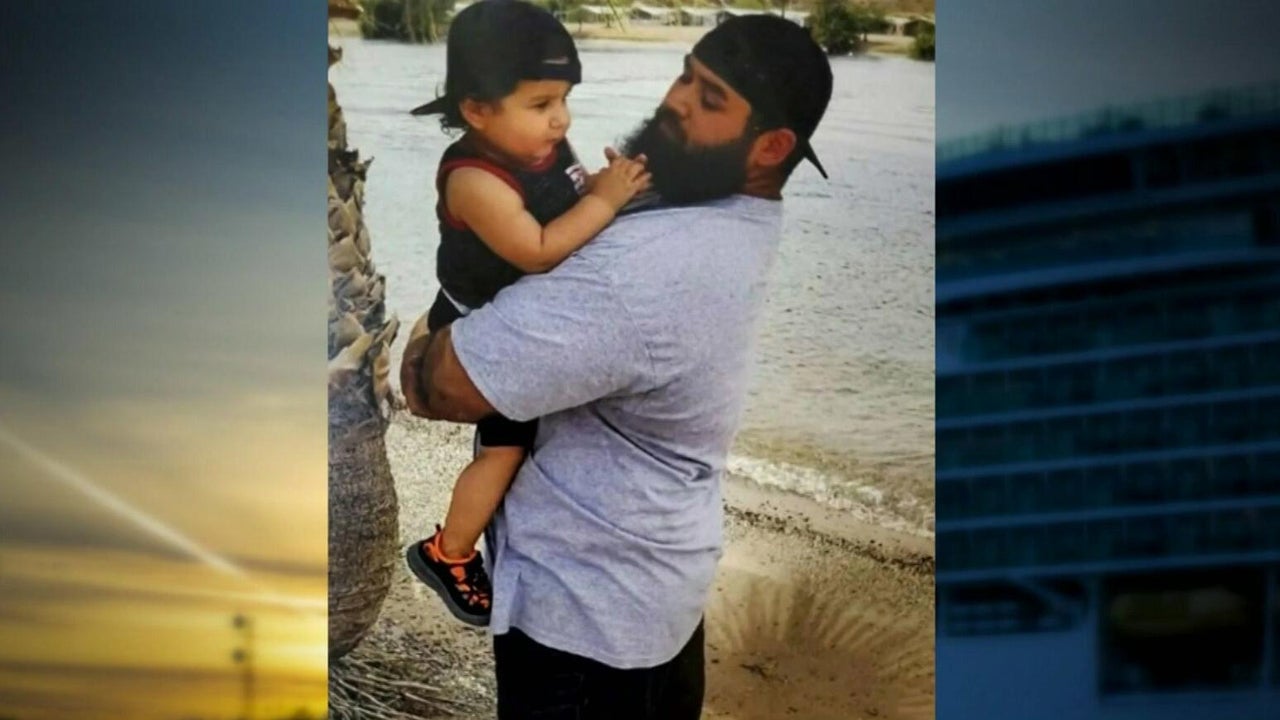
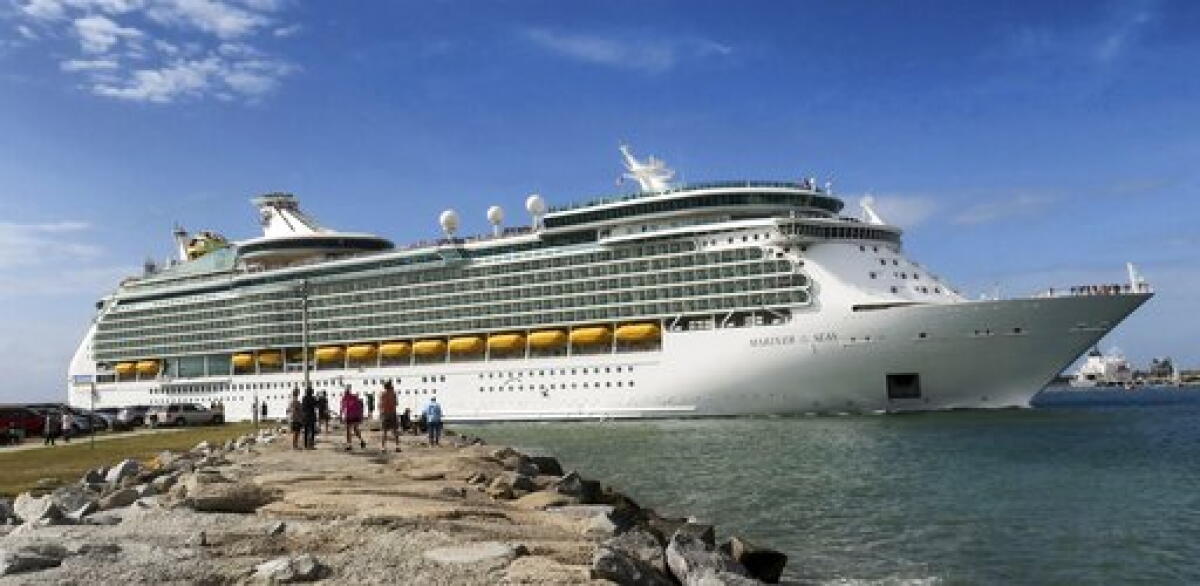
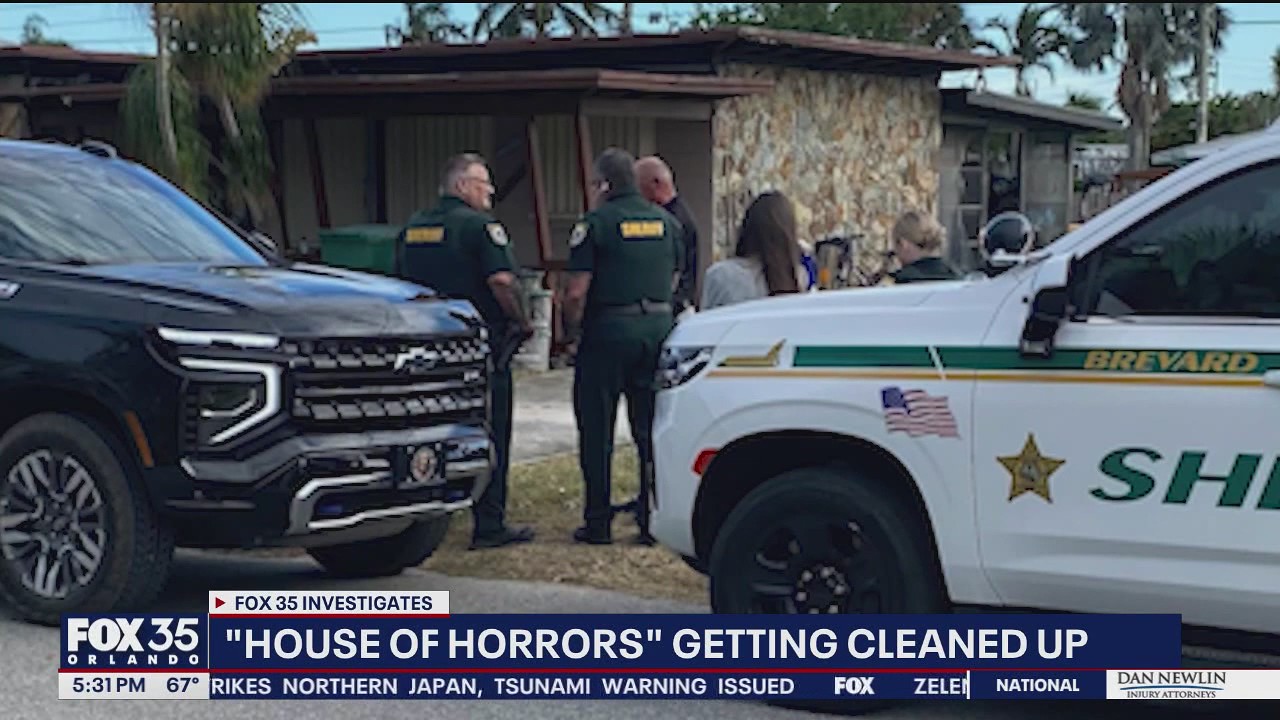
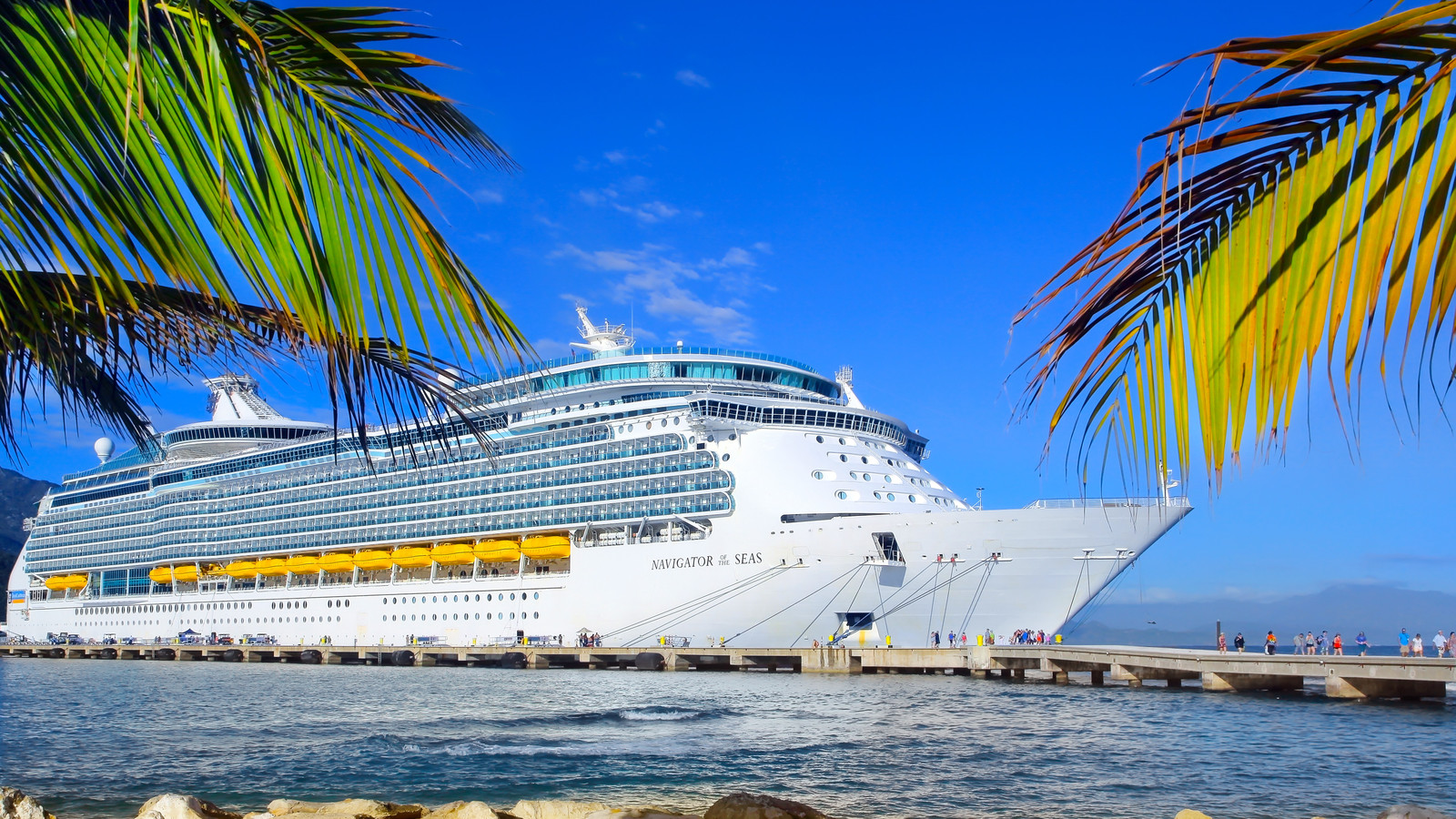
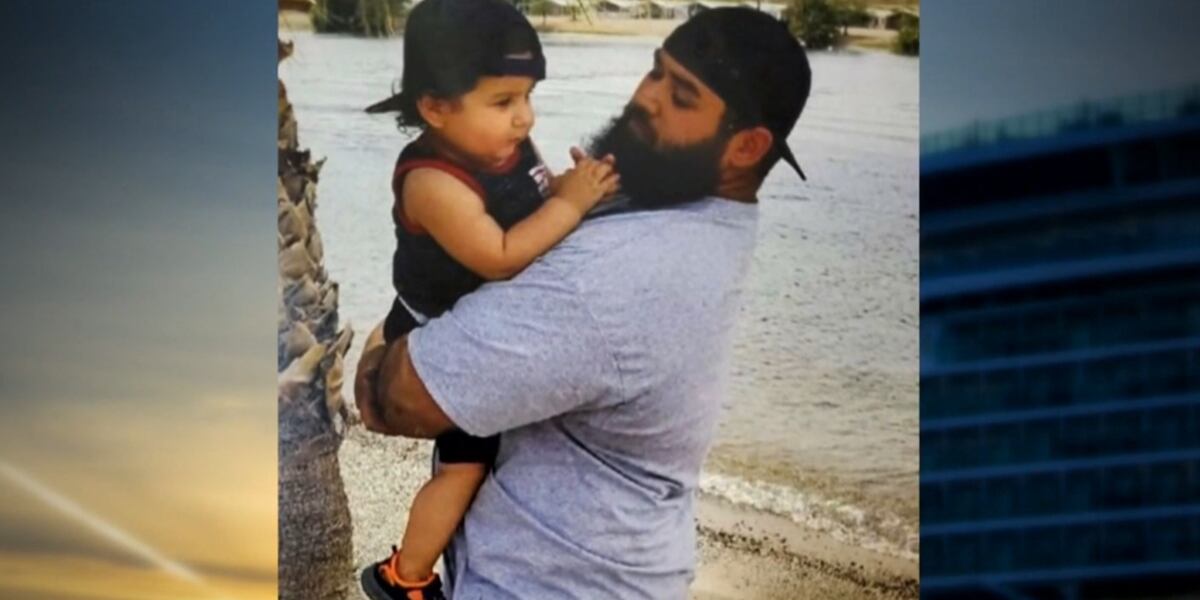
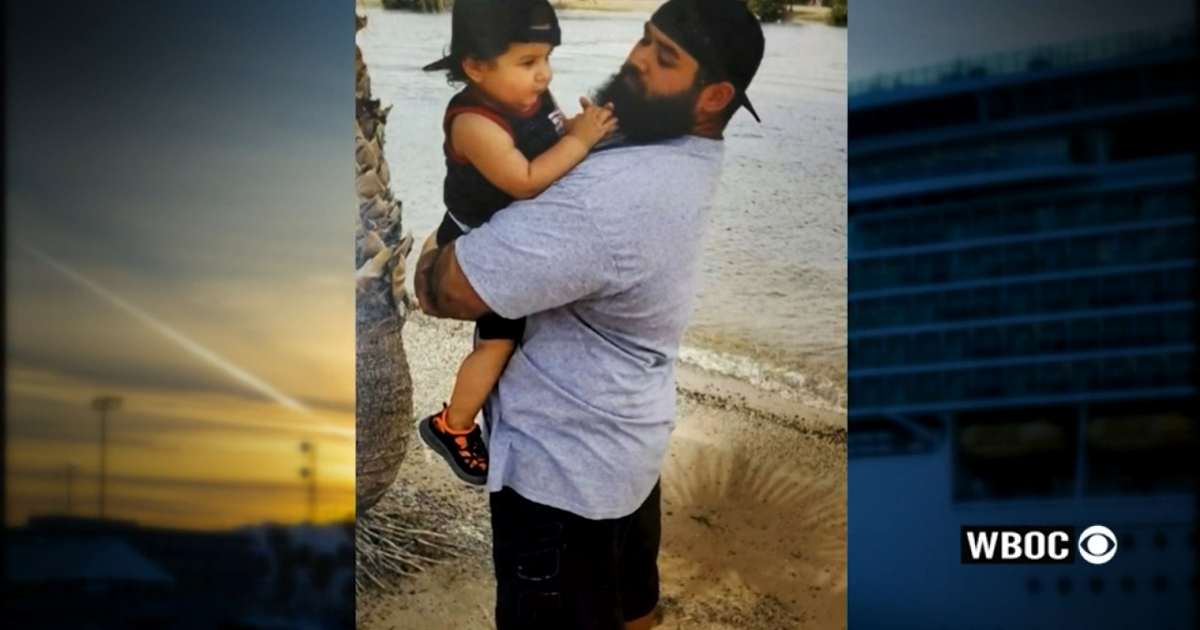
Passenger safety compliance has reached a critical inflection point in the hospitality industry, with the Royal Caribbean lawsuit revealing systemic vulnerabilities that extend far beyond a single tragic incident. The case of Michael Virgil represents a watershed moment that exposes fundamental flaws in alcohol service protocols and passenger management strategies.
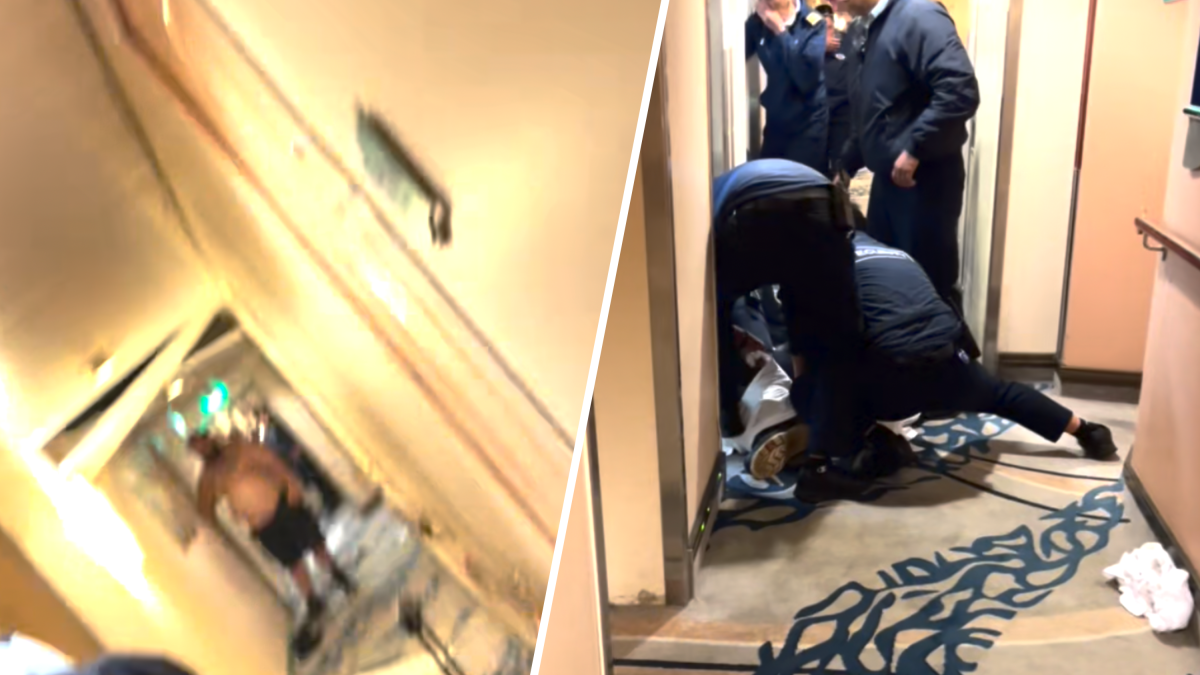
Regulatory compliance failures are at the heart of this incident. By serving 33 alcoholic drinks to a visibly intoxicated passenger, Royal Caribbean demonstrated a catastrophic breakdown in responsible service standards. The medical examiner's homicide determination transforms this from an isolated tragedy to a potential industry-wide risk management crisis. The lawsuit highlights how profit-driven service models can create life-threatening scenarios in confined environments like cruise ships.
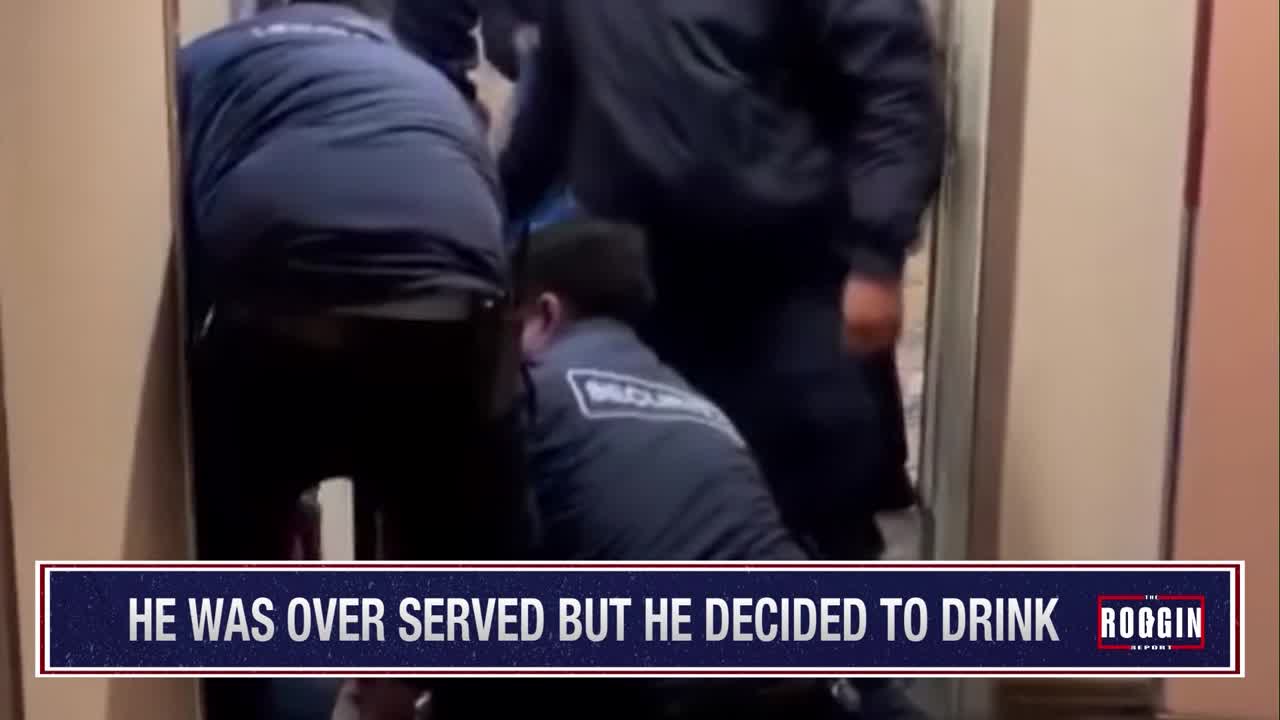
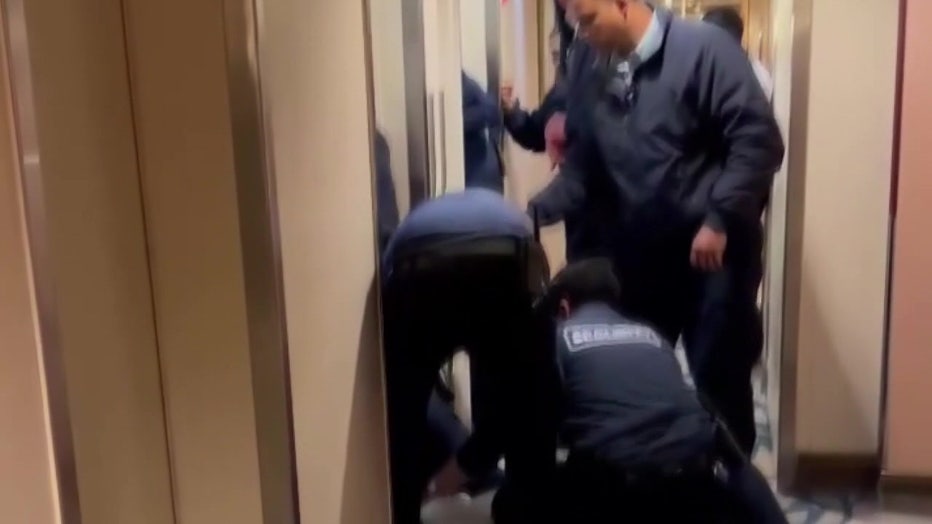
The legal implications are profound. By allegedly continuing to serve alcohol despite clear signs of intoxication, the cruise line may have established a precedent that could trigger widespread regulatory scrutiny. This incident suggests that hospitality liability now extends beyond traditional negligence frameworks, requiring companies to implement more robust safeguards. The compounding factors—excessive alcohol, inappropriate physical restraint, and fatal consequences—create a complex legal landscape that could reshape industry safety standards.
For hospitality providers, this case represents a critical wake-up call. The traditional balance between customer experience and safety has been fundamentally disrupted. Companies must now view passenger management as a comprehensive risk mitigation strategy, integrating medical awareness, de-escalation training, and strict service protocols. The financial and reputational risks of failing to do so have been starkly illustrated by this tragic event.
Strategic recommendations are clear: hospitality businesses must immediately audit their alcohol service policies, invest in comprehensive staff training, and develop nuanced intervention protocols that prioritize passenger safety over revenue generation. The era of unchecked beverage packages and minimal oversight has definitively ended.
Questions 3
What are the broader implications for the hospitality industry?
The incident signals a significant shift towards more rigorous safety standards, with hospitality businesses needing to prioritize passenger well-being over revenue generation. Companies will likely invest more in staff training, risk management, and comprehensive safety protocols.
How might this incident change cruise line alcohol service policies?
Cruise lines will likely implement stricter alcohol service limits, enhanced staff training in recognizing intoxication, and more comprehensive intervention protocols. This may include reduced drink package offerings and more aggressive cut-off procedures for visibly impaired passengers.