

Microsoft's Gaming Performance Revolution: Windows 11 Transforms PC Gaming Experience
- AI and optimization strategies redefine gaming performance for desktop and handheld platforms


.jpg)


Overview
Microsoft is strategically reimagining Windows 11 as a performance-optimized gaming platform, leveraging AI and system-level innovations to create a more responsive, efficient gaming environment. The company's latest developments signal a profound shift from traditional operating system design toward specialized gaming experiences that prioritize performance, efficiency, and user experience.
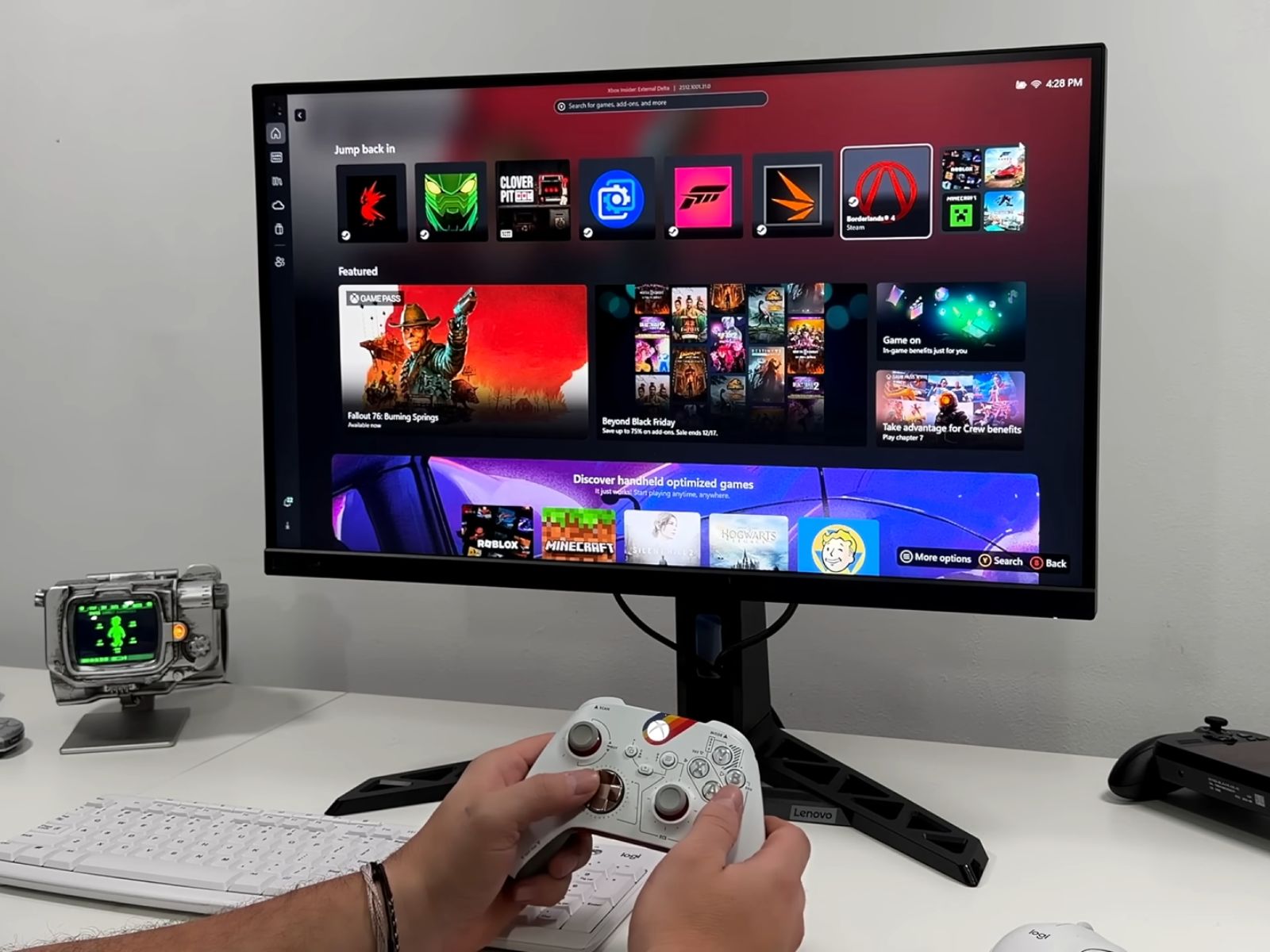
The Xbox Full Screen Experience (FSE) represents a breakthrough in system resource management, demonstrating Microsoft's commitment to gaming optimization. By introducing a mode that reduces RAM usage by 9.3% and potentially increases frame rates by up to 8.6%, Microsoft is addressing a critical pain point for gamers—system overhead. The technology specifically targets lower-end devices with integrated GPUs, democratizing high-performance gaming experiences across different hardware configurations.
Advanced technologies like Advanced Shader Delivery (ASD) and Auto Super Resolution showcase Microsoft's AI-powered approach to gaming performance. These innovations go beyond traditional optimization, using intelligent preloading and upscaling techniques to enhance game launch speeds, visual quality, and battery efficiency. By developing technologies that work across platforms—from handheld devices like the ROG Xbox Ally X to desktop systems—Microsoft is creating a unified gaming ecosystem that adapts to diverse user needs.
The strategic implications are significant. Microsoft is not just improving Windows 11; it's positioning the operating system as a competitive gaming platform that can rival dedicated gaming consoles. By reducing background processes, optimizing shader delivery, and implementing AI-driven upscaling, the company is creating an intelligent gaming environment that dynamically adjusts to user hardware and performance requirements.
Critically, these developments reflect Microsoft's response to increasing competition from Linux-based gaming platforms and the growing demand for more efficient computing experiences. The company is transforming Windows from a generic operating system into a specialized, performance-tuned platform that understands and anticipates gaming requirements.
Questions 3
Will these gaming optimizations be available on all Windows 11 devices?
Initially, features like the Xbox Full Screen Experience and Advanced Shader Delivery will expand to specific platforms, starting with handheld devices like the ROG Xbox Ally X and select AMD Ryzen AI NPU-powered devices. Microsoft is gradually rolling out these optimizations, suggesting a phased approach to broader Windows 11 implementation.
What makes Microsoft's approach to gaming optimization unique?
Microsoft is integrating AI-powered technologies like Advanced Shader Delivery and Auto Super Resolution, which go beyond traditional optimization. These technologies intelligently preload game shaders, enhance visual quality through upscaling, and dynamically manage system resources—creating an adaptive gaming environment that responds to individual user hardware.