

Seismic Shock Reveals Japan's Resilient Disaster Management Strategy
- Unprecedented Megaquake Warning Triggers Nationwide Preparedness Mobilization


Overview
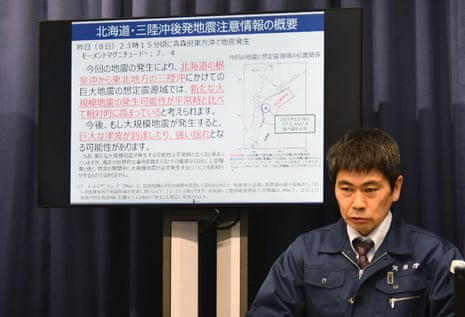
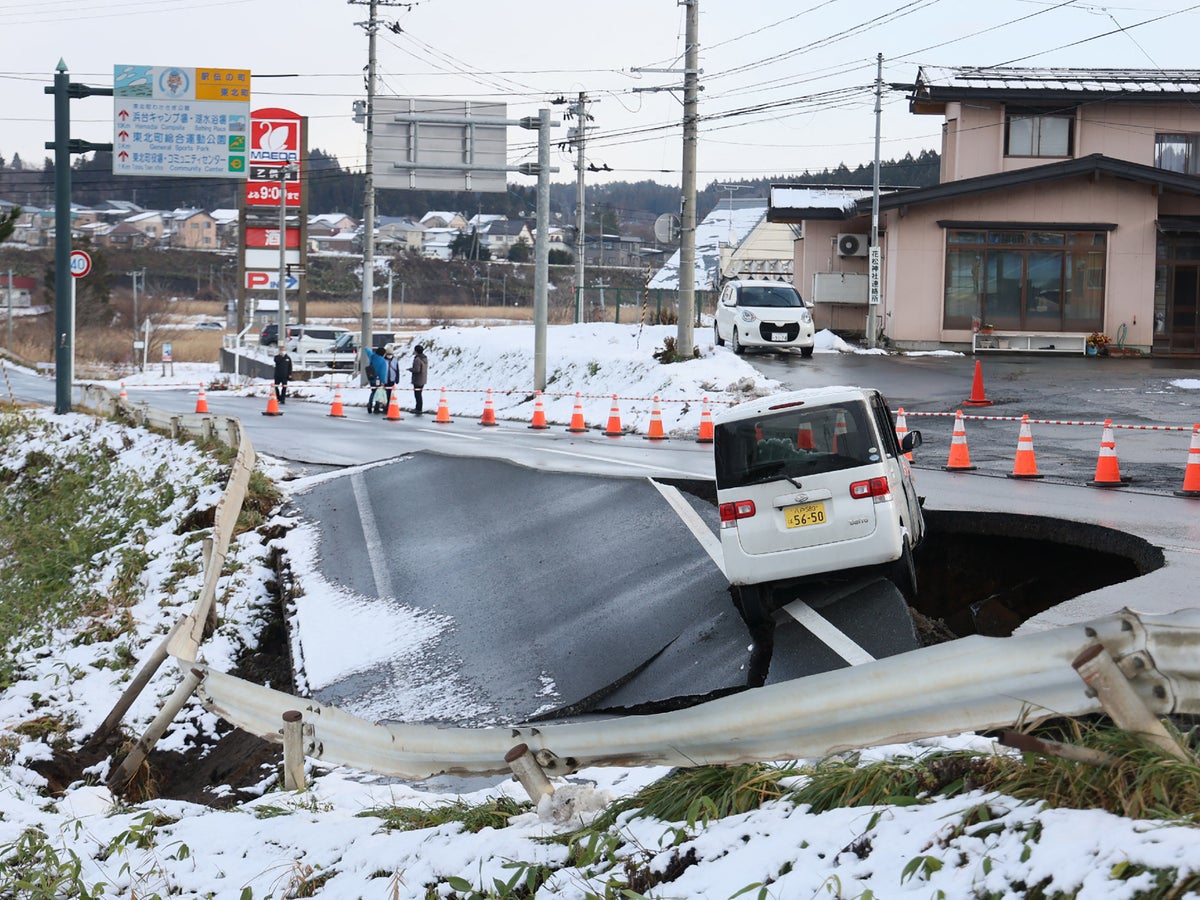
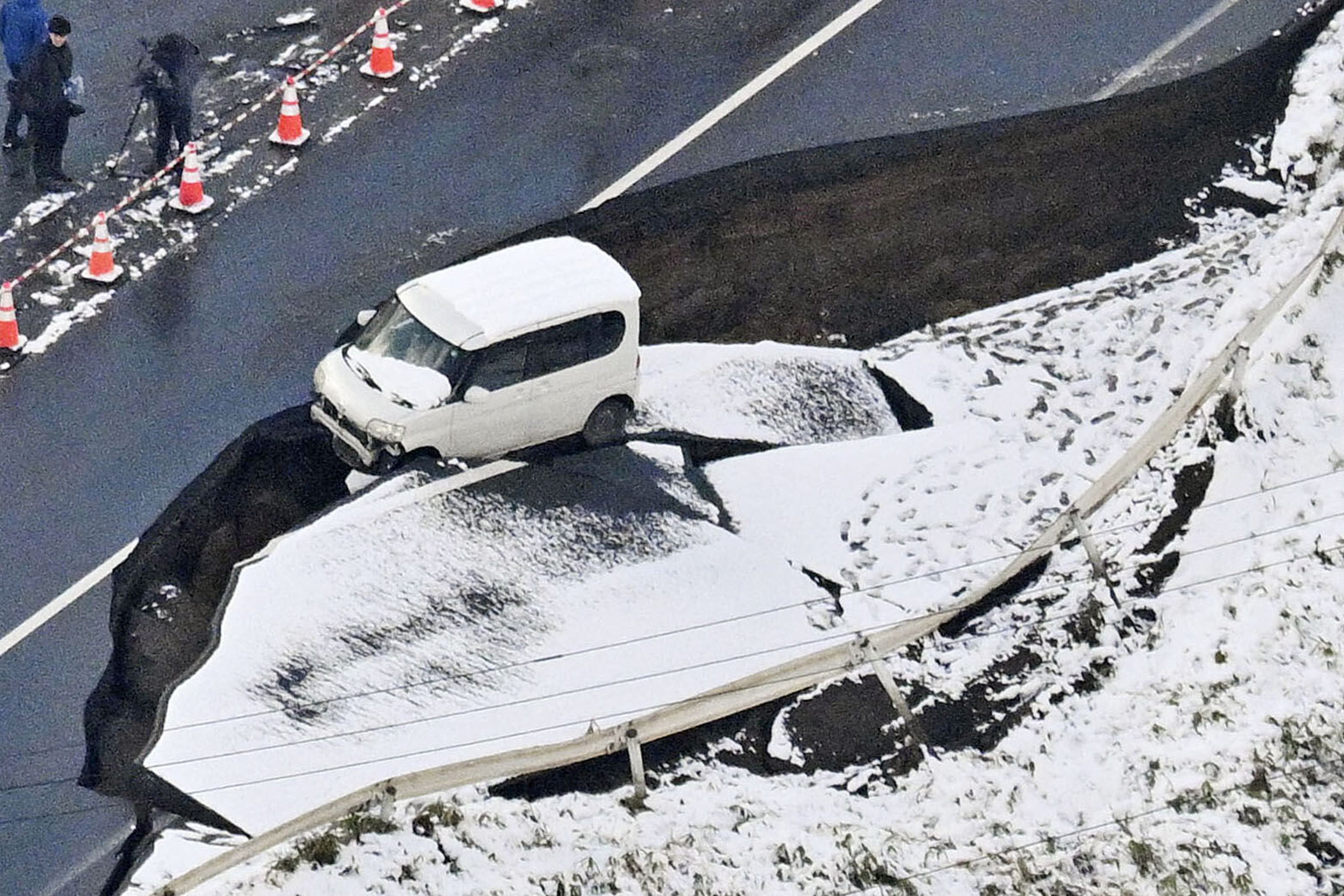
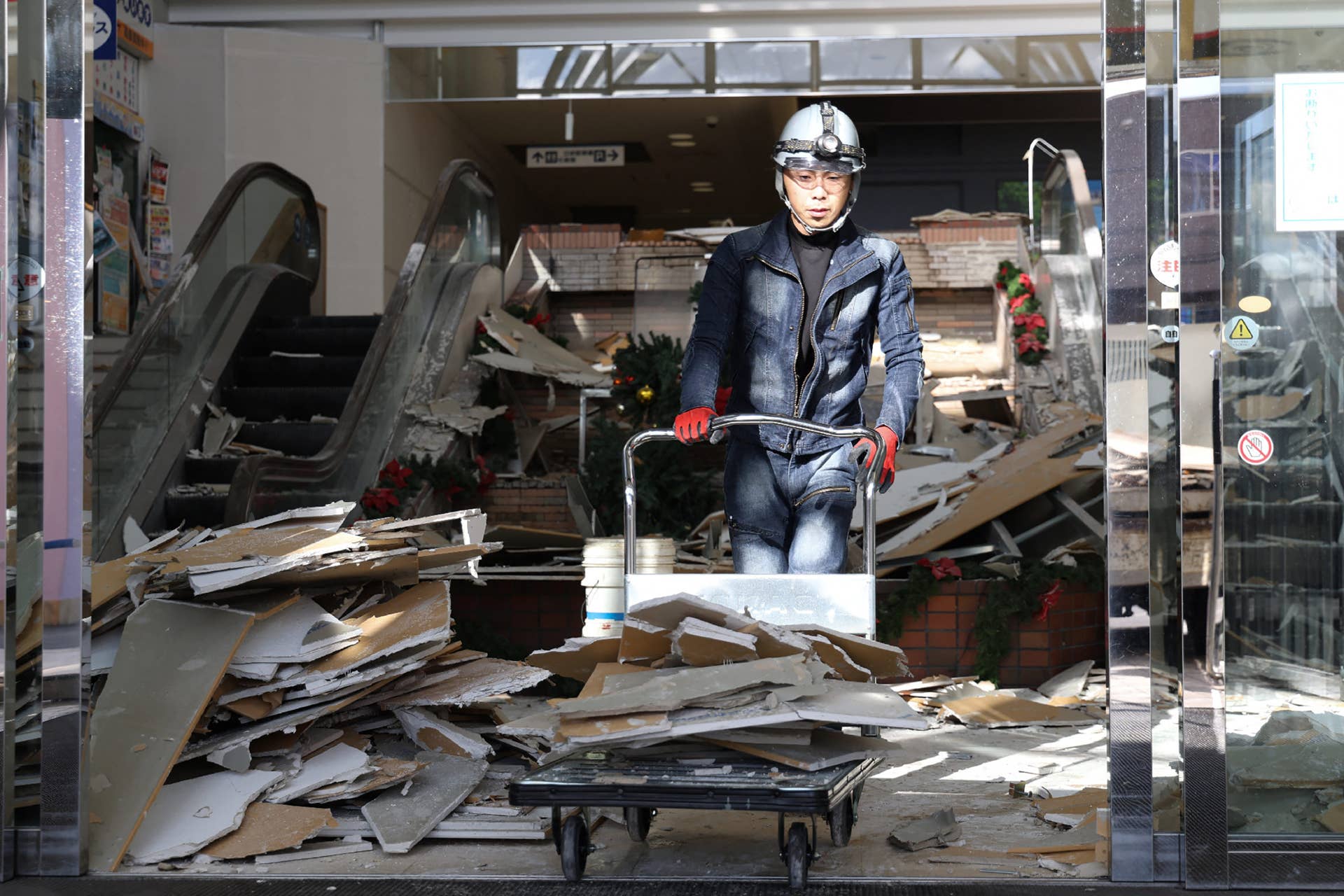
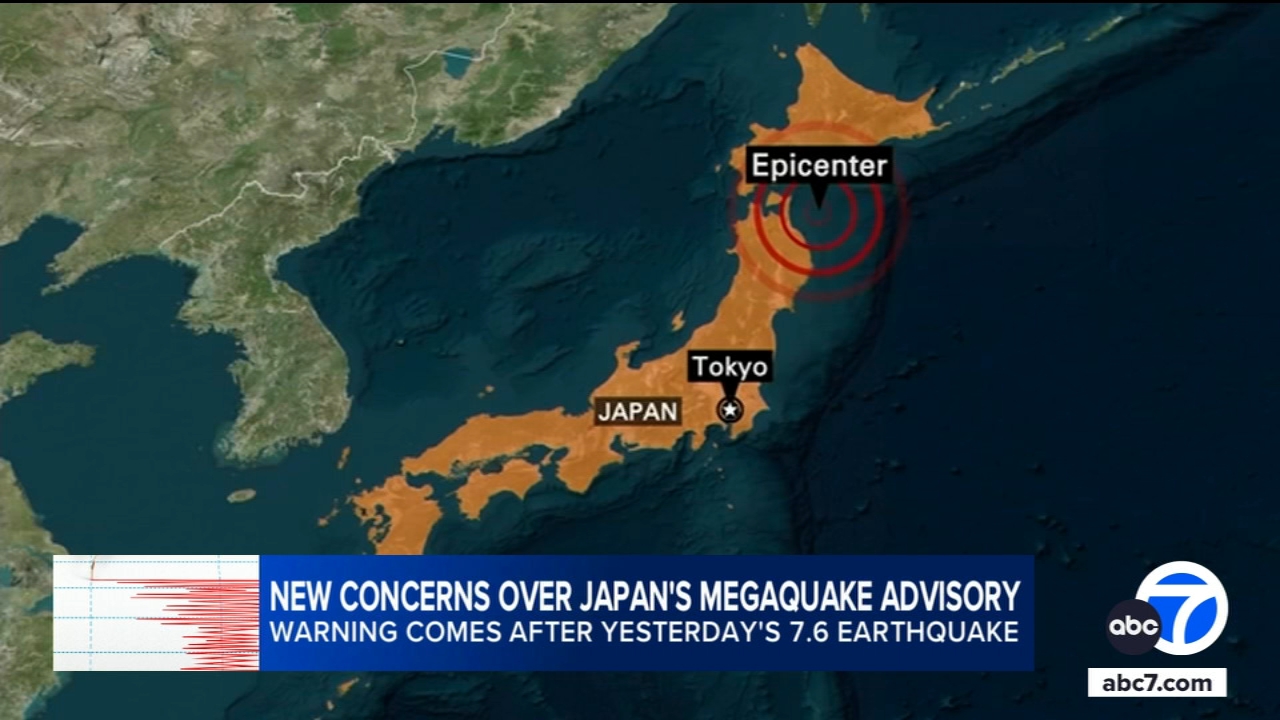
The recent 7.5-magnitude earthquake in northeastern Japan has exposed both the region's geological vulnerability and its world-leading disaster response capabilities. With a rare megaquake advisory spanning 800 miles of coastline, Japan demonstrates a sophisticated approach to national emergency management that goes far beyond traditional crisis response.
Strategic Preparedness in Action: The immediate governmental response reveals a meticulously engineered crisis management framework. Prime Minister Sanae Takaichi's emphasis on individual responsibility signals a critical shift from top-down protection to distributed resilience. By recommending citizens maintain emergency kits, sleep fully clothed, and remain vigilant, authorities are essentially transforming every citizen into a first-responder node in a complex emergency network.
The geographical scale of the warning—affecting 182 municipalities across seven prefectures from Chiba to Hokkaido—underscores the systemic approach to potential seismic events. Nuclear power plants' urgent inspections and schools' enhanced safety protocols demonstrate a multi-layered risk mitigation strategy. Historically, such magnitude-7 earthquakes have sometimes preceded larger seismic events, making the current high-alert status both a precautionary and strategic measure.
Logistics and Infrastructure Resilience: From a supply chain perspective, this event highlights Japan's remarkable ability to maintain operational continuity during potential catastrophic disruptions. The swift mobilization of emergency protocols, coupled with sophisticated ground motion monitoring, ensures minimal economic and infrastructural interruption. Schools reopening with enhanced safety protocols and nuclear facilities conducting immediate inspections showcase a system designed to absorb and adapt to sudden environmental shocks.
The ongoing advisory through December 16th represents more than a warning—it's a live demonstration of Japan's world-leading disaster preparedness ecosystem. By treating potential catastrophes as complex, probabilistic scenarios rather than binary events, the country has developed a dynamic, adaptive emergency management approach that other nations can learn from.
Questions 3
What makes Japan's earthquake response unique compared to other countries?
Japan's approach combines sophisticated technological monitoring, proactive governmental communication, and a culture of individual preparedness. Unlike reactive systems, Japan treats disaster management as a distributed, citizen-engaged process, transforming potential vulnerability into a national resilience strategy.
What are the key lessons for other countries in disaster preparedness?
Japan's model emphasizes multi-layered risk management: technological monitoring, clear public communication, individual empowerment, and adaptive institutional protocols. The key is treating emergencies as complex, probabilistic scenarios requiring continuous adaptation rather than static, one-size-fits-all responses.