


Southeast Asian Border Tensions Escalate: Thailand-Cambodia Conflict Threatens Regional Stability
- Massive Displacement and Military Confrontation Expose Fragile Diplomatic Landscape in Southeast Asia


Overview
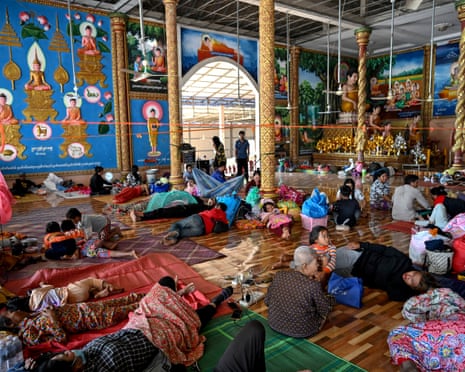
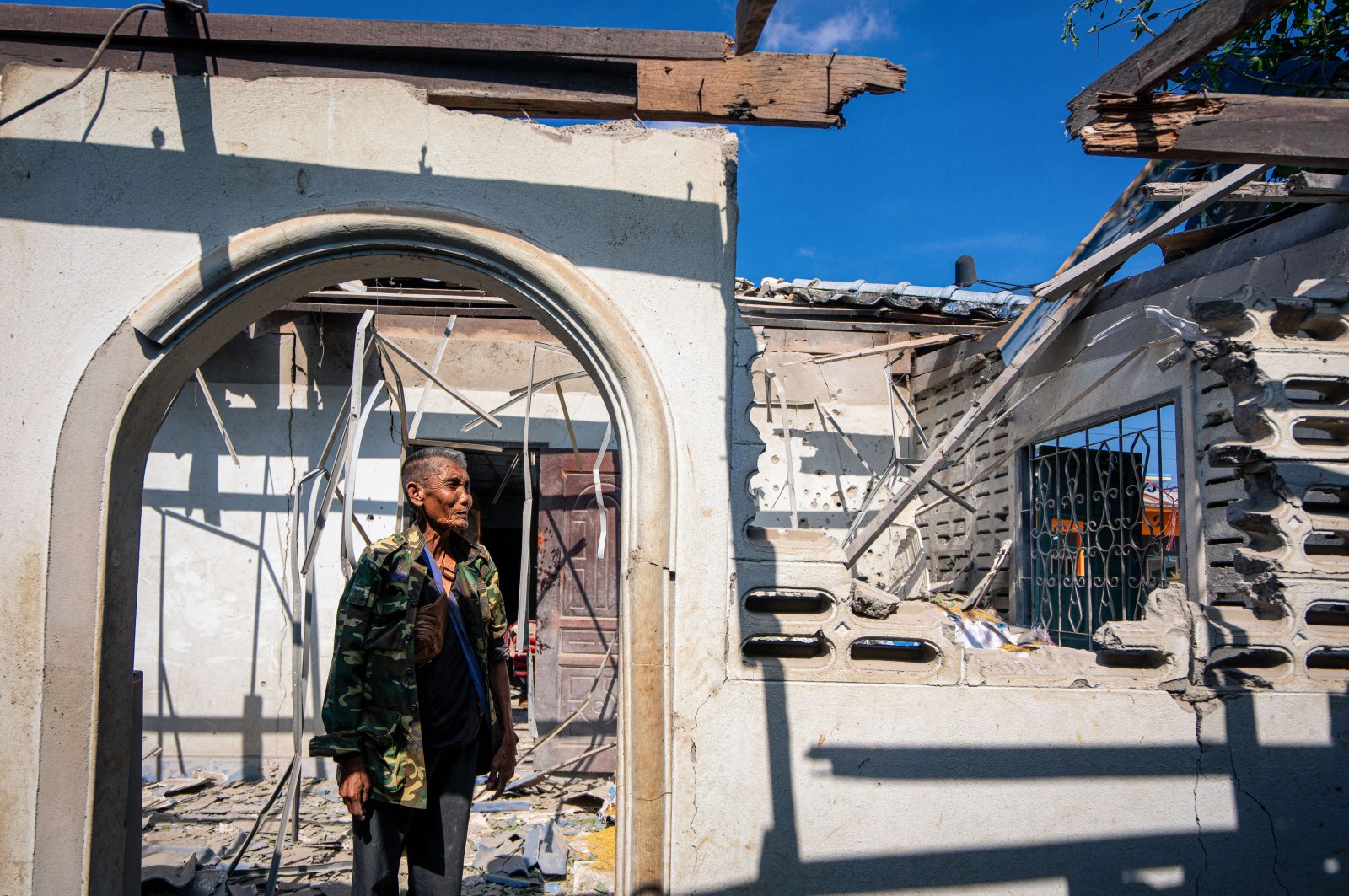
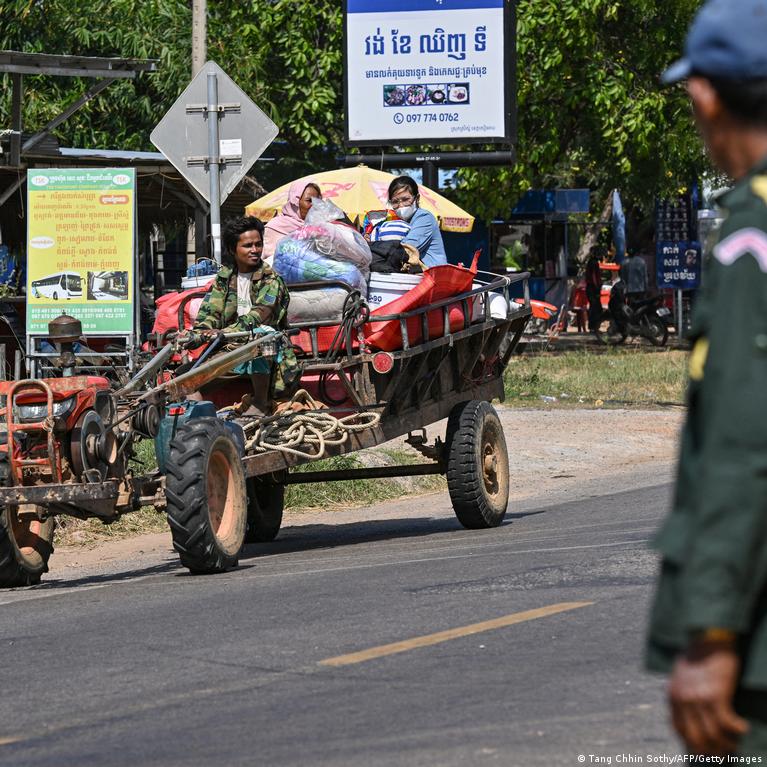
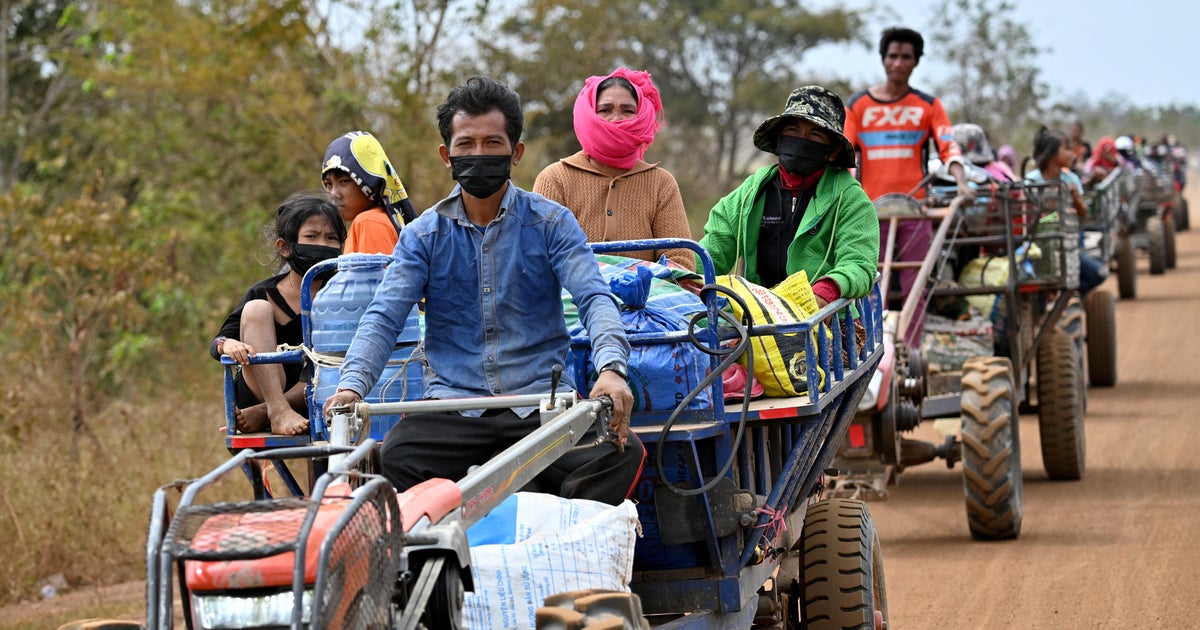
The Thailand-Cambodia border conflict has erupted into a critical geopolitical flashpoint, revealing deep-seated tensions that threaten regional economic and security infrastructures. With over 527,000 people displaced across seven Thai and five Cambodian provinces, the conflict represents more than a mere border dispute—it's a systemic breakdown of diplomatic mechanisms that could reshape Southeast Asian geopolitical dynamics.
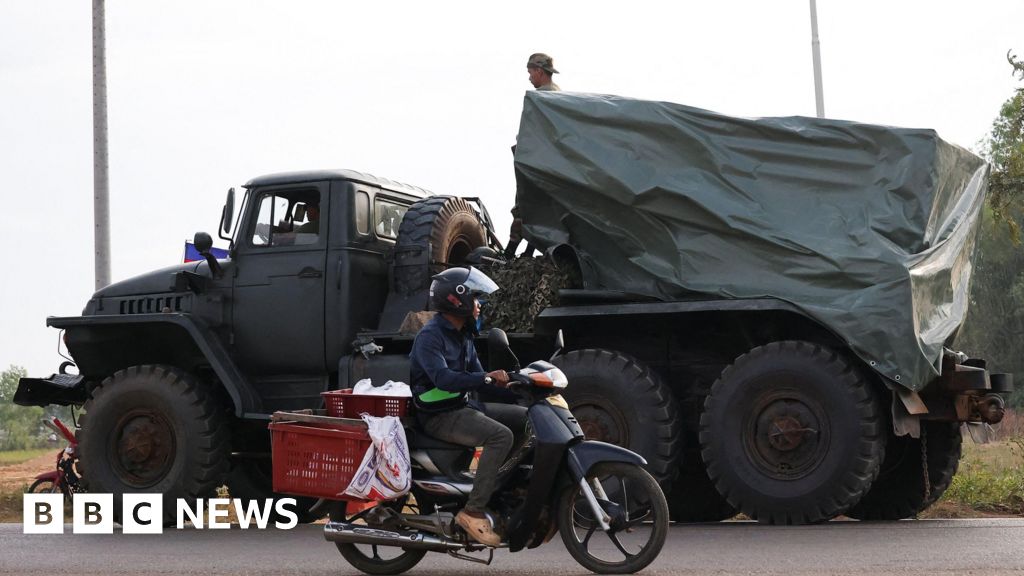
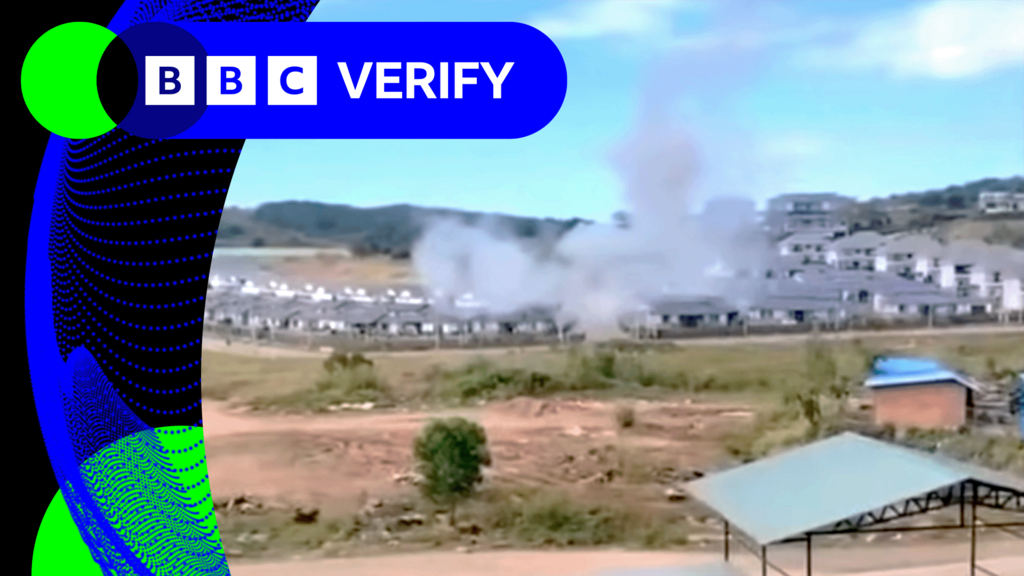
Strategic Military Escalation characterizes this conflict, with both nations deploying sophisticated military assets. Thailand's F-16 jets and Cambodia's BM-21 rocket launchers have transformed a historical territorial disagreement into a high-intensity confrontation. The conflict's origins in colonial-era border demarcation disputes highlight the persistent legacy of historical boundaries in modern geopolitical tensions.
The economic implications are profound. Cross-border trade disruptions and massive population displacement create significant operational risks for businesses operating in the region. Approximately 700 schools have closed, indicating the conflict's deep humanitarian impact and potential long-term socioeconomic consequences. The supply chain interruptions and transportation challenges will likely persist, creating a ripple effect across Southeast Asian markets.
Diplomatic intervention appears increasingly challenging. Former U.S. President Donald Trump's previous mediation in July and current attempts to broker peace seem ineffective, with Thai officials explicitly rejecting third-party mediation. The repeated breakdown of ceasefire agreements suggests a deeply rooted conflict that transcends simple negotiation tactics.
The situation exposes critical vulnerabilities in regional conflict resolution mechanisms. With both Thai Prime Minister Anutin Charnvirakul and Cambodian Senate President Hun Sen maintaining hardline positions, the potential for further escalation remains high. The conflict has already resulted in at least 13 military and civilian casualties, underscoring the urgent need for sustainable diplomatic solutions.
Businesses and policymakers must recognize this as more than a temporary disruption—it represents a potential fundamental restructuring of regional geopolitical and economic relationships. Immediate risk mitigation strategies should focus on supply chain diversification, enhanced security protocols, and flexible operational contingency planning.
Questions 3
What are the primary economic risks for businesses in the Thailand-Cambodia border region?
Businesses face significant risks including supply chain disruptions, transportation challenges, potential asset damage, and operational uncertainties. The conflict has already led to the closure of 700 schools and displaced over 527,000 people, indicating severe economic and logistical complications.
Why are traditional diplomatic mediation efforts failing in this conflict?
The conflict stems from long-standing colonial-era border demarcation disputes with deep historical roots. Both Thailand and Cambodia have demonstrated resistance to external mediation, with Thai officials explicitly rejecting third-party intervention, suggesting that the dispute requires more nuanced, locally-driven resolution strategies.