




Fed's Delicate Dance: Global Markets Brace for Monetary Policy Recalibration
- Navigating Uncertain Economic Terrain with Strategic Monetary Precision for Investors and Businesses





























!role~Preview!mt~photo!fmt~JPEG%20Baseline)







Overview
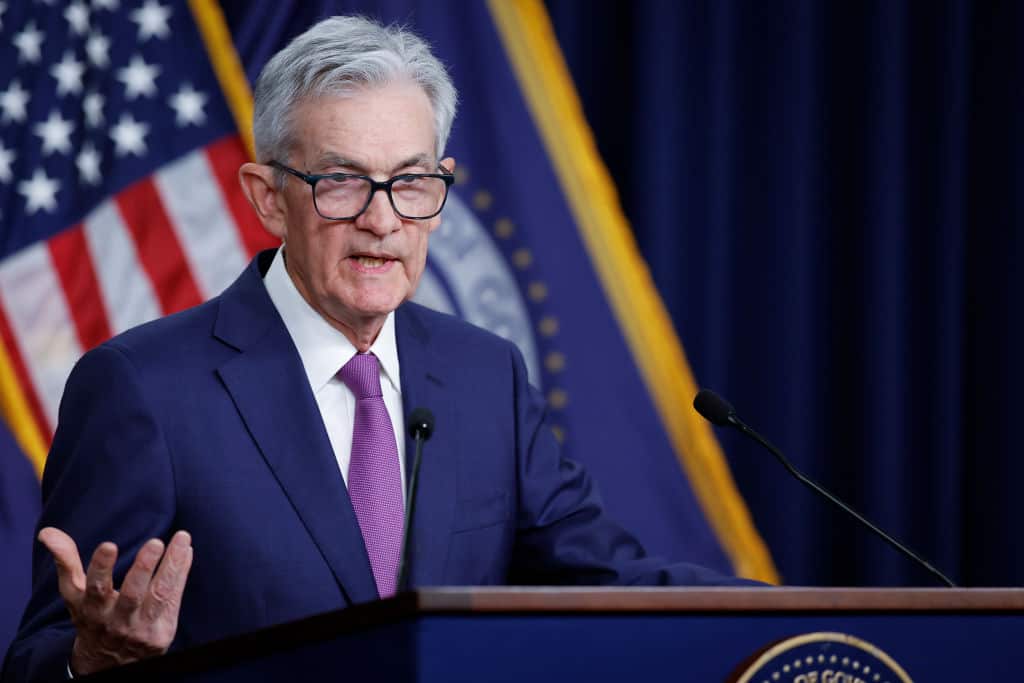
The global financial landscape stands at a critical inflection point, with the Federal Reserve's upcoming rate decision casting a long shadow across international markets. At the heart of this economic drama lies a nuanced challenge: how to navigate monetary policy amid conflicting signals and geopolitical tensions.
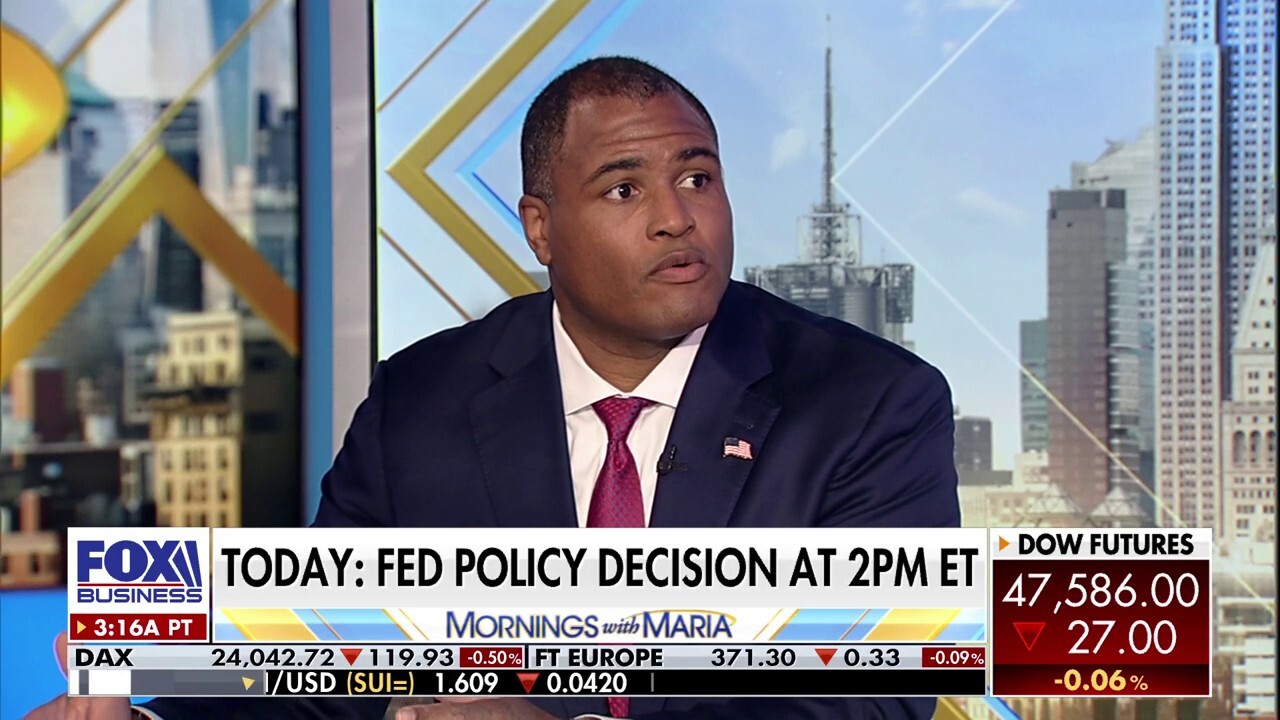
The current market environment reveals a complex interplay of economic indicators that defy simple interpretation. With an 87.6% probability of a rate cut according to the CME FedWatch tool, investors are anticipating a potentially 'hawkish cut' - a delicate maneuver where rate reduction comes packaged with signals of future restraint. This approach reflects the Fed's sophisticated understanding of the current economic ecosystem.
Underlying this monetary strategy are profound global dynamics. China's economic landscape presents a particularly intricate picture, with consumer prices rising 0.7% year-on-year while simultaneously experiencing persistent producer price deflation. This nuanced economic terrain is further complicated by regional geopolitical tensions, particularly between Japan and China, which add layers of uncertainty to market calculations.
The technological dimension adds another layer of complexity. With significant investments from tech giants like Microsoft ($17.5 billion in cloud and AI) and Amazon (over $35 billion by 2030), the intersection of monetary policy and technological innovation becomes increasingly critical. The talent landscape further underscores this trend, with China producing 3.57 million STEM graduates in 2020 compared to the U.S.'s 820,000 - signaling potential shifts in global technological competitiveness.
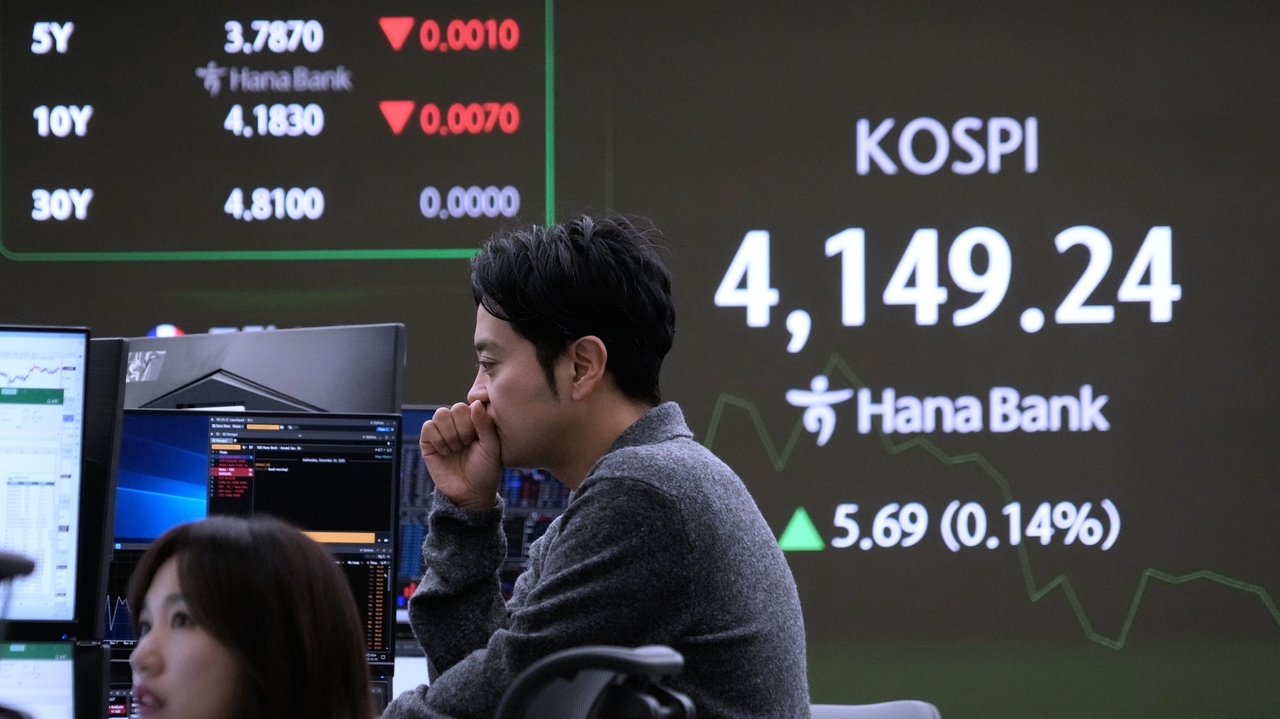
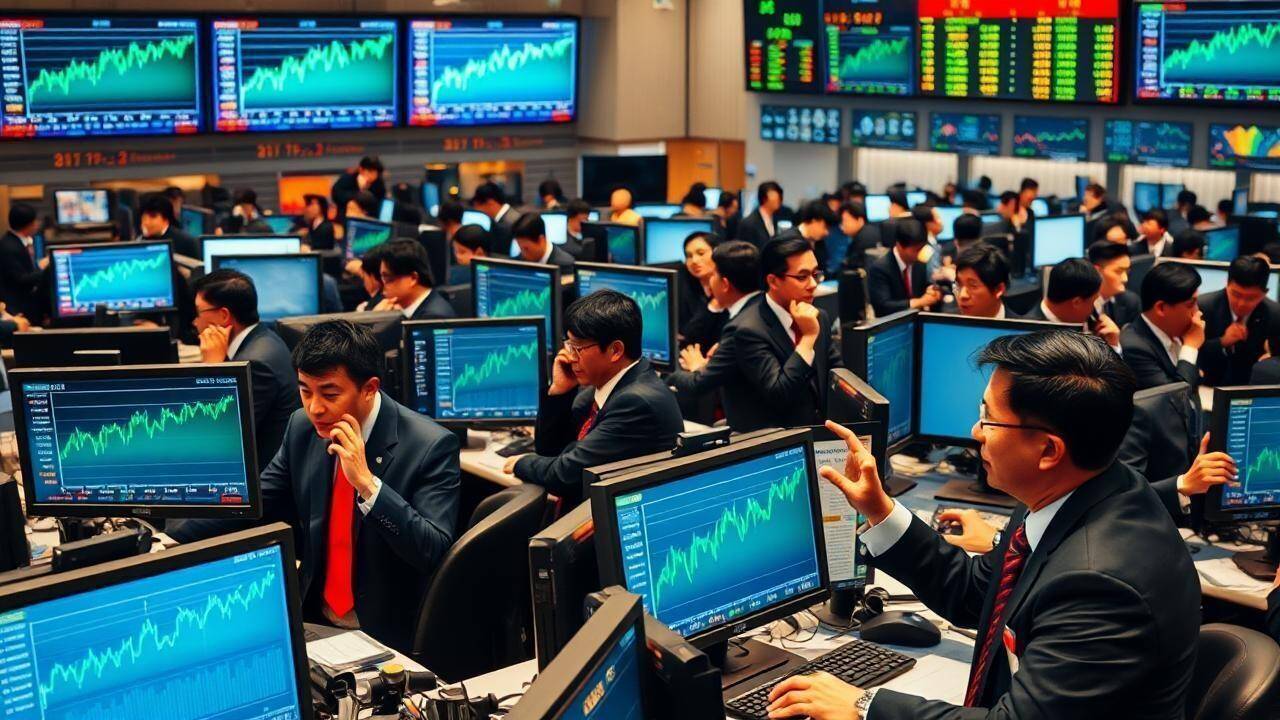
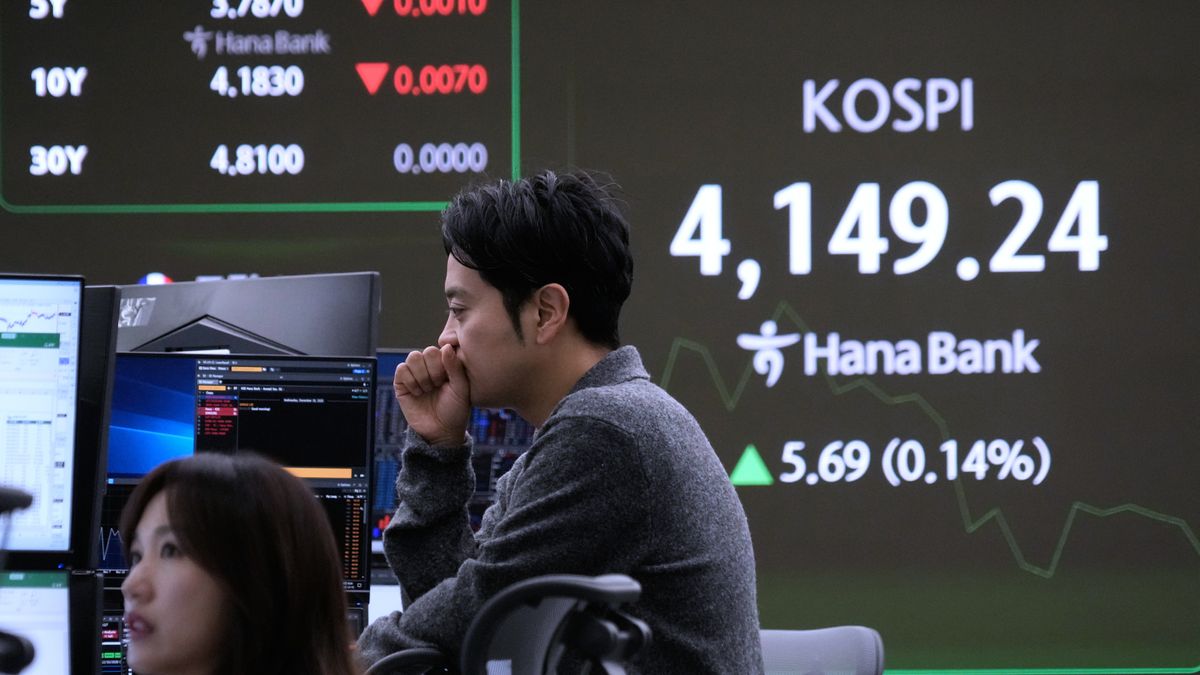
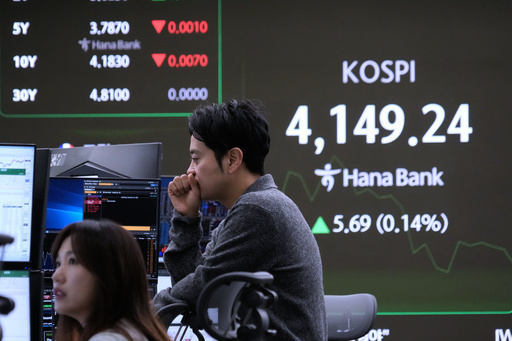
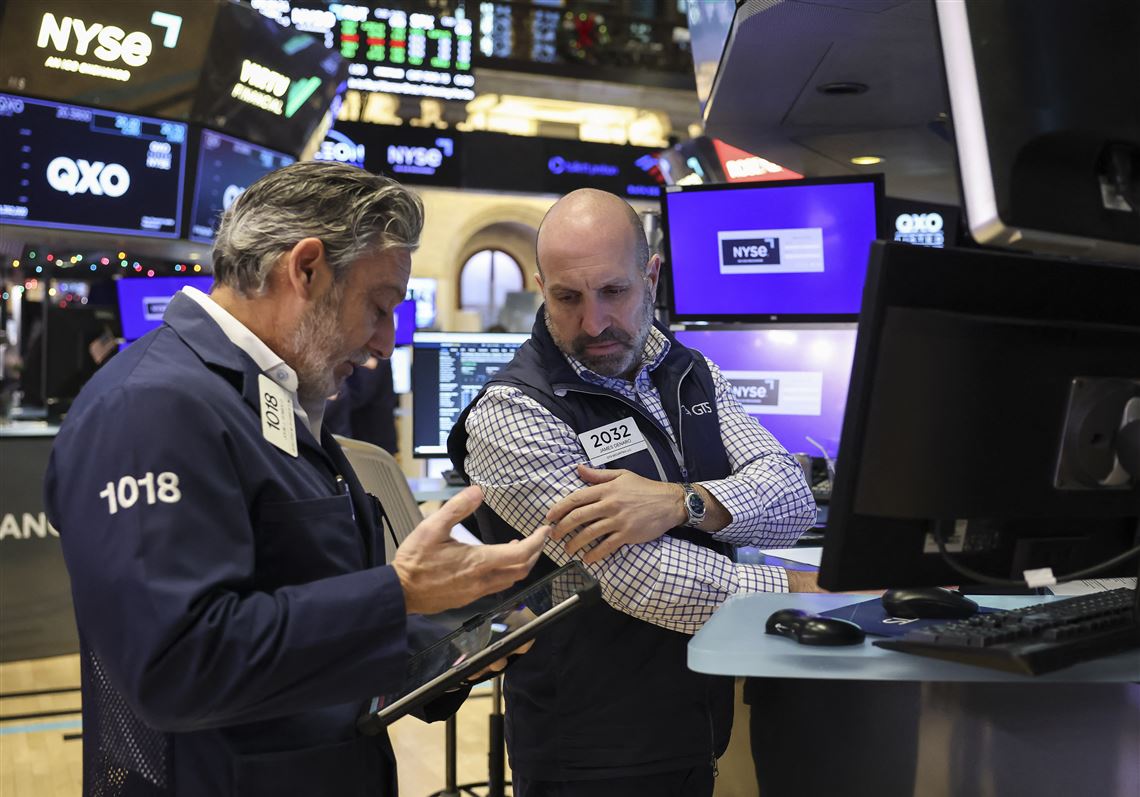
For investors and businesses, the key imperative is adaptability. The current market suggests a cautious approach, with major indices experiencing fluctuating movements that reflect deep uncertainty. Cross-border e-commerce sellers, tech investors, and multinational corporations must remain nimble, prepared to rapidly adjust strategies in response to potential monetary policy shifts.
Questions 3
What strategic considerations should businesses have given the current economic landscape?
Businesses should prioritize flexibility, closely monitor global economic indicators, and be prepared to quickly adjust strategies. This includes maintaining adaptable investment portfolios, understanding potential shifts in consumer spending, and staying informed about monetary policy changes that could impact cross-border operations.
What does the 'hawkish cut' mean for investors?
A 'hawkish cut' suggests the Federal Reserve will reduce interest rates while simultaneously signaling caution about future reductions. This means investors should expect limited monetary easing and prepare for a potentially more restrictive financial environment that requires strategic, adaptive investment approaches.