




The Transatlantic Rupture: Trump's Strategic Assault on European Unity
- Geopolitical realignment threatens post-World War II alliance framework
)

)





)

Overview
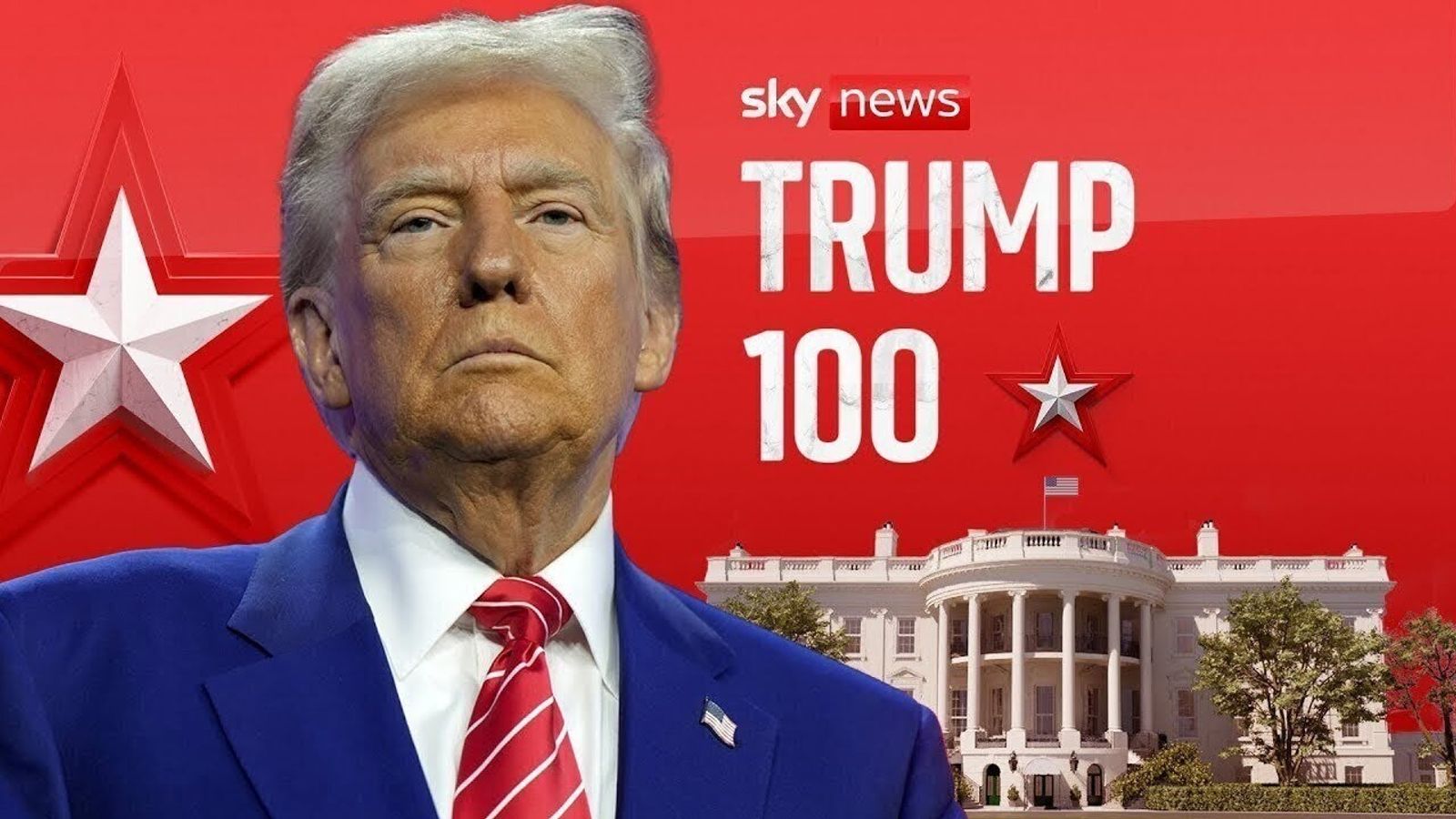
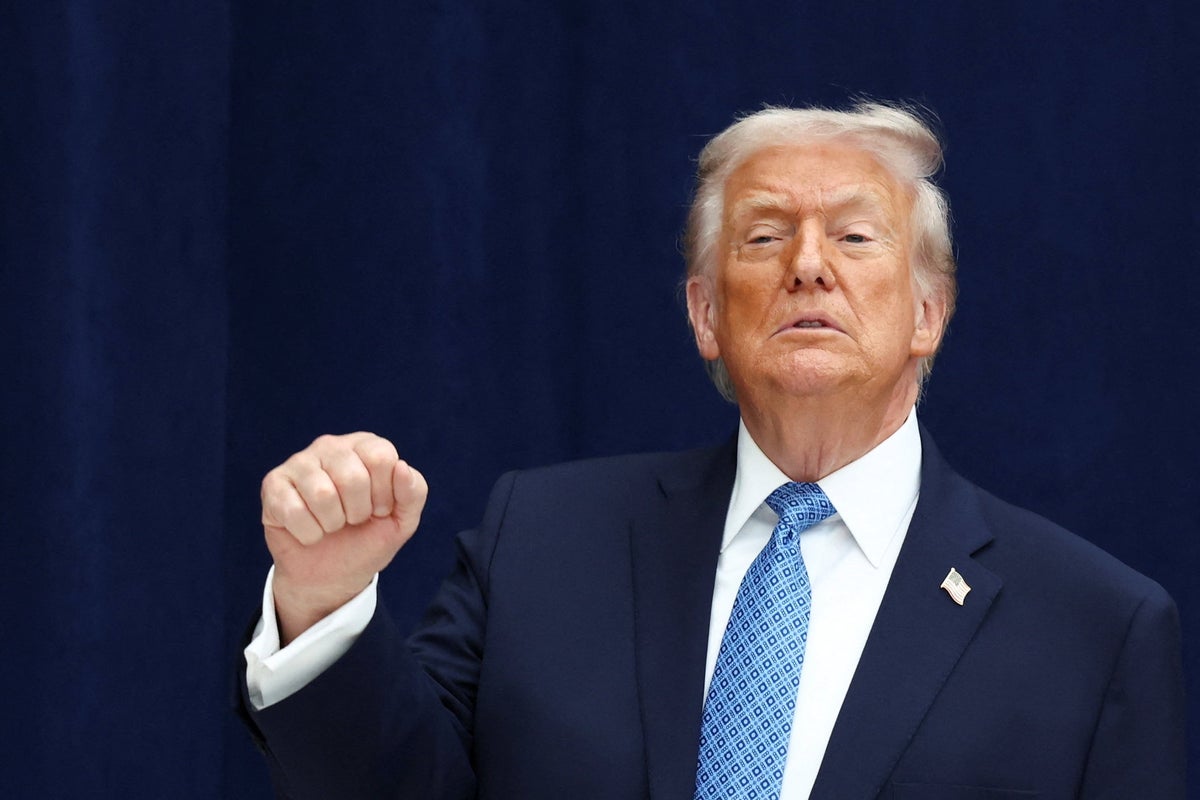
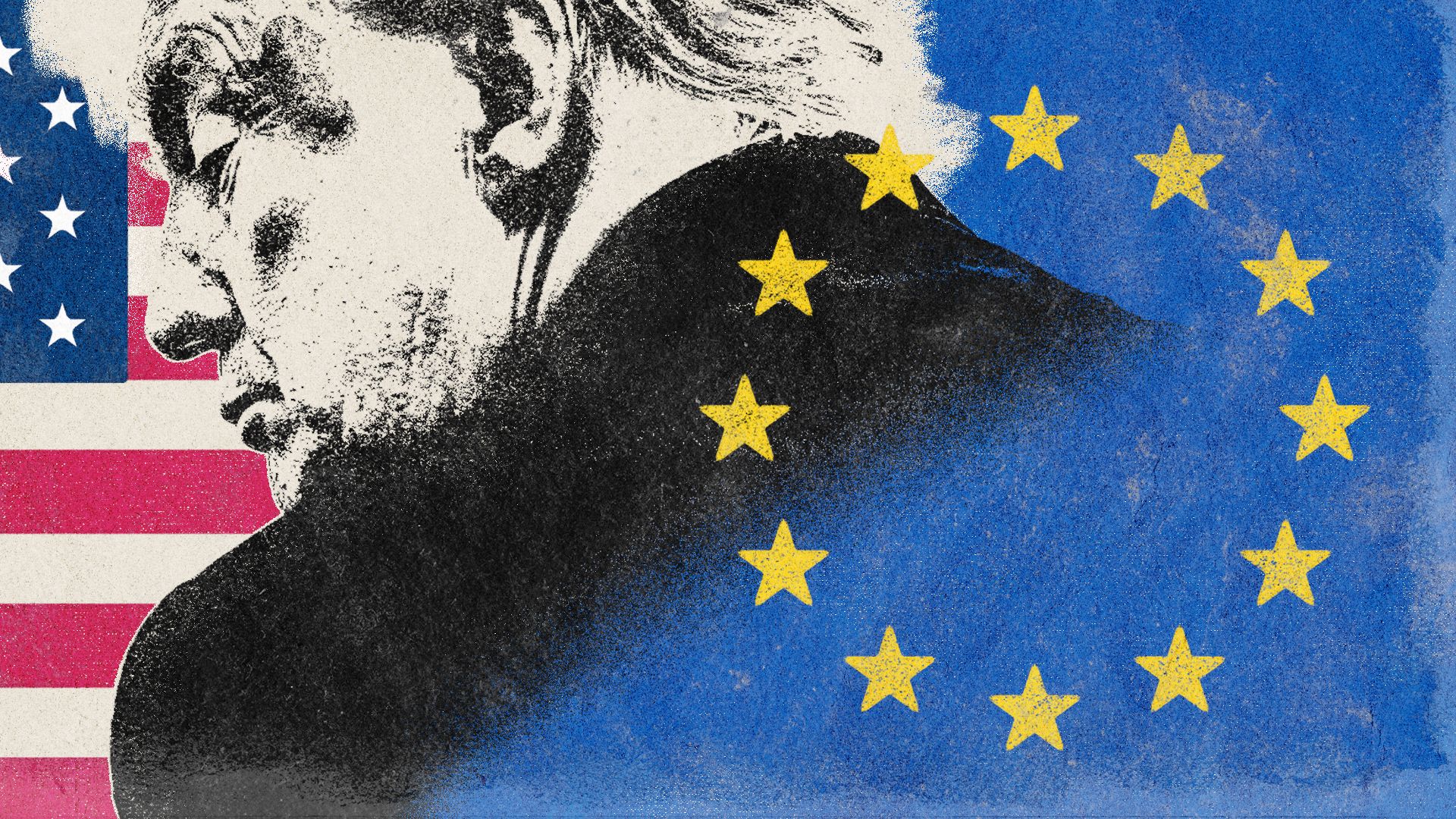
The emerging geopolitical landscape reveals a profound strategic decoupling between the United States and Europe, with the Trump administration orchestrating a systematic dismantling of traditional transatlantic relationships. At the epicenter of this tectonic shift lies a multifaceted conflict that extends far beyond diplomatic rhetoric, signaling a fundamental reimagining of international strategic partnerships.
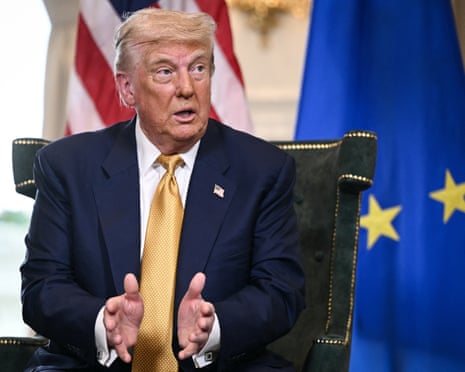
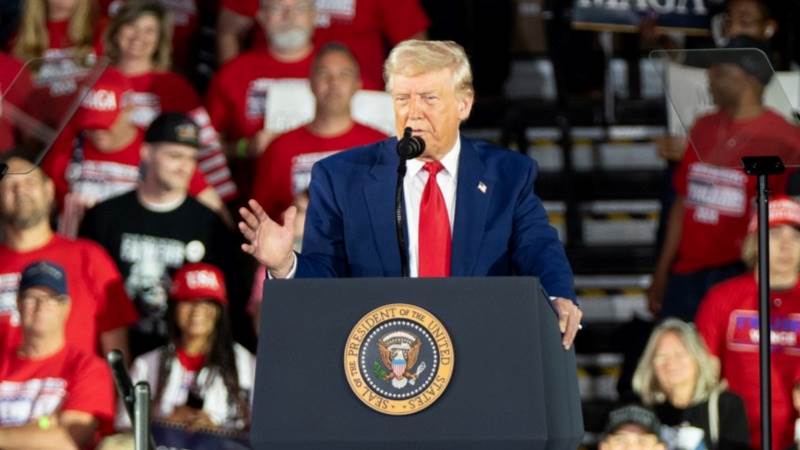
Diplomatic Confrontation Dynamics emerge through two critical vectors. First, the EU's €140 million fine against Elon Musk's X platform serves as a symbolic battleground, with Trump characterizing European regulatory actions as "bureaucratic tyranny". This is not merely a platform dispute, but a broader challenge to European institutional authority. Senior U.S. officials, including hypothetical Vice President Vance and Secretary of State Rubio, have strongly condemned EU actions, suggesting potential retaliatory measures.
The strategic reconfiguration goes deeper than surface-level tensions. The Trump administration's new National Security Strategy explicitly frames Europe as a geopolitical adversary, challenging migration policies and demographic trajectories. Geopolitical analyst Ian Bremmer's interpretation is particularly revealing: Trump views a strong, united Europe not as an asset, but as a potential threat to U.S. strategic interests.
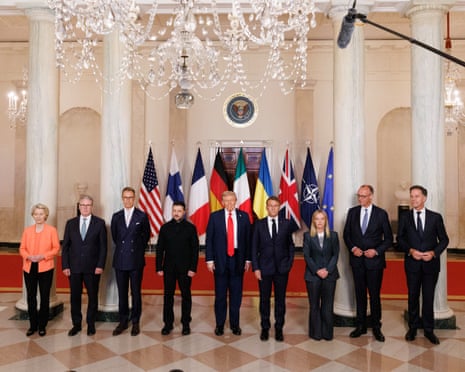
Geopolitical Implications are profound and potentially transformative. The White House's approach suggests a deliberate strategy of cultivating resistance within EU member states, questioning the reliability of European allies. Russia has strategically welcomed these tensions, seeing them as aligned with its own geopolitical vision. The timing is crucial—occurring amid delicate diplomatic efforts to resolve the Ukraine conflict—with European leaders attempting to demonstrate unity while facing unprecedented external pressure.
The broader context suggests we are witnessing more than a diplomatic disagreement: this represents a potential fundamental restructuring of post-World War II international relations. The risk is not just reduced cooperation, but a complete reimagining of global strategic alignments with long-term consequences for international security architecture.
Questions 3
What are the primary drivers of the current US-European diplomatic tensions?
The tensions stem from multiple factors: the EU's regulatory actions against tech platforms like X, diverging perspectives on migration and demographic changes, and the Trump administration's strategic reframing of Europe as a geopolitical adversary. The conflict extends beyond specific incidents to a fundamental reassessment of transatlantic strategic partnerships.
How might these diplomatic tensions impact global security arrangements?
These tensions risk undermining NATO cohesion and potentially fragmenting the post-World War II international security framework. By cultivating resistance within EU member states and questioning allied reliability, the current approach could create strategic vulnerabilities and opportunities for competing global powers like Russia.