


Trump's Inflammatory Immigration Rhetoric Reveals Deep Economic Anxiety and Political Polarization
- Escalating anti-immigrant discourse signals complex economic and social tensions impacting cross-border dynamics


















Overview
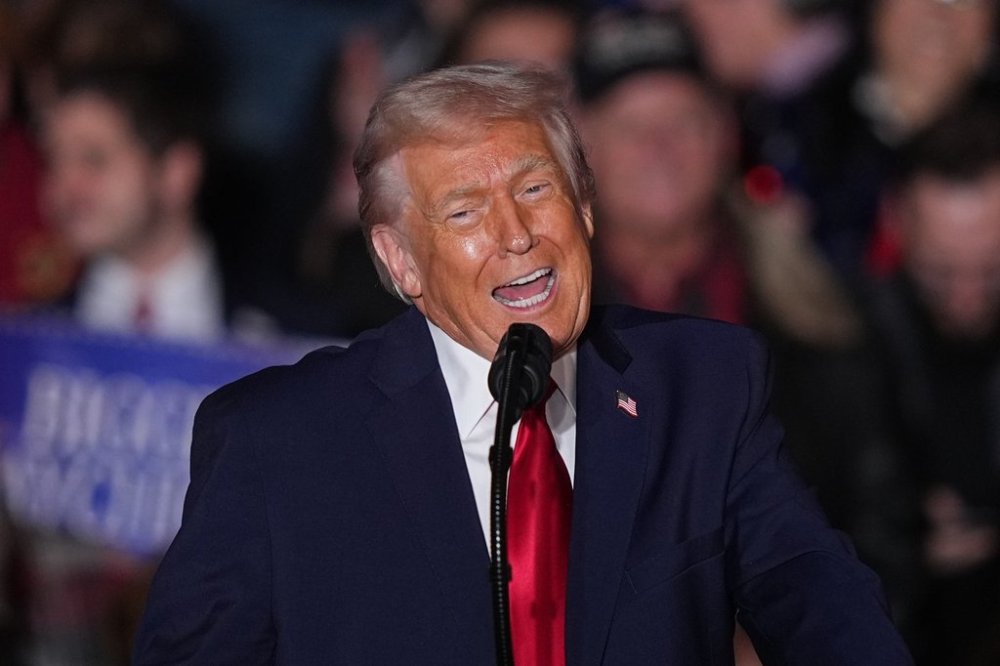
The recent series of Trump's inflammatory speeches unveils a critical intersection between economic uncertainty and xenophobic political messaging, exposing deeper structural tensions in American immigration and labor market dynamics. By repeatedly targeting immigrants from specific countries—particularly Somalia, Haiti, and Afghanistan—Trump is strategically weaponizing economic anxieties to frame immigrant communities as economic competitors rather than potential contributors.
Economic Scapegoating emerges as a central strategy, where complex economic challenges are simplified into a narrative of immigrant displacement. Trump's rhetoric oscillates between claiming economic prosperity and simultaneously blaming immigrants for economic difficulties, a rhetorical maneuver designed to redirect public attention from systemic economic issues toward divisive cultural narratives.
The strategic significance lies in how these statements potentially reshape cross-border economic interactions. For international businesses and trade corridors, such inflammatory language signals increased regulatory uncertainty and potential policy restrictions. The rhetoric suggests a potential tightening of immigration policies that could dramatically impact workforce mobility, talent acquisition, and international collaboration.
Particularly noteworthy is Trump's explicit acknowledgment of previously denied derogatory comments, transforming what was once considered inappropriate language into an apparent political strategy. By openly using terms like "hellholes" and suggesting preference for immigrants from Nordic countries, he's normalizing a discriminatory framework that could have long-term implications for international relations and economic partnerships.
The broader context reveals a complex political landscape where economic frustrations are being channeled through xenophobic narratives. For global businesses and policymakers, this represents more than just political rhetoric—it's a potential harbinger of increasingly protectionist approaches that could fundamentally alter international talent flows and cross-border economic engagement.
Questions 3
How might Trump's anti-immigrant rhetoric impact cross-border business strategies?
These statements signal potential increased regulatory complexity for international businesses, suggesting more stringent immigration policies that could restrict talent mobility, increase compliance costs, and create uncertainty in workforce planning across different geographic markets.
What economic motivations underlie Trump's immigration statements?
Trump is attempting to redirect economic anxieties by framing immigrants as economic competitors, using them as scapegoats for complex economic challenges. This strategy aims to simplify intricate economic issues into a narrative of immigrant displacement and job competition.