

Ukraine's Democratic Resilience Emerges as Geopolitical Chess Move
- Zelenskyy's Election Strategy Challenges International Pressure and Wartime Constraints













Overview
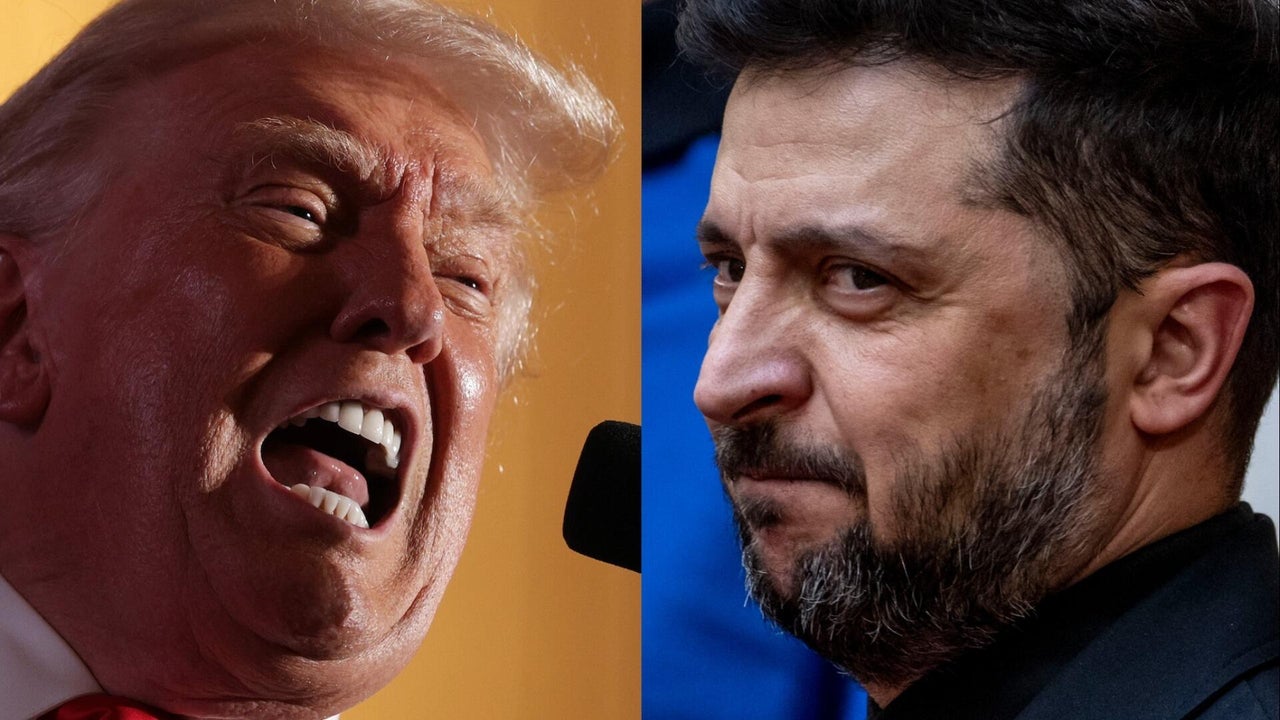
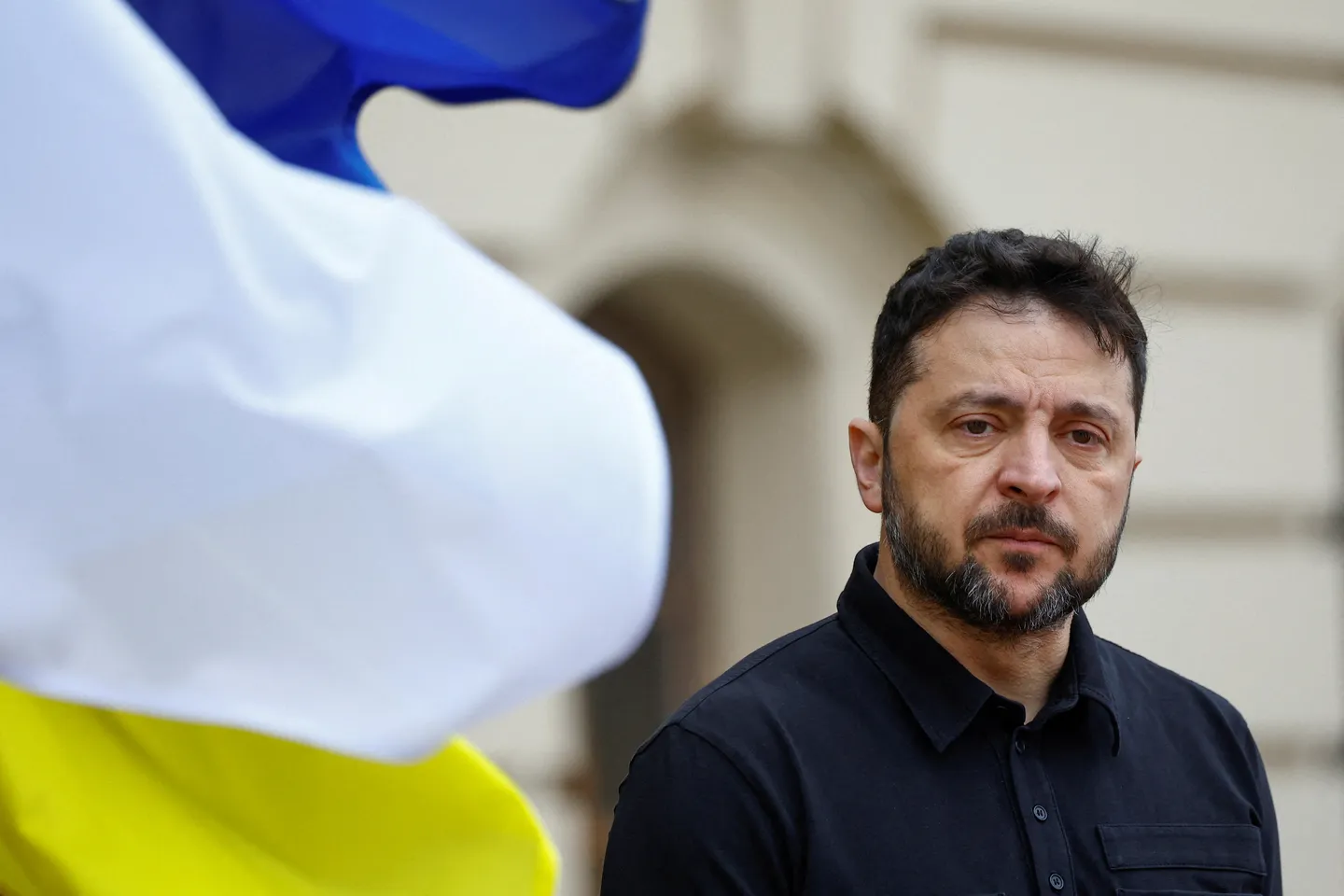
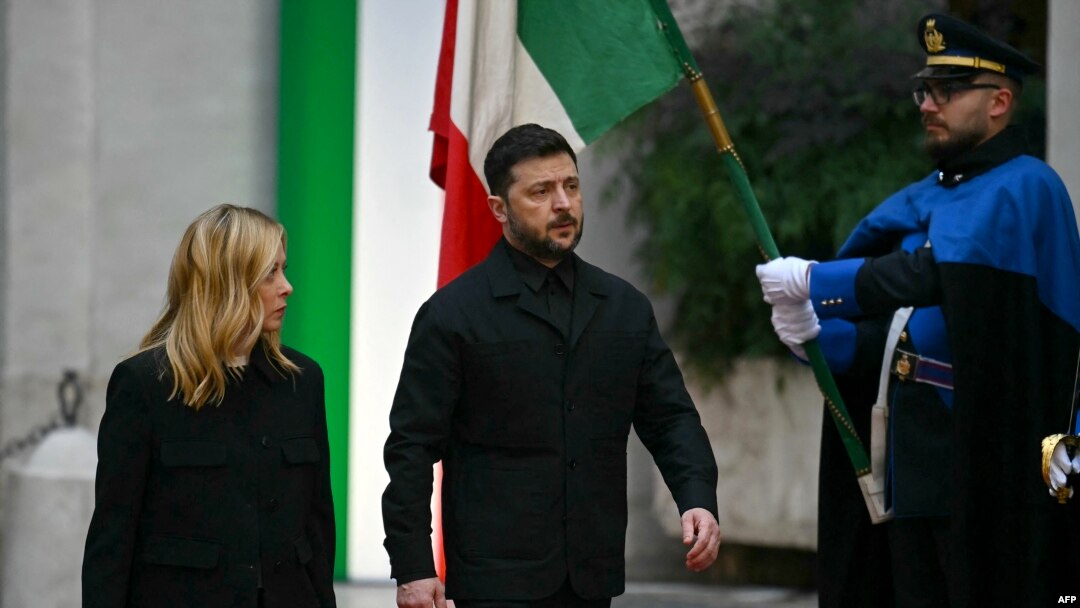
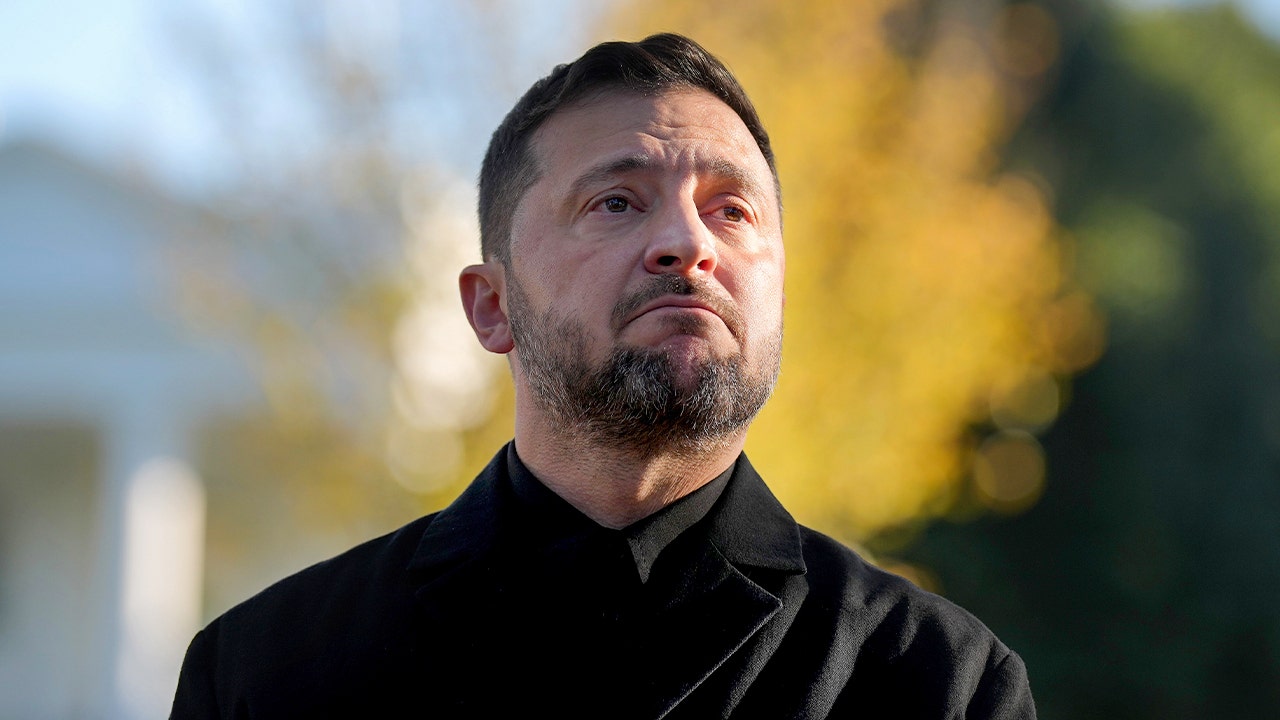
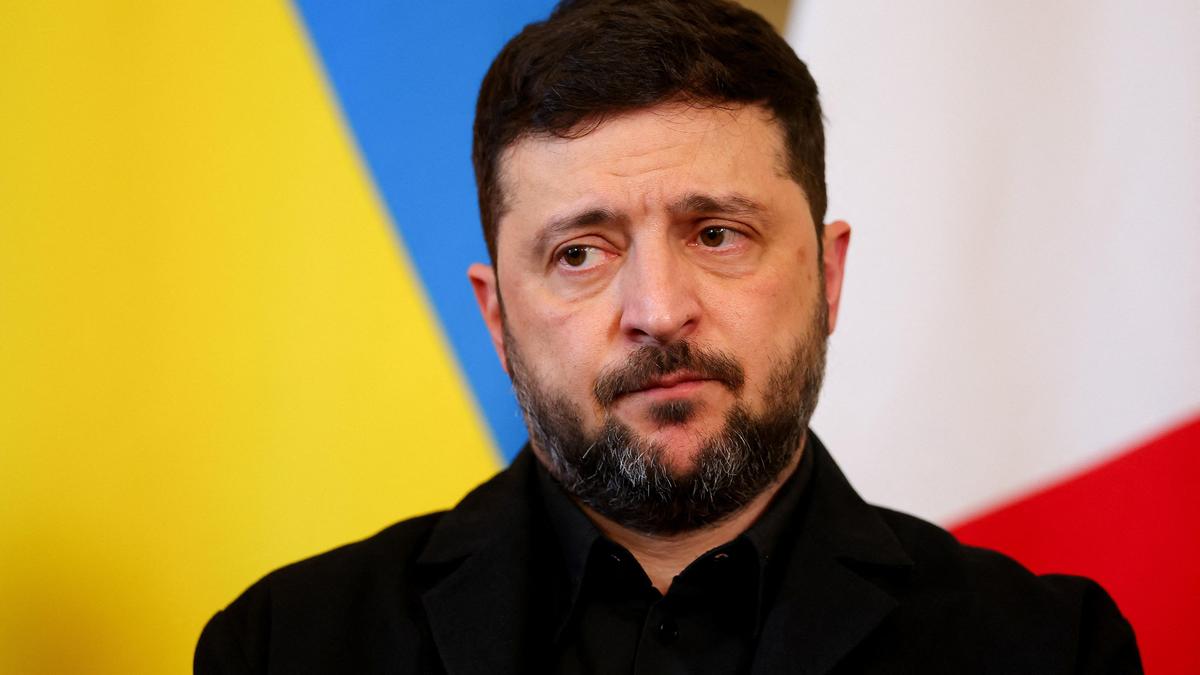
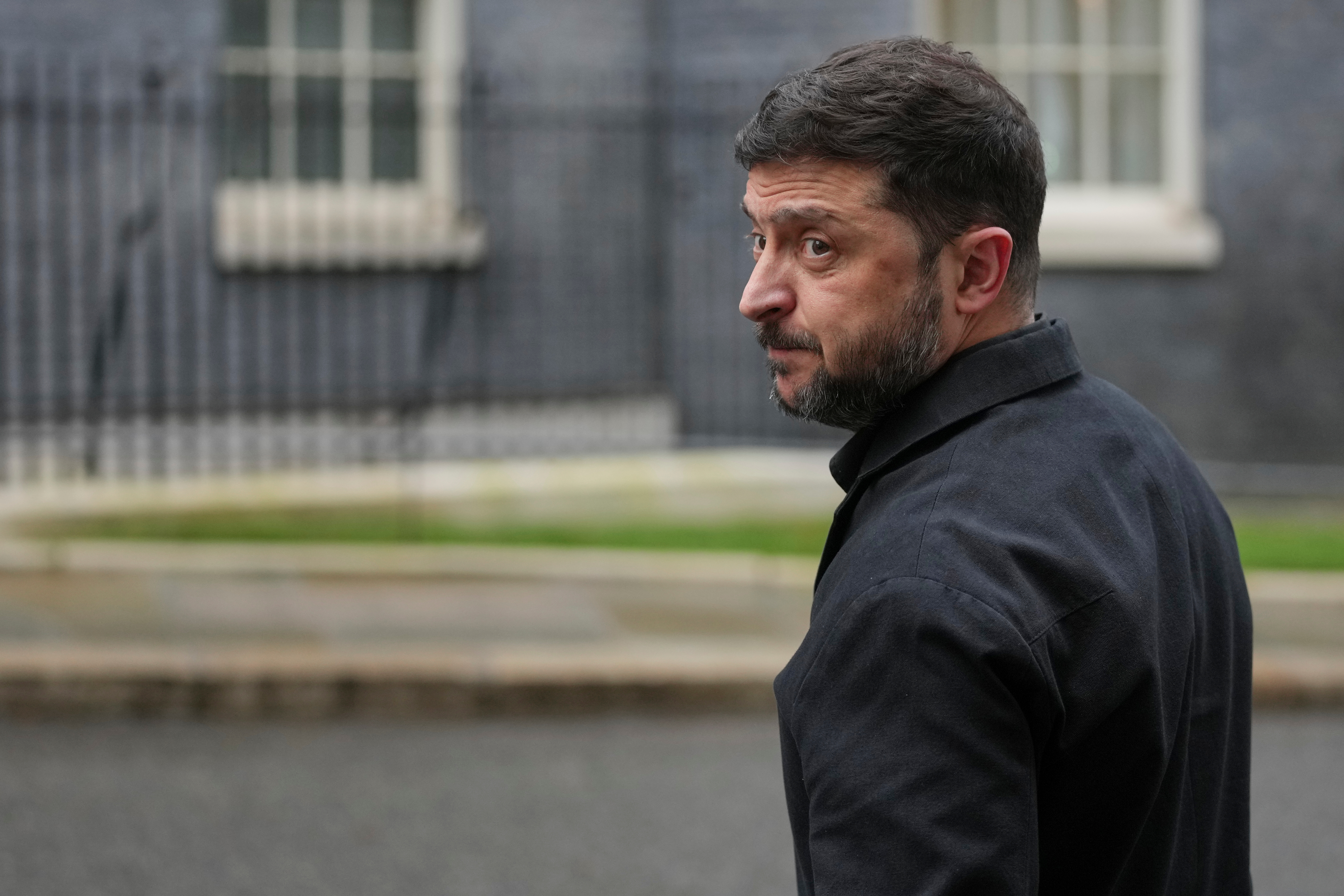
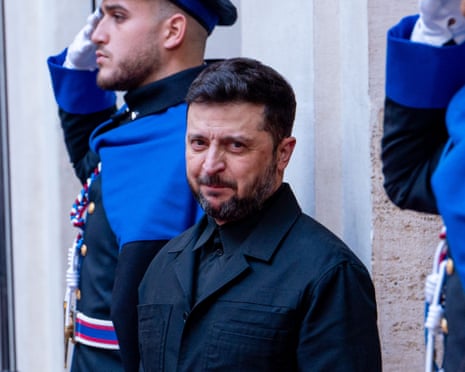
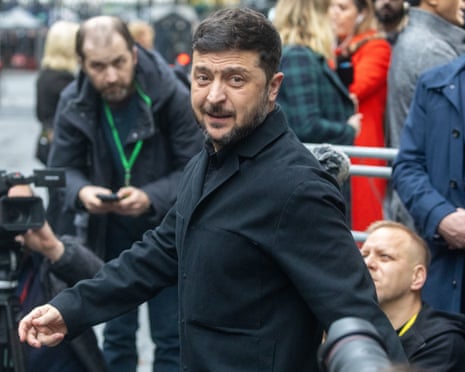
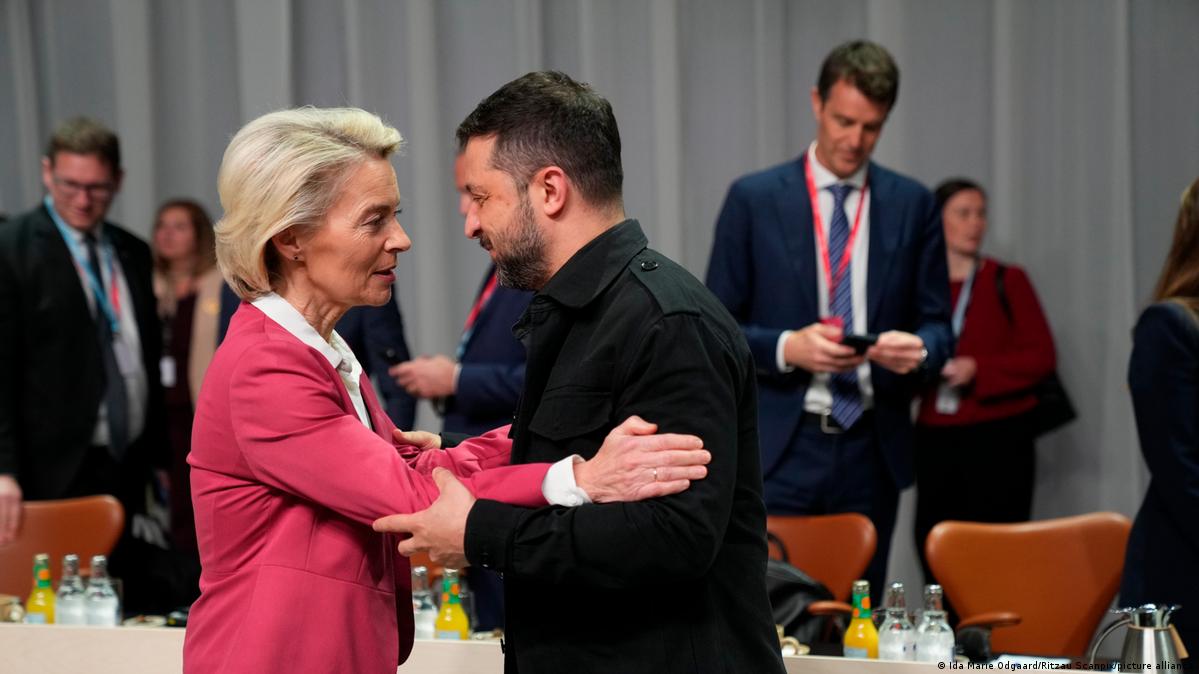
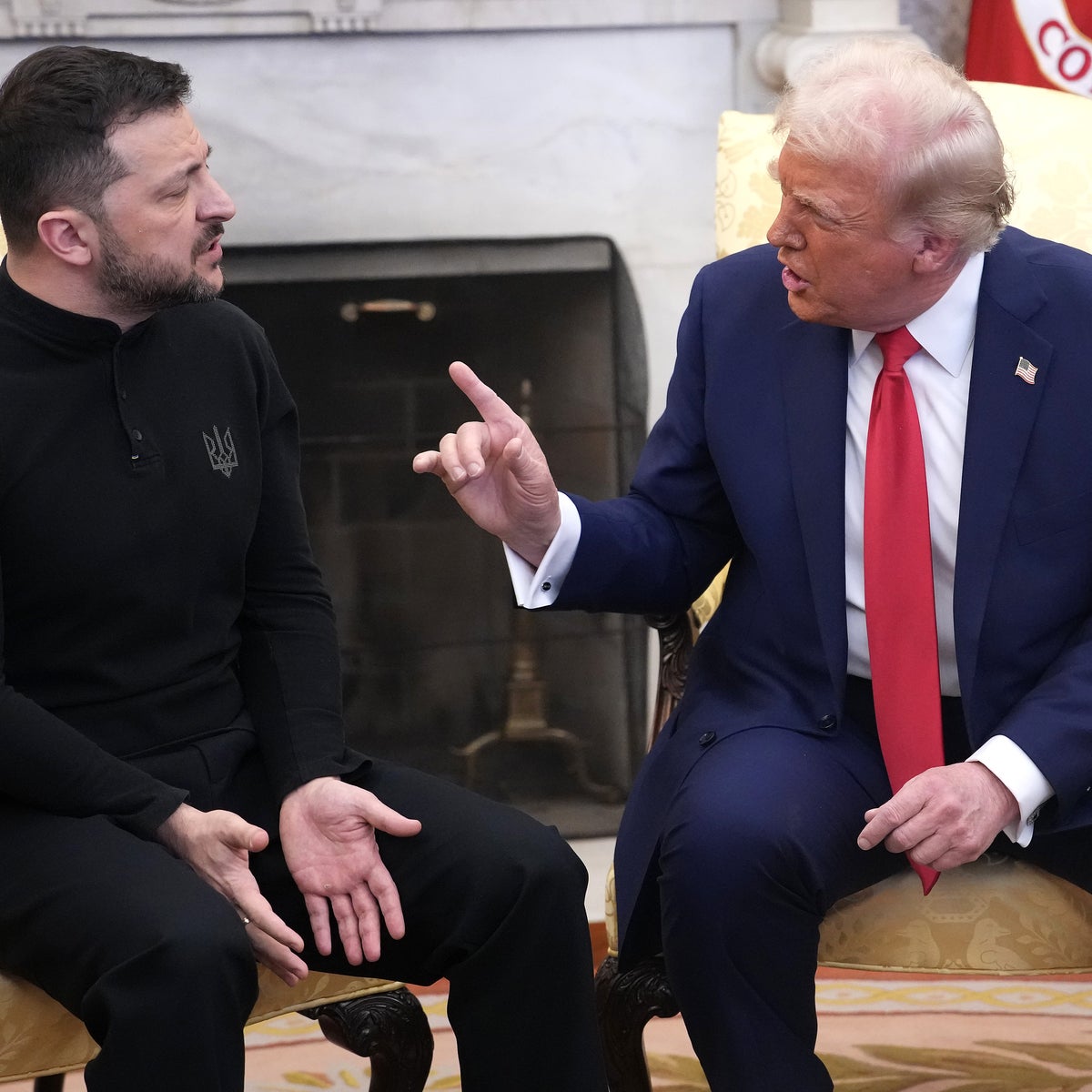
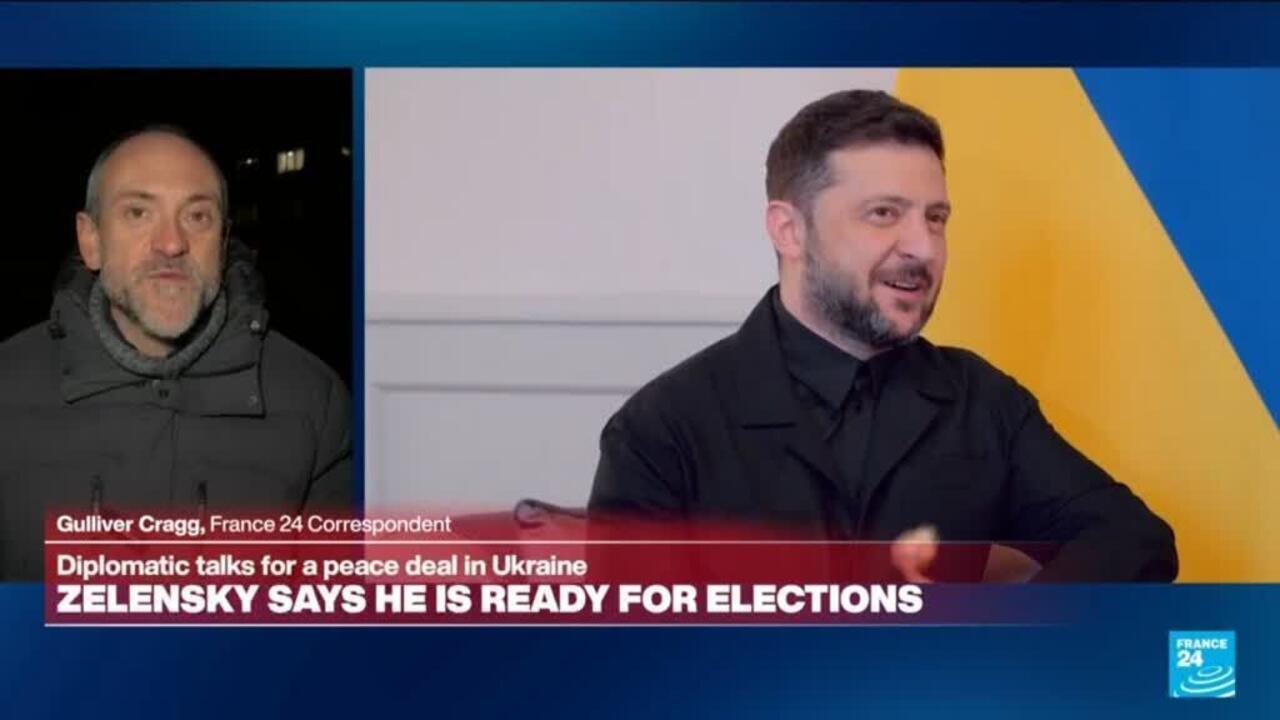
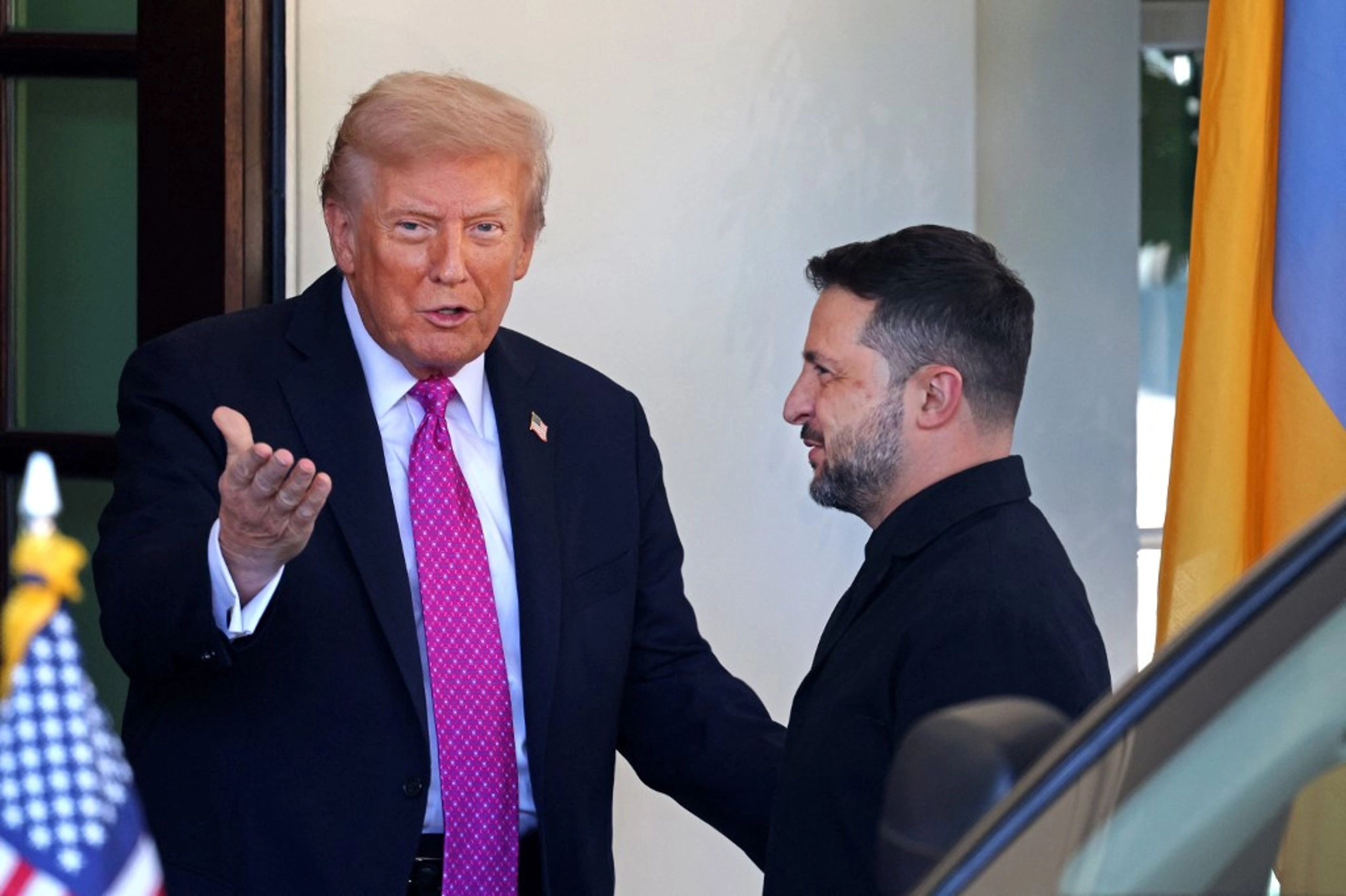
In a remarkable display of political maneuvering, Ukrainian President Volodymyr Zelenskyy has transformed an external challenge into a strategic opportunity, signaling potential wartime elections that could reshape the geopolitical narrative. The core development emerges from Trump's criticism of Ukraine's democratic processes, which Zelenskyy has adeptly turned into a demonstration of institutional resilience.
Zelenskyy's proposal to hold elections within 60-90 days represents more than a political response—it's a sophisticated geopolitical strategy. Despite significant obstacles, including martial law and 5.7 million displaced citizens, he is positioning Ukraine as a functioning democracy under extreme duress. The key prerequisite remains security guarantees from US and European allies, which transforms the election from a mere political event into an international diplomatic test.
The nuanced approach reveals multiple strategic layers. By expressing readiness for elections, Zelenskyy accomplishes several critical objectives: he challenges Trump's narrative of democratic erosion, maintains international diplomatic support, and demonstrates Ukraine's commitment to democratic principles amid ongoing conflict. Notably, only 10% of Ukrainian politicians and citizens currently support elections during wartime, making his stance both bold and potentially divisive.
The proposed electoral framework is carefully constructed. Zelenskyy has instructed his party to develop legislative proposals that would enable elections while maintaining martial law—a delicate balancing act that signals sophisticated political engineering. His term was originally set to end in May 2024, but the ongoing conflict has complicated this constitutional timeline.
Critically, this move is not just about domestic politics but represents a broader geopolitical communication strategy. By proposing elections, Zelenskyy transforms Ukraine's narrative from a passive conflict zone to an active, resilient democratic entity. The election becomes a strategic tool demonstrating institutional strength despite Russian aggression, potentially influencing international diplomatic and military support.
Questions 3
Why is Zelenskyy considering elections during wartime?
Zelenskyy is using the potential election as a strategic communication tool to demonstrate Ukraine's democratic resilience, challenge external criticisms, and maintain international diplomatic support. By proposing elections under challenging conditions, he transforms Ukraine's narrative from a passive conflict zone to an active, democratic entity.
What are the main challenges of holding elections during the conflict?
Significant obstacles include 5.7 million displaced Ukrainians, soldiers on front lines, constitutional prohibitions during martial law, and complex security requirements. A Kyiv International Institute of Sociology poll shows only 10% of Ukrainian politicians and citizens support elections before a ceasefire.