


The Fed's High-Stakes Balancing Act: Navigating Economic Uncertainty Through Strategic Rate Cuts
- Unprecedented monetary policy challenges reveal deep tensions in economic management and leadership transition






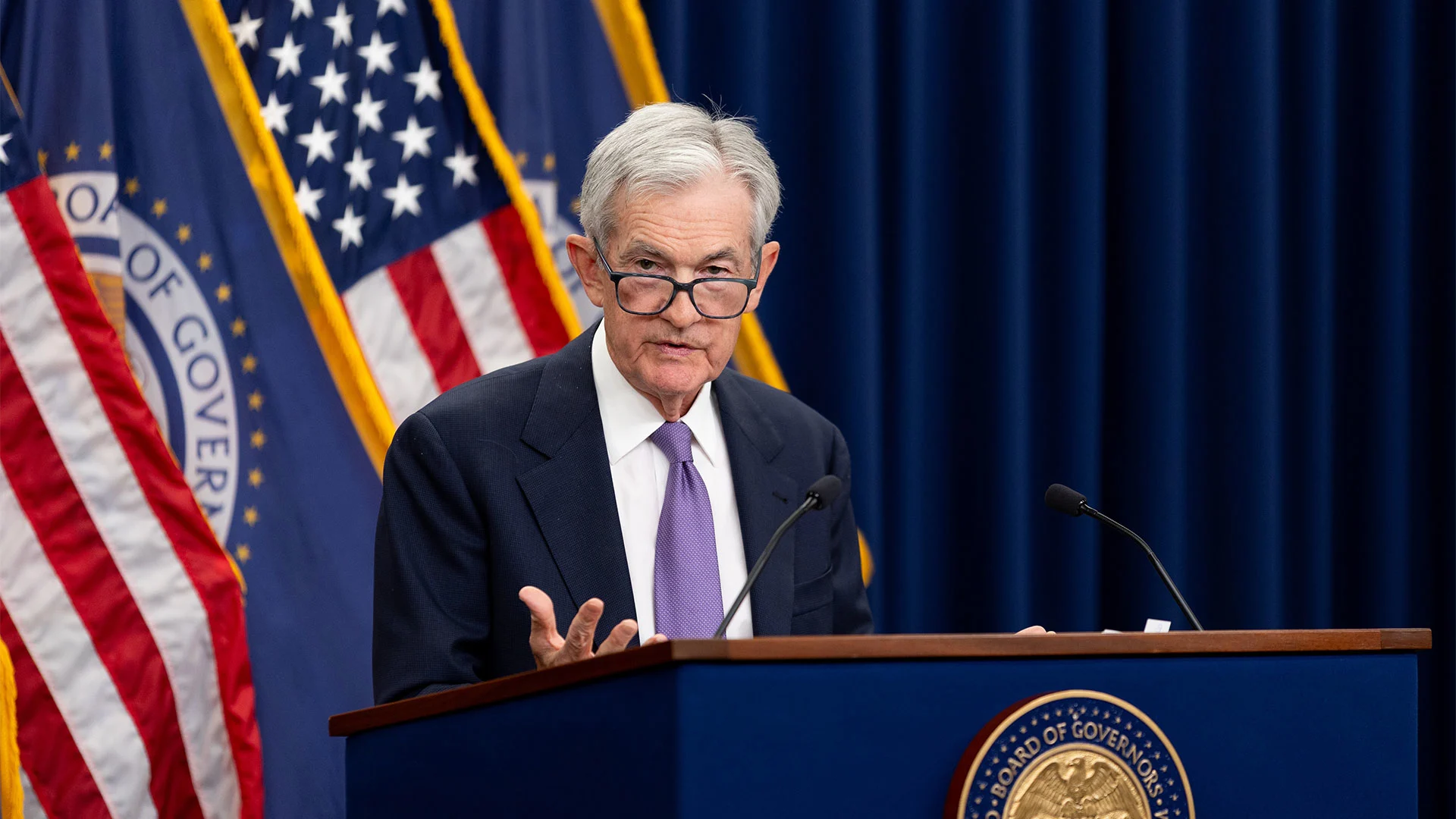
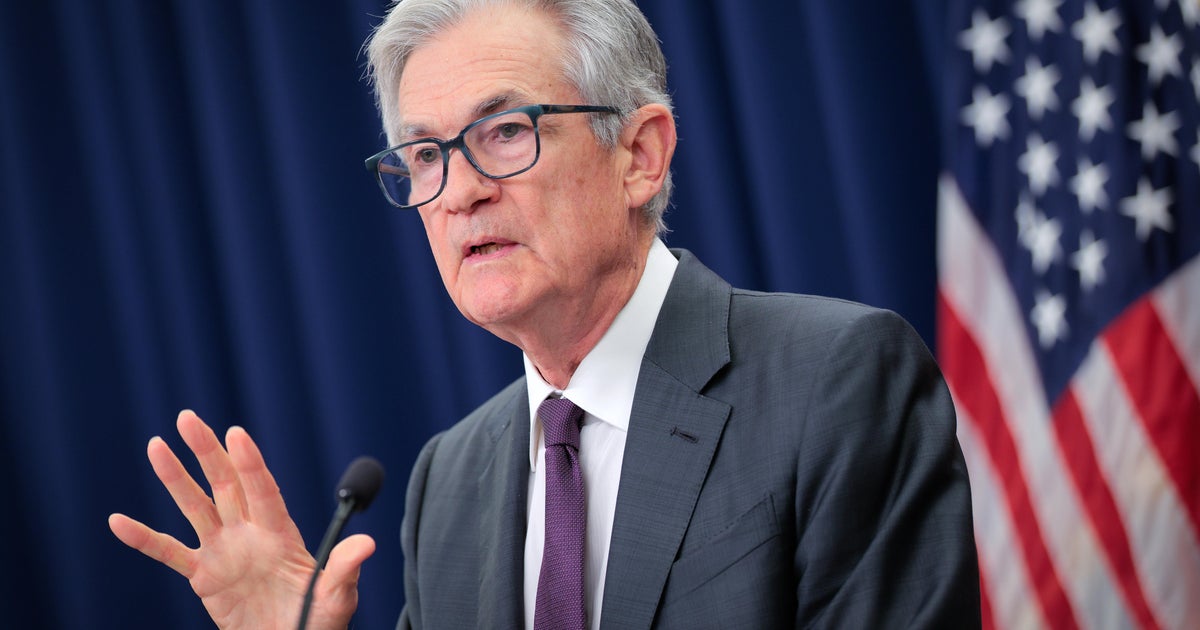


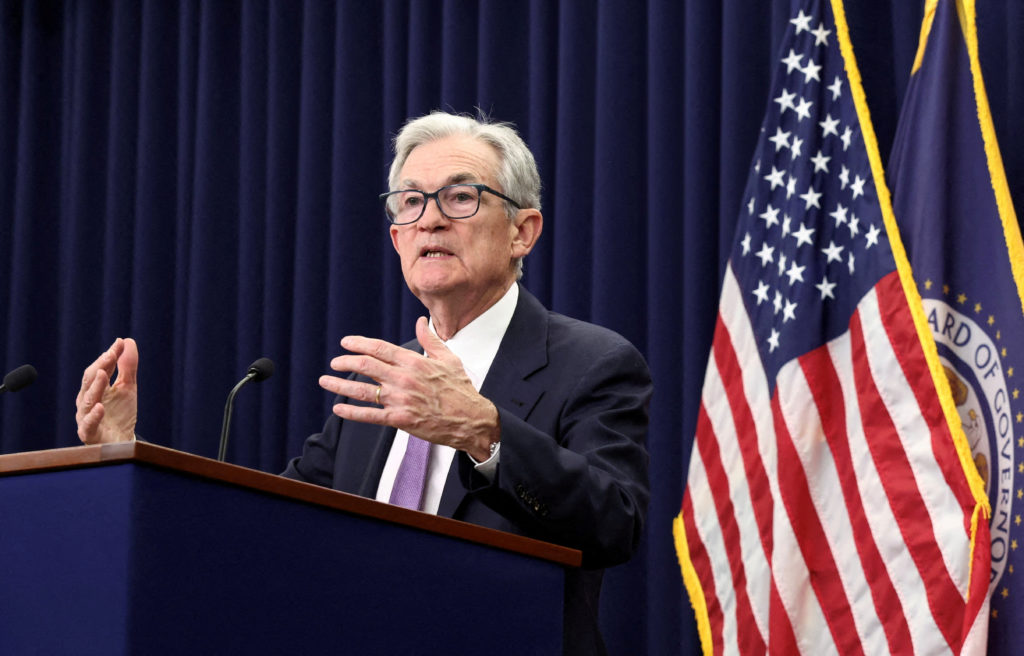




















Overview
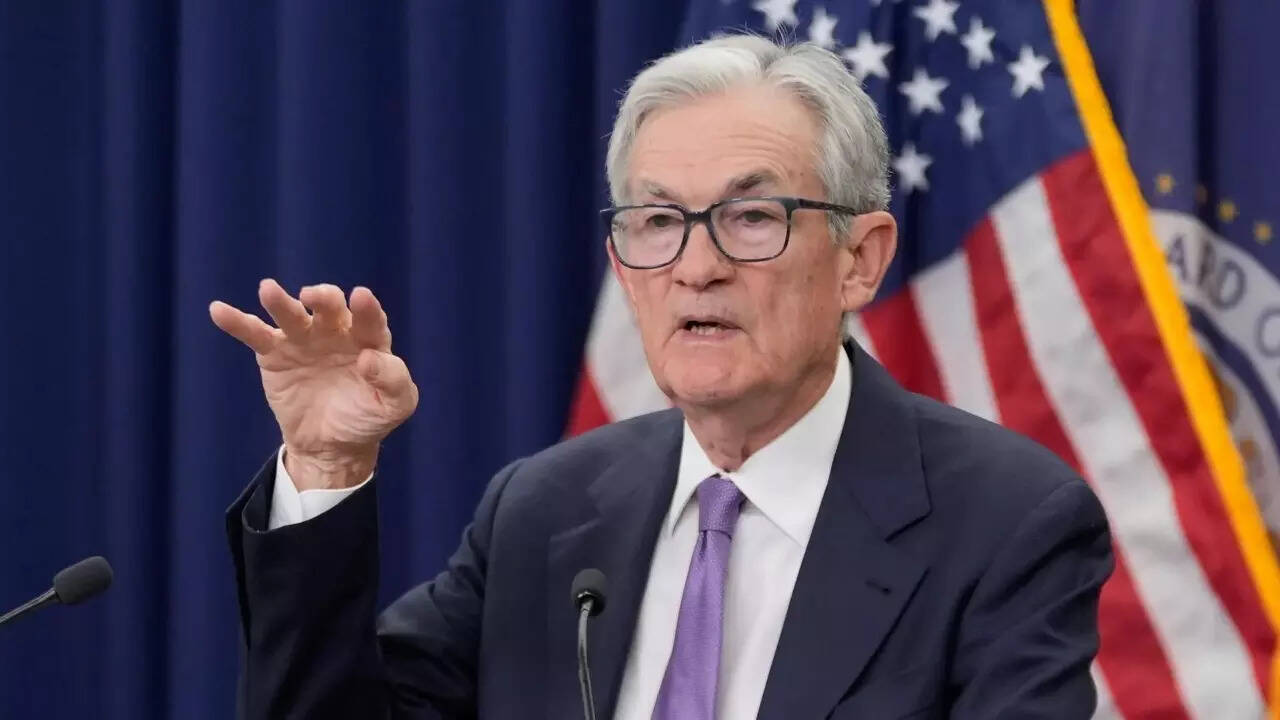
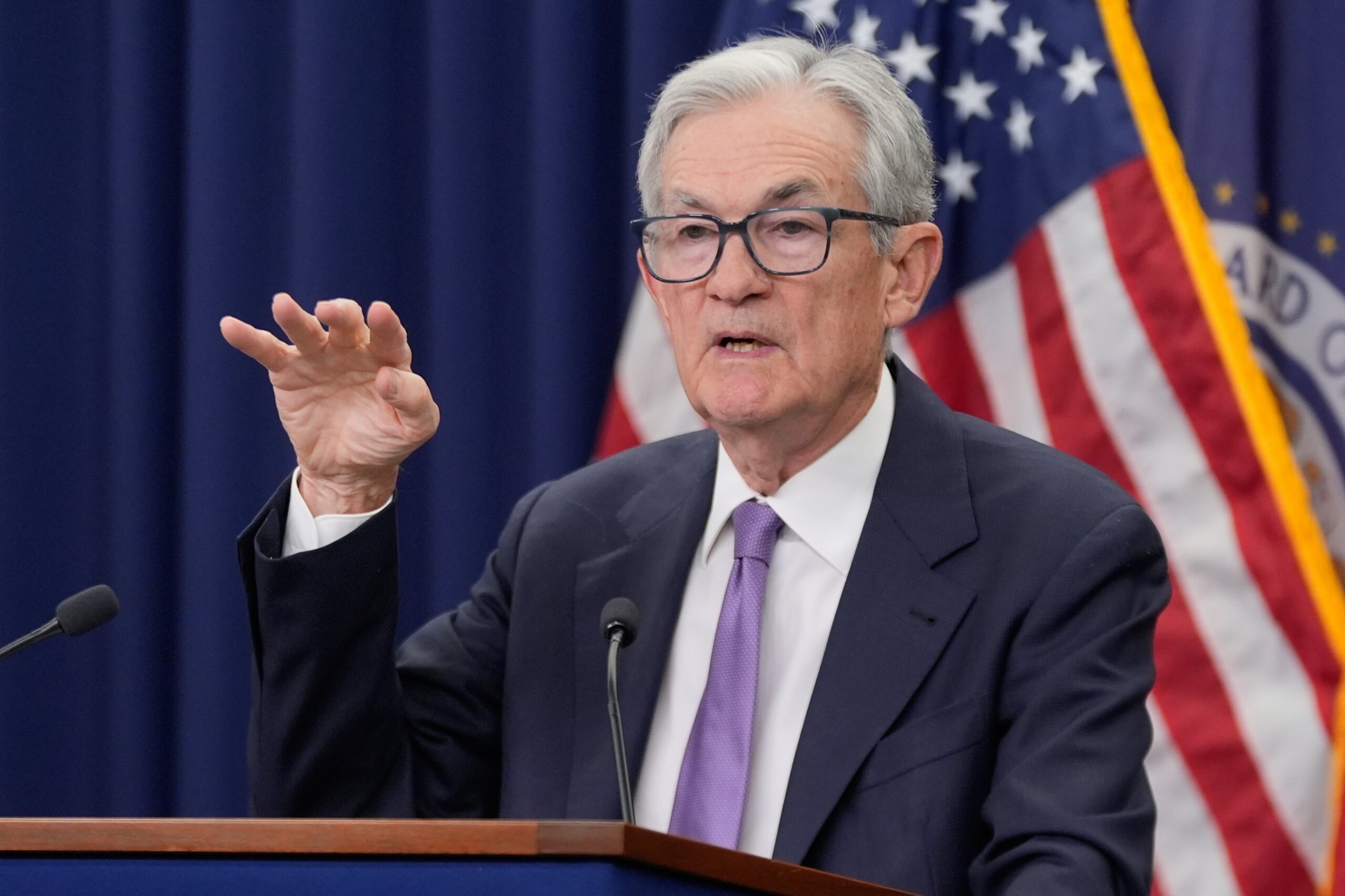
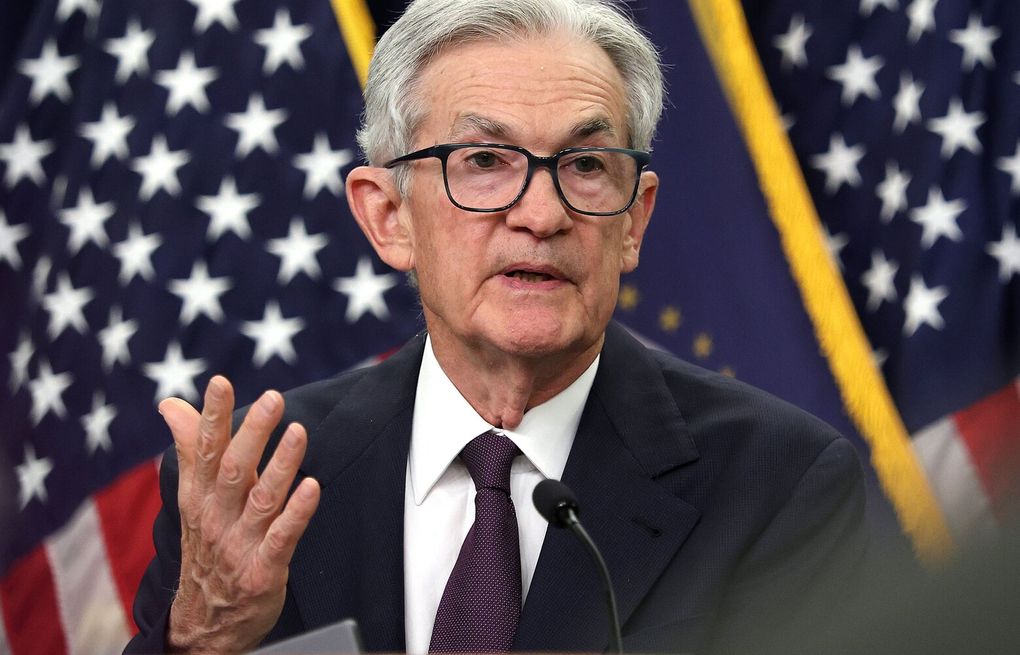
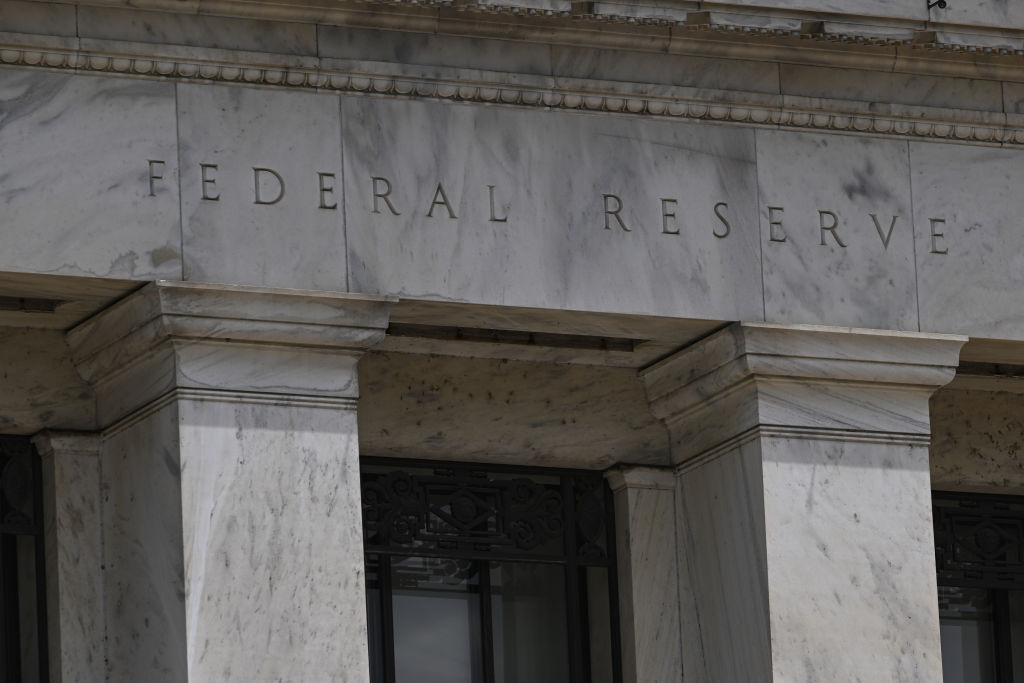
The Federal Reserve finds itself at a critical juncture, executing a delicate monetary policy maneuver that exposes the complex undercurrents of economic decision-making. Interest rate cuts have become a nuanced instrument of economic calibration, reflecting deep internal divisions and broader systemic challenges.
Market signals suggest a 70% probability of rate reduction, driven by conflicting economic indicators that create a remarkably complex policy landscape. The Fed's approach reveals a strategic tightrope walk between stimulating economic growth and managing inflationary pressures. Unemployment risks and inflation concerns are pulling policymakers in contradictory directions, with New York Fed President John Williams highlighting the increasing downside employment risks.
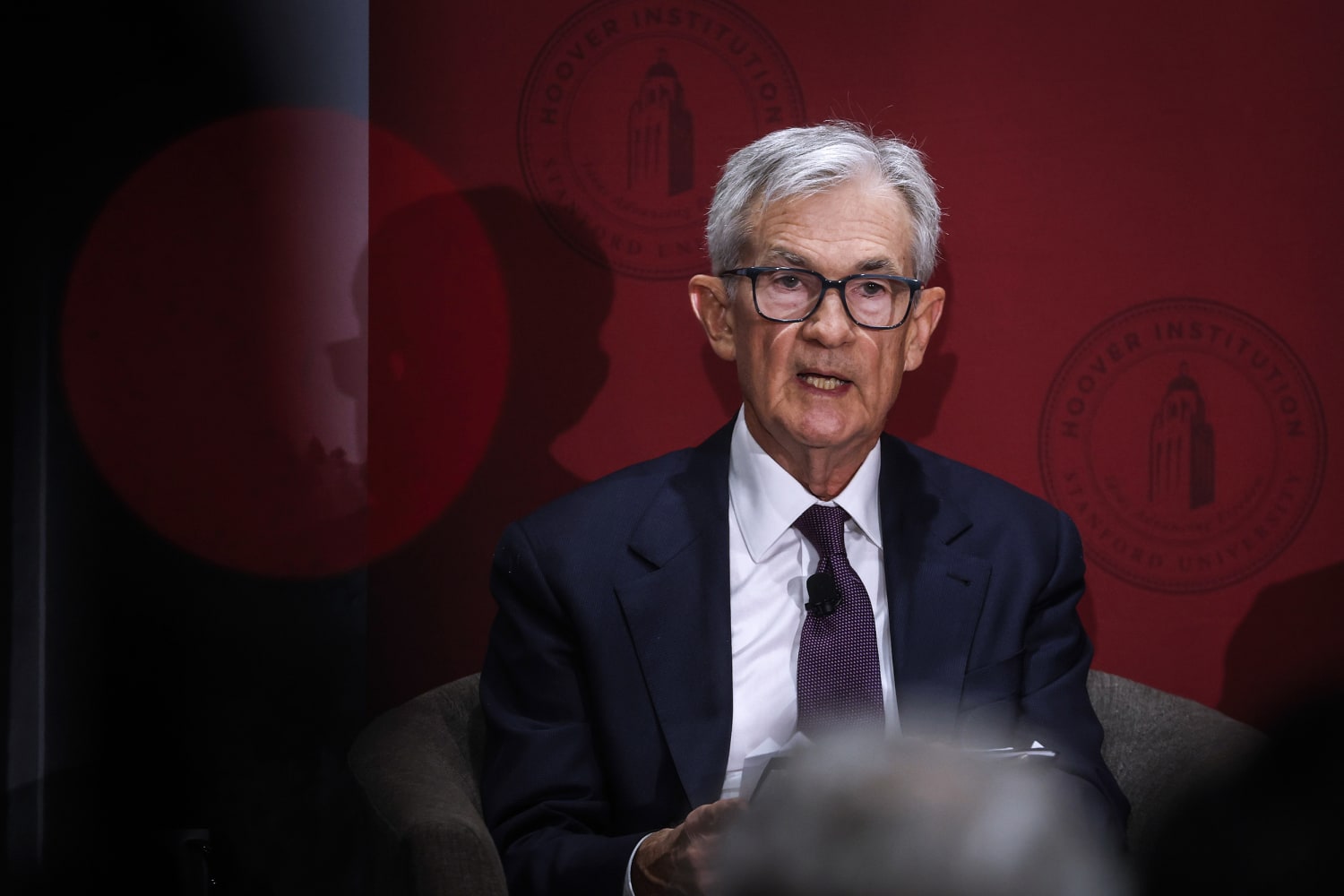
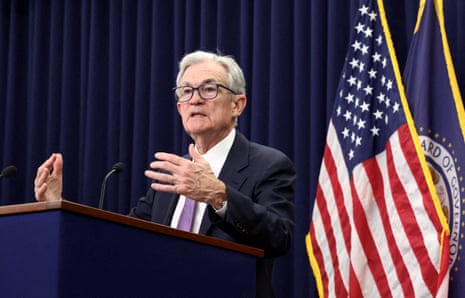
The political dimension adds another layer of complexity. President Trump's aggressive stance on monetary policy, including attempts to influence the Fed's composition, has created unprecedented tension. Powell's impending leadership transition further complicates the decision-making environment, with only six of 19 officials projecting year-end rates above the current level.
Critically, the quarter-point rate cut represents more than a simple monetary adjustment. It signals a measured response to a fragile economic ecosystem characterized by small businesses struggling with margin preservation, tariff-induced uncertainties, and limited capacity to withstand additional economic stress. The Fed's cautious approach implies a recognition that traditional economic levers may no longer function as predictably as in previous cycles.
For financial strategists and business leaders, this moment demands exceptional adaptability. The Fed's nuanced monetary policy suggests that conventional economic playbooks are becoming increasingly obsolete, requiring more dynamic and responsive strategic frameworks.
Questions 3
What makes this monetary policy decision particularly complex?
The decision is complicated by multiple factors: delayed economic data from the government shutdown, internal divisions within the Fed, political pressures from the Trump administration, and conflicting economic indicators like rising inflation and slowing job markets.
Why is the Federal Reserve cutting interest rates despite mixed economic signals?
The Fed is attempting to balance multiple competing economic priorities: stimulating employment, managing potential inflationary risks, and maintaining economic stability. The quarter-point rate cut represents a cautious approach to addressing downside employment risks while remaining vigilant about potential inflation.