



China's Economic Crossroads: IMF Signals Urgent Shift from Export Dependency
- Global trade dynamics reshape as China faces critical economic transformation imperative



















Overview
China stands at a pivotal economic inflection point, with the International Monetary Fund (IMF) delivering a stark warning about the unsustainability of its current export-driven growth model. The core challenge is profound: a $1 trillion trade surplus and an economic strategy that has become too large and potentially destabilizing for the global economic system.
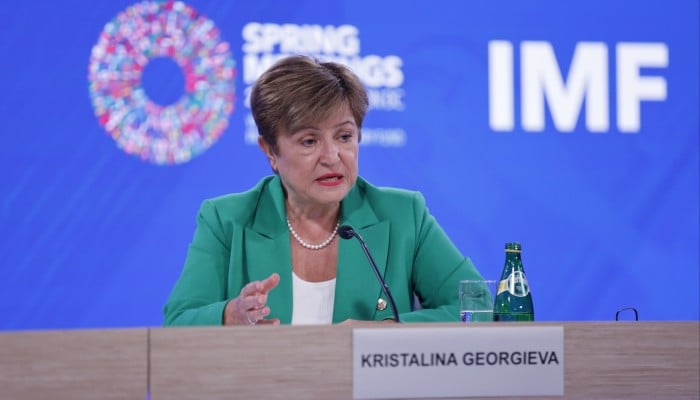
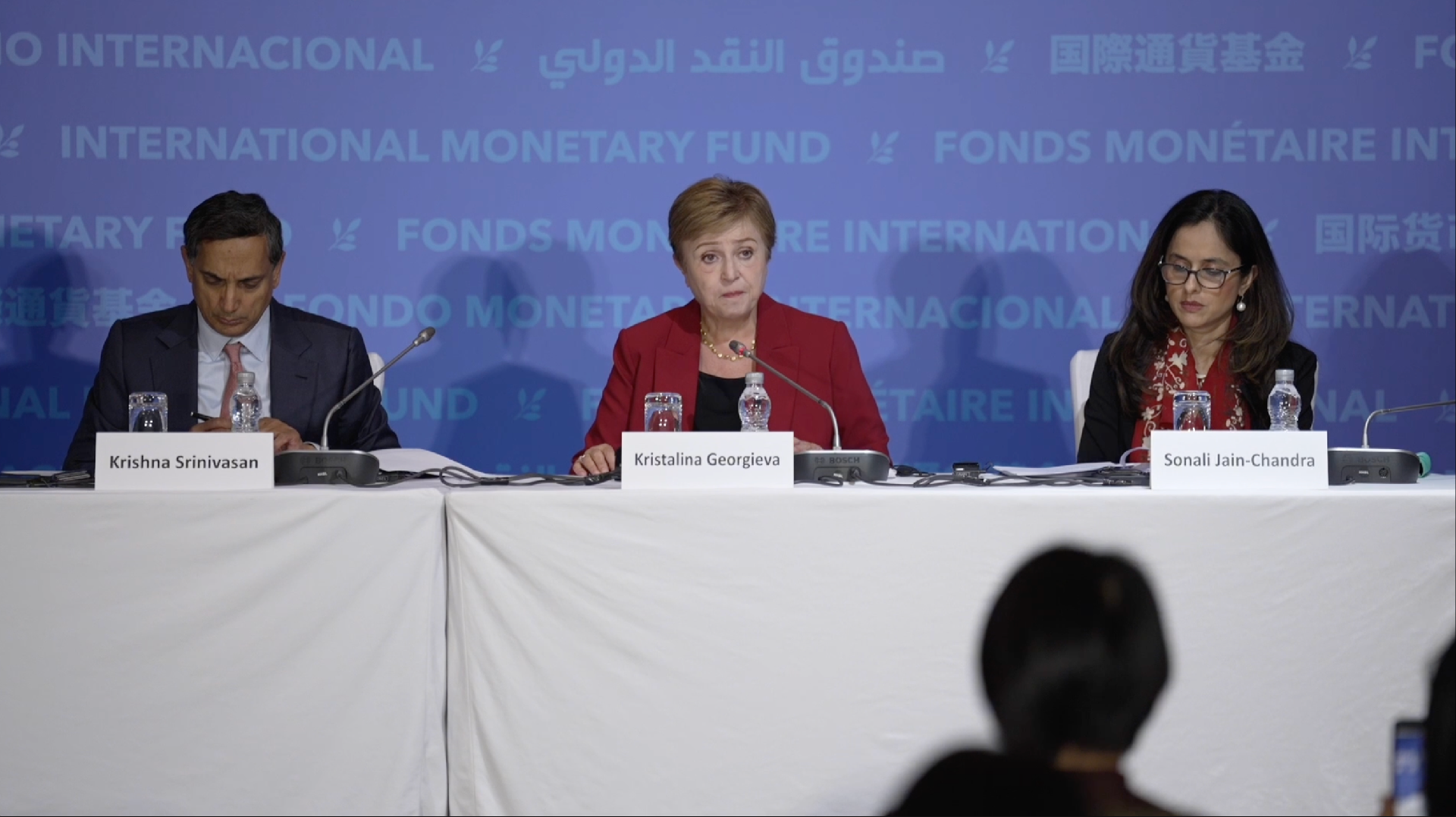
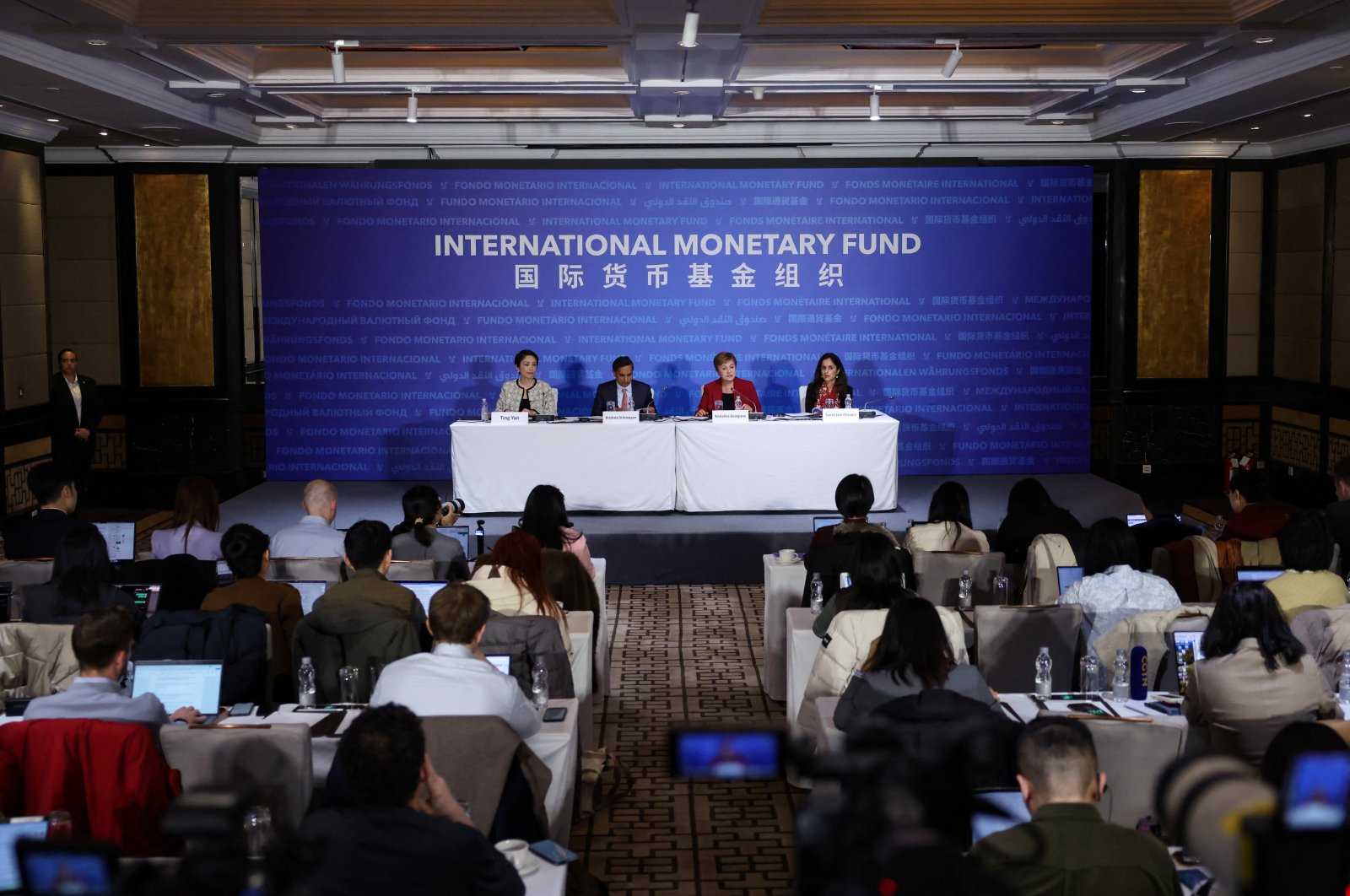
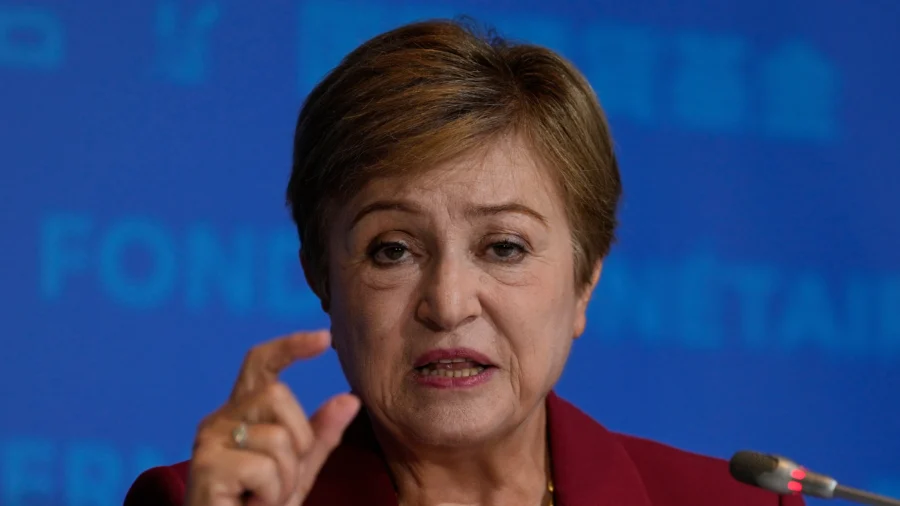
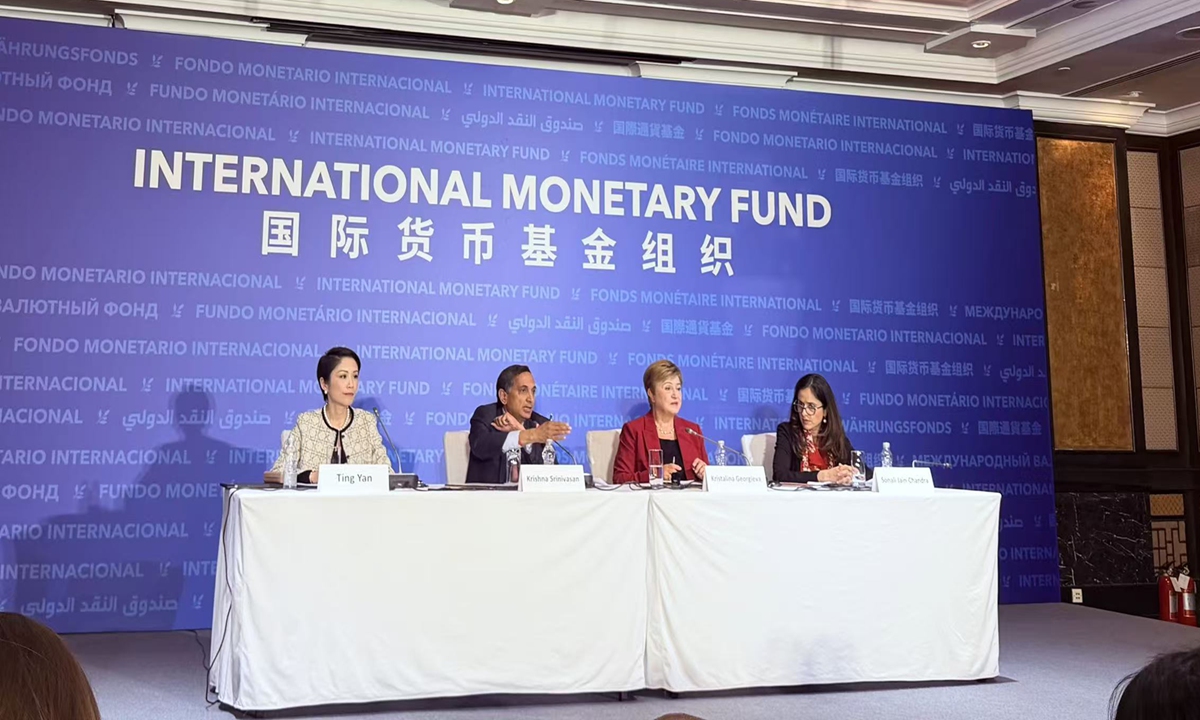
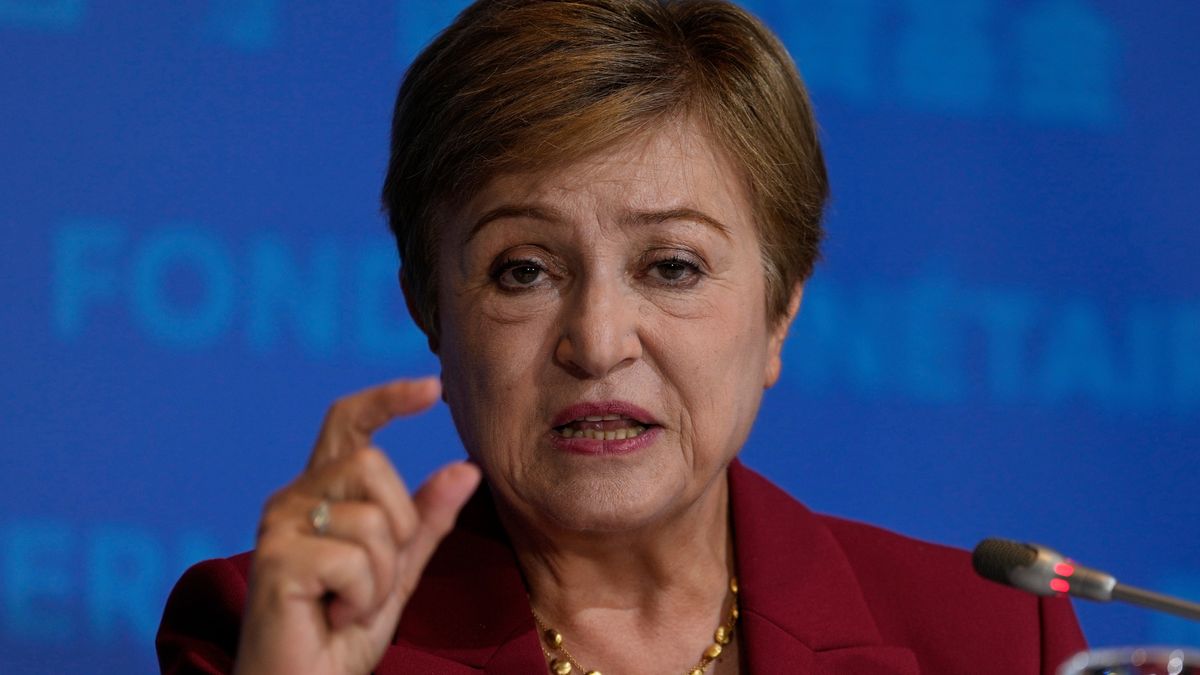
The IMF's intervention marks a critical strategic moment. Managing Director Kristalina Georgieva has explicitly called for China to accelerate its economic transformation, emphasizing that its massive 1.4 billion population can no longer rely on manufacturing exports as the primary growth engine. This recommendation goes beyond typical policy advice—it represents a fundamental reimagining of China's economic architecture.
Multiple economic indicators underscore the urgency of this transition. Morgan Stanley projects China's global export market share could reach 16.5% by 2030, up from the current 15%, even as domestic consumption remains tepid. The real estate market's prolonged downturn and pandemic-related job losses have further complicated China's economic landscape. The IMF's forecast of 4.5% growth in 2024 and 5% in 2025 comes with a critical caveat: this growth must be driven by domestic consumption, not export volumes.
The strategic implications are profound. China is being urged to stimulate internal market demand through targeted policies, potentially including:
- Increasing social support spending, especially in rural areas
- Resolving property sector challenges by deploying approximately 5% of GDP
- Implementing market-based mechanisms for yuan exchange rates
- Creating policy environments that encourage consumer spending
For global traders and investors, this signals a potential seismic market restructuring. The push toward domestic consumption could simultaneously reduce traditional export opportunities while creating new market entry points for businesses targeting Chinese consumers. The IMF's recommendations suggest China may undergo significant structural reforms in the coming years, fundamentally reshaping its economic engagement with the world.
The stakes are high: continued export reliance risks provoking global trade tensions, while a successful transition could unlock the massive potential of China's domestic market. The next three to five years will be critical in determining whether China can successfully navigate this complex economic transformation.
Questions 3
Why is the IMF urging China to move away from export-driven growth?
The IMF argues that China's massive economic scale makes continued export reliance risky, potentially provoking global trade tensions. With a $1 trillion trade surplus, China's current model could create significant economic imbalances and international friction. The recommendation is to shift towards domestic consumption to create more sustainable, balanced economic growth.
What specific economic challenges is China facing that necessitate this transformation?
China is experiencing multiple interconnected challenges: a prolonged real estate market downturn, softening domestic consumption, pandemic-related job losses, and a weakened yuan value. These factors have undermined the traditional export-driven growth model and necessitate a fundamental economic restructuring focused on stimulating internal market demand.