

SpaceX's $1.5 Trillion Public Market Gambit Reshapes Global Technology Investing
- Musk's Ambitious IPO Strategy Signals Unprecedented Convergence of Space and Financial Innovation










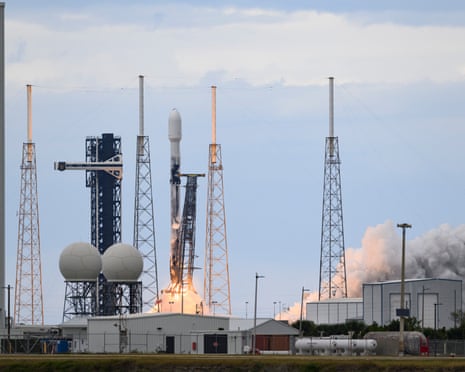

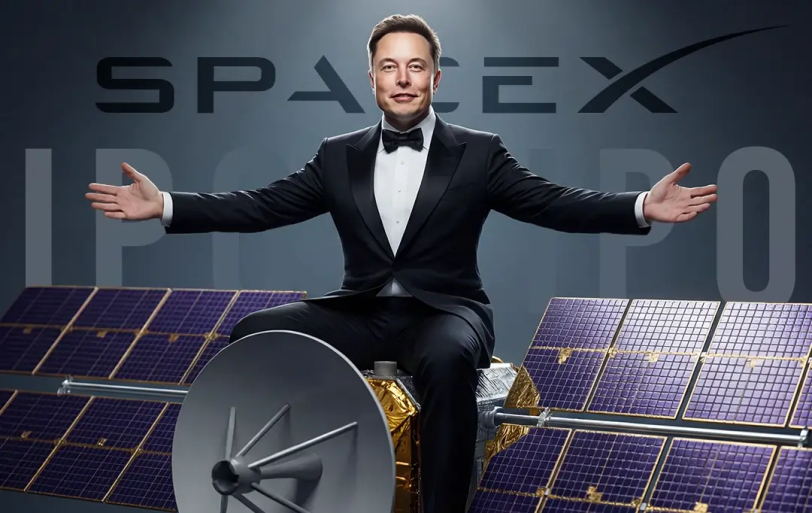





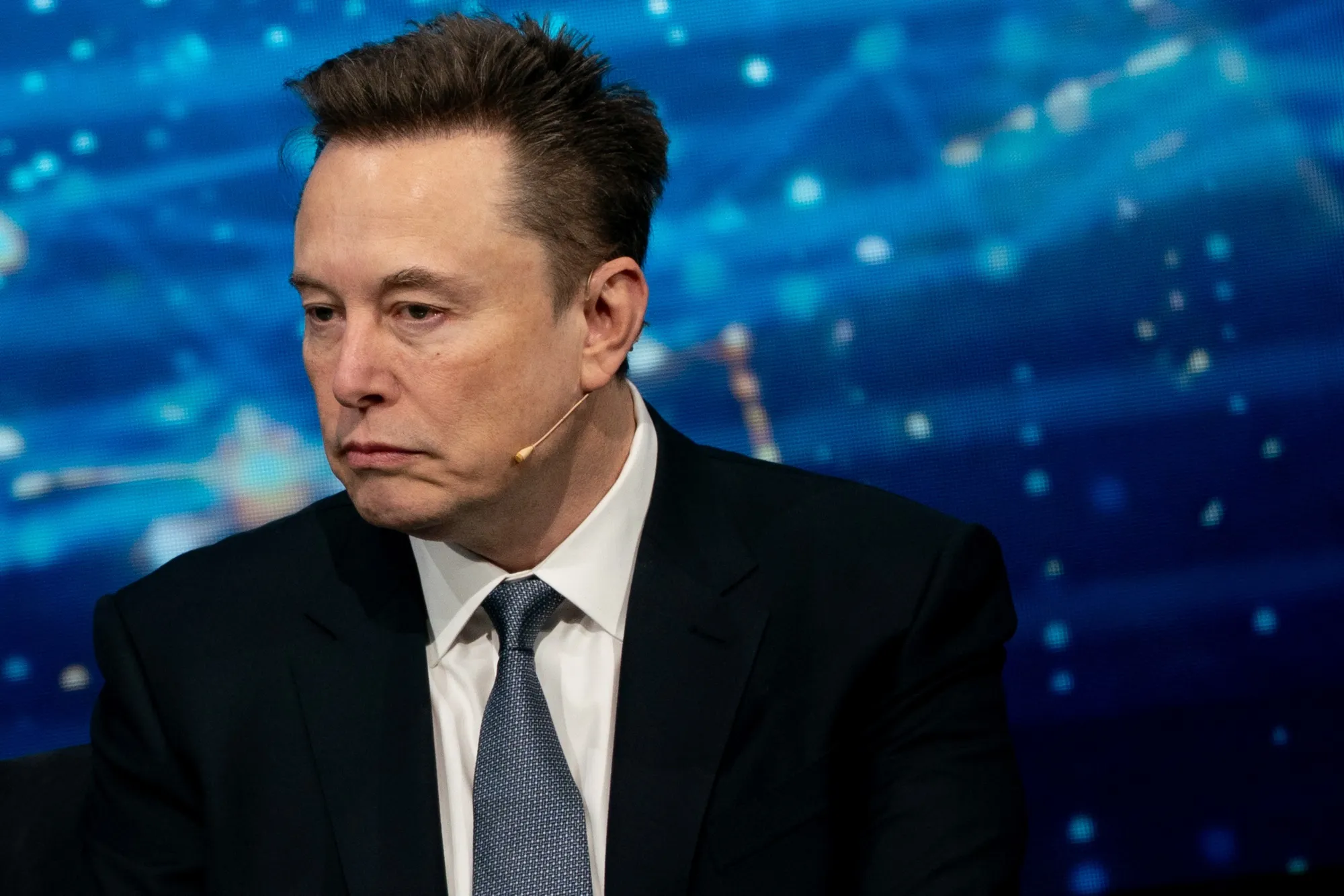











)


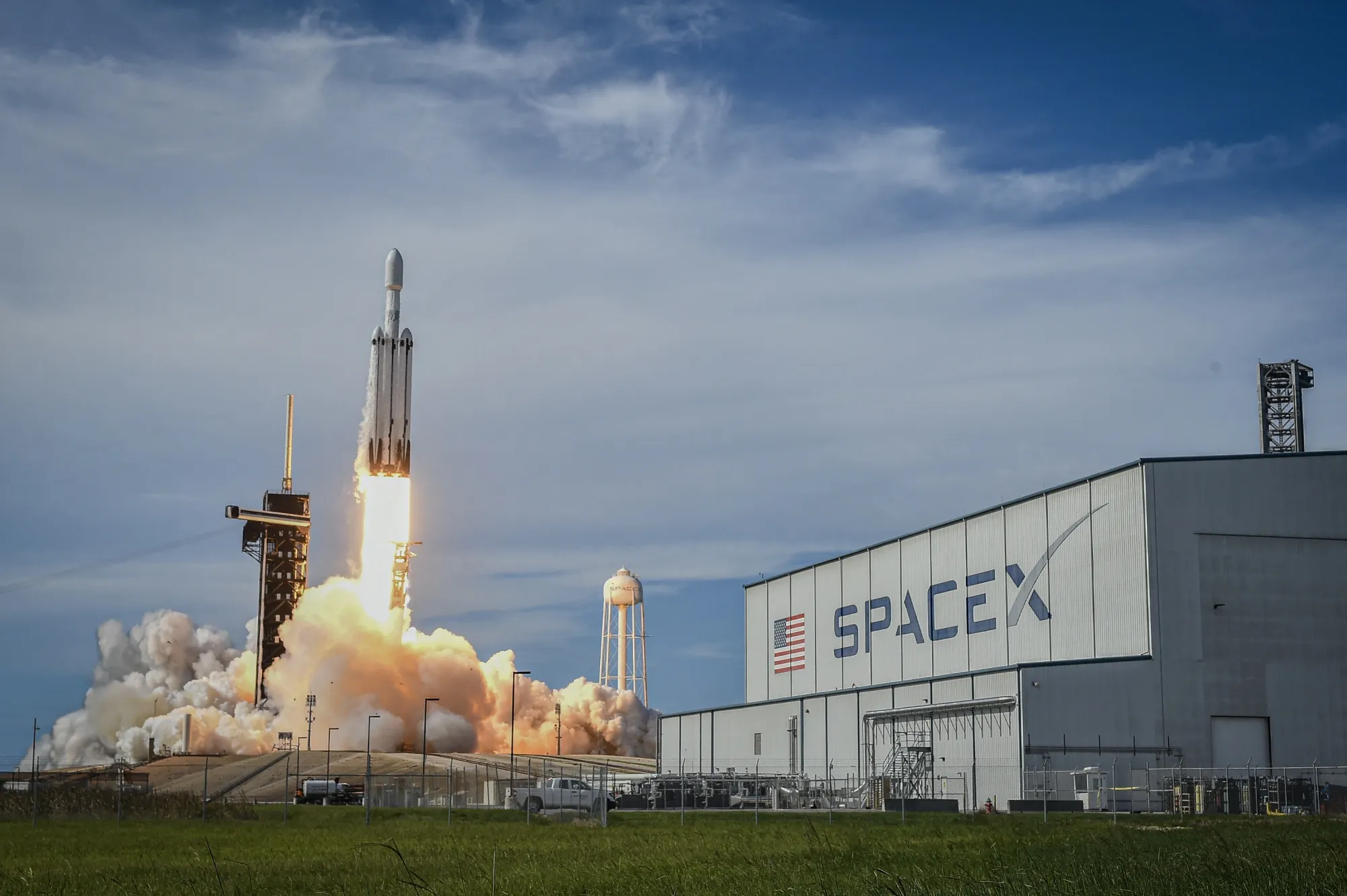






Overview
The impending SpaceX IPO represents far more than a typical market listing—it's a strategic inflection point that could fundamentally redefine technology investment paradigms. With a potential $1.5 trillion valuation, SpaceX is positioning itself not just as a space exploration company, but as a transformative global technology platform that challenges traditional investment categorizations.
Strategic Financial Positioning emerges as the core narrative. By targeting a 2026 IPO, Elon Musk is executing a calculated move that transcends conventional corporate financing. The company's unique value proposition lies in its ability to generate positive cash flow through Starlink's satellite internet business while simultaneously pursuing ambitious space exploration goals. This dual-revenue model represents a novel approach that could inspire a new generation of technology investment strategies.
The IPO's significance extends beyond SpaceX's immediate financial metrics. It signals a profound shift in how high-potential private companies approach public markets. Unlike traditional tech IPOs, this offering represents an entire ecosystem—combining satellite infrastructure, space transportation, and potential interplanetary expansion. The $30 billion potential fundraise isn't just capital; it's fuel for a multi-decade technological transformation.
Critically, the IPO challenges existing investment frameworks. By potentially becoming the ninth-largest global company immediately upon listing, SpaceX demonstrates that valuation is no longer constrained by current operational capabilities, but by visionary potential. This approach could trigger a fundamental reevaluation of how investors assess technology and aerospace enterprises.
The timing and scale suggest meticulous strategic planning. By 2026, SpaceX will have further developed its Starship program and consolidated its market leadership in commercial space transportation. The valuation reflects not just current capabilities, but anticipated future potential in satellite deployment, space tourism, and Mars colonization—transforming the IPO from a financial event into a statement about humanity's technological trajectory.
Questions 3
Why is the SpaceX IPO considered unique in the technology investment landscape?
The SpaceX IPO is unique because it represents a comprehensive technology ecosystem combining satellite internet, space transportation, and potential interplanetary expansion. Unlike traditional tech IPOs, it offers investors exposure to multiple high-growth technological domains simultaneously, with a positive cash flow from Starlink supporting ambitious space exploration goals.
What financial implications does the $1.5 trillion valuation have for investors?
The $1.5 trillion valuation signals that investors are pricing SpaceX based on its future potential rather than current revenue. This suggests a new investment paradigm where visionary technological capability and long-term strategic potential are valued more significantly than immediate financial returns, particularly in breakthrough technology sectors.