


Political Entrepreneurship Unraveled: Musk's DOGE Experiment Reveals the Perils of Systemic Reform
- A cautionary tale of high-stakes government efficiency disruption and its unintended business consequences


















Overview
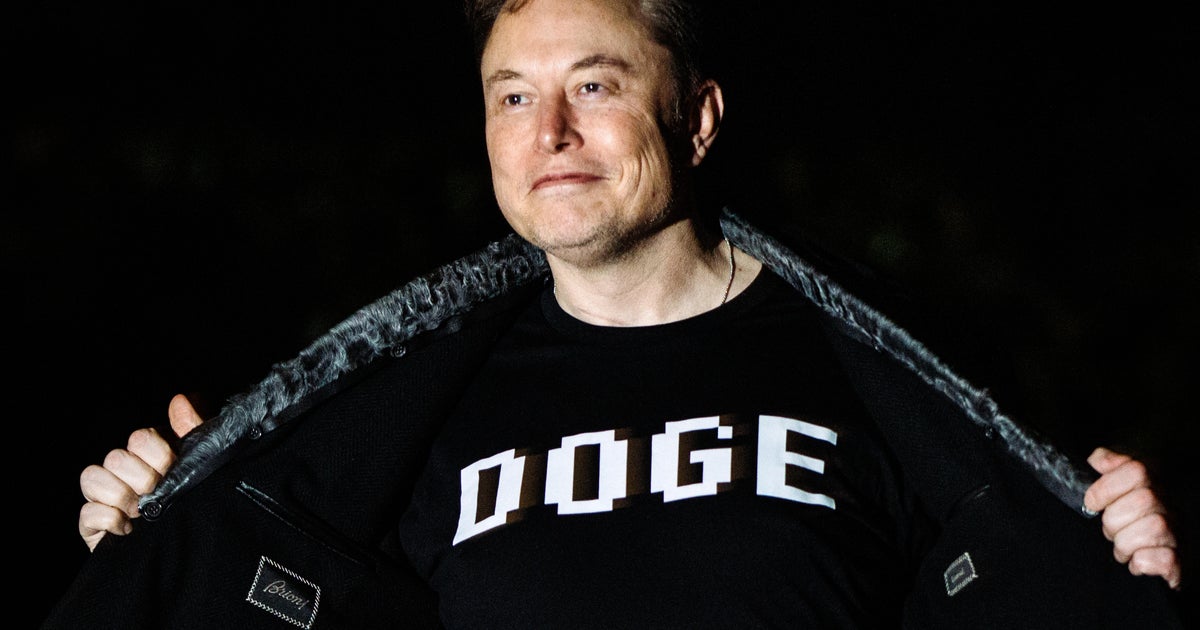
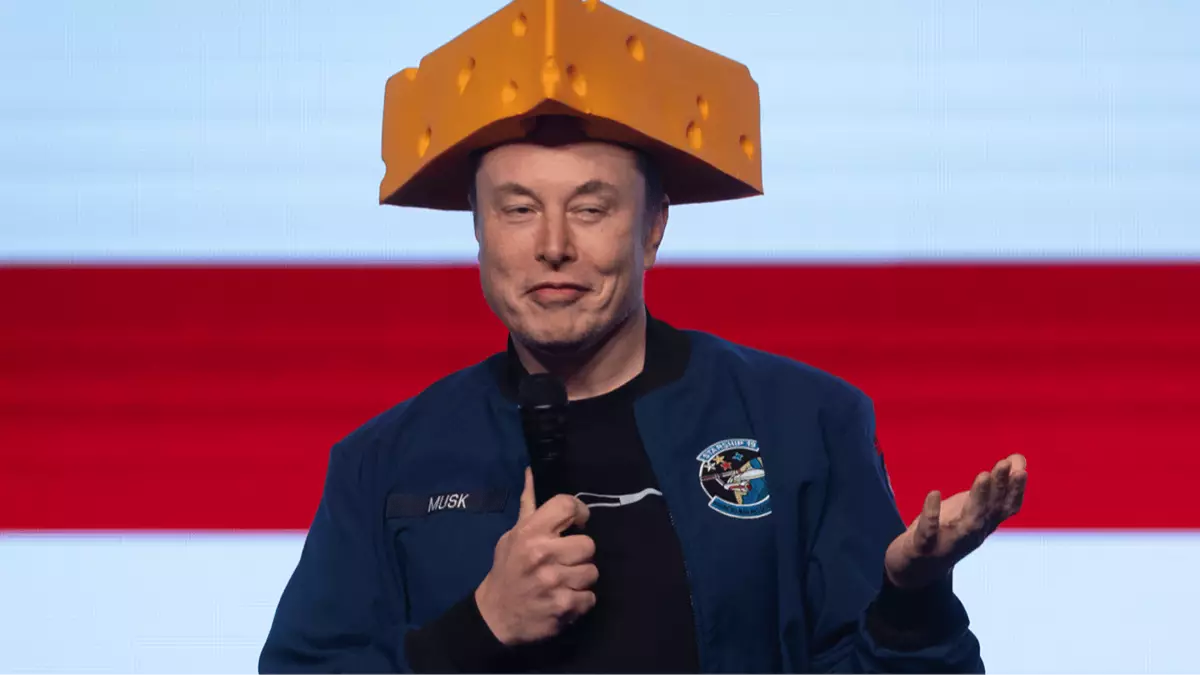
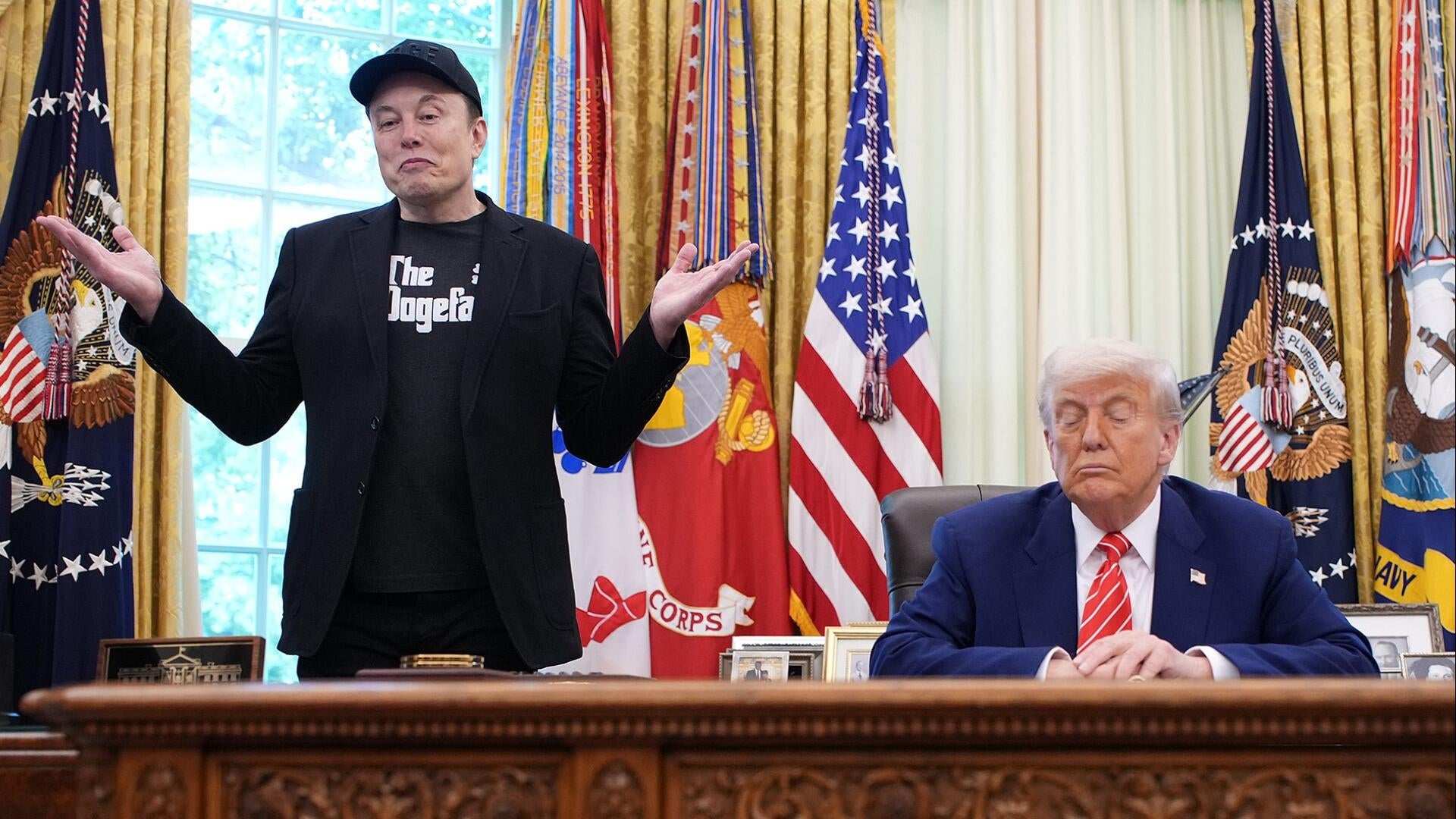
Elon Musk's brief and controversial stint with the Department of Government Efficiency (DOGE) represents a pivotal case study in the challenges of institutional transformation from within. During a hypothetical second Trump administration, Musk attempted to revolutionize government operations, uncovering a labyrinth of bureaucratic resistance that ultimately proved more resilient than anticipated.
The initiative's core ambition was ambitious: eliminate what Musk termed "zombie payments", estimated at $100-200 billion annually. Despite claiming to save approximately $214 billion, the project encountered significant structural barriers. Political resistance emerged as the primary obstacle, with Musk discovering that attempts to disrupt entrenched spending mechanisms provoke aggressive institutional pushback.
Critically, the DOGE experiment extracted a profound lesson about the risks of direct political engagement for business leaders. Musk's involvement directly impacted Tesla's market performance, with the company experiencing global protests, boycotts, and a notable sales decline. The personal cost was equally substantial—Musk reported experiencing security threats, including potential risks of targeted violence that constrained his public visibility.
The most revealing aspect of this narrative is Musk's candid retrospection. By stating he "wouldn't do it again," he illuminates the complex calculus of systemic change. The initiative's informal origins—even its name was crowd-sourced—underscore the experimental nature of his approach. This reflects a quintessential tech entrepreneur's mindset: rapid iteration and willingness to abandon strategies that don't yield expected returns.
Ultimately, the DOGE experiment serves as a sophisticated warning about the limitations of external disruption. For business leaders contemplating political interventions, Musk's experience suggests that institutional inertia is far more powerful than individual innovation. The most strategic path forward might not be direct confrontation, but patient, incremental transformation.
Questions 3
How did the DOGE experiment impact Musk's business interests?
Tesla experienced substantial negative consequences, including global protests, boycotts, and a significant sales decline. The political involvement directly translated to market sentiment challenges, demonstrating the potential risks of high-profile business leaders engaging in direct political initiatives.
What lessons can other business leaders learn from Musk's DOGE experience?
The key takeaway is that systemic change requires more nuanced approaches than direct confrontation. Institutional inertia is powerful, and external disruption can often provoke more resistance than progress. Business leaders should carefully evaluate the potential personal and professional risks of political engagement.