


Pokémon's Strategic Evolution Unleashes Next-Generation Gaming Dynamics
- Nintendo's bold franchise expansion signals transformative gaming ecosystem development
Overview
The Pokémon franchise is executing a masterful strategic pivot that transcends traditional game development, revealing a sophisticated approach to maintaining player engagement and technological innovation. With the release of Pokémon Legends: Z-A Version 2.0.0 on December 10, 2025, Nintendo is demonstrating a nuanced strategy of incremental expansion and narrative complexity that goes far beyond simple game updates.
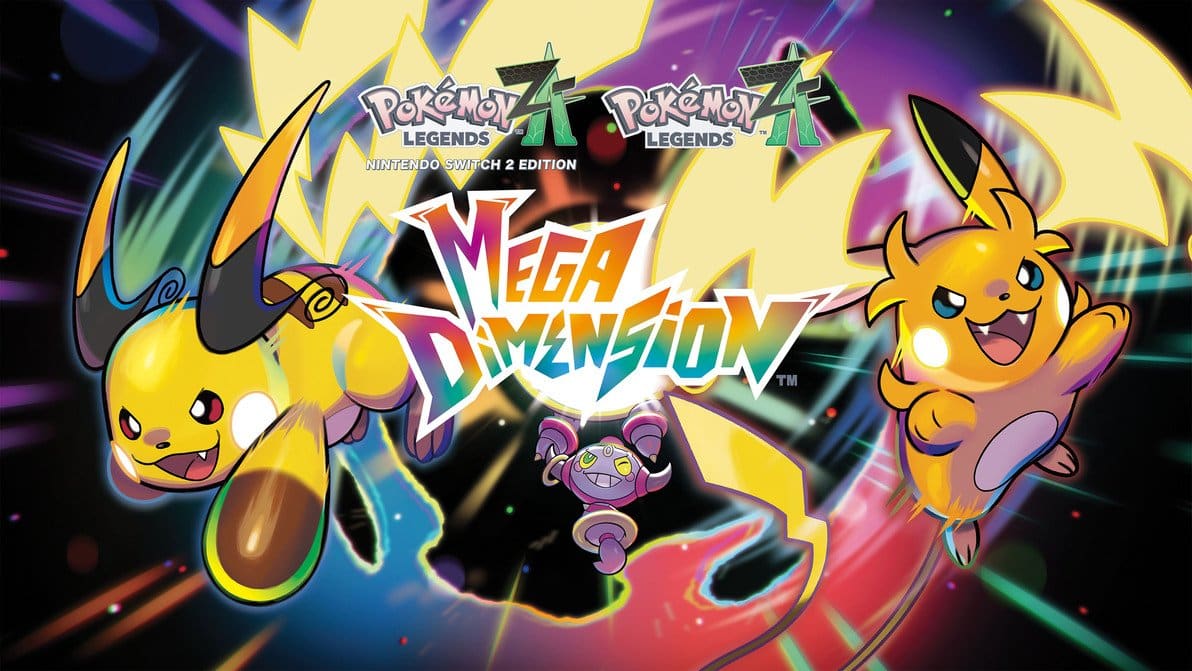
Mega Evolution and Narrative Innovation represent the core of this strategic maneuver. By introducing the Mega Dimension DLC with its unique storyline featuring a donut chef and the Mythical Pokémon Hoopa, Nintendo is breaking conventional game design boundaries. The Hyperspace version of Lumiose City that breaks the traditional level 100 cap signals a deliberate effort to challenge player expectations and create more immersive, non-linear gaming experiences.
The most intriguing aspect of this update is its forward-looking design philosophy. The DLC appears to be a calculated bridge between the ninth and anticipated tenth generation of Pokémon games, strategically positioned to coincide with the franchise's 30th anniversary. By introducing curious new Pokémon designs like Peakychu and Mosslax in the upcoming Nintendo Switch 2 spin-off Pokémon Pokopia, Nintendo is not just releasing a game—it's seeding narrative and design speculation that keeps the community actively engaged.
Critically, the patch notes reveal a sophisticated accessibility strategy. While the DLC is sold separately, the communication features allowing players to encounter new Pokémon demonstrate a nuanced approach to community engagement. This ensures that even players who don't purchase the DLC remain connected to the evolving Pokémon ecosystem, maintaining broad market relevance and preventing player fragmentation.
The update hints at a broader transformation in game design: moving from static, linear experiences to dynamic, interconnected narrative universes that blur the lines between individual game releases. Nintendo is essentially creating a living, breathing Pokémon multiverse that adapts, evolves, and keeps players perpetually curious about what might emerge next.
Questions 3
What makes the Pokémon Legends: Z-A 2.0.0 update strategically significant?
The update represents a sophisticated approach to game design by creating a narrative bridge between game generations, introducing innovative gameplay mechanics like the Hyperspace Lumiose City, and maintaining community engagement through accessible communication features.
How does Nintendo maintain player interest with this update?
By introducing intriguing new Pokémon designs like Peakychu and Mosslax, creating narrative complexity with unique storylines, and ensuring that even non-DLC players can interact with new content through communication features.