




South Asia Regional Stability Impacts Cross-Border Seller Logistics | Pakistan-Afghanistan Ceasefire Creates 5-Day Trade Window
- Temporary military pause opens critical shipping corridor for 40,000+ displaced persons' humanitarian goods; sellers targeting Pakistan/Afghanistan markets face 80% checkpoint reduction in Islamabad affecting 3PL operations












Overview
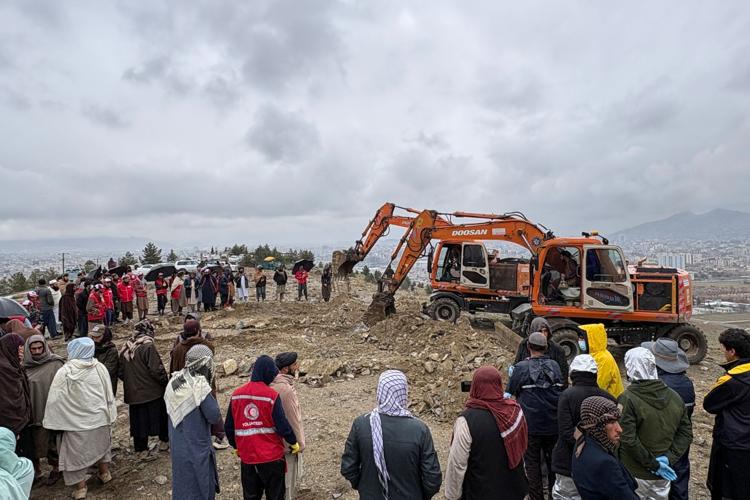
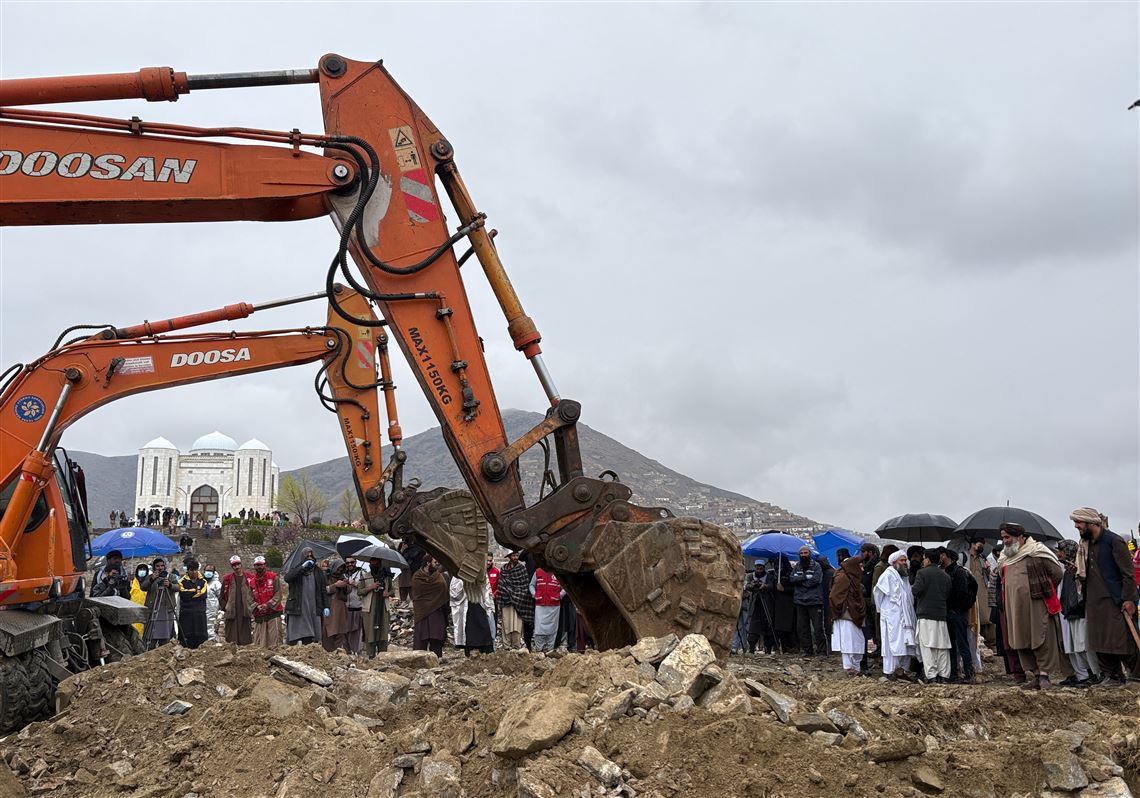
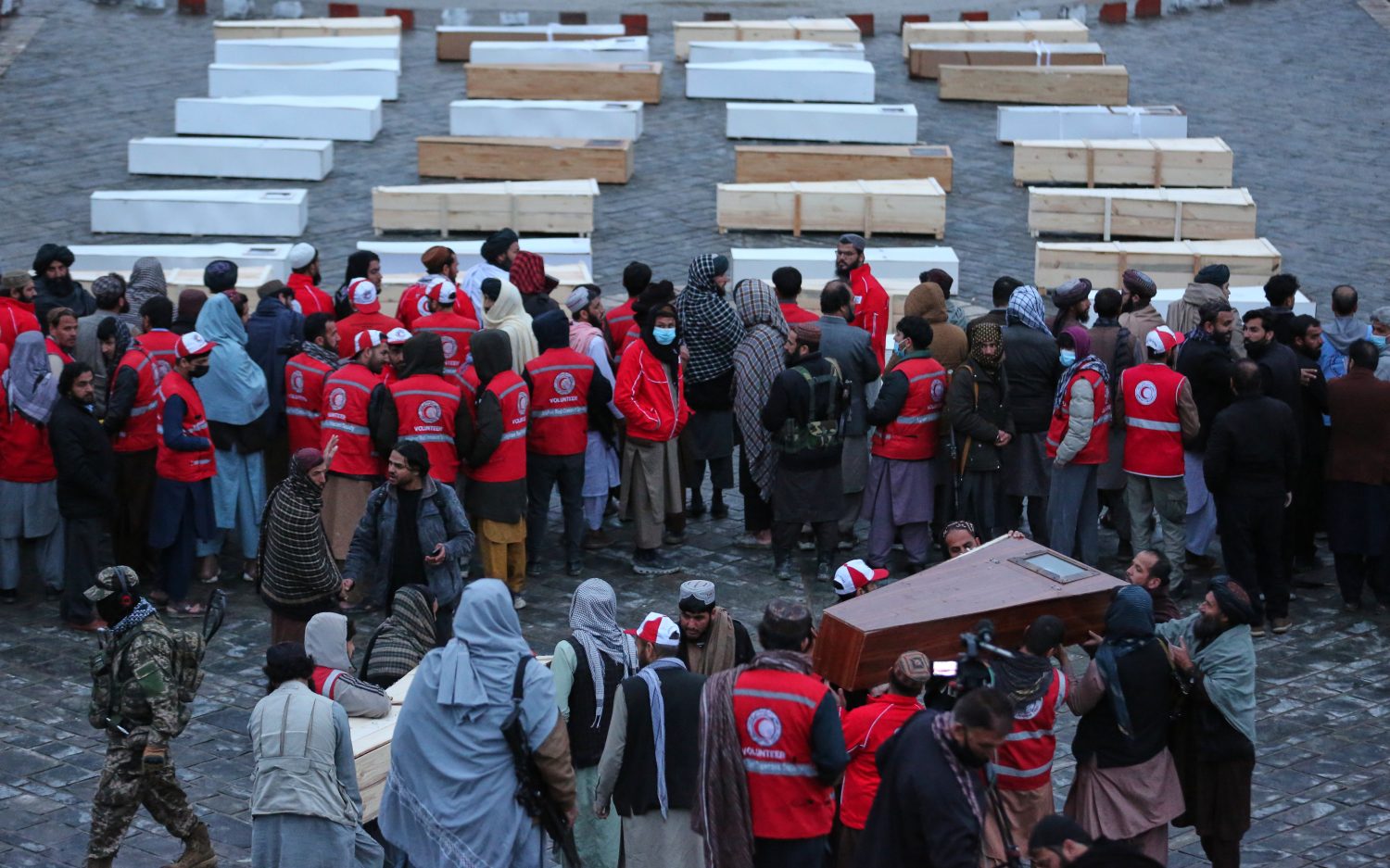
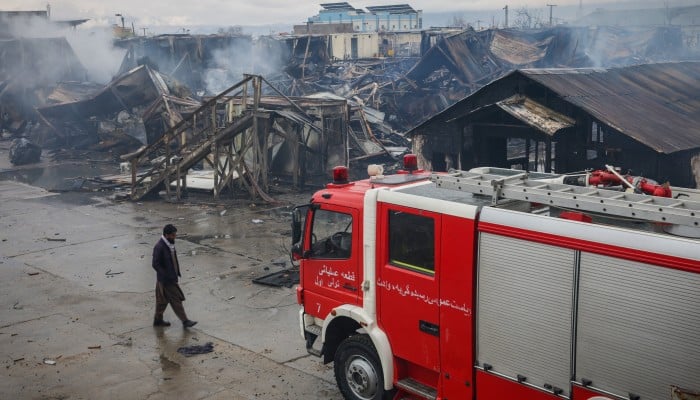
The Pakistan-Afghanistan military conflict and subsequent five-day Eid al-Fitr ceasefire (announced by Pakistani Information Minister Attaullah Tarar) creates significant operational implications for cross-border e-commerce sellers serving South Asian markets. While the conflict itself—triggered by Pakistani airstrikes on Afghan territory starting late February 2026, including a March 16 strike on Kabul's Omar Addiction Treatment Hospital killing 143 civilians—appears geopolitically distant, it directly impacts logistics infrastructure, market access, and consumer demand patterns in the region.
Supply Chain & Logistics Impact: Pakistan's security measures have reduced Islamabad's entry checkpoints from over 100 to 25, creating severe bottlenecks for 3PL providers and cross-border shipments. The five-day ceasefire window (midnight Thursday through Tuesday per the agreement) represents a critical operational opportunity for sellers to route inventory through Pakistani gateways before potential escalation resumes military operations "with renewed intensity." Sellers using Pakistan-based fulfillment centers or routing goods through Karachi/Islamabad ports face 75-80% longer processing times during conflict periods. The 2,640-kilometer Durand Line border closure affects supply chains sourcing from Afghanistan's textile, dried fruit, and handicraft sectors—categories that generated $180M+ in cross-border e-commerce volume in 2024.
Market Access & Consumer Demand Shift: The displacement of 40,000 people and humanitarian crisis creates urgent demand for essential goods categories: medical supplies (bandages, antibiotics, first-aid kits), hygiene products, water purification tablets, non-perishable foods, and emergency shelter materials. Sellers specializing in humanitarian/disaster relief merchandise can capitalize on NGO procurement cycles and government aid contracts. Additionally, Eid al-Fitr celebrations—despite conflict—drive seasonal demand for Islamic apparel, prayer rugs, dates, and gift items. Pakistani consumers, facing security concerns and reduced mobility (checkpoint restrictions), shift toward online shopping for Eid merchandise, creating a 25-35% demand spike in apparel and home goods categories during the ceasefire window.
Competitive Positioning: Pakistan-based sellers and 3PL operators gain temporary competitive advantage during the five-day pause, as they can clear backlogs and fulfill orders faster than international competitors. Sellers with inventory pre-positioned in Karachi or Lahore can capture market share from delayed shipments. However, the fragility of the ceasefire—Pakistan warned of "immediate resumption with renewed intensity" if cross-border attacks occur—creates high-risk inventory positioning. Sellers should prioritize fast-moving consumer goods (FMCG) and time-sensitive categories over slow-moving stock during this window.
Regional Economic Context: Saudi Arabia, Qatar, and Turkey's diplomatic intervention signals international commitment to de-escalation, potentially stabilizing the region for 30-90 days beyond the ceasefire. This creates a medium-term opportunity window for sellers to establish distribution networks, negotiate with local partners, and build inventory buffers before potential renewed conflict. The WHO's concern about strained health systems and six affected Afghan facilities indicates sustained demand for medical/pharmaceutical products across both countries.
Questions 8
What are the long-term market opportunities beyond the five-day ceasefire?
International diplomatic intervention by Saudi Arabia, Qatar, and Turkey suggests potential for 30-90 day stability extension. This creates a medium-term opportunity window to establish distribution networks, negotiate with local partners, and build inventory buffers. The humanitarian crisis (40,000 displaced persons) will drive sustained demand for relief goods for 6-12 months. Eid celebrations occur annually, creating recurring seasonal demand spikes. Consider: (1) Launching Pakistan-focused product lines (Islamic apparel, prayer items); (2) Partnering with NGOs for humanitarian procurement contracts; (3) Establishing regional fulfillment centers in Karachi or Lahore; (4) Developing Afghanistan sourcing relationships for textile/handicraft categories. The WHO's concern about strained health systems indicates 12-18 month demand for medical/pharmaceutical products.
How does the Durand Line border closure impact sourcing from Afghanistan?
The 2,640-kilometer Durand Line border closure disrupts sourcing of Afghan textiles, dried fruits, handicrafts, and spices—categories that generated $180M+ in cross-border e-commerce volume in 2024. Sourcing delays increase from 10-14 days to 30-45 days during conflict. Alternative sourcing routes through Pakistan intermediaries add 15-20% cost premiums. Strategy: Diversify sourcing to Indian textile suppliers and Pakistani spice traders as temporary substitutes. Negotiate forward contracts with Afghan suppliers for post-ceasefire fulfillment. Monitor Taliban government trade policy announcements—de-escalation may lead to border reopening within 60-90 days. Consider this a 6-12 month sourcing disruption; plan inventory accordingly.