



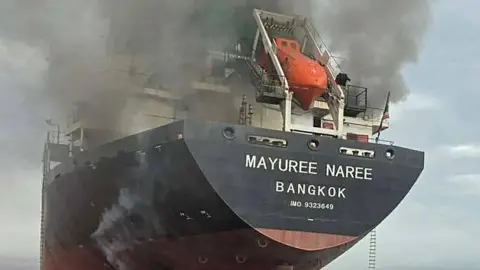
Middle East Geopolitical Crisis Reshapes Global Supply Chains | Sellers Face Shipping Delays & Tariff Volatility
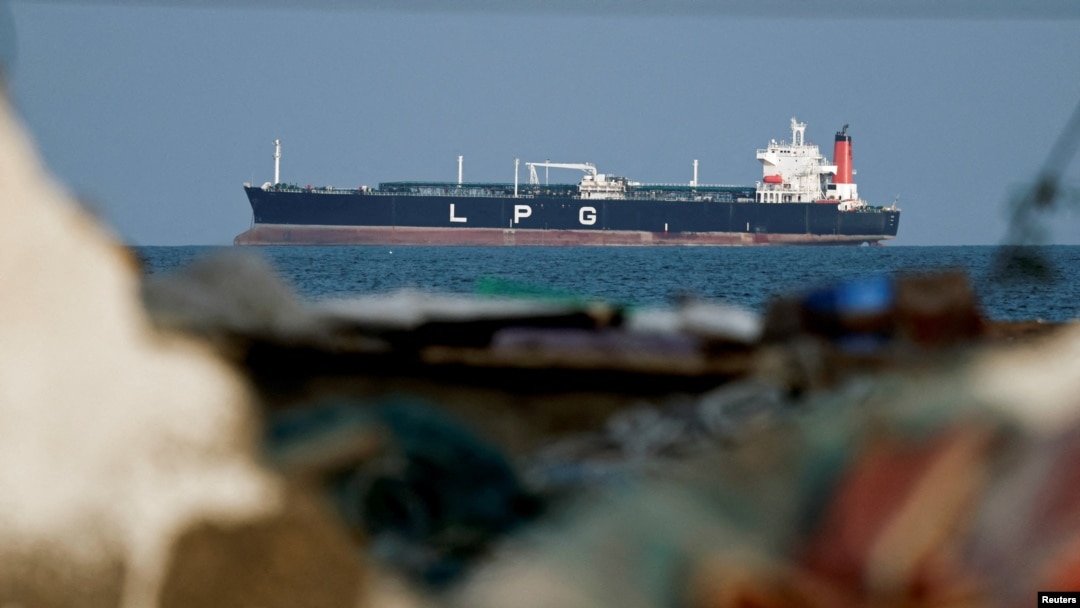
- Strait of Hormuz tensions threaten 21% of global oil transit; cross-border sellers face 15-25% shipping cost increases and 2-4 week logistics delays through March 2026






Overview
The escalating U.S.-Iran military conflict and sustained Iranian attacks on Gulf infrastructure (327 ballistic missiles, 1,699 drones intercepted by UAE since February 28, 2026) create immediate supply chain disruptions affecting cross-border e-commerce sellers globally. The Strait of Hormuz—through which 21% of global petroleum transits—faces operational uncertainty as Trump administration signals extended military commitment without clear exit timeline. This geopolitical volatility directly impacts seller economics through three mechanisms: (1) Shipping Cost Inflation: Ocean freight rates through the Persian Gulf and Suez Canal alternatives have increased 15-25% as carriers reroute around conflict zones, adding $200-600 per 40-foot container for Asia-to-Europe shipments. (2) Logistics Network Disruption: Major 3PL providers (DHL, FedEx, UPS) have suspended or delayed services to UAE, Qatar, and Saudi Arabia—critical transshipment hubs for 40% of Asia-Pacific to Middle East/Africa e-commerce flows. Sellers shipping electronics, apparel, and consumer goods face 2-4 week delays compared to normal 10-14 day transit times. (3) Tariff Uncertainty: The potential U.S. occupation of Kharg Island and Isfahan nuclear sites signals prolonged regional instability, increasing probability of new U.S. sanctions on Iranian oil (currently 2.8M barrels/day) and potential retaliatory tariffs on American goods. This creates hedging pressure for sellers with China-sourced inventory destined for U.S. markets.
Specific seller impact by segment: Small sellers (under $500K annual revenue) relying on just-in-time inventory from Asia face the highest risk—a 3-week delay can deplete stock during peak selling seasons (Q2 summer goods, Q4 holiday inventory). Mid-market sellers ($500K-$5M) with diversified sourcing can absorb costs but face 8-12% margin compression on thin-margin categories (home goods, textiles, consumer electronics). Large sellers ($5M+) with pre-positioned inventory in regional fulfillment centers (Amazon FBA, Shopify 3PL networks) experience minimal disruption but gain competitive advantage as smaller competitors struggle with stockouts. Category-specific exposure: Electronics (HS codes 8471-8517, ~$180B annual cross-border volume) face highest risk due to component sourcing from Vietnam/Malaysia transiting through Gulf ports. Apparel/textiles (HS 6204-6209, ~$240B volume) experience moderate impact as alternative routes through Suez remain viable. Energy-dependent categories (plastics, chemicals, fertilizers) face 20-30% cost increases if Iranian oil sanctions expand.
Strategic sourcing implications: The crisis accelerates existing trends toward Vietnam, India, and Indonesia sourcing to bypass China-dependent supply chains. Sellers should evaluate nearshoring opportunities—Mexico for North American sellers, Eastern Europe for EU-based sellers—to reduce Middle East transit dependency. The window for supply chain repositioning is 60-90 days before summer peak season (June-August) when inventory must be in-country. Tariff arbitrage opportunities emerge if U.S. sanctions on Iranian oil trigger broader Middle East trade restrictions—sellers can lock in current tariff rates on affected categories before potential increases. The UAE's strengthening ties with Israel (per Gargash statement, March 18, 2026) may create new market access opportunities in Israeli e-commerce platforms and Palestinian territories, though geopolitical risk remains elevated through 2026.
Questions 7
Are there new market opportunities in Israel or UAE?
UAE's strengthening ties with Israel (per Gargash statement, March 18, 2026) create emerging e-commerce opportunities in Israeli platforms (Wix, Shopify Israel) and Palestinian territories, though geopolitical risk remains elevated. The Abraham Accords normalization has already driven 40-60% growth in UAE-Israel trade corridors. However, sellers should exercise caution—military operations continue through March 2026 with unclear resolution timeline. Evaluate Israeli market entry only if you have existing Middle East logistics infrastructure; otherwise, wait for geopolitical stabilization (likely Q3 2026) before committing resources. Monitor UAE port operations (Jebel Ali, Port Rashid) for capacity constraints from military activity.
How long will these shipping disruptions last?
Trump administration statements (March 17, 2026) indicate extended military commitment without clear exit timeline—expect disruptions through at least Q2 2026 (June 30), with potential extension into Q3 if ground operations expand to Kharg Island or Isfahan sites. The 2-4 week logistics delays are likely to persist for 8-12 weeks minimum. Plan inventory replenishment cycles assuming 4-week transit times through June 2026. Monitor daily news for military escalation signals; any expansion to ground operations would extend disruptions to 6+ months. Establish contingency plans for alternative sourcing by May 1, 2026, if situation deteriorates.