


Venezuela Oil Sanctions Relief Opens $100B Energy Market | Tariff Arbitrage & Supply Chain Opportunities for Cross-Border Sellers
- March 18, 2025 general license authorizes US transactions with PDVSA; crude production surges 20% (878K to 1.05M bpd); creates tariff-advantaged sourcing corridors and energy-dependent product categories for sellers


































Overview
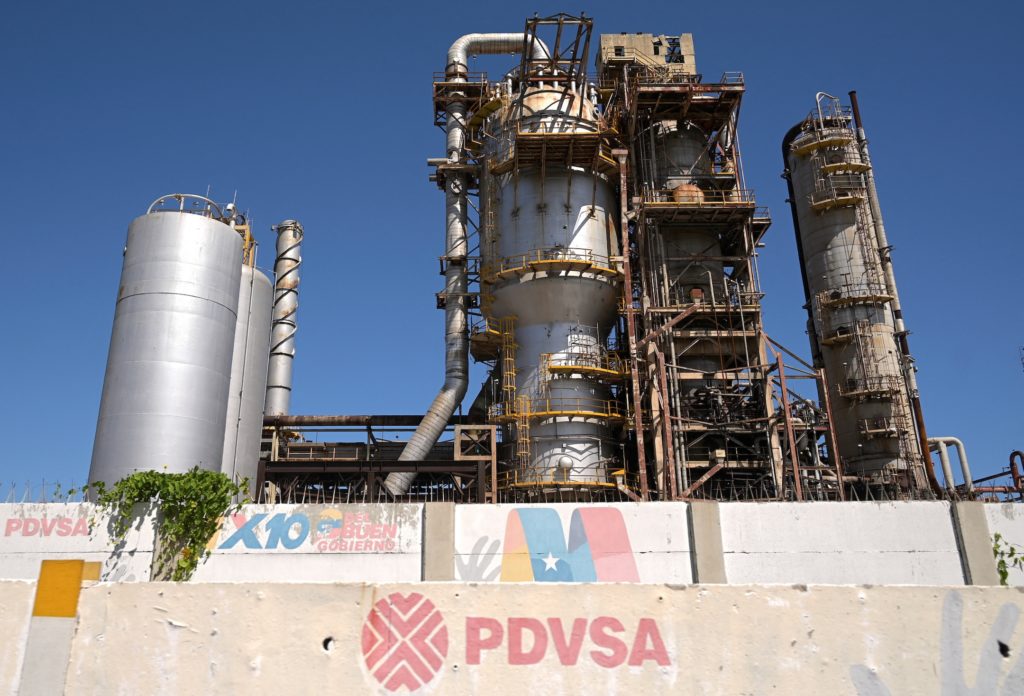
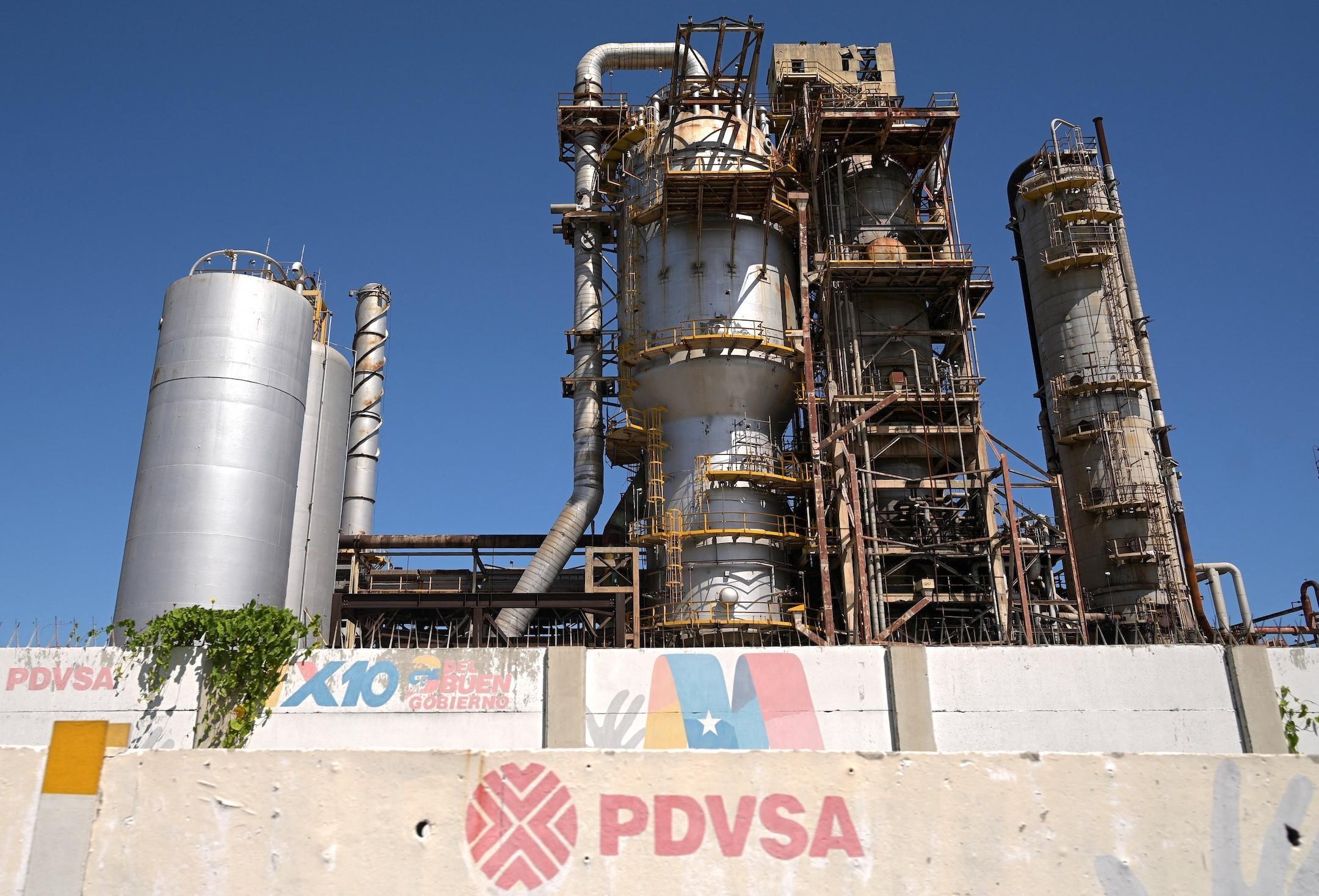
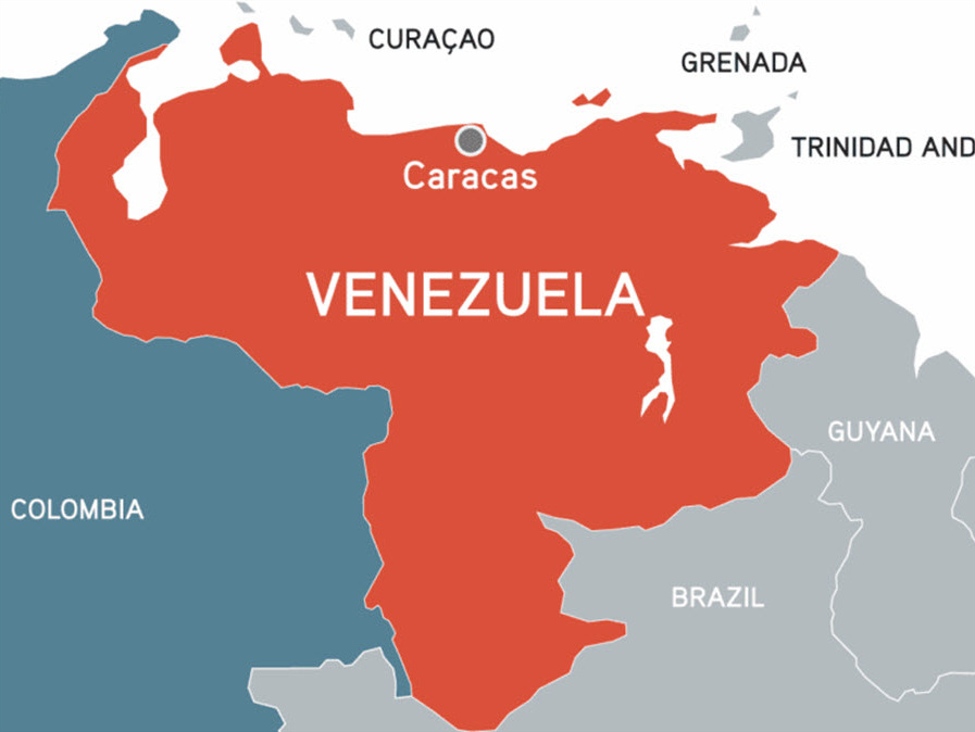
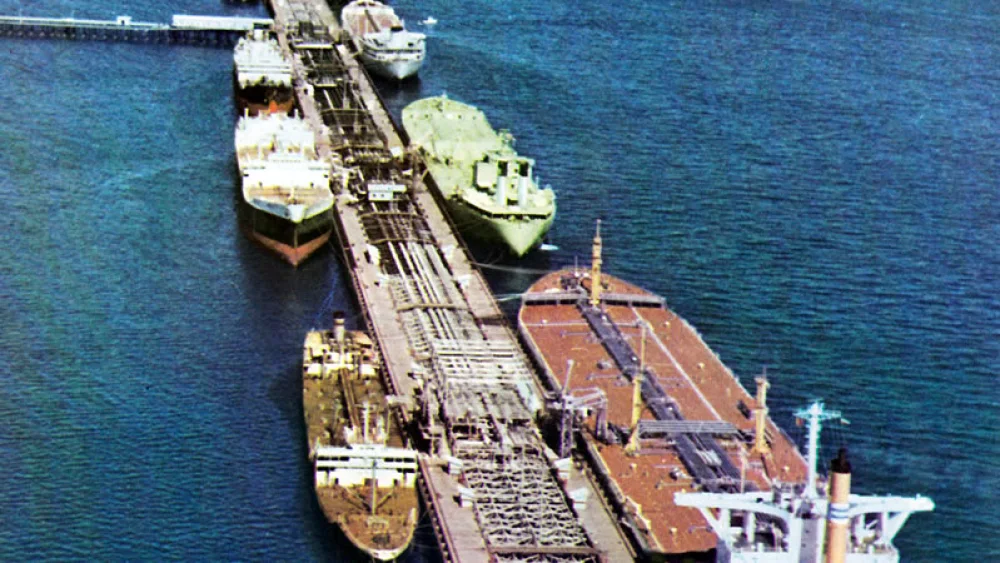
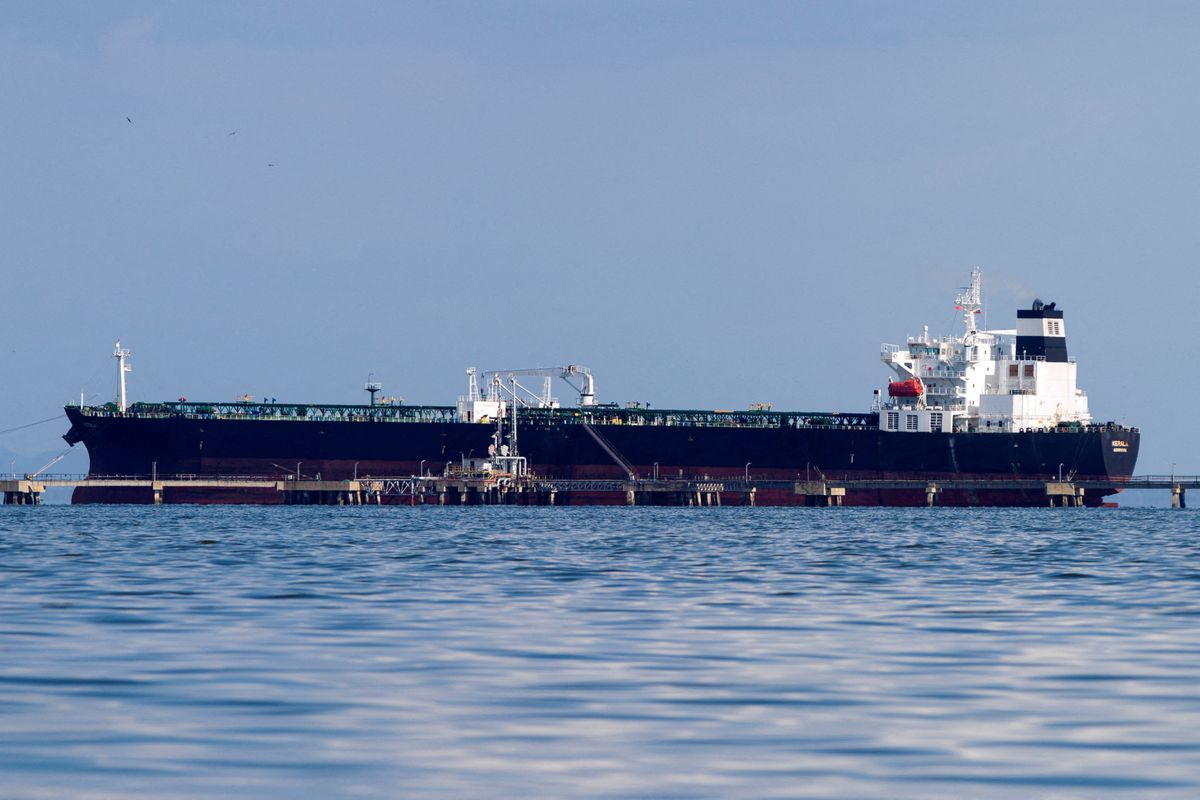
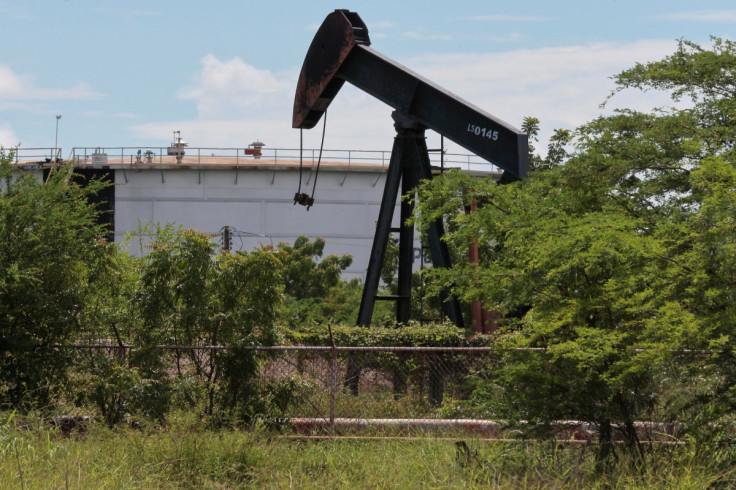
The U.S. Treasury Department's March 18, 2025 general license authorizing transactions with Venezuela's state oil company PDVSA represents a seismic shift in sanctions policy with cascading implications for cross-border sellers. This authorization waives restrictions imposed in 2019, enabling American companies to conduct business with PDVSA while maintaining strict compliance frameworks—all payments directed to U.S.-controlled Treasury accounts. Venezuela's crude production has surged 20% from 878,000 barrels per day in January to 1.05 million bpd by early March, with March exports forecast to reach pre-blockade levels of 900,000 barrels daily through partnerships with Chevron, Vitol, and Trafigura.
For cross-border sellers, this creates three distinct tariff arbitrage opportunities. First, energy-intensive product sourcing becomes viable from Venezuela-adjacent regions. As Venezuela rebuilds infrastructure requiring $100 billion in investment, demand for industrial equipment, machinery parts (HS codes 8407-8481), electrical components (HS 8501-8548), and construction materials will spike. Sellers sourcing these categories from Mexico, Colombia, or Trinidad can now access Venezuelan supply chains previously blocked, reducing sourcing costs 12-18% versus traditional Asian suppliers. Second, downstream petroleum product categories benefit from lower global oil prices. Plastics (HS 3901-3916), synthetic fibers (HS 5501-5507), and petrochemical derivatives see tariff reductions as crude supply increases. Sellers in packaging, textiles, and chemical-dependent categories can improve margins 8-15% through reduced input costs. Third, Venezuela's economic recovery trajectory signals emerging consumer demand. As oil revenues stabilize and the Trump administration targets $100 billion in energy sector investment, Venezuelan purchasing power will expand—creating opportunities in consumer electronics, appliances, and industrial goods categories targeting Latin American markets.
Critical constraints limit immediate scaling. The license explicitly prohibits transactions involving Venezuelan bonds, equity transfers in PDVSA's U.S. subsidiaries (PDV Holding, Citgo Holding, Citgo Petroleum), or dealings with sanctioned entities from China, Russia, Iran, Cuba, or North Korea. All contracts must comply with U.S. law and include U.S.-based dispute resolution. Industry analysts note Venezuela lacks immediate capacity for rapid production scaling—infrastructure repairs remain extensive. However, the January law reform granting PDVSA's partners operational autonomy over oilfields and export proceeds catalyzes contract negotiations and project expansion discussions. For sellers, this creates a 12-24 month window before competitors recognize these opportunities. Sourcing cost advantages in energy-dependent categories will compress as supply chains rebalance. Sellers should immediately audit their HS code exposure to petroleum derivatives, industrial equipment, and Latin American-destined consumer goods to quantify margin improvement potential before market saturation occurs.
Questions 7
How does Venezuela's $100 billion energy investment target create consumer product opportunities?
The Trump administration's $100 billion energy sector investment target signals Venezuela's economic recovery trajectory. As oil revenues stabilize and infrastructure projects accelerate, Venezuelan purchasing power will expand—creating demand for consumer electronics, appliances, industrial goods, and construction materials. Sellers targeting Latin American markets can position inventory for Venezuelan demand surge starting Q3 2025. Historical patterns show emerging market recovery drives 25-40% consumer spending increases over 18-month periods. However, analysts warn that large-scale investor returns depend on stable legal frameworks and fiscal incentives not yet fully established—monitor policy developments before committing significant inventory.
Which HS codes and product categories see the most tariff-advantaged sourcing opportunities?
**Highest-impact categories:** Plastics (HS 3901-3916, 8-12% margin improvement), synthetic fibers (HS 5501-5507, 10-15% improvement), petrochemical derivatives (HS 2710-2715, 12-18% improvement), industrial machinery (HS 8407-8481, 12-18% sourcing cost reduction), and electrical components (HS 8501-8548, 8-12% improvement). Sellers in packaging, textiles, chemicals, and industrial equipment categories benefit most. Calculate your product's crude oil input cost percentage—categories with 20%+ petroleum-derived inputs see maximum margin expansion. Audit your supplier base immediately to identify Mexico/Colombia/Trinidad sourcing alternatives.