


Global Fighting Game Esports Enters a New Era of Strategic Tournament Curation
- Competitive gaming landscape transforms with precision-driven event selection and international expansion




Overview
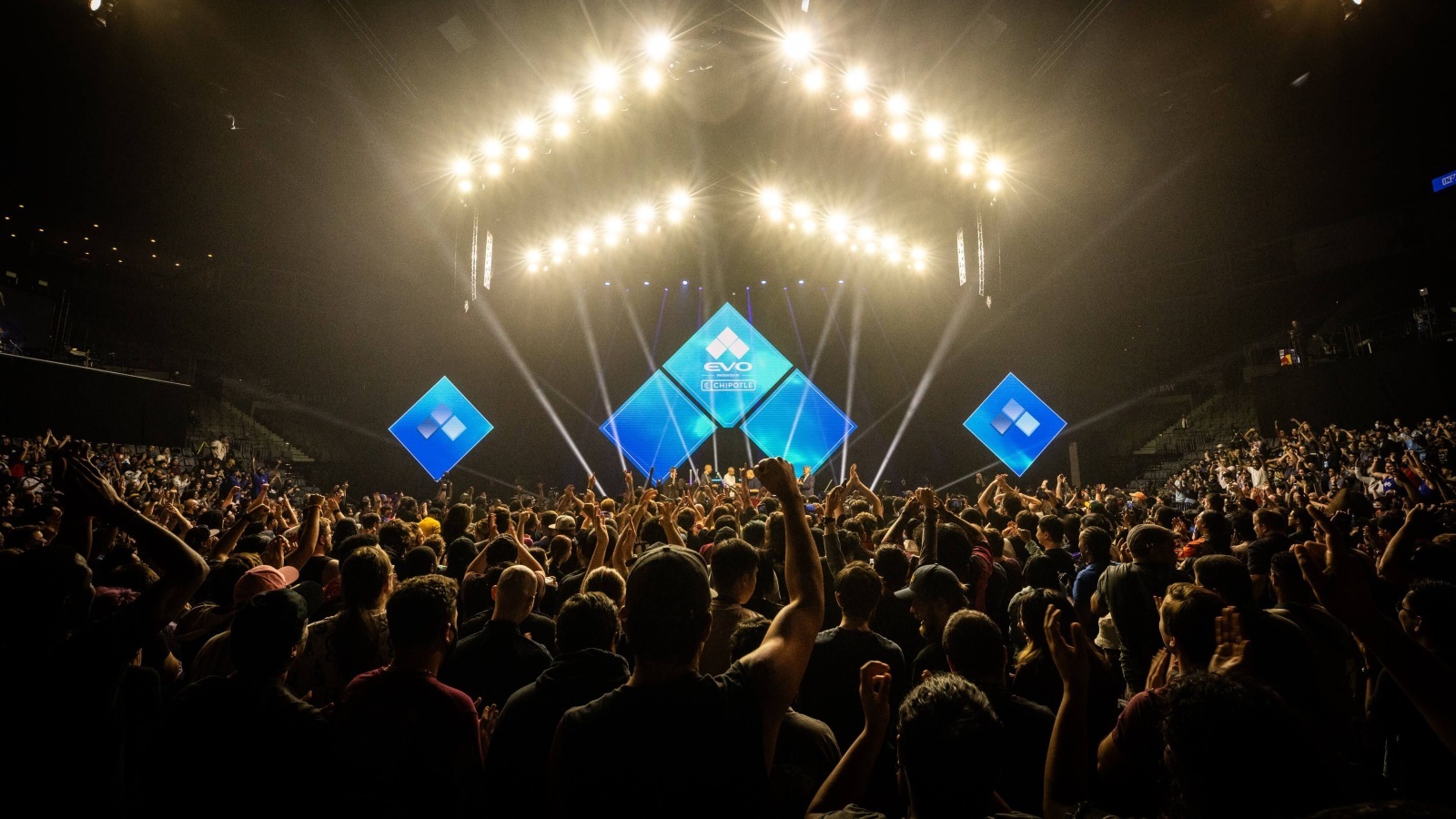
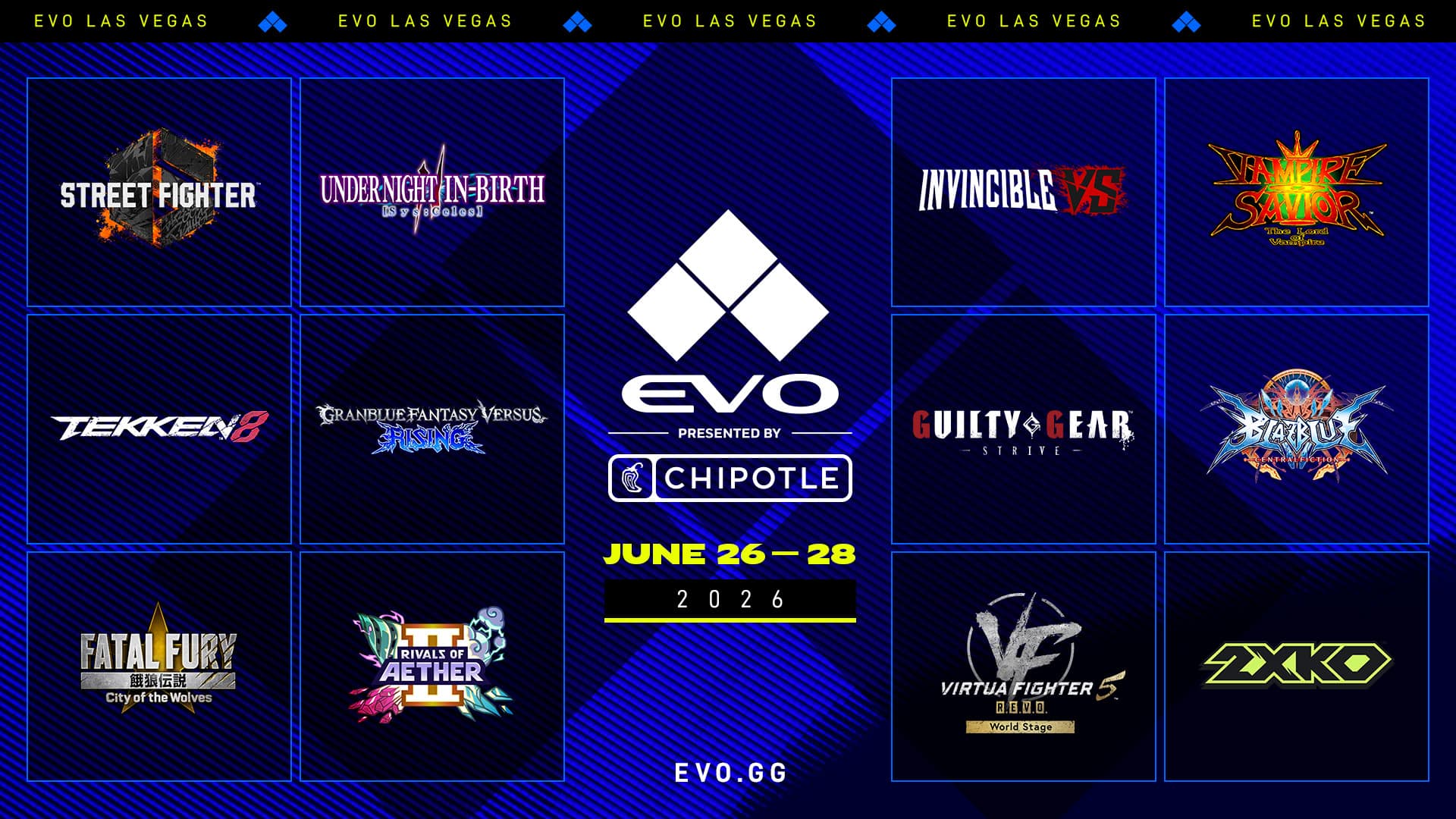
The Evolution Championship Series (EVO) is redefining competitive gaming's global landscape through a meticulously curated approach to tournament design. In 2026, the events in Las Vegas and Tokyo represent more than just fighting game competitions—they signal a strategic transformation in how esports platforms select, showcase, and sustain competitive gaming ecosystems.
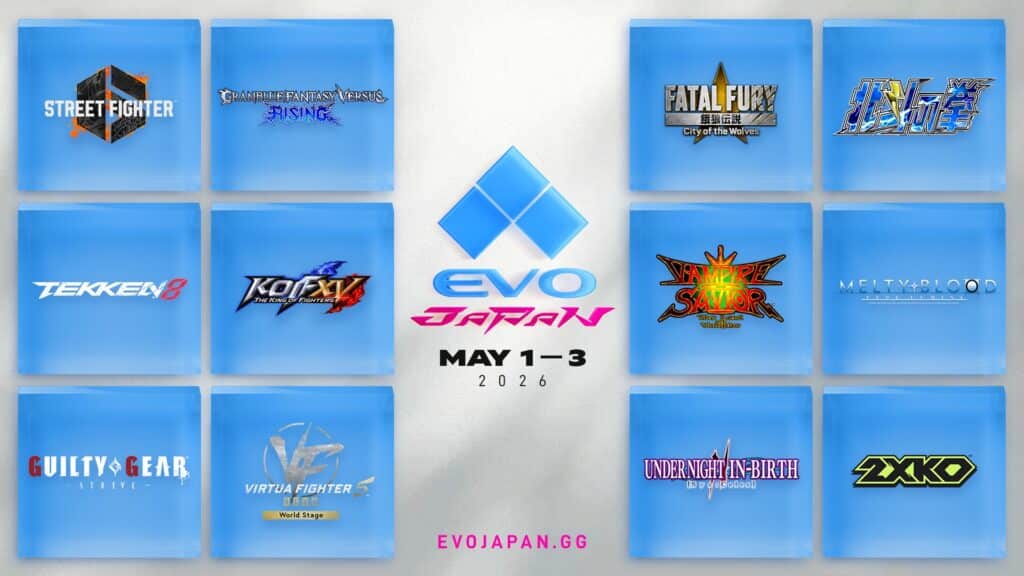
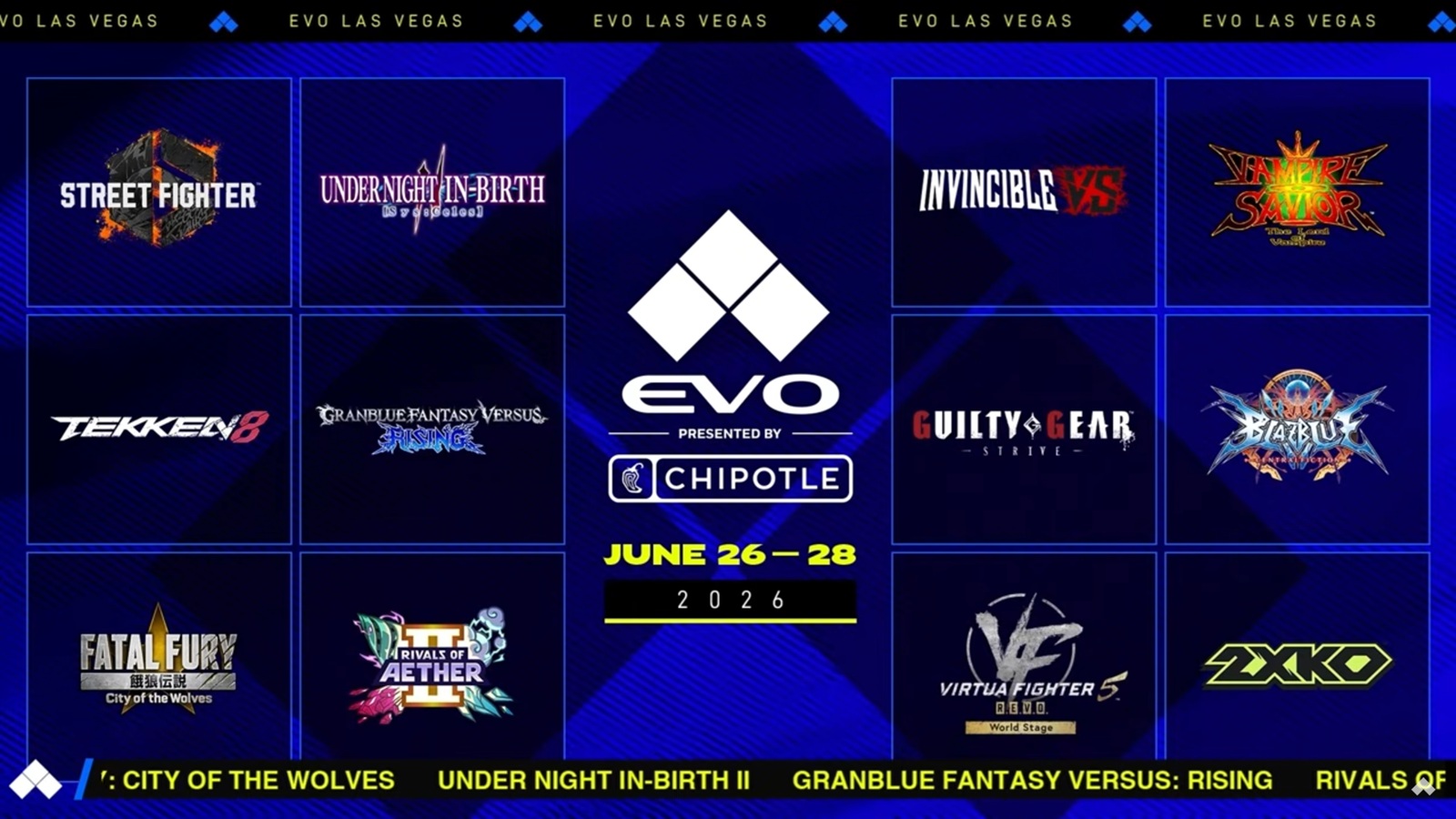
The most striking trend is the deliberate, calculated game selection process. Both EVO 2026 tournaments will feature exactly 12 titles, suggesting a shift from quantity to quality in competitive gaming representation. This isn't random curation, but a sophisticated filtering mechanism that reflects the evolving competitive gaming market. Notable game inclusions like Street Fighter 6, Tekken 8, and surprising newcomers like 2XKO demonstrate a nuanced understanding of community dynamics and competitive potential.
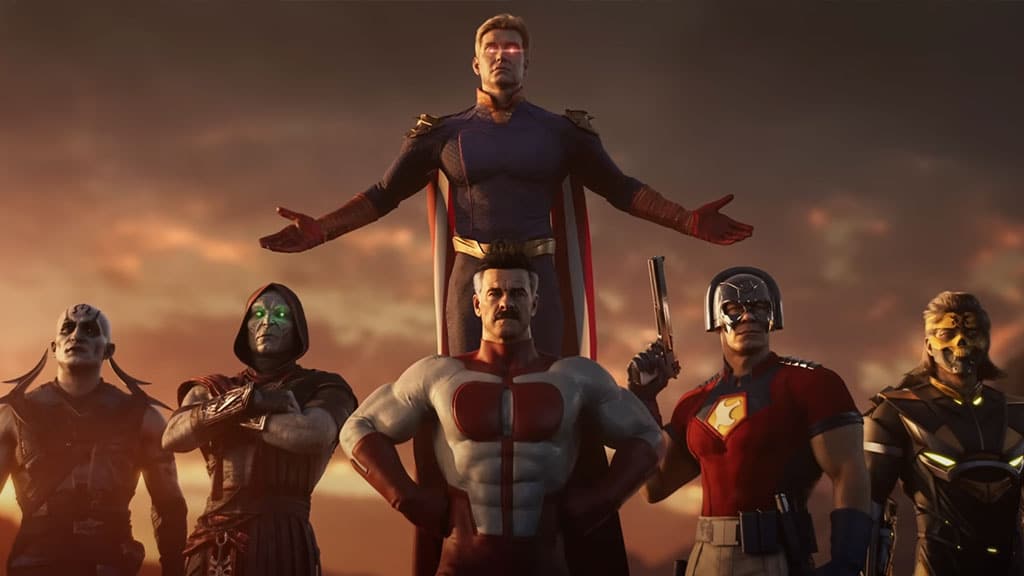
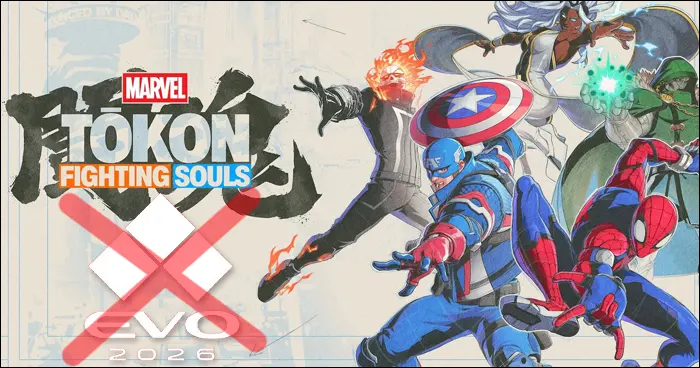
Particularly intriguing is the strategic absence of certain titles. The conspicuous omission of Mortal Kombat 1 and Marvel Tokon: Fighting Souls reveals how tournament organizers are becoming gatekeepers of competitive legitimacy. These decisions aren't just about game quality, but about managing the tournament's narrative and competitive ecosystem. The carefully structured registration model—with tiered pricing from $192 to $269—further underscores the professional, strategic approach to event management.
The global dual-location strategy (Las Vegas and Tokyo) highlights another critical trend: competitive gaming's international normalization. These aren't regional tournaments, but synchronized global events that treat gaming as a truly transnational cultural phenomenon. By maintaining consistent roster sizes and selection criteria across continents, EVO is establishing a new standard of global esports coordination.
The 2026 tournaments represent more than competitive events—they are strategic platforms for game developers, competitive players, and the broader gaming ecosystem to negotiate visibility, legitimacy, and market potential. Each game's inclusion or exclusion carries significant implications for its competitive viability and community perception.
Questions 3
What does the tiered pricing model (from $192 to $269) reveal about EVO's event management?
The structured pricing demonstrates sophisticated audience segmentation and incentive design. Early bird discounts encourage advance registration, while the tiered approach allows different levels of access and commitment, reflecting the tournament's professional approach to event management.
Why are some popular fighting games like Mortal Kombat 1 absent from EVO 2026?
Tournament organizers are becoming increasingly selective, using game inclusion as a strategic signal of competitive viability. The absence might indicate issues with game balance, competitive depth, or community engagement that aren't immediately apparent to casual observers.