



SoFi Fintech Dispute Signals Seller Financing Risk | Payment Provider Volatility 2026
- SoFi's $312M debt dispute raises concerns for 13.7M users relying on seller financing products; fintech payment provider instability threatens cross-border seller working capital access


/tpg/sources/4b768852-e272-49c1-85c5-f37dcb02eec9.jpeg)















Overview
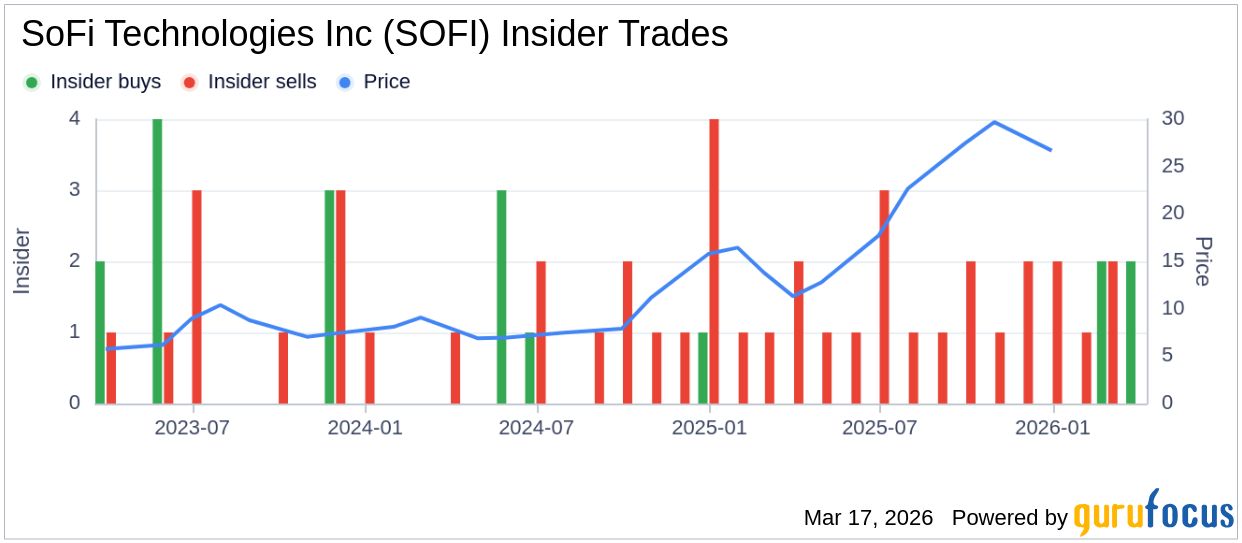
SoFi Technologies faces a critical credibility crisis that directly impacts e-commerce sellers relying on fintech payment solutions and working capital financing. On March 17, 2026, short seller Muddy Waters alleged $312 million in unrecorded debt, causing SoFi's stock to plummet 6.5% to $16.48 per share. While CEO Anthony Noto's purchase of 28,900 shares at $17.32 signals insider confidence, the underlying dispute reveals systemic risks in fintech lending infrastructure that sellers depend on for cross-border payment processing and inventory financing.
For e-commerce sellers, SoFi's financial transparency crisis creates immediate working capital risks. SoFi operates a diversified lending platform serving 13.7 million members with personal loans, credit cards, mortgages, and banking services—products heavily utilized by small-to-medium sellers for inventory financing and operational cash flow. The company's Q4 performance showed strong metrics (13 cents EPS, up 160% YoY; $1.025B revenue, up 40% YoY; 1 million new members), but the alleged $312M debt misstatement raises questions about financial reporting accuracy. Sellers using SoFi's merchant cash advance products, personal loans for inventory purchases, or credit products face potential service disruptions if the company's financial position deteriorates. The 36% stock decline in 2026 (despite 70% gains in 2025) indicates market skepticism about fintech valuations broadly, affecting access to capital for sellers who depend on alternative lenders.
The fintech payment provider landscape is experiencing a credibility squeeze that threatens seller financing options. SoFi's dispute with Muddy Waters—which claims an "undefeated" litigation record—highlights the tension between short sellers and fintech companies over financial disclosure standards. For cross-border sellers, this creates a critical decision point: diversify payment processing providers immediately, lock in favorable financing terms before potential rate increases, and reduce dependency on single fintech platforms. Sellers should evaluate alternative financing sources (traditional banks, supply chain finance platforms, invoice factoring) and payment processors (Stripe, Square, PayPal) that offer more transparent financial reporting. The outcome of potential legal proceedings could establish precedents affecting fintech accountability, but sellers cannot wait for resolution—they must act now to protect cash flow stability.
**Immediate actions for sellers: (1) Audit current SoFi exposure—review any active loans, merchant cash advances, or credit products and develop repayment/refinancing plans; (2) Diversify payment processors—reduce concentration risk by adding 2-3 alternative providers (Stripe, Square, traditional bank ACH); (3) Secure backup financing—lock in invoice factoring or supply chain finance terms with non-fintech lenders before market tightens; (4) Monitor SoFi developments—track quarterly earnings and legal proceedings for service disruption signals. Strategic sellers should shift 20-30% of working capital financing to traditional banks or supply chain finance platforms offering 4-6% APR (vs. fintech merchant cash advances at 8-12% APR), unlocking 2-4% cost savings while reducing counterparty risk. The fintech sector's 2026 volatility makes this diversification essential for sellers managing cross-border inventory and payment cycles.
Questions 8
What is the timeline for sellers to diversify away from SoFi financing?
Immediate action (0-30 days): Audit all active SoFi loans, merchant cash advances, and credit products; identify maturity dates and outstanding balances. Short-term (30-90 days): Secure backup financing from 2-3 alternative providers; lock in rates before potential market tightening. Medium-term (90-180 days): Refinance existing SoFi debt into lower-cost alternatives (bank lines, supply chain finance, factoring). The legal dispute resolution could take 12-24 months, but sellers cannot wait—fintech sector volatility in 2026 makes immediate diversification essential. Sellers with $50K+ in SoFi exposure should prioritize refinancing within 60 days.
How does SoFi's 13.7 million member base affect cross-border seller competition?
SoFi's rapid growth (1 million new members in Q4 2025) indicates strong demand for fintech lending among small business owners and sellers. However, if SoFi faces service disruptions or tightens lending, 13.7 million users may simultaneously seek alternative financing, creating competition for limited capital. This could drive up borrowing costs across the fintech sector and reduce availability of merchant cash advances. Sellers should lock in favorable financing terms NOW before market tightening occurs. The broader implication: fintech sector consolidation or failures could reduce financing options for sellers, making traditional bank relationships more valuable.