


Microsoft's MicroLED Datacenter Revolution | 50% Power Savings & 33% Latency Cuts Transform E-Commerce Infrastructure by Late 2027
- Reduces AI datacenter electricity costs 24-60% of operational spending; 44.7% annual energy growth forecasted; sellers gain faster API response times, real-time pricing automation, and inventory sync improvements through Azure platform acceleration






Overview
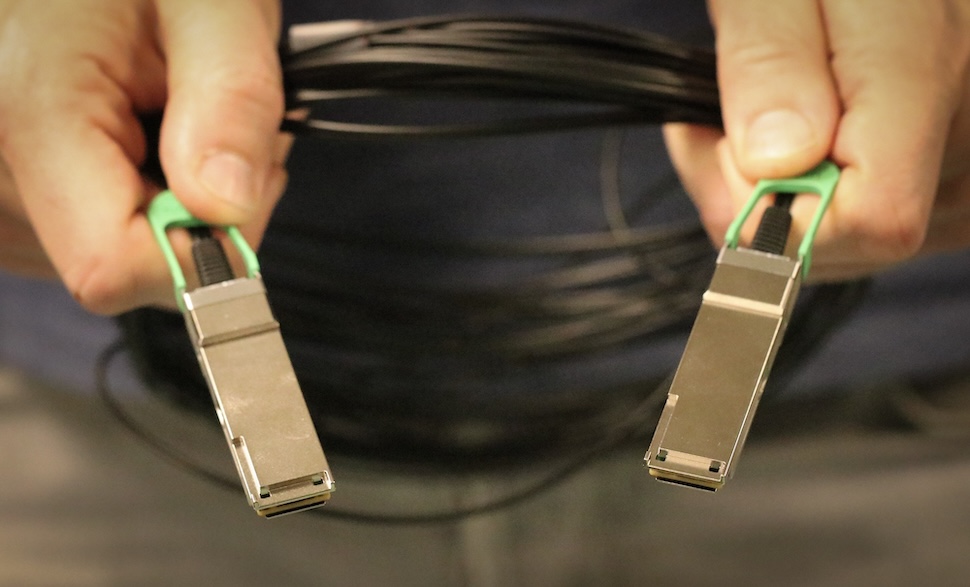
Microsoft's breakthrough MicroLED-based optical interconnect technology (MOSAIC) represents a fundamental infrastructure shift with direct implications for cross-border e-commerce sellers relying on cloud-based operations. Announced in March 2026 with commercialization expected by late 2027, the technology consumes approximately 50% less energy than conventional laser-based optical cables while delivering 47% faster data transmission and 33% lower latency across datacenter networks. This addresses a critical cost challenge: electricity currently accounts for 24-60% of total spending at enterprise data centers, with IDC forecasting AI datacenter energy consumption growing at 44.7% compound annual rate, reaching 146 terawatt-hours by 2027.
For e-commerce sellers, the infrastructure implications are substantial and immediate. Azure-hosted platforms powering inventory management, order processing, and analytics tools will experience measurable performance improvements. The 33% latency reduction is particularly significant for real-time operations—dynamic pricing algorithms, multi-channel inventory synchronization, and customer-facing applications will execute faster with reduced system bottlenecks. Sellers managing high-volume operations (1,000+ daily orders) will benefit from improved API response times, reducing transaction processing delays from milliseconds to microseconds. This translates to faster product listing updates, quicker price adjustments in response to competitor actions, and more reliable real-time inventory visibility across Amazon, eBay, Shopify, and other Azure-integrated platforms.
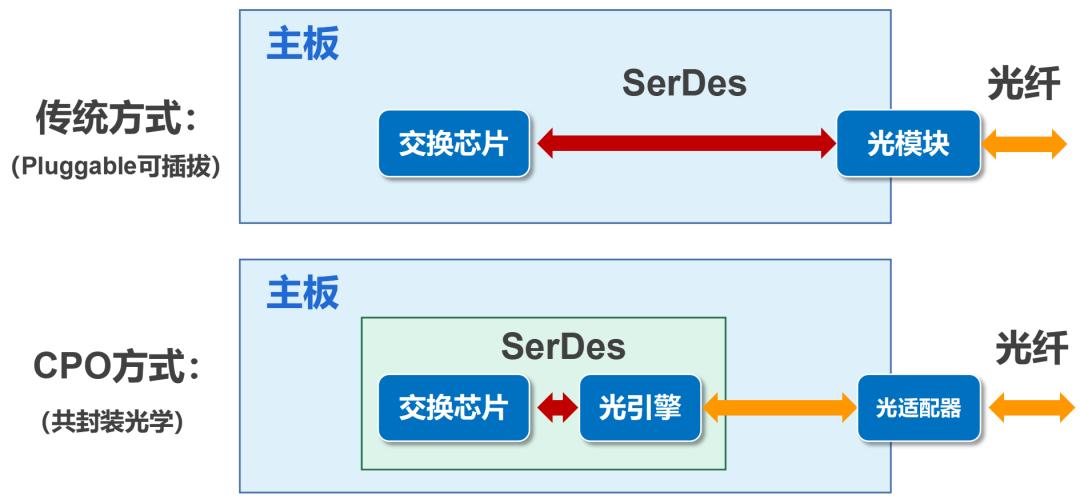
The competitive landscape shows Microsoft advancing infrastructure capabilities ahead of AWS and Google Cloud. While Amazon Web Services and Google Cloud pursue similar optical networking strategies, Microsoft's dual-technology approach (MOSAIC for in-facility GPU/server connectivity plus Hollow Core Fiber for inter-datacenter links) demonstrates comprehensive infrastructure optimization. However, competitive pressure from Nvidia and Broadcom's co-packaged optics (CPO) technology—promising 3.5x lower power consumption with 2026 availability—suggests multiple solutions will coexist. The technology reaches 50 meters with 400G-800G bandwidth sweet spot, though industry advancement toward 1.6T-3.2T targets by 2027-2028 indicates rapid evolution. Sellers should anticipate platform performance improvements rolling out gradually through 2027-2028 as Microsoft deploys MOSAIC across Azure regions globally.
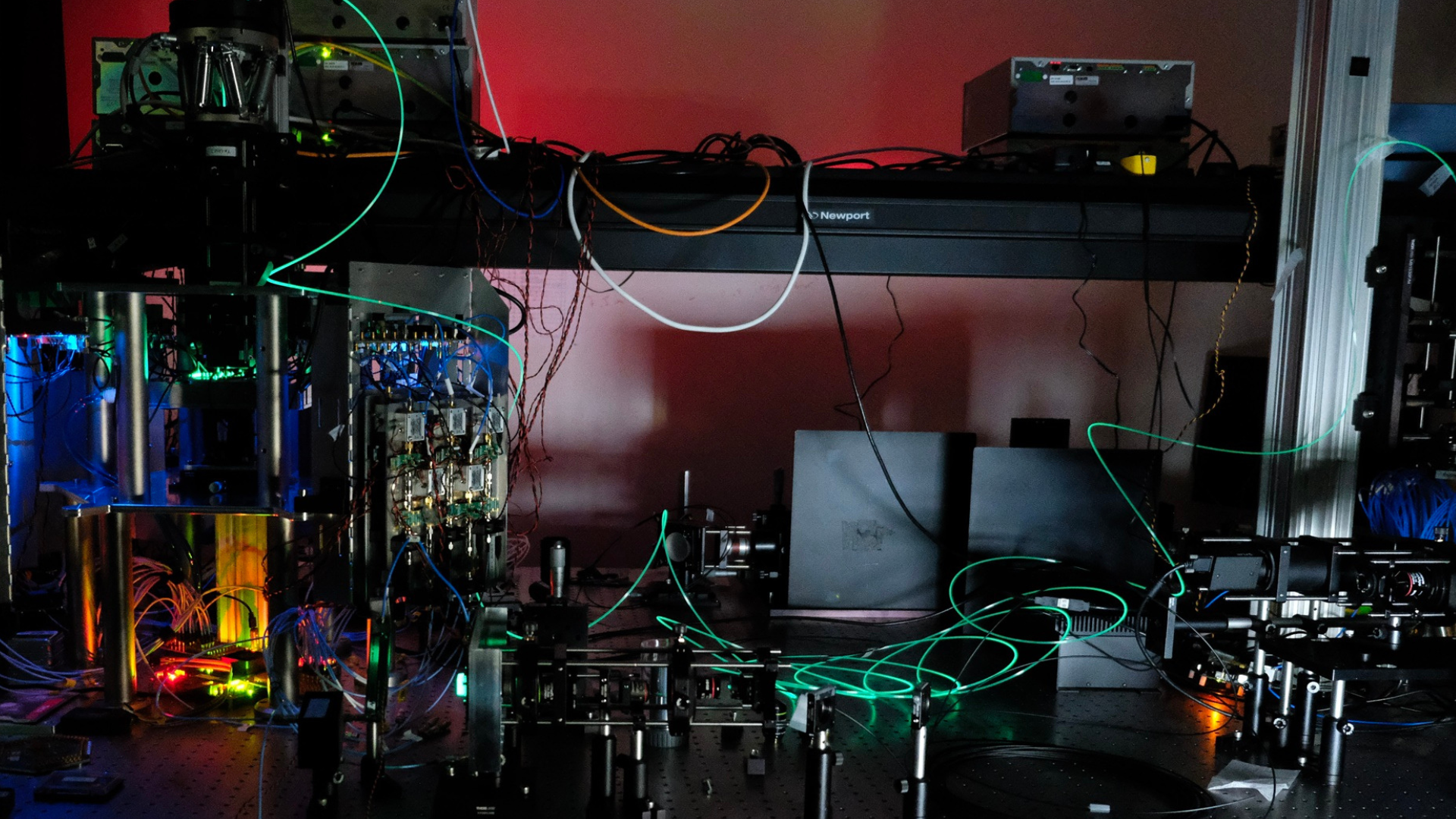
Operational cost reductions cascade through platform economics. Lower datacenter electricity costs enable cloud providers to reduce infrastructure fees, potentially translating to lower platform fees or improved service reliability for sellers. The proof-of-concept with MediaTek demonstrates seamless integration with existing datacenter equipment, minimizing disruption during deployment. Sellers relying on Azure-hosted inventory management systems, dynamic pricing engines, and analytics platforms will experience these benefits without requiring system changes—infrastructure improvements deliver value automatically through platform optimization.
Questions 8
How does Microsoft's MicroLED approach compare to competing technologies like Nvidia's CPO?
Microsoft's MOSAIC uses hundreds of parallel low-speed MicroLED channels reaching 50 meters with 50% lower power consumption than laser-based cables. Nvidia and Broadcom's co-packaged optics (CPO) promise 3.5x lower power consumption with 2026 commercial availability—potentially superior efficiency. However, MOSAIC's advantages include lower manufacturing costs (using inexpensive MicroLEDs vs. specialized lasers), superior reliability (copper-level endurance), and compatibility with existing datacenter equipment. The technologies target different bandwidth ranges: MOSAIC's sweet spot is 400G-800G, while CPO targets higher speeds. Multiple solutions will likely coexist, with Microsoft's approach winning in cost-sensitive, reliability-critical applications while CPO dominates ultra-high-bandwidth scenarios.
What specific e-commerce operations benefit most from 33% latency reduction?
Real-time operations show the greatest benefit: (1) Dynamic pricing engines that adjust prices based on competitor actions, demand signals, and inventory levels—faster execution means better margin capture; (2) Multi-channel inventory synchronization across Amazon, eBay, Shopify, and other platforms—reduced latency minimizes overselling and stockouts; (3) Real-time analytics dashboards showing sales, inventory, and customer behavior—faster data processing enables quicker decision-making; (4) Customer-facing applications like product search, recommendations, and checkout—improved responsiveness reduces cart abandonment. Sellers managing high-volume operations (10,000+ daily orders) will see the most measurable impact, while smaller sellers with lower transaction volumes may notice improvements primarily during peak traffic periods.