

Google Search Traffic Collapse 2025 | Critical Shift for E-Commerce Sellers
- Small sellers lose 60% organic traffic as AI reshapes discovery; urgent need for traffic diversification strategy



Overview
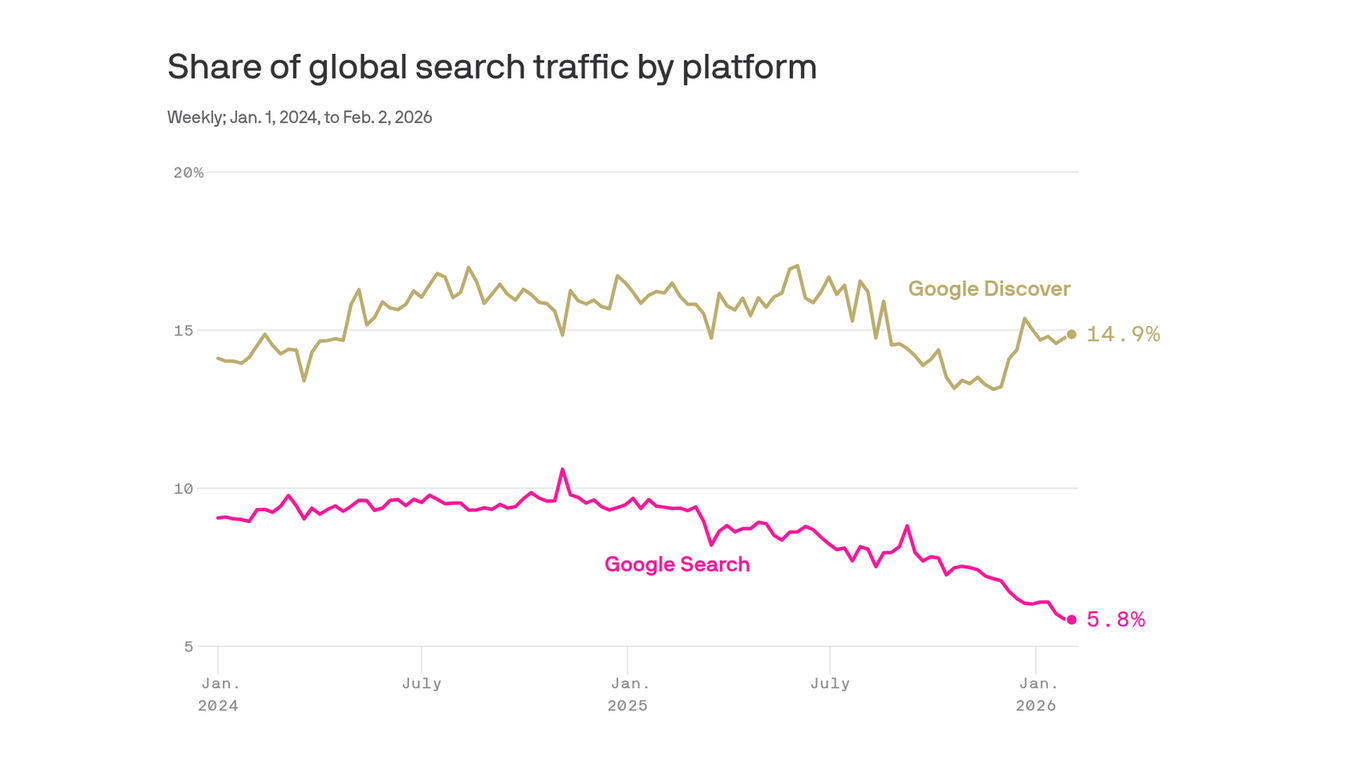
The organic search traffic collapse of 2024-2025 represents the most significant disruption to e-commerce seller acquisition channels in a decade. According to Chartbeat analytics tracking thousands of global publisher sites, small e-commerce sellers (equivalent to 1,000-10,000 daily pageviews) experienced a devastating 60% decline in Google Search referral traffic over two years, while mid-sized sellers (10,000-100,000 daily pageviews) lost 47%, and larger sellers (100,000+ daily pageviews) saw 22% declines. Google Search pageviews declined 34% year-over-year, with Google Discover dropping 15%. This data reveals a fundamental restructuring of how customers discover products online—a shift that directly threatens the business model of smaller e-commerce sellers who historically relied on SEO as their primary growth engine.
The critical insight: AI alternatives are NOT replacing lost search traffic. ChatGPT referrals increased 200% but represent less than 1% of total traffic, indicating AI chatbots cannot yet offset traditional search losses. Overall web traffic declined only 6% from 2024 to 2025, meaning traffic is redistributing rather than disappearing. However, search's share of traffic is shrinking while direct traffic, internal navigation, email, apps, and messaging channels are growing. This creates a two-tier marketplace: larger sellers with established brand recognition, direct customer relationships, and diversified traffic sources remain resilient, while smaller sellers without these advantages face existential pressure. Tech media publications like The Verge and HowToGeek experienced 85%+ drops in Google Search traffic, with Digital Trends suffering a 97% decline that forced near-total staff layoffs in early 2025.
For e-commerce sellers, the operational implications are severe and immediate. Small sellers relying on SEO as their primary customer acquisition channel must fundamentally restructure their growth strategies within the next 6-12 months. The data demonstrates that organic search optimization alone is insufficient for sustainable growth. Sellers without strong brand recognition, established direct audience relationships, repeat visitor bases, or differentiated value propositions face the greatest risk of revenue collapse. This is particularly acute for niche product sellers, new market entrants, and sellers in competitive categories where organic search was their primary competitive advantage.
The automation and AI opportunity for sellers is substantial. Rather than fighting the search decline, forward-thinking sellers should immediately implement AI-powered tools to: (1) automate email marketing campaigns to build direct customer relationships (saving 8-12 hours/week), (2) use AI analytics to identify which product categories still drive search traffic and which require alternative channels, (3) implement dynamic pricing and inventory optimization based on traffic source performance, and (4) automate social commerce content creation for TikTok, Instagram, and Pinterest where traffic is growing. Sellers can use tools like Klaviyo (email automation), Shopify's AI features, and third-party analytics platforms to identify high-value customer segments and reduce reliance on search. The competitive advantage goes to sellers who automate traffic diversification fastest—those building email lists, social followings, and direct-to-consumer relationships while competitors still chase declining search rankings.
Questions 8
Which e-commerce sellers are most vulnerable to search traffic declines?
Sellers without strong brand recognition, established direct customer relationships, repeat visitor bases, or differentiated value propositions face the greatest risk. Small sellers relying on SEO as their primary growth engine are most vulnerable. Tech media publications like The Verge and HowToGeek experienced 85%+ drops in Google Search traffic, while Digital Trends suffered a 97% decline. Niche product sellers, new market entrants, and sellers in competitive categories are particularly at risk of revenue collapse.
What immediate actions should sellers take to adapt to search traffic declines?
Sellers should immediately implement: (1) Email marketing automation to build direct customer relationships (saves 8-12 hours/week), (2) AI analytics to identify which product categories still drive search traffic, (3) Dynamic pricing based on traffic source performance, and (4) Social commerce content automation for TikTok, Instagram, and Pinterest. Larger publishers demonstrate resilience through diversified traffic strategies leveraging brand recognition, direct-to-consumer products, and owned channels. Sellers must invest in these channels within 6-12 months or face competitive disadvantage.