



Middle East Energy Crisis Drives 18-25% Shipping Cost Surge | Cross-Border Seller Impact
- Oil prices spike to $115/barrel as attacks on Qatar LNG hub (20% global supply) disrupt logistics; air freight and temperature-controlled shipping face acute cost pressures through Q2 2026




























Overview
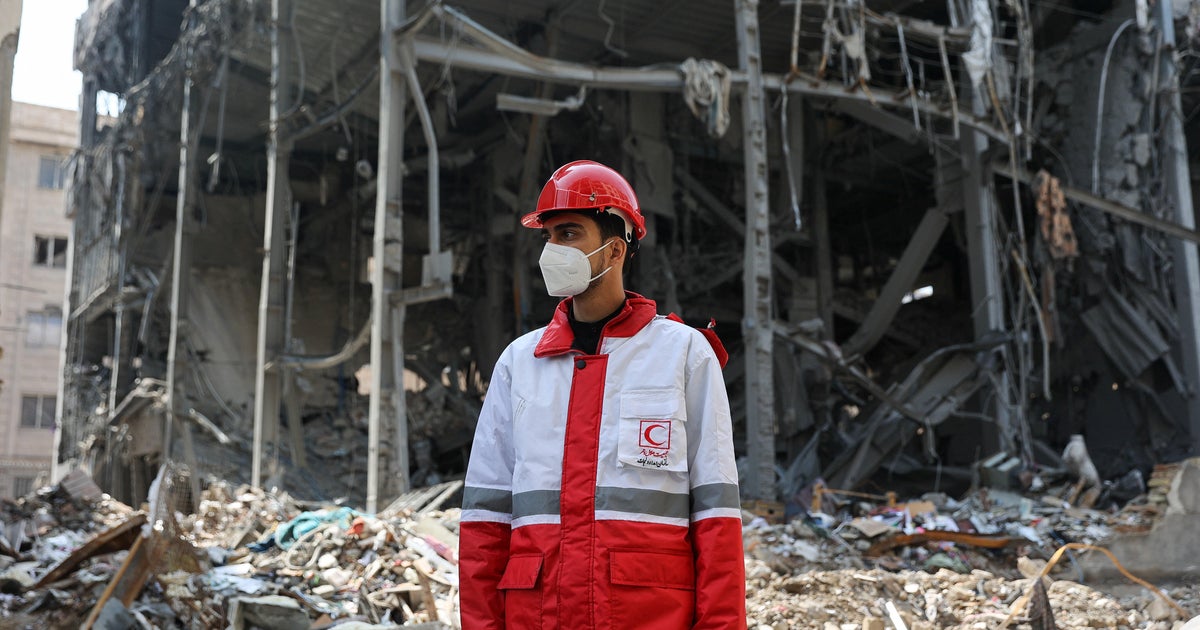
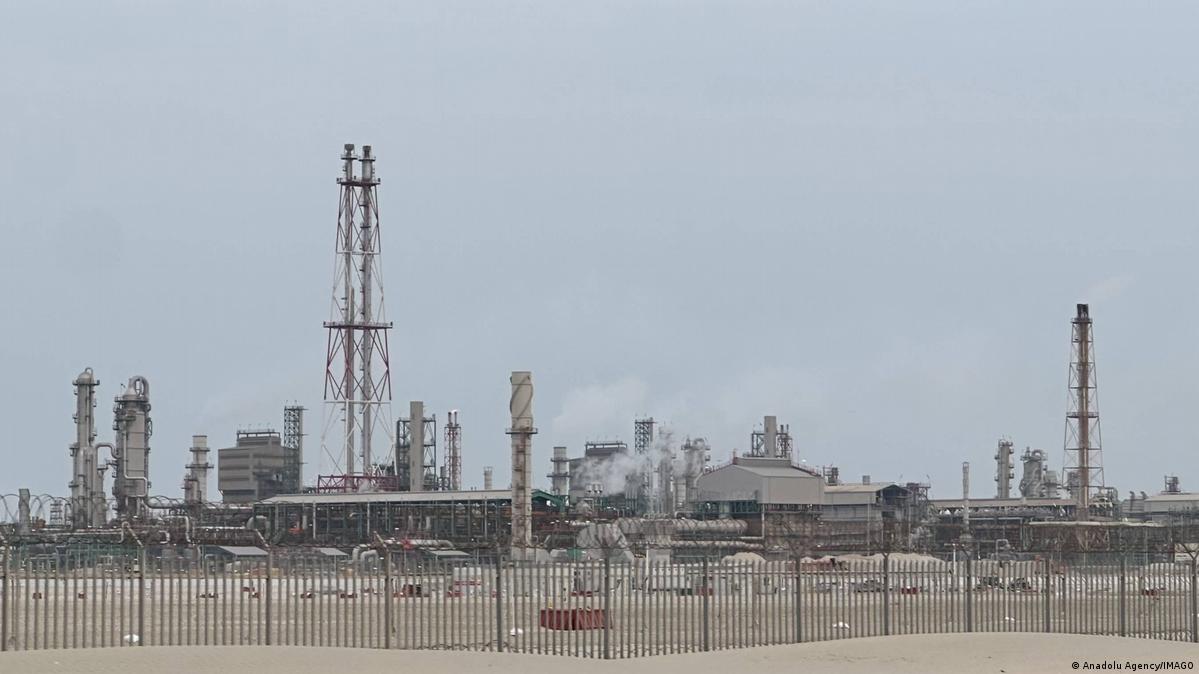
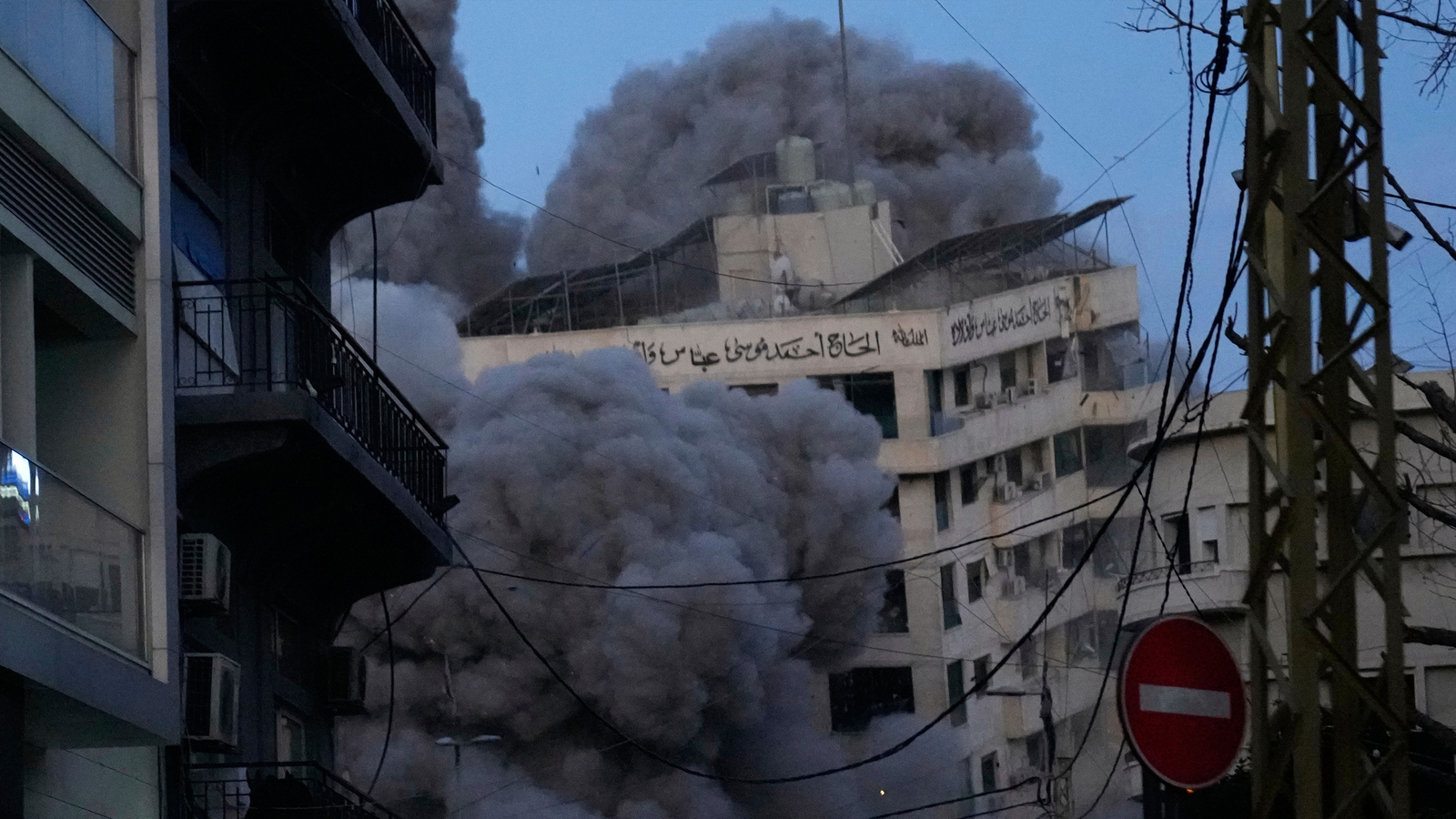
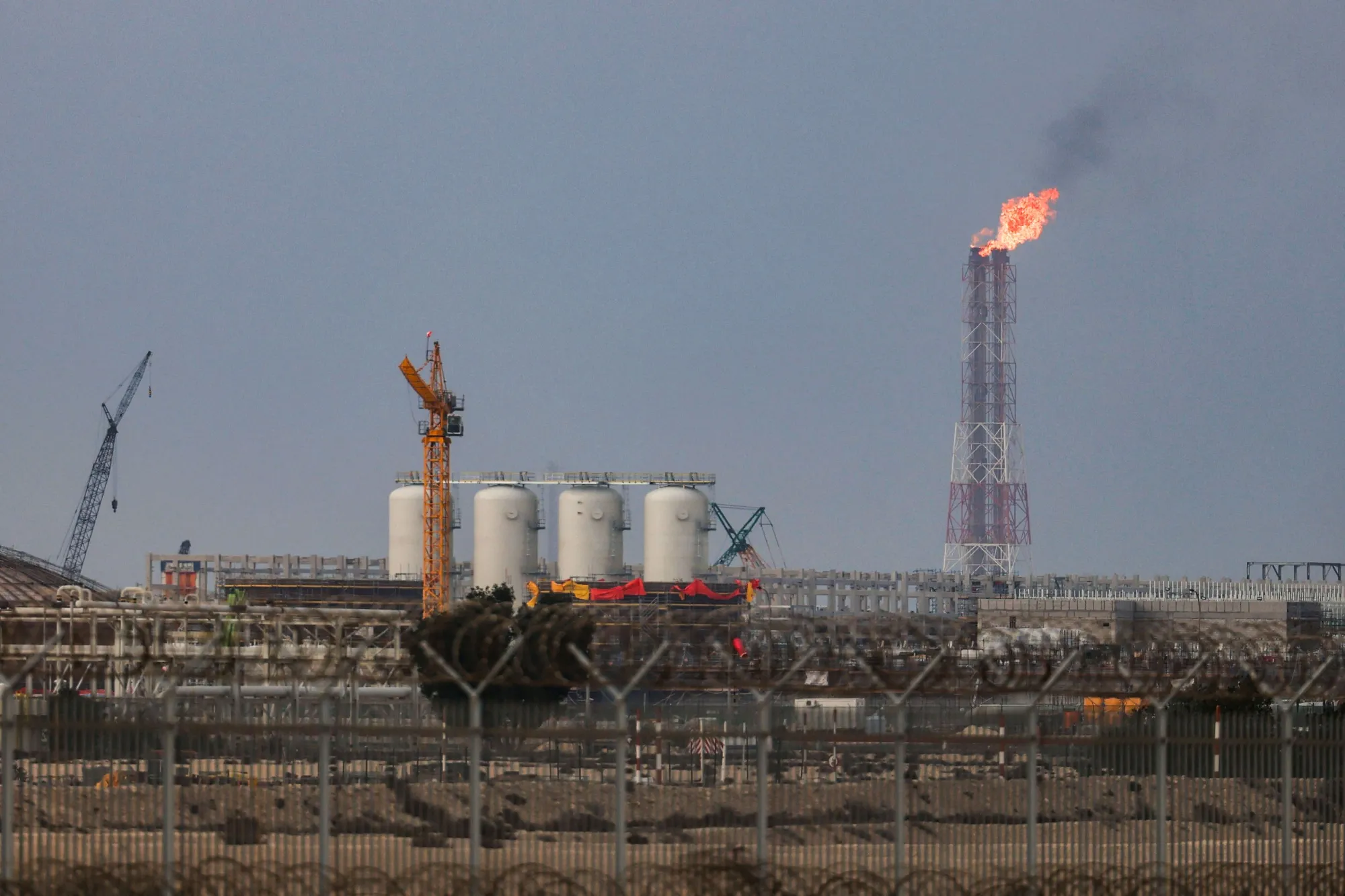
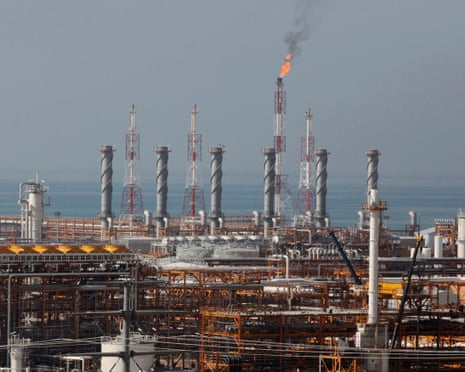
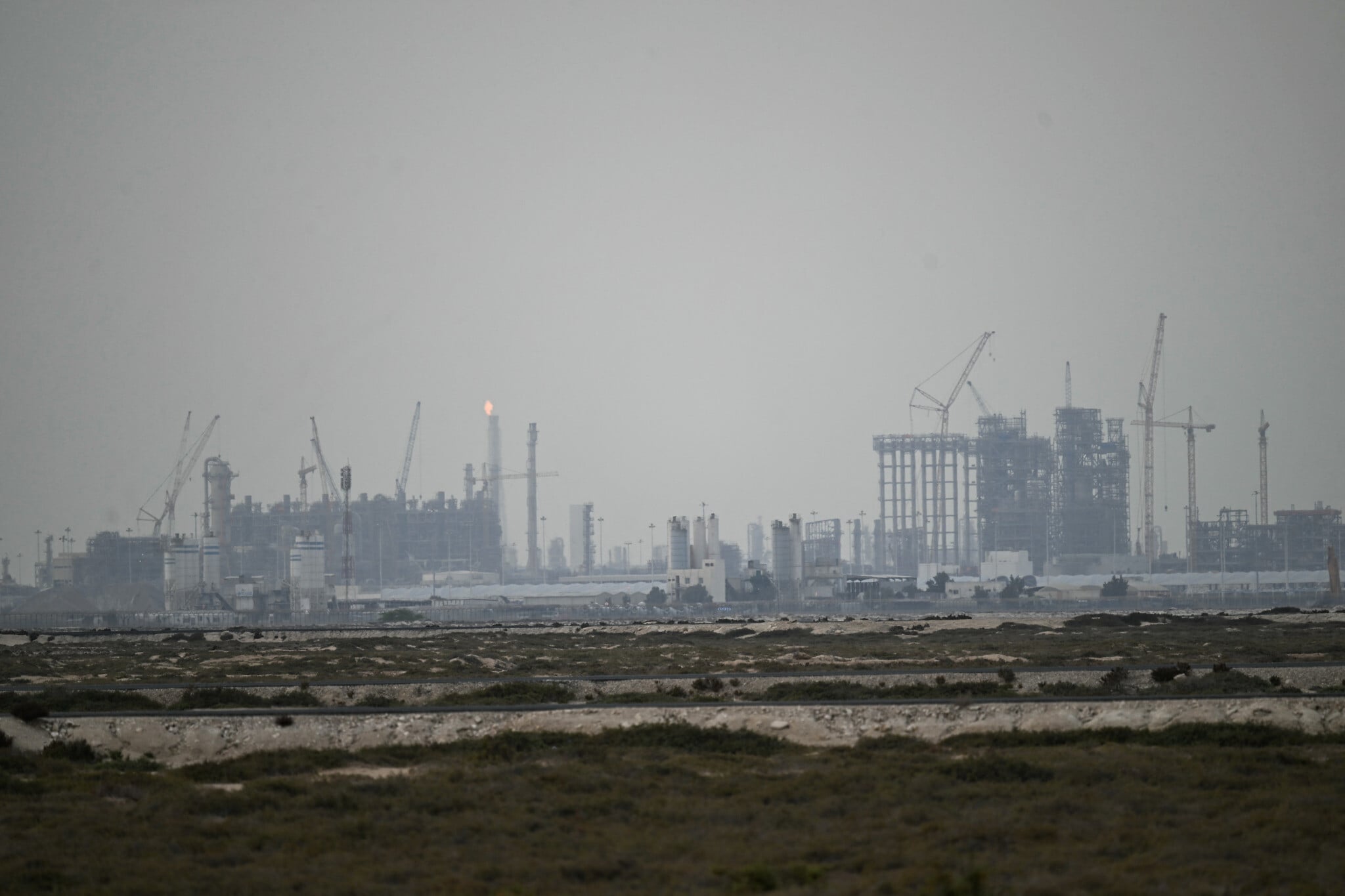
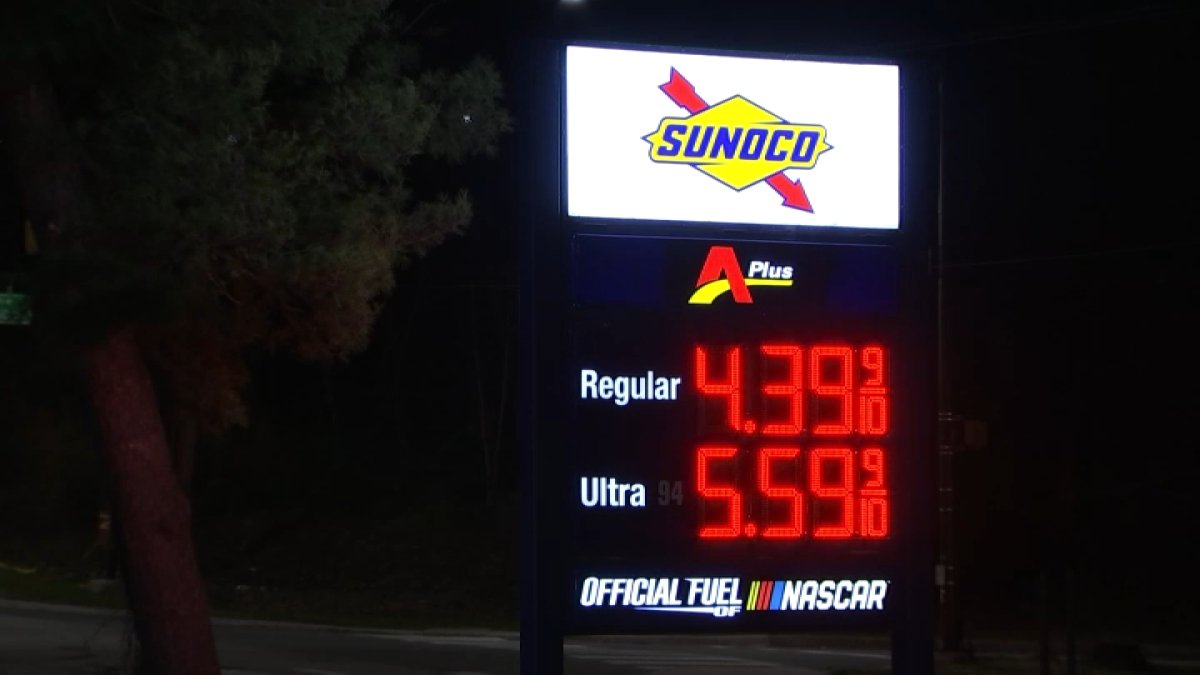
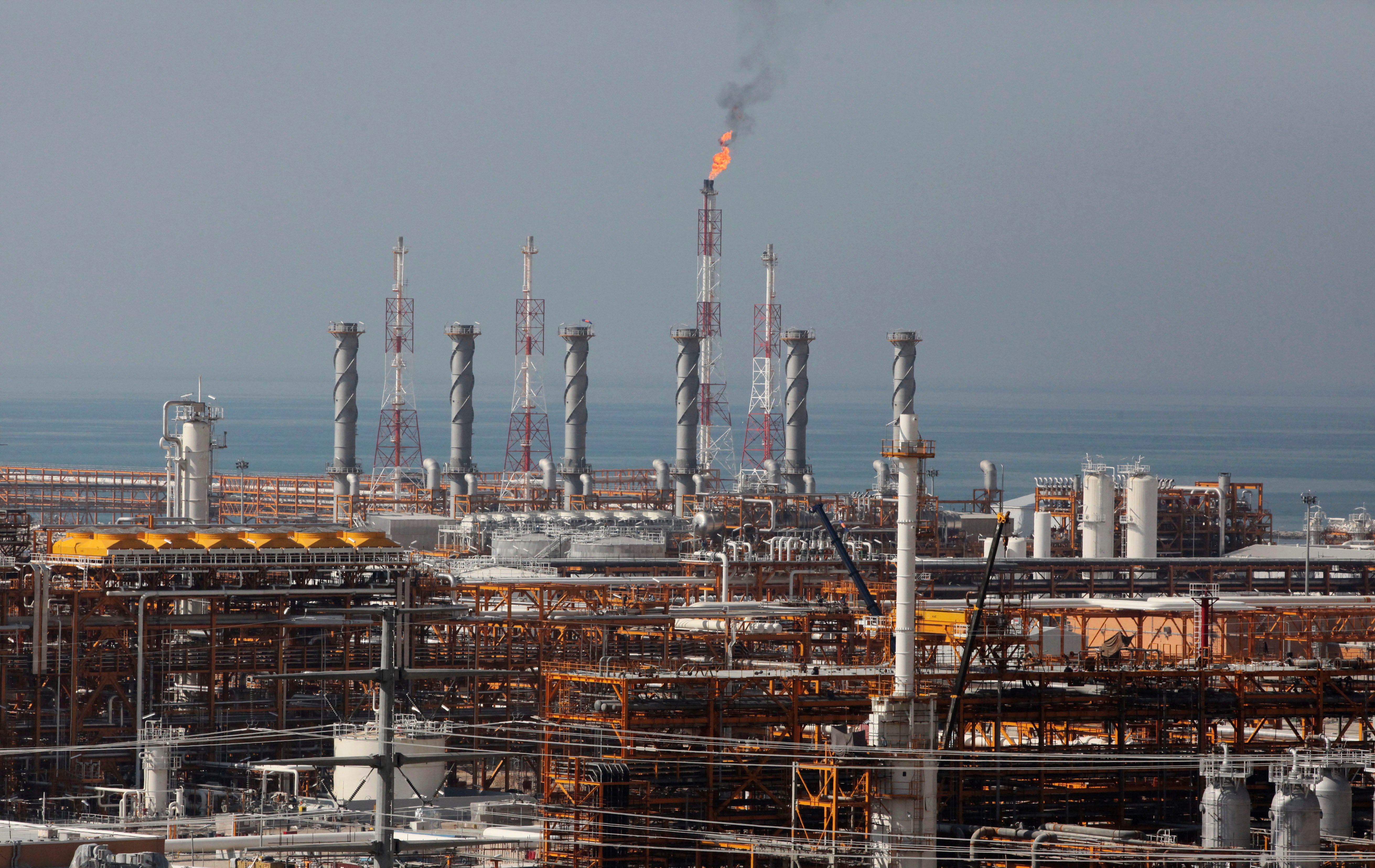
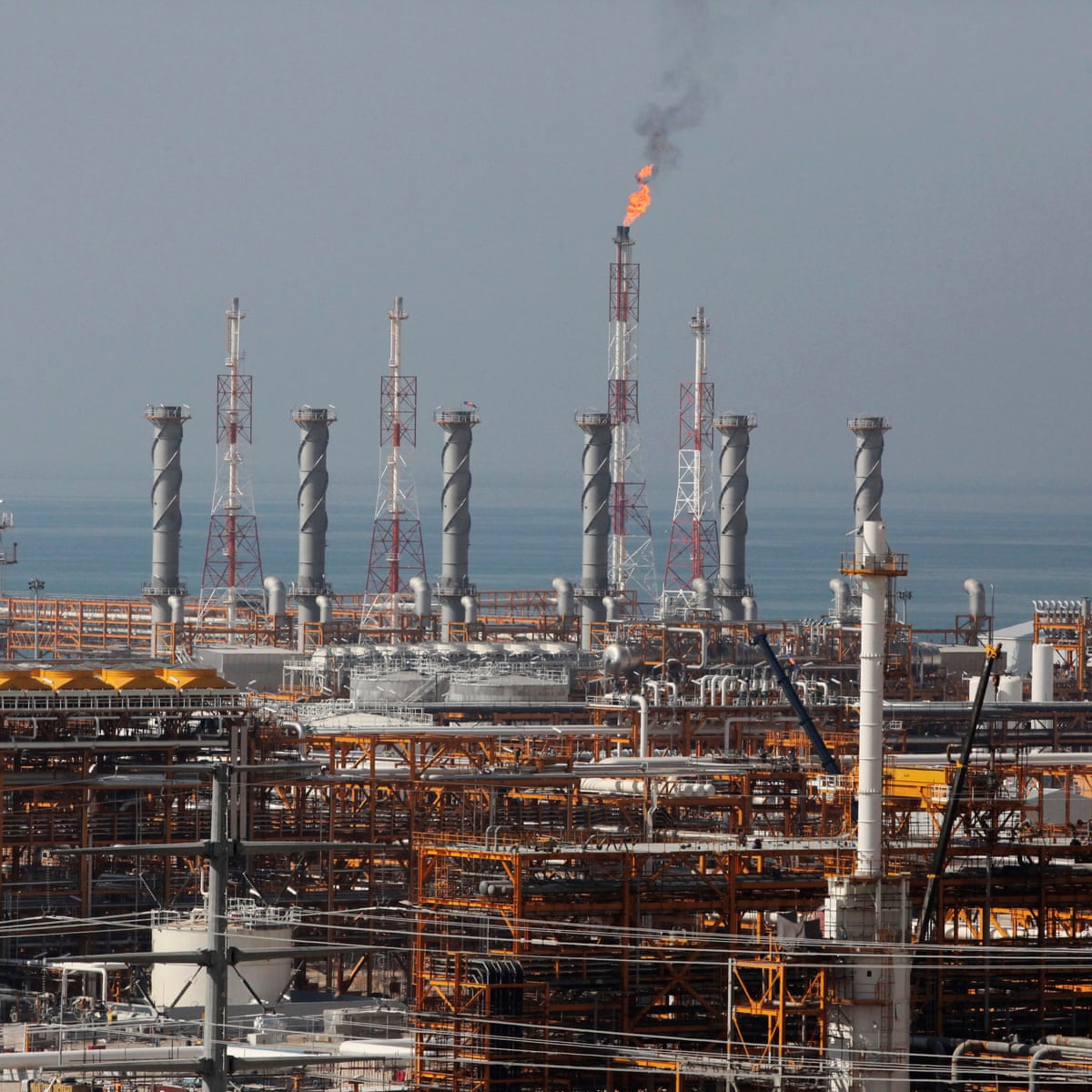
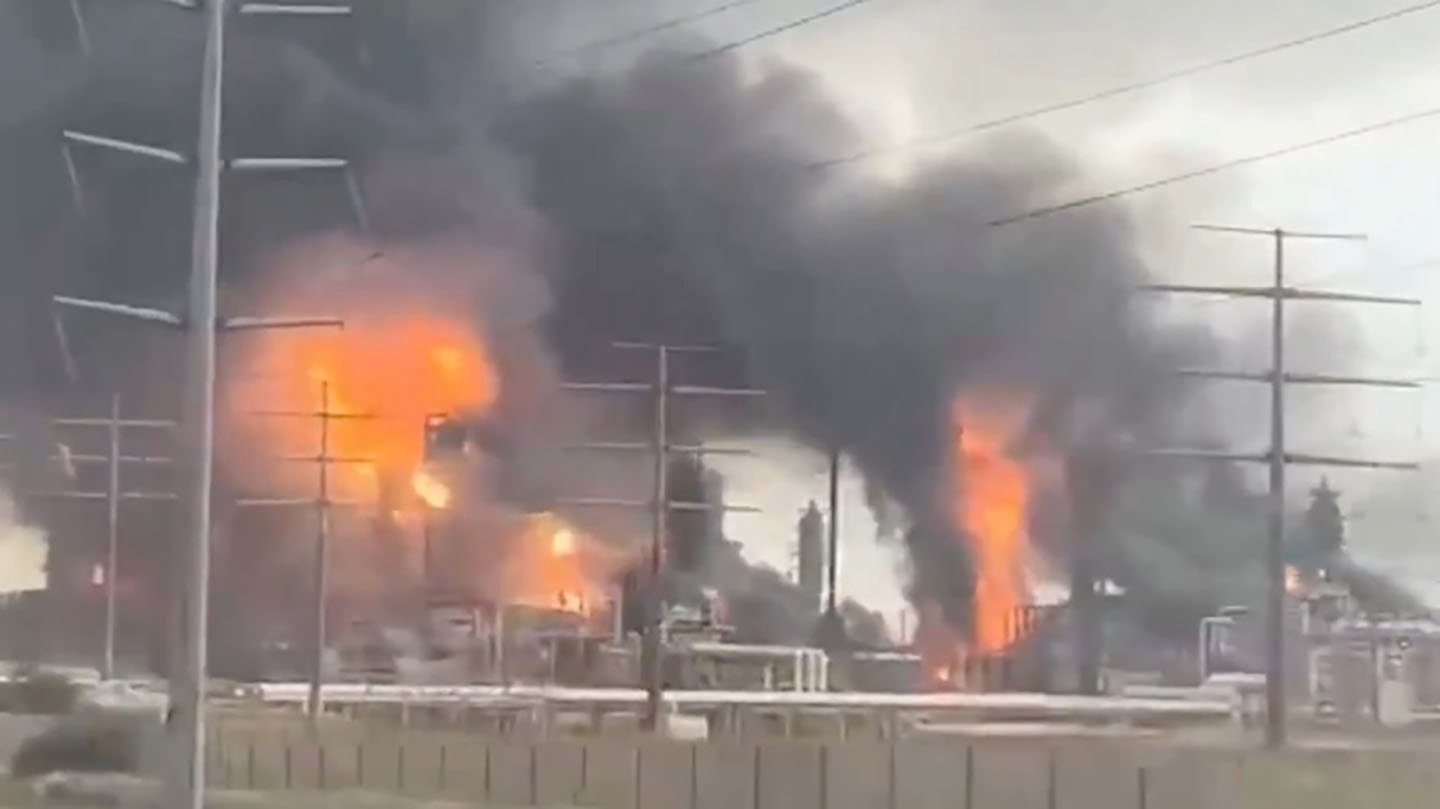
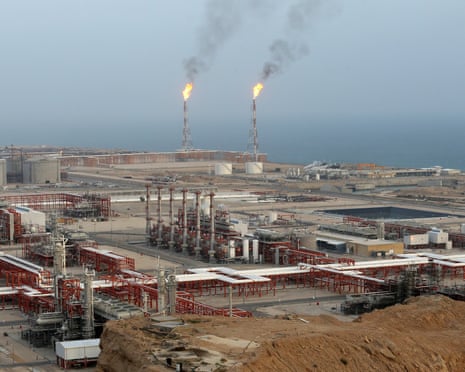
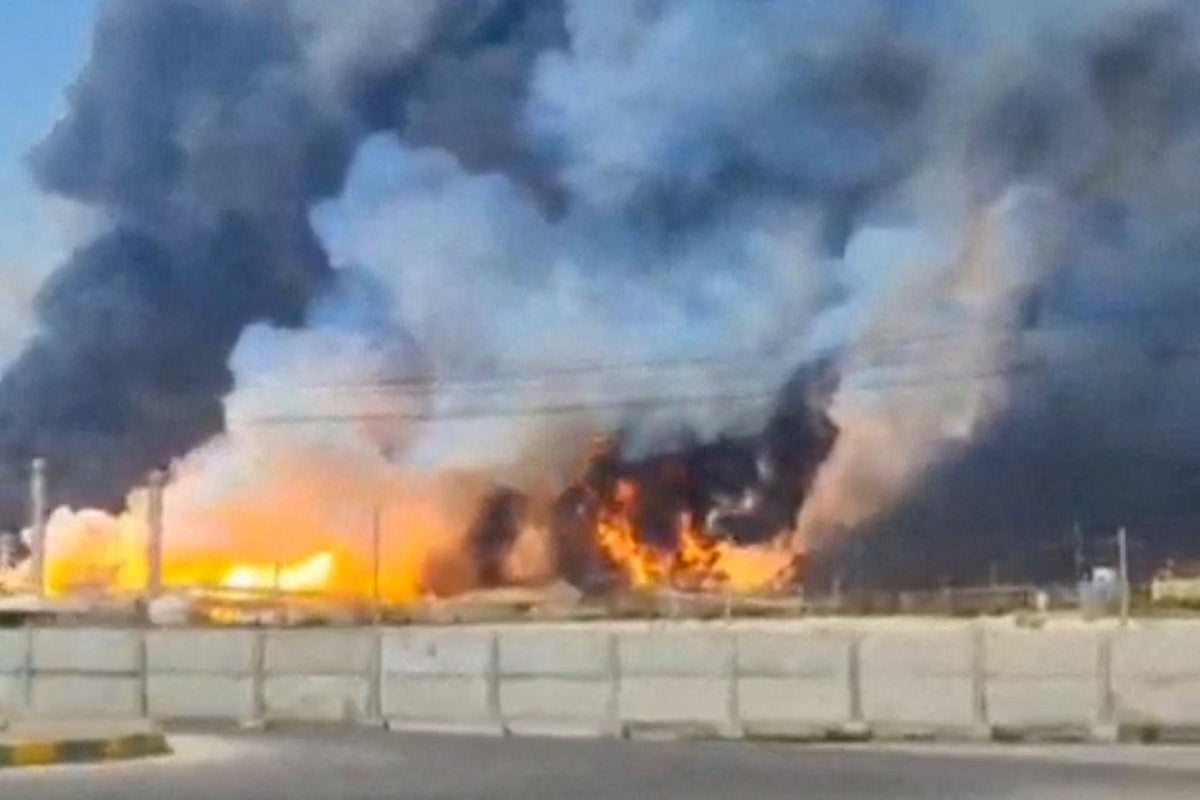
The escalating Iran-Israel military conflict centered on critical energy infrastructure represents a major supply chain disruption for cross-border e-commerce sellers. Beginning March 18-19, 2026, coordinated attacks on Qatar's Ras Laffan LNG facility (responsible for approximately 20% of global liquefied natural gas supply), Iran's South Pars gas field, and refineries across Saudi Arabia, UAE, and Kuwait have triggered unprecedented energy market volatility. Crude oil prices surged from $97.30 to $115 per barrel within days, with no timeline for conflict resolution as Defense Secretary Pete Hegseth confirmed ongoing military operations with undefined endpoints.
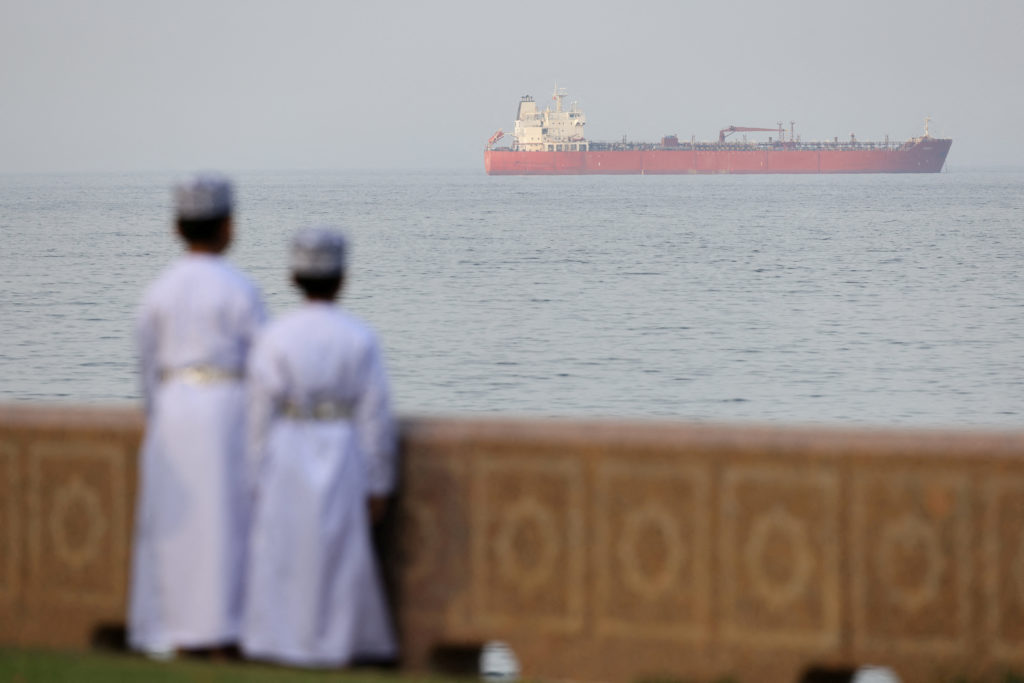
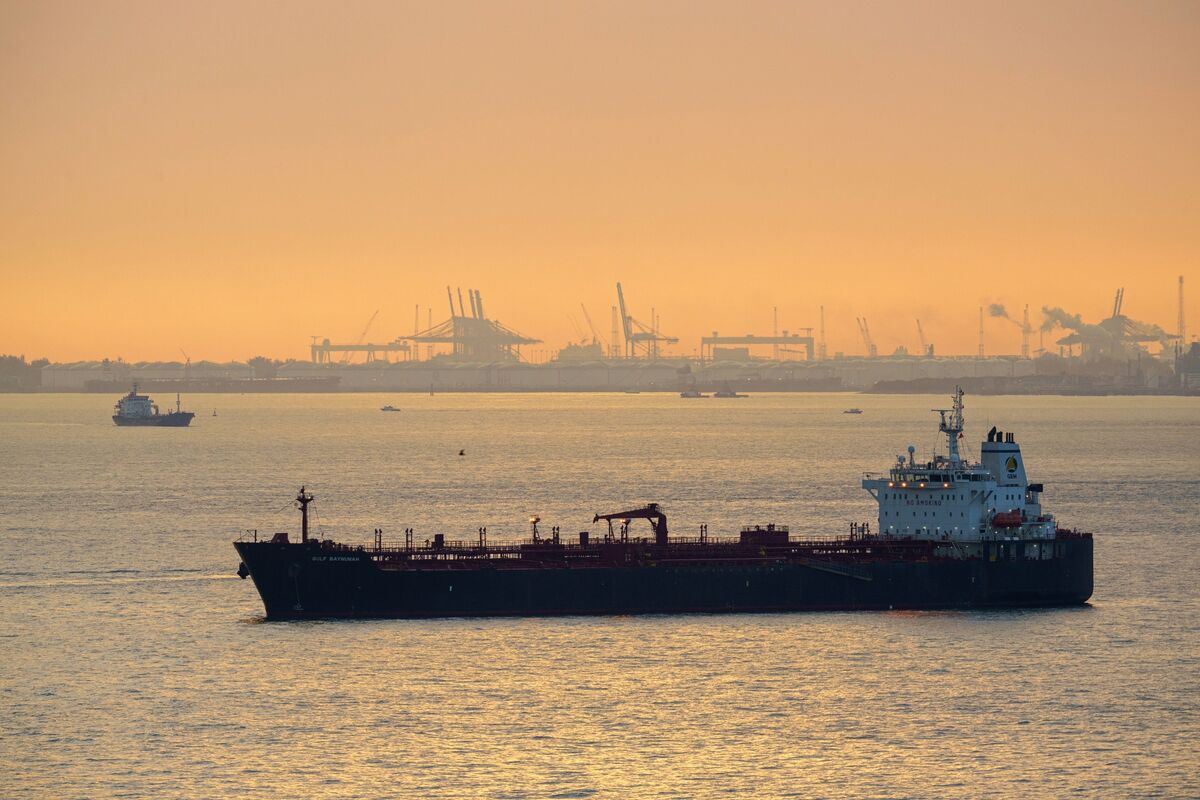
Direct Logistics Cost Impact: Energy price volatility translates immediately into elevated shipping expenses for cross-border sellers. Air freight costs, which represent 8-12% of total landed costs for time-sensitive categories (electronics, fashion, perishables), face the most acute pressure. Temperature-controlled logistics serving pharmaceutical, food, and cosmetics categories experience compounded cost increases from both fuel surcharges and refrigeration energy requirements. Sellers utilizing expedited shipping methods report freight rate forecasting uncertainty, complicating margin calculations and pricing strategies. The Strait of Hormuz, handling approximately 20% of global oil supply, remains a critical chokepoint with Japan and European nations now coordinating security measures, adding geopolitical risk premiums to shipping insurance.
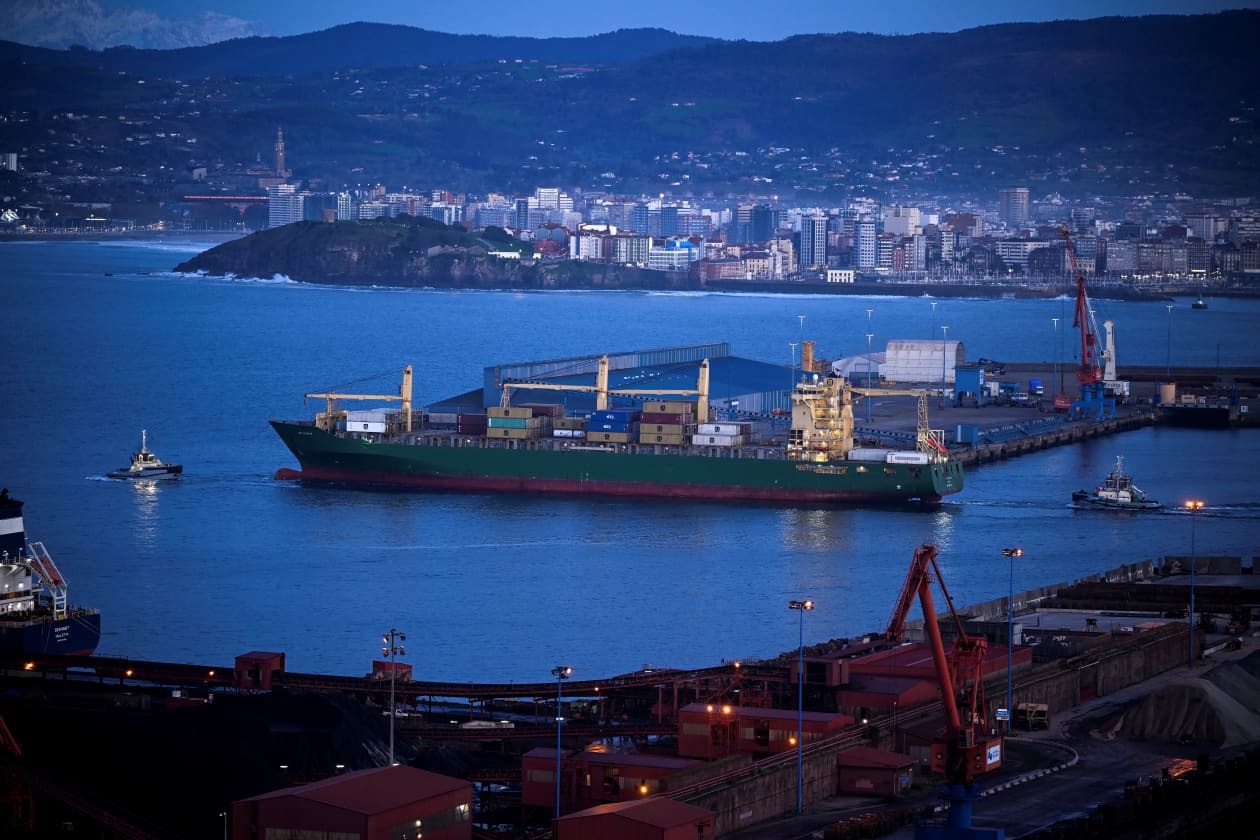
Regional Supply Chain Disruptions: The conflict creates cascading effects across multiple trade corridors. Sellers sourcing products from or transiting through Middle Eastern regions face inventory replenishment delays and increased freight rates. The uncertainty surrounding energy infrastructure attacks creates unpredictable logistics costs that persist beyond immediate price spikes. European markets, increasingly dependent on LNG following the Ukraine conflict and Nord Stream pipeline destruction, face elevated energy costs that compress consumer purchasing power and reduce demand for discretionary e-commerce categories. Asian markets dependent on stable energy supplies for manufacturing and commerce operations experience similar demand compression. This creates a dual pressure: rising seller costs combined with reduced buyer demand across key markets.
Competitive Segment Differentiation: Large sellers with diversified logistics networks and strategic reserves can absorb cost increases through margin compression. Small and medium sellers relying on just-in-time inventory and efficient supply chains face existential margin pressure. Sellers offering air freight-dependent categories (electronics, fashion, time-sensitive goods) experience 15-25% cost increases, while ocean freight sellers see more moderate 5-8% increases. Sellers with pre-negotiated fixed-rate shipping contracts through Q2 2026 gain competitive advantages, while spot-market dependent sellers face daily rate volatility. This conflict creates a 60-90 day window where early-moving sellers can lock in favorable rates before broader market awareness drives universal price increases.
Strategic Sourcing Implications: The conflict may accelerate sourcing diversification away from Middle Eastern logistics hubs. Sellers currently routing inventory through UAE or Qatar distribution centers face operational disruptions and should evaluate alternative routing through Southeast Asian hubs (Singapore, Vietnam) or direct-to-market shipping. However, these alternatives add 7-14 days to transit times and may increase costs by 3-5% compared to Middle Eastern routing. The conflict creates a timing window for sellers to renegotiate 3PL contracts and secure alternative logistics partnerships before industry-wide rate increases become standard.
Questions 8
How does the Strait of Hormuz conflict impact shipping insurance and delivery timelines?
The Strait of Hormuz, handling 20% of global oil supply, now carries geopolitical risk premiums reflected in shipping insurance costs and delivery timeline uncertainty. Japan and European nations coordinating security measures indicate sustained instability through at least Q2 2026. Sellers should expect 3-7 day delays on shipments transiting the Strait due to security protocols and potential rerouting. Shipping insurance premiums for high-value cargo transiting the region have increased 2-4% based on elevated risk assessments. Sellers should communicate revised delivery timelines to customers immediately and consider alternative routing through the Suez Canal (longer but potentially more stable) for non-time-sensitive shipments.
Should sellers shift sourcing away from Middle Eastern logistics hubs due to this conflict?
Sellers currently routing through UAE or Qatar distribution centers should evaluate alternatives, but the decision depends on transit time tolerance and cost sensitivity. Rerouting through Southeast Asian hubs (Singapore, Vietnam) adds 7-14 days to transit times and increases costs by 3-5% compared to Middle Eastern routing. For time-sensitive categories (fashion, electronics), the additional transit time may be unacceptable. For slower-moving categories (home goods, bulk items), Southeast Asian routing becomes viable. The optimal strategy involves negotiating fixed-rate contracts with current 3PL providers through Q2 2026 before industry-wide rate increases become standard, rather than immediately abandoning Middle Eastern logistics hubs.