

NFL Quarterback Market Disruption: Daniel Jones' Injury Reshapes Team Strategies
- Achilles Injury Triggers Massive Quarterback Transition Opportunities for Multiple NFL Franchises










Overview
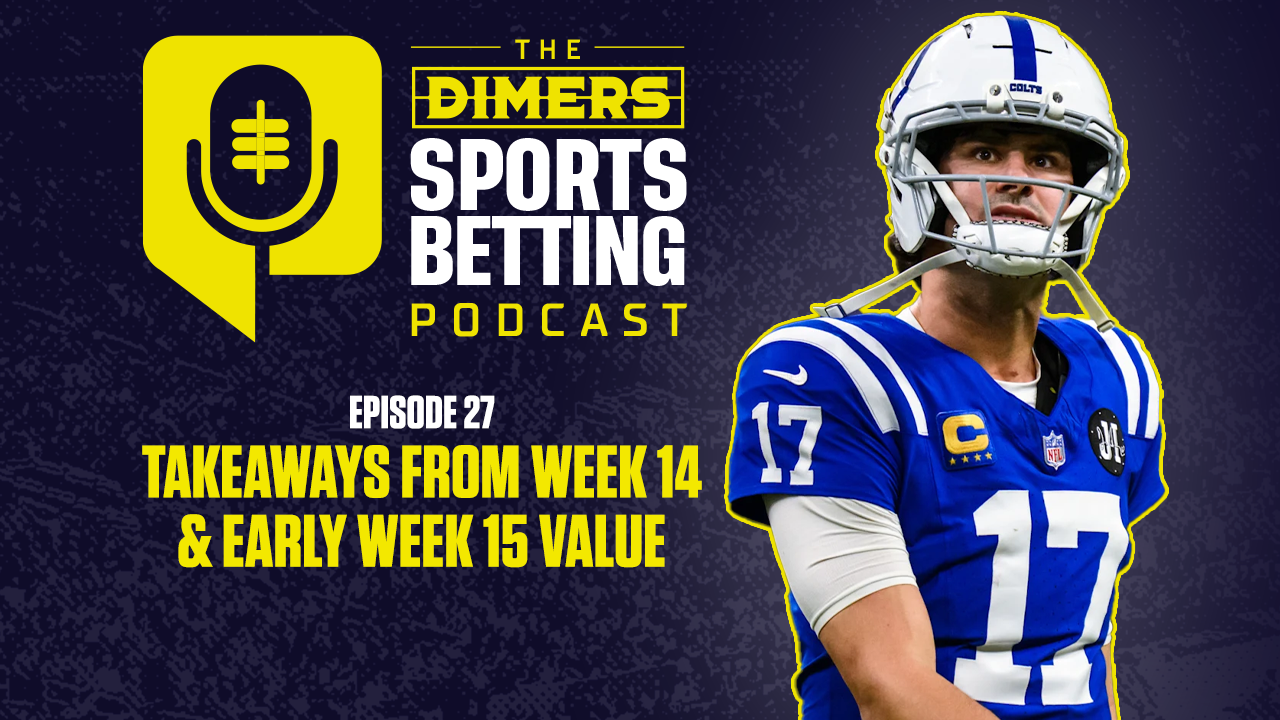
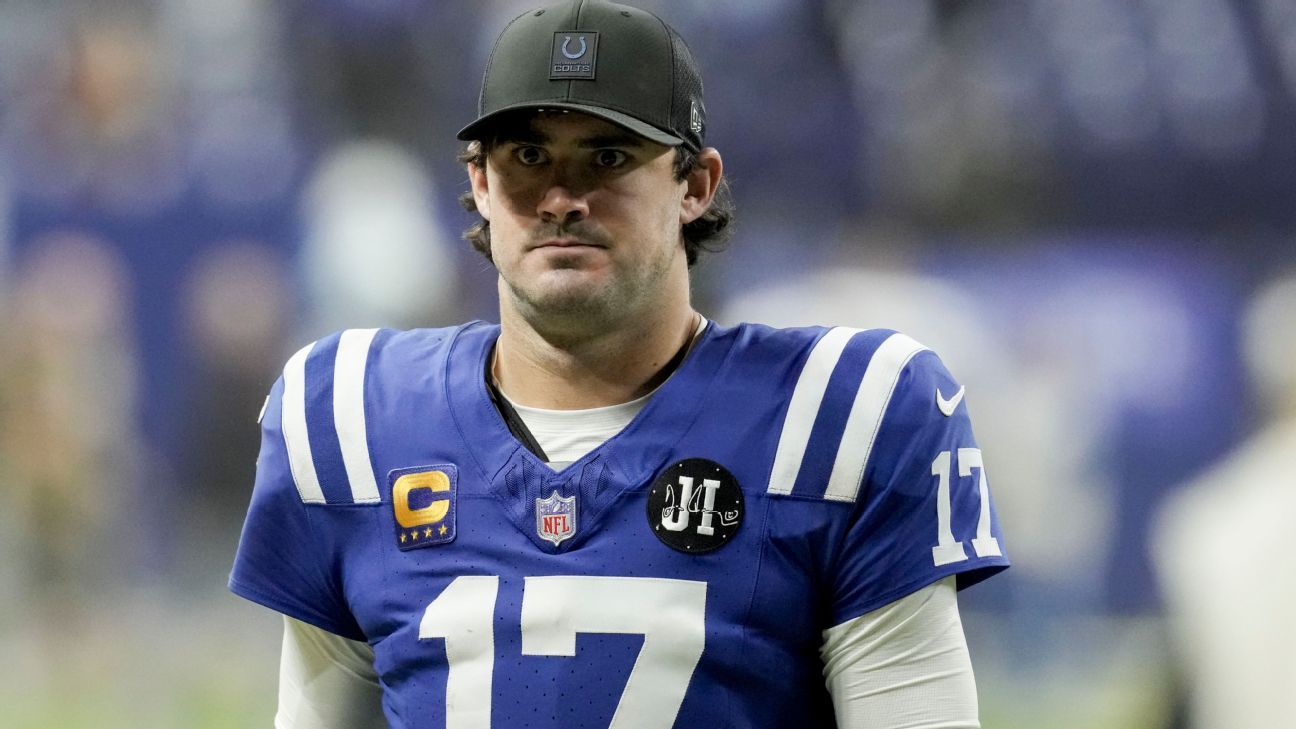
The NFL quarterback market is experiencing a seismic shift following Daniel Jones' season-ending Achilles injury, revealing complex strategic dynamics that extend far beyond a single player's medical setback. At the core of this transformation is Jones' unexpected vulnerability, which has dramatically altered the free agent quarterback landscape for the 2025 season.
NFL insiders Jeremy Fowler and Dan Graziano suggest that Jones' injury fundamentally recalibrates his contract negotiations, potentially reducing his chances of securing a large, long-term deal. The Indianapolis Colts now face a critical decision: re-sign Jones on a short-term, incentive-laden contract or explore alternative quarterback options. With projected franchise tag numbers ranging between $39-46 million, the financial stakes are extraordinarily high.
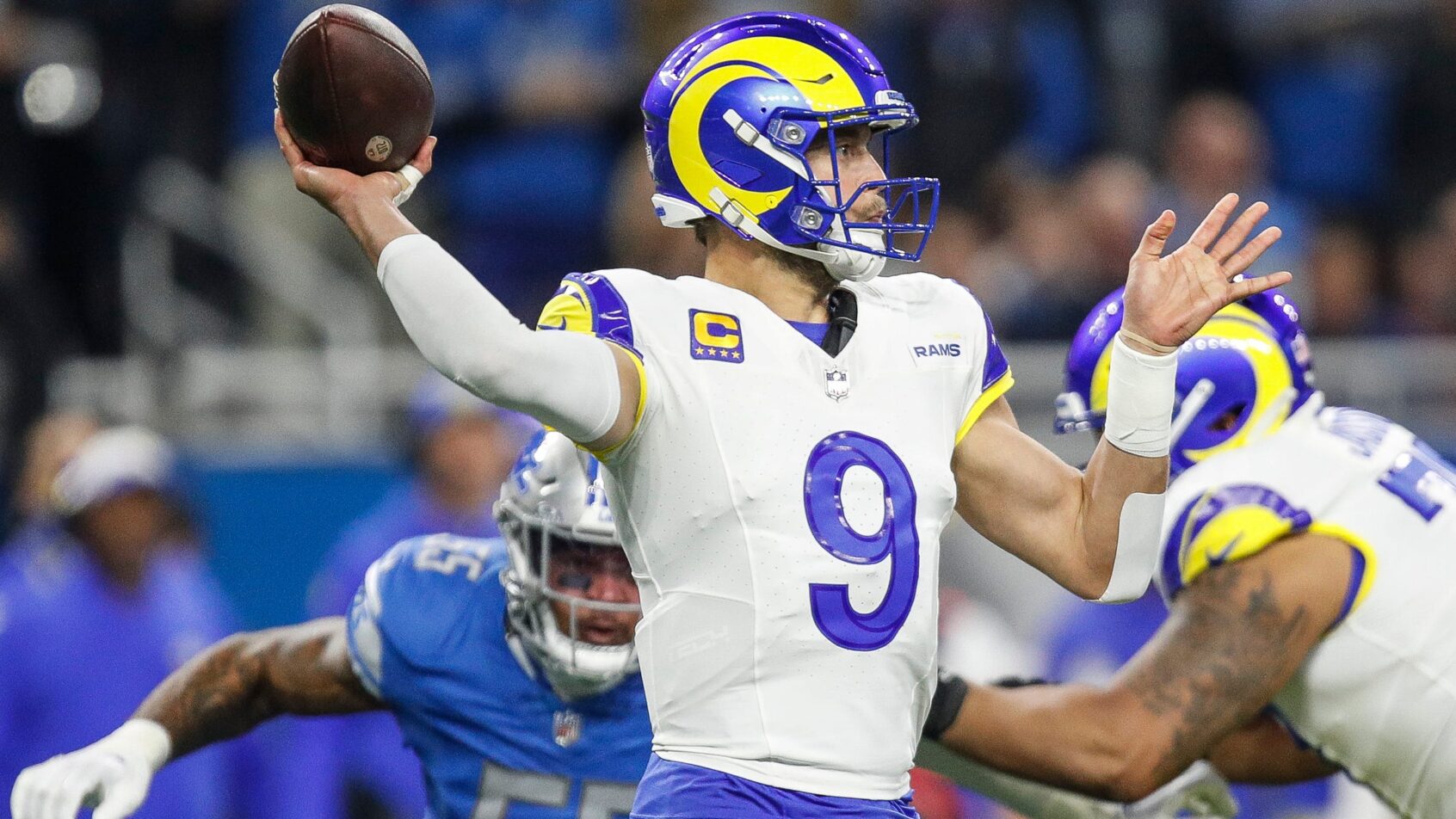
The injury's ripple effects extend across multiple franchises. Teams like the Colts, Browns, Jets, and Raiders are simultaneously facing potential quarterback transitions, creating a unique market opportunity. Despite the setback, Jones remains an attractive prospect at 28 years old, with potential recovery and strategic value. The limited free agent quarterback class further enhances his market positioning, suggesting that adaptable teams might view this as a strategic buying opportunity.
The emerging narrative isn't just about Jones, but about the NFL's evolving quarterback ecosystem. Teams are increasingly valuing flexibility, injury resilience, and strategic contract structures over traditional long-term commitments. This injury exposes the fragility of quarterback investments and underscores the need for robust backup strategies and innovative contract negotiations.
Critically, the Colts' new owner Carlie Irsay-Gordon will play a pivotal role in determining Jones' future, balancing medical considerations, financial constraints, and the team's broader competitive strategy. Her decision will likely set a precedent for how NFL franchises manage high-stakes quarterback transitions in an increasingly unpredictable professional landscape.
Questions 3
What strategic options do the Indianapolis Colts have with Daniel Jones?
The Colts can either re-sign Jones on a short-term, incentive-laden contract, use a franchise or transition tag, or explore alternative quarterback options. The new owner's decision will be crucial in determining the team's quarterback strategy for the 2025 season.
Why might teams still be interested in Daniel Jones despite his injury?
At 28 years old, Jones remains an attractive prospect due to the limited free agent quarterback class. His potential for recovery, combined with the scarcity of quality quarterbacks, makes him a strategic investment for teams facing quarterback transitions.