



Middle East Energy Crisis Drives 15-20% Shipping Cost Surge for Cross-Border Sellers | March 2026
- Oil prices spike to $115/barrel as Qatar LNG hub attacked; sellers face elevated fuel surcharges, supply chain disruptions, and currency volatility through 2026






























Overview
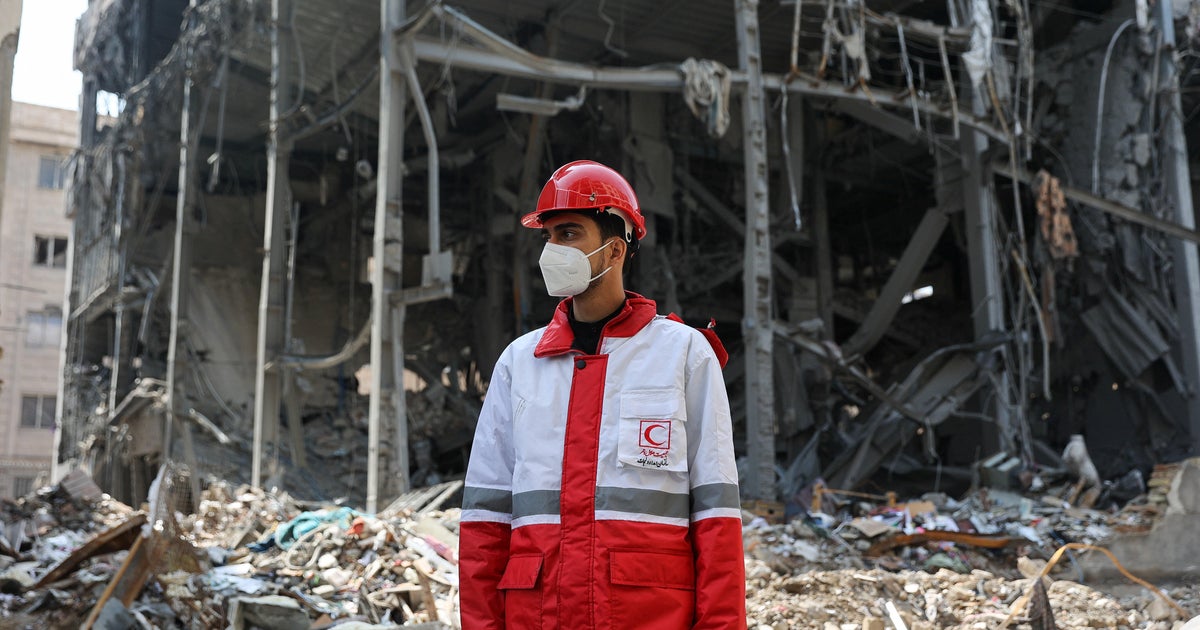
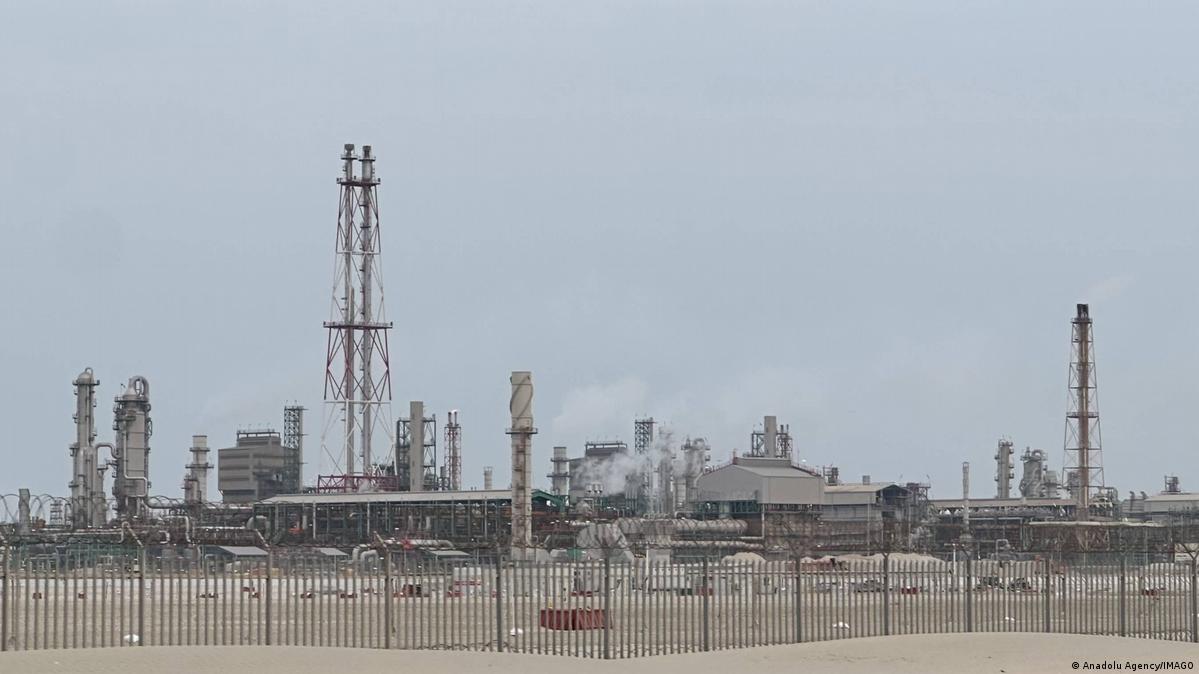
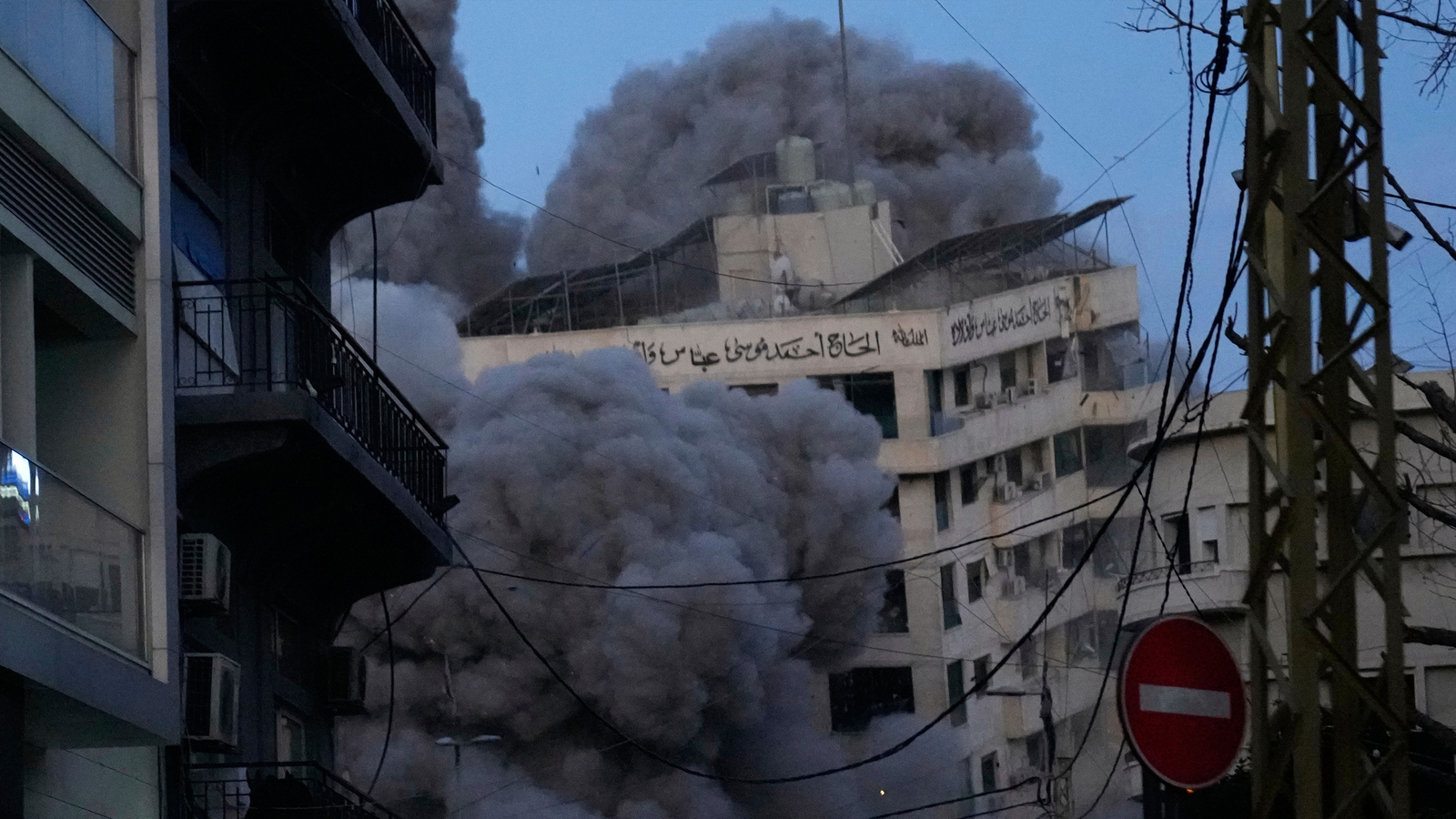
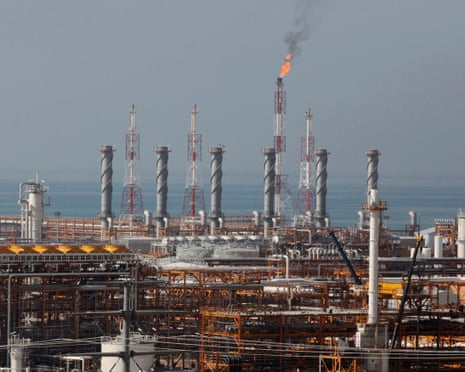
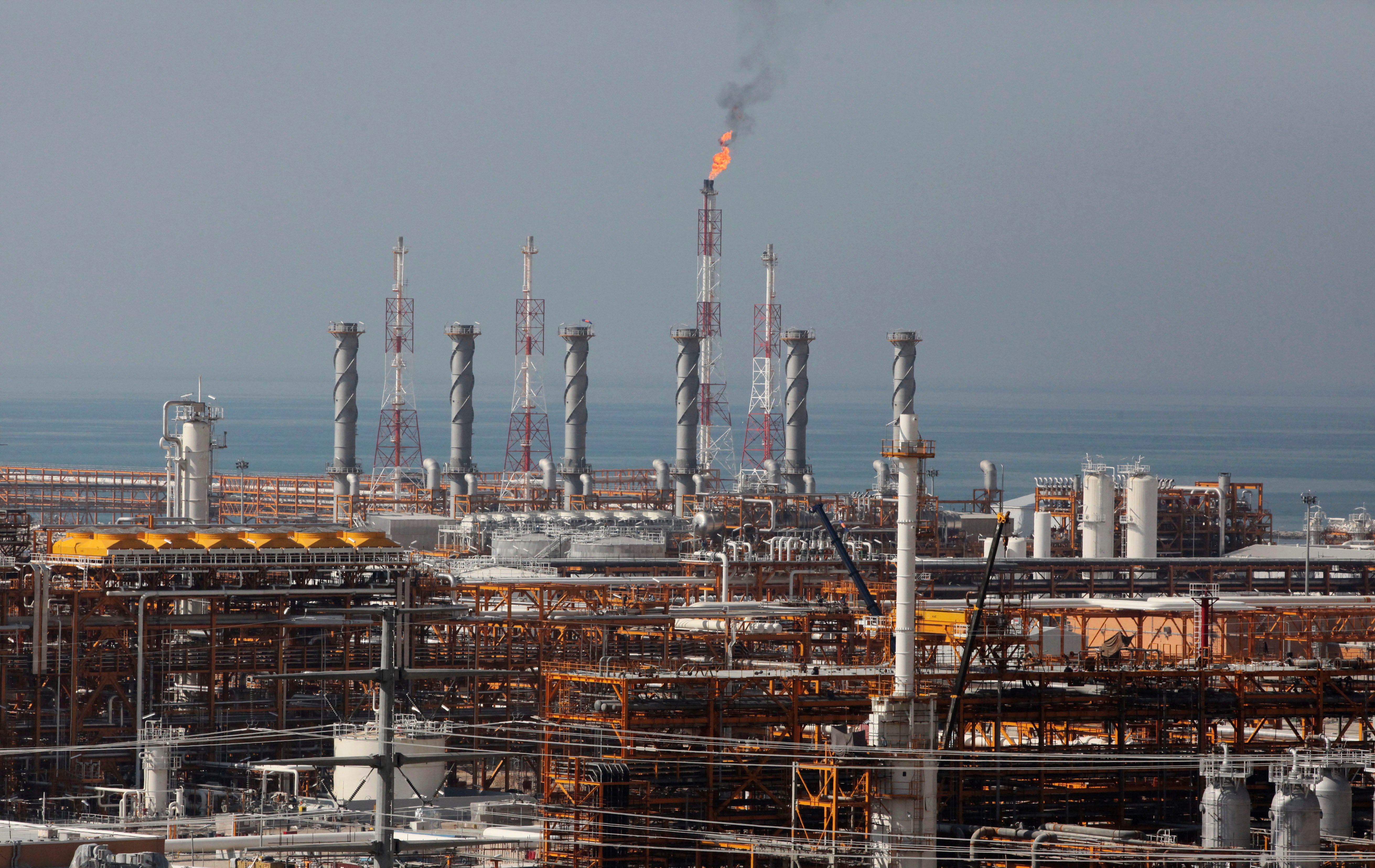
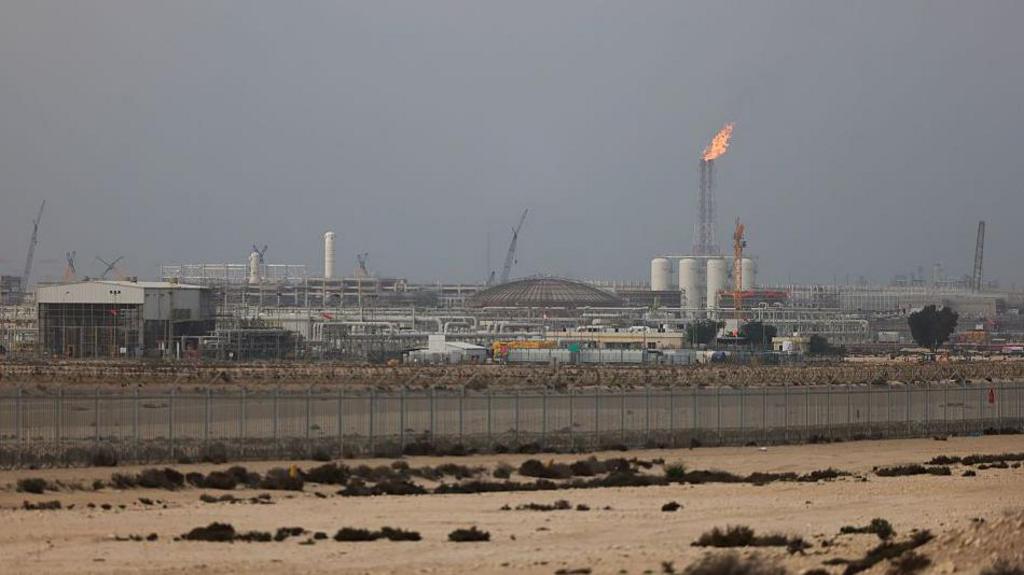
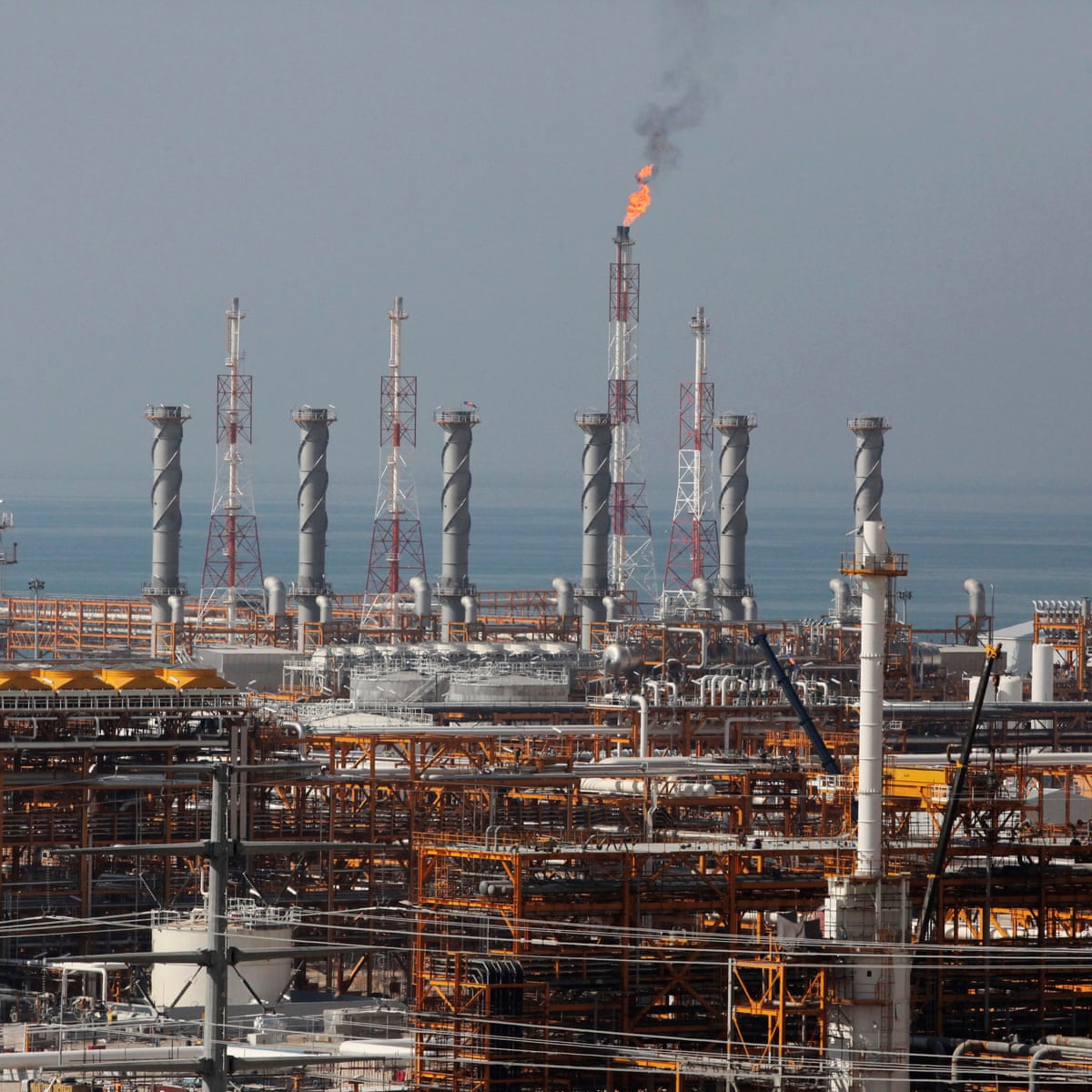
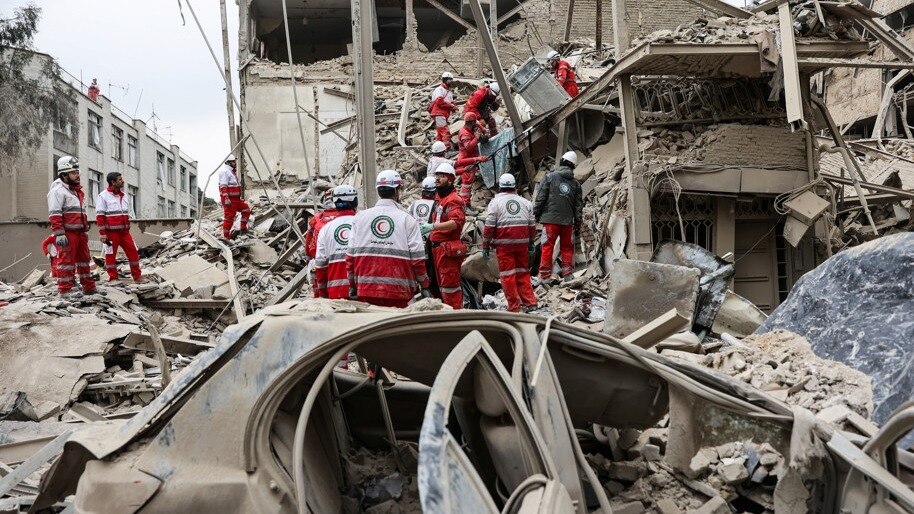
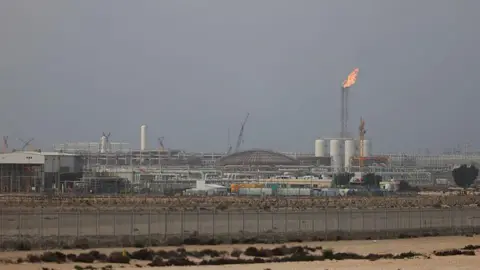
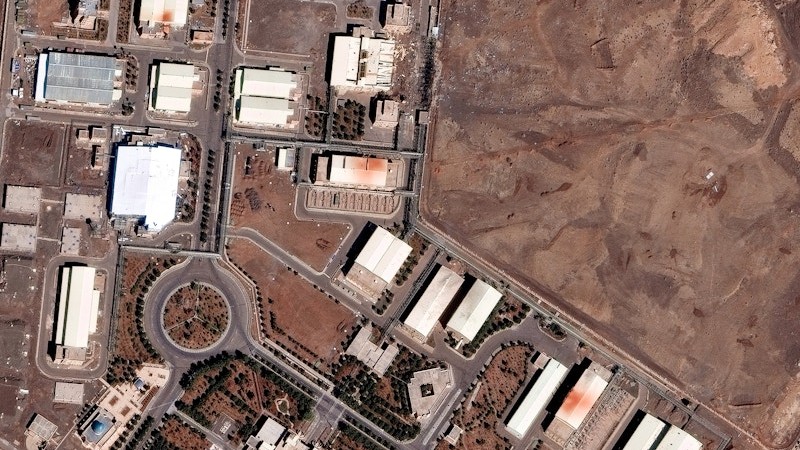
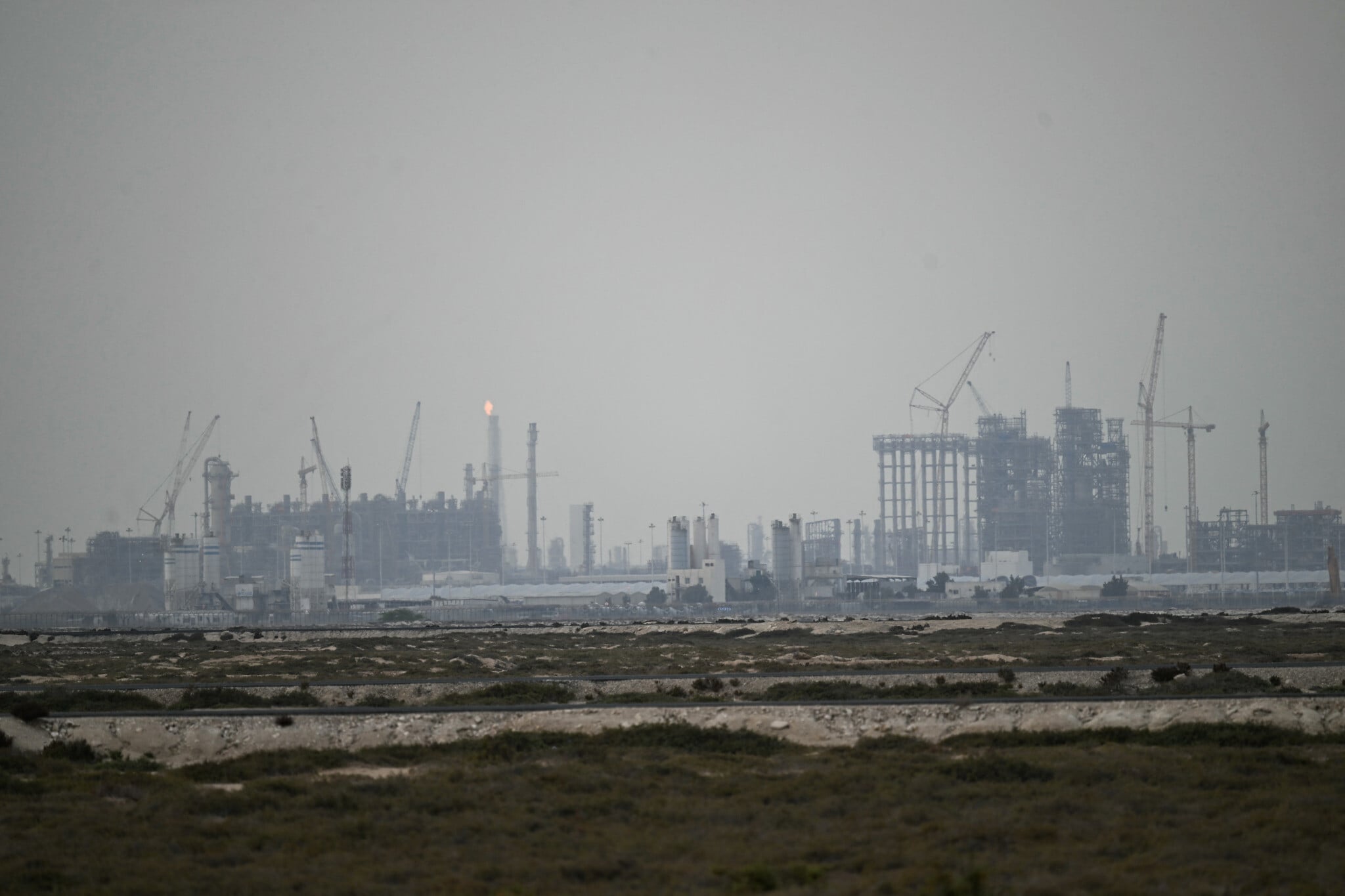
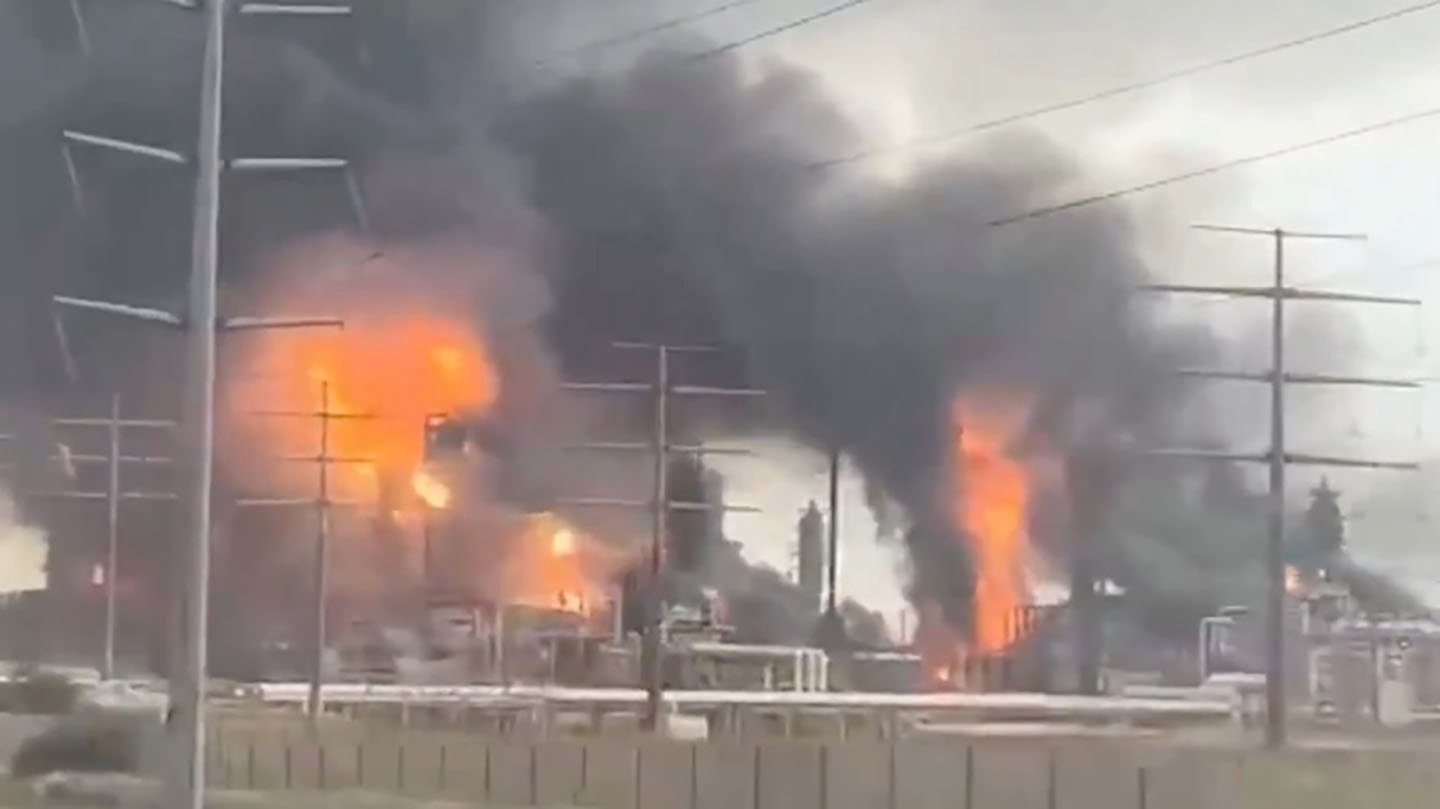
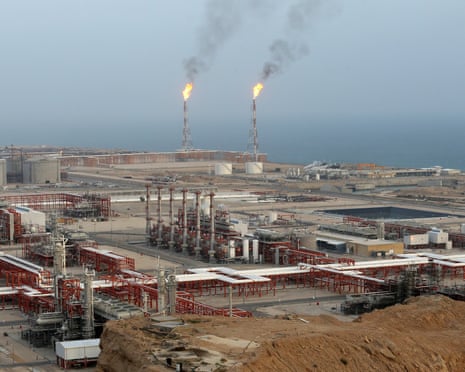
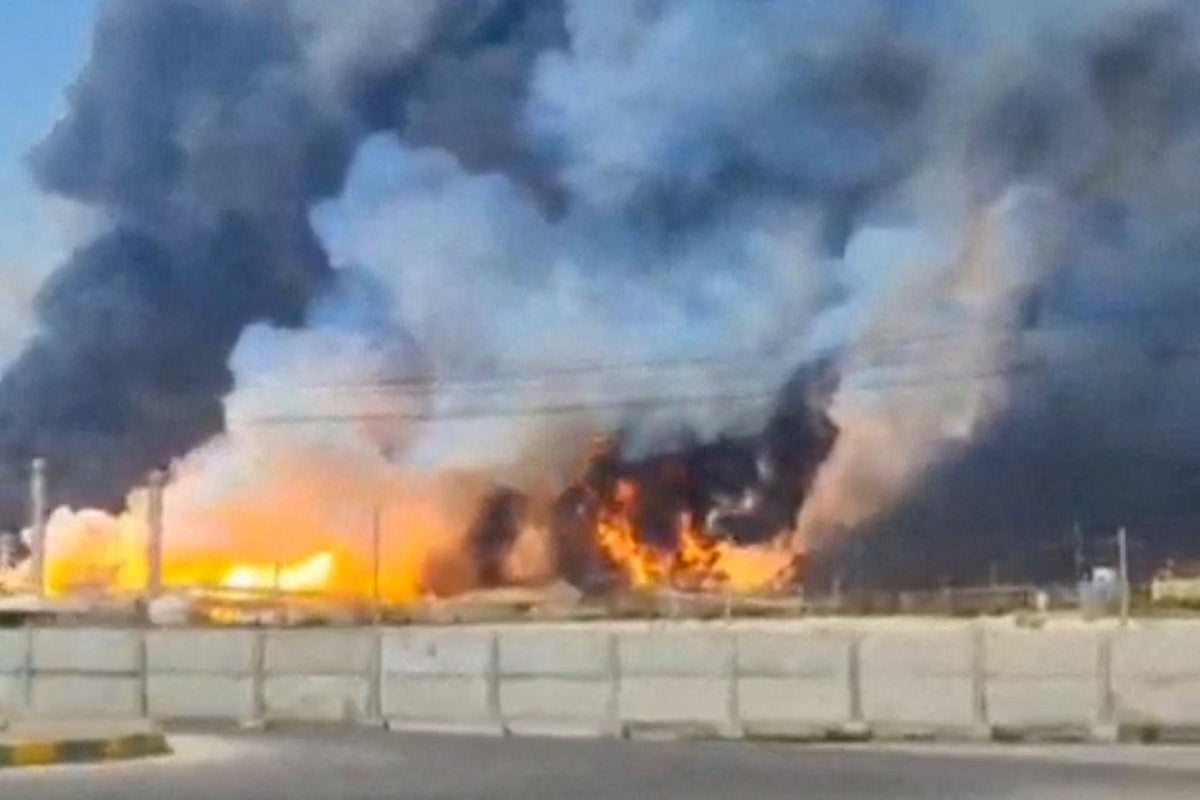
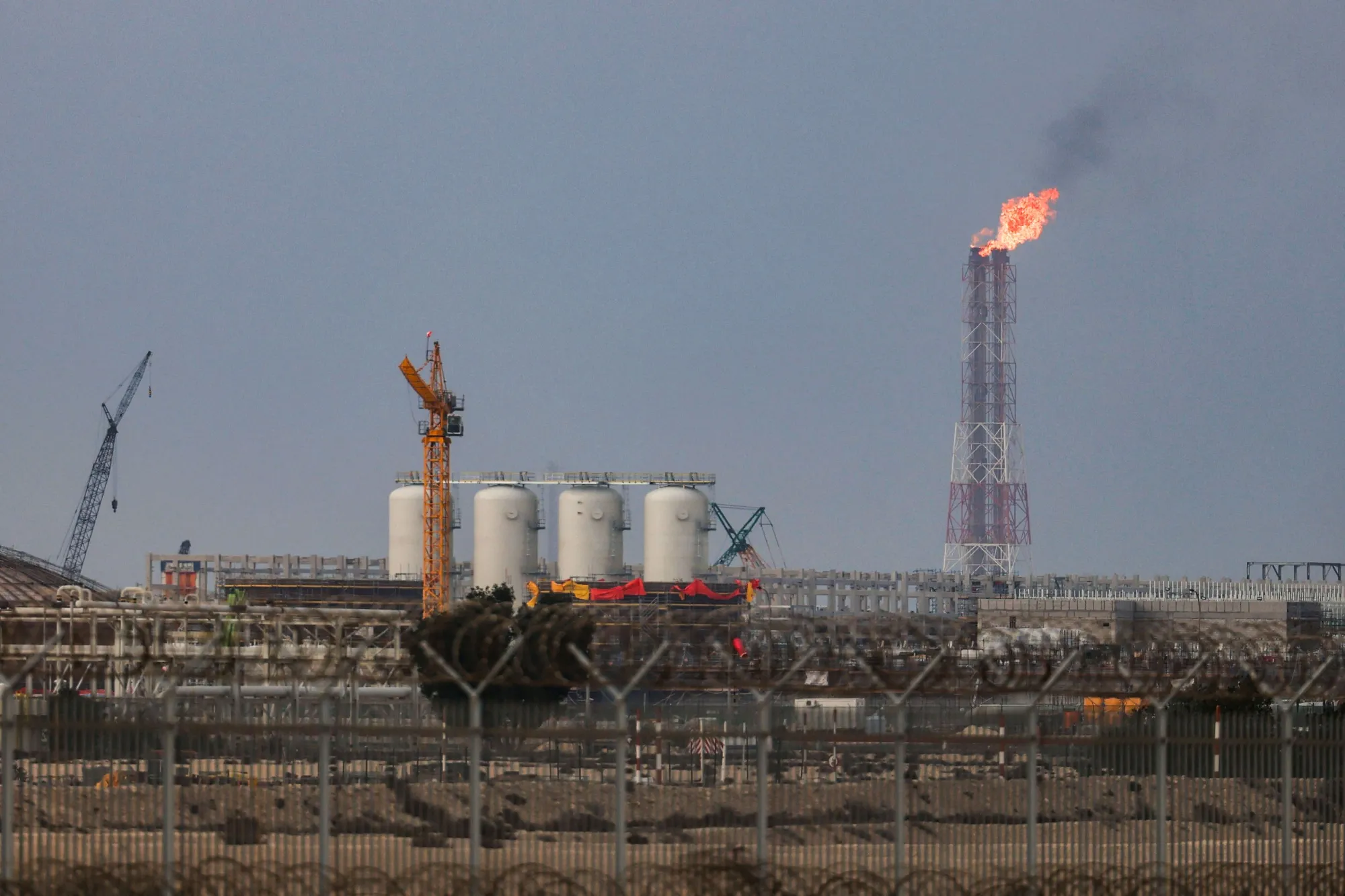
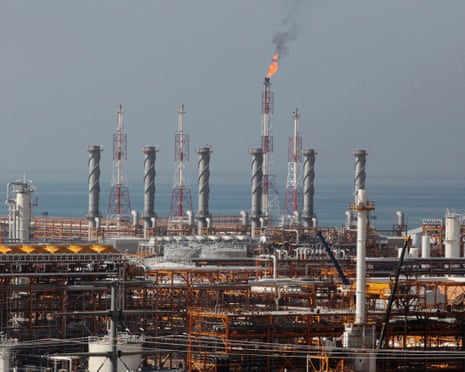
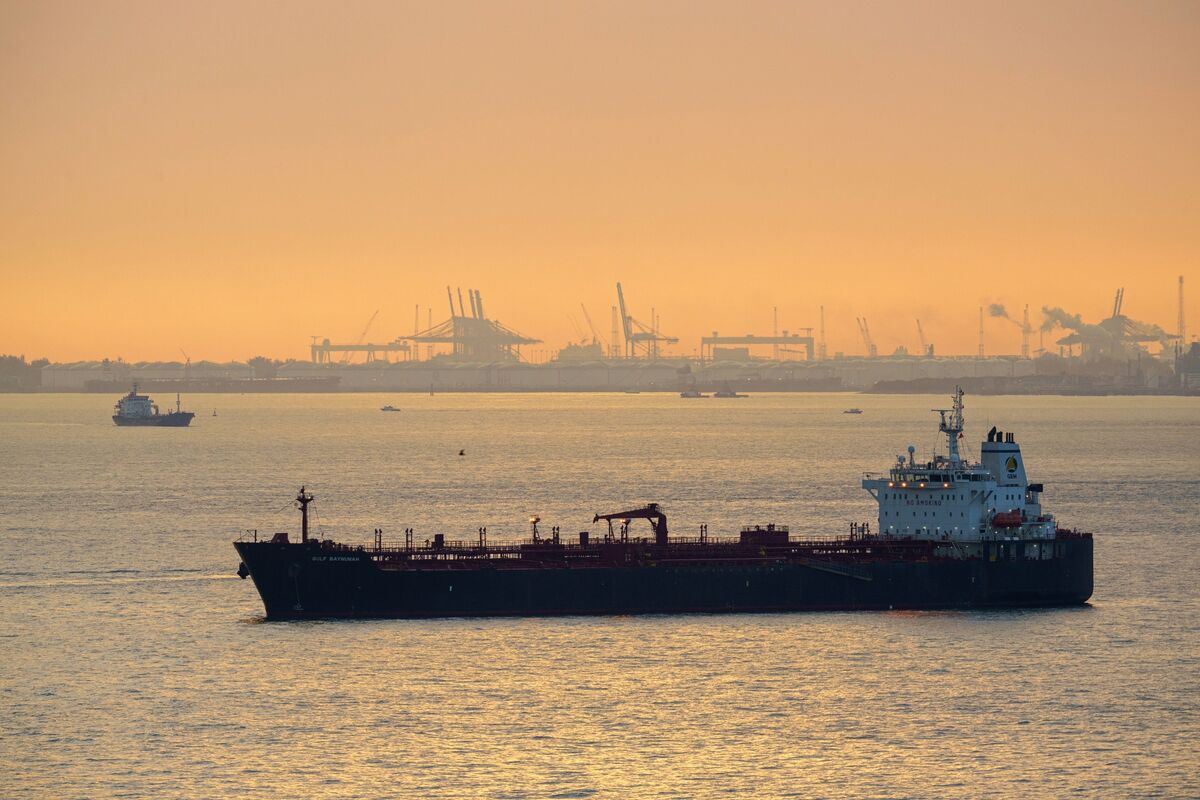
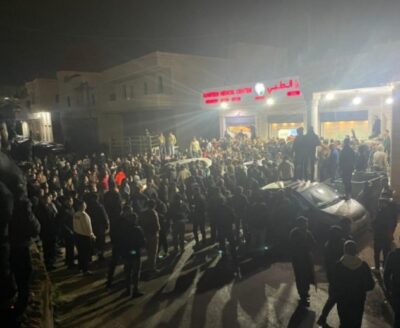
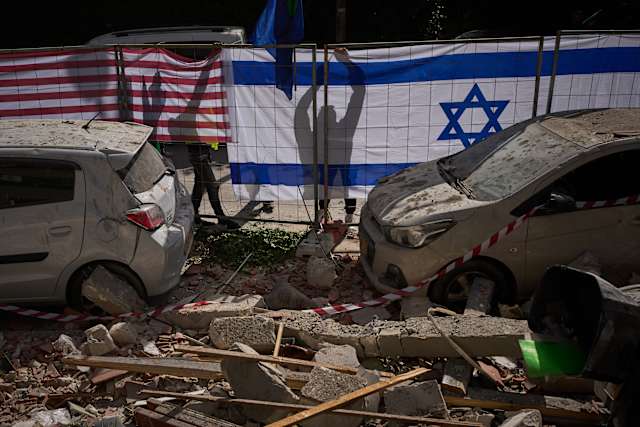
The escalating Iran-Israel conflict represents a critical supply chain disruption event for cross-border e-commerce sellers, with direct operational and financial consequences. On March 18-19, 2026, Israeli forces struck Iran's South Pars gas field (world's largest natural gas reserve), triggering coordinated Iranian retaliatory attacks on Qatar's Ras Laffan Industrial City—responsible for approximately 20% of global LNG supply—and refineries in Saudi Arabia and Kuwait. These attacks have driven crude oil prices from $96.94 to $115 per barrel, with the VIX volatility index reaching 26.50, creating immediate cost pressures across international logistics networks.
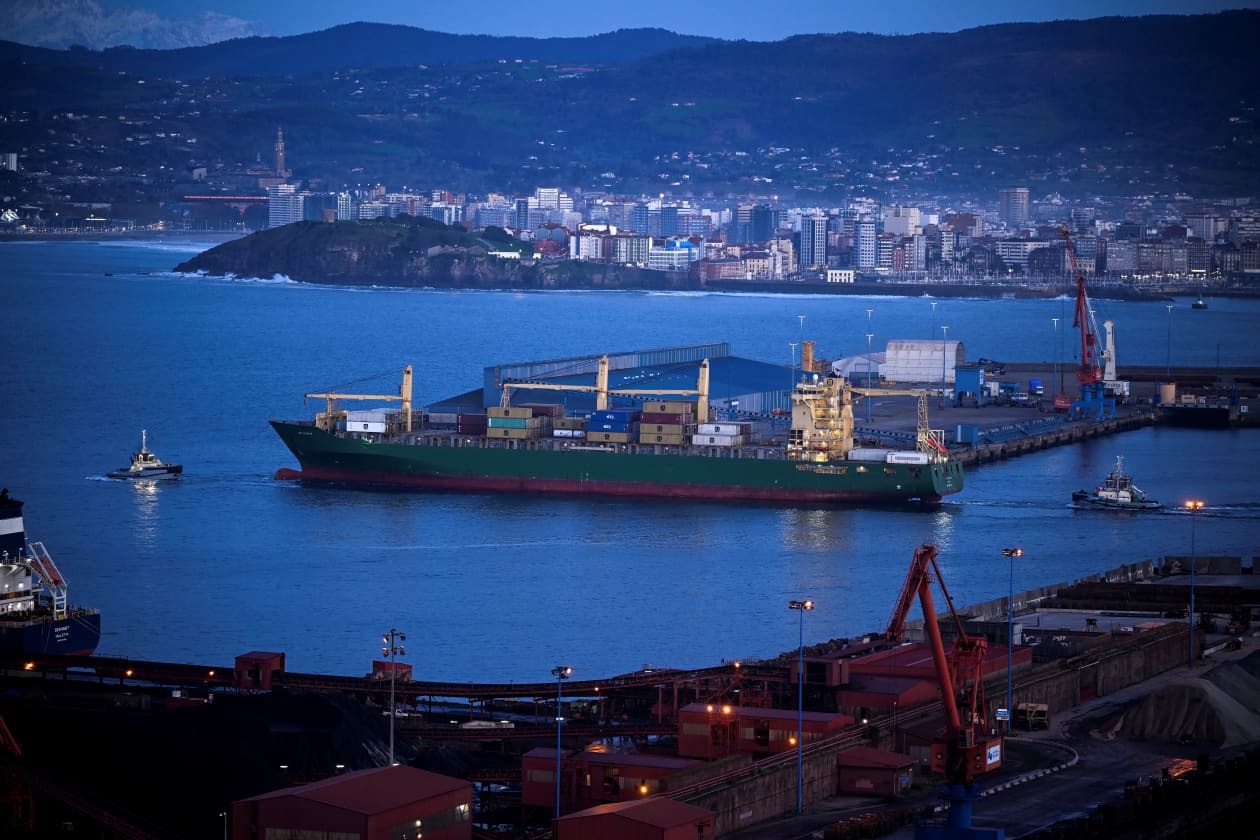
Direct Seller Impact: The energy infrastructure disruption creates three critical operational challenges. First, elevated shipping costs: fuel surcharges on ocean freight have increased 8-15% within 48 hours of the attacks, directly affecting sellers using FBA (Fulfillment by Amazon), 3PL providers, and international courier services. A typical seller shipping 1,000+ units monthly via ocean freight faces additional monthly costs of $2,000-4,500 depending on origin/destination corridors. Second, supply chain uncertainty: sellers sourcing from Middle Eastern suppliers (petrochemicals, textiles, electronics components) face production delays and increased insurance premiums for maritime transport, with some insurers adding 2-3% risk surcharges. Third, currency volatility: the Dollar Index decreased 0.14% to 96.61, creating unfavorable exchange rates for sellers pricing in foreign currencies or managing multi-currency inventory.
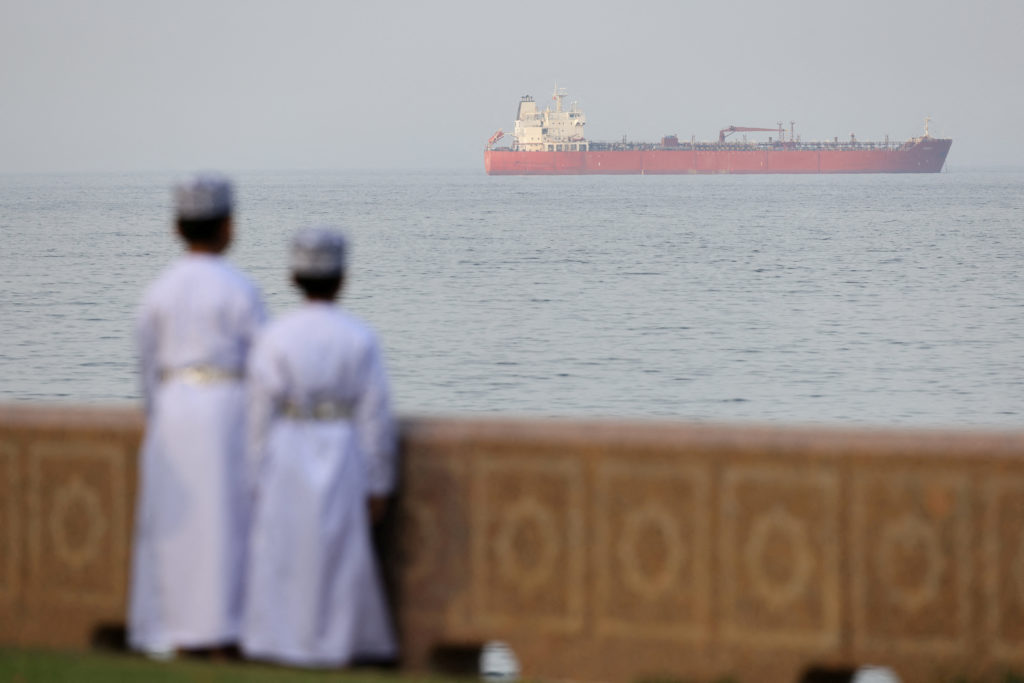
Market-Specific Vulnerabilities: The conflict disproportionately affects sellers in energy-intensive categories (electronics, appliances, automotive parts) and those dependent on Middle Eastern shipping routes. Sellers routing shipments through the Strait of Hormuz—which handles approximately 20% of global oil supply—face potential route diversions adding 5-7 days to transit times and 12-18% cost premiums. European sellers reliant on LNG for manufacturing (particularly in chemicals, plastics, and industrial goods) face production cost increases as European LNG prices surge following Qatar facility damage. Asian sellers exporting to Europe via Middle Eastern routes encounter similar delays and cost pressures. Treasury Secretary Scott Bessent indicated potential sanctions relief on Iranian oil and strategic reserve releases, suggesting possible price stabilization within 4-6 weeks, but the timeline remains uncertain with no official ceasefire agreement as of March 19, 2026.
Strategic Sourcing Implications: The conflict creates a 90-180 day window for sellers to evaluate alternative sourcing strategies. Sellers currently dependent on Middle Eastern suppliers should consider temporary diversification to Vietnam, India, or Southeast Asian alternatives for non-critical components, accepting 5-10% cost premiums for supply chain resilience. Sellers with inventory in Middle Eastern ports (Dubai, Jebel Ali) should accelerate shipments to final destinations before potential further escalation. FBA sellers should review inventory positioning in Amazon fulfillment centers, potentially shifting 20-30% of inventory to regional 3PL providers to reduce reliance on long-haul ocean freight during this volatility period. The conflict's duration remains uncertain—Defense Secretary Pete Hegseth stated "We will finish this" without setting a timeline—creating planning difficulties for Q2-Q3 2026 inventory forecasting.
Questions 8
When might shipping costs stabilize for cross-border sellers?
Treasury Secretary Scott Bessent indicated potential sanctions relief on Iranian oil and strategic reserve releases to stabilize prices, suggesting possible stabilization within 4-6 weeks (early-mid April 2026). However, this timeline is contingent on diplomatic progress, which remains uncertain. UN Secretary-General Antonio Guterres called for an immediate ceasefire, but Defense Secretary Pete Hegseth stated no timeline has been set for conflict resolution. Sellers should plan for elevated costs through Q2 2026 and prepare contingency budgets for potential further escalation. The conflict has entered its third week with military operations intensifying—U.S. forces have sunk 120+ Iranian ships and struck 7,000+ targets—suggesting the situation may persist beyond initial estimates.
How does the Qatar LNG facility damage affect European and Asian sellers?
Qatar's Ras Laffan Industrial City produces approximately 20% of global LNG supply, and the facility damage has triggered immediate LNG price surges affecting European and Asian markets. European sellers reliant on LNG for manufacturing (chemicals, plastics, industrial goods) face production cost increases as Europe's LNG reliance increased following the Ukraine conflict and Nord Stream pipeline destruction. Asian sellers exporting energy-intensive products to Europe encounter higher manufacturing costs for European competitors, potentially shifting competitive dynamics. The news reports that LNG prices influence European and Asian markets dependent on stable energy supplies for manufacturing and commerce operations. Sellers should monitor LNG futures prices and consider temporary price increases for energy-intensive products to offset manufacturing cost pressures.