


Strait of Hormuz Closure Drives 15-20% Shipping Cost Surge for China-Based E-Commerce Sellers
- Oil prices near $120/barrel since February 2025 disruption; diesel/petrol costs up 670-695 yuan/tonne; sellers face sustained logistics premium through conflict duration




)









Overview
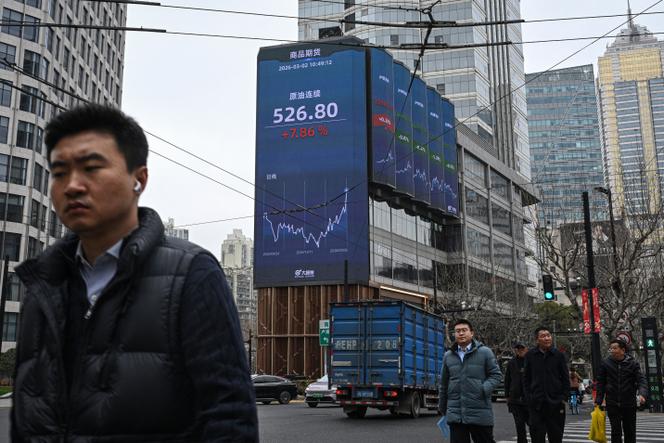
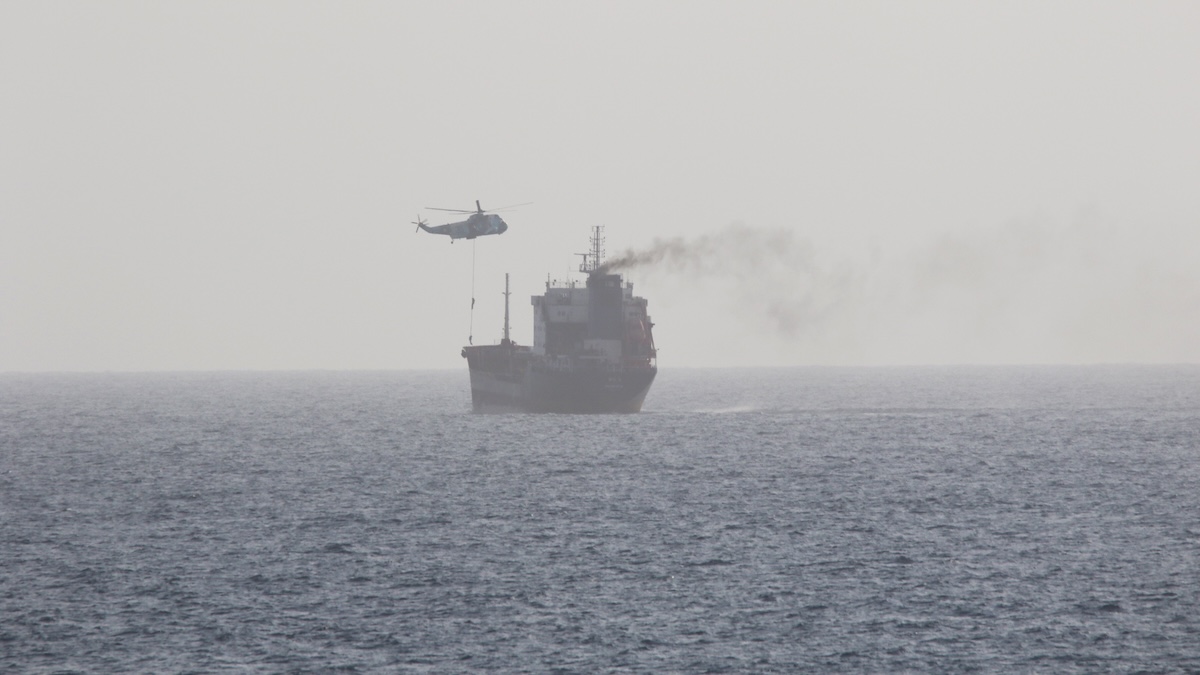
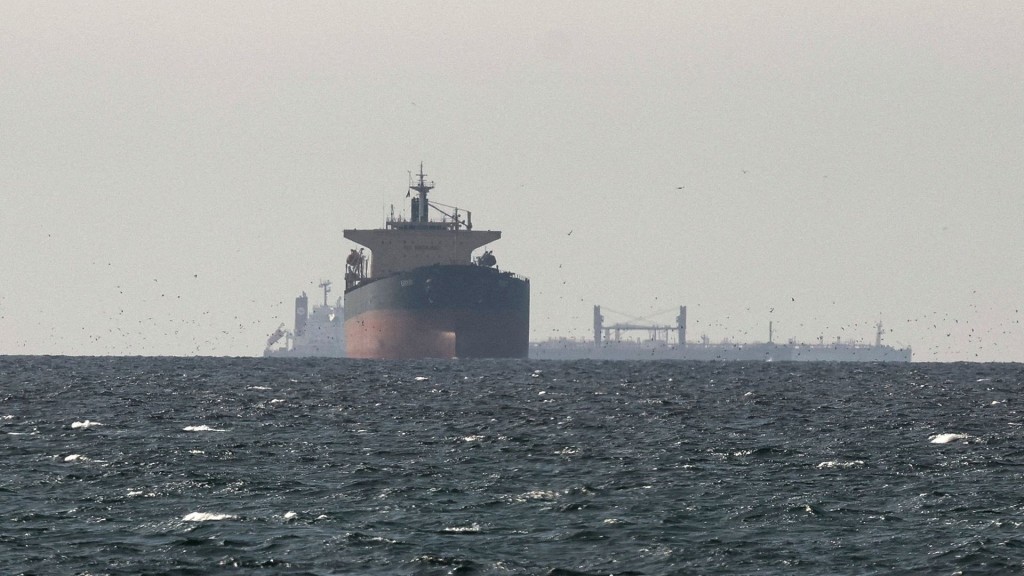
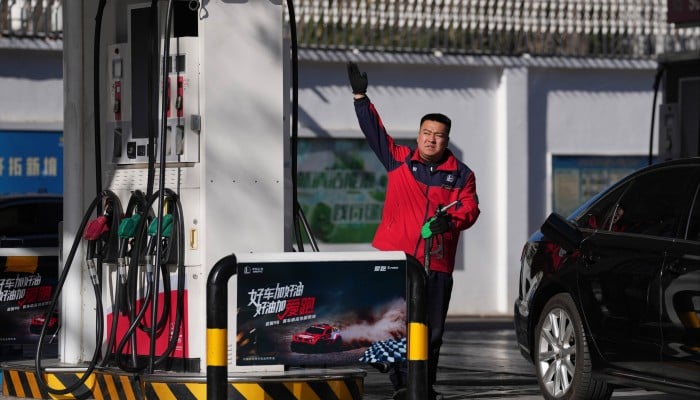
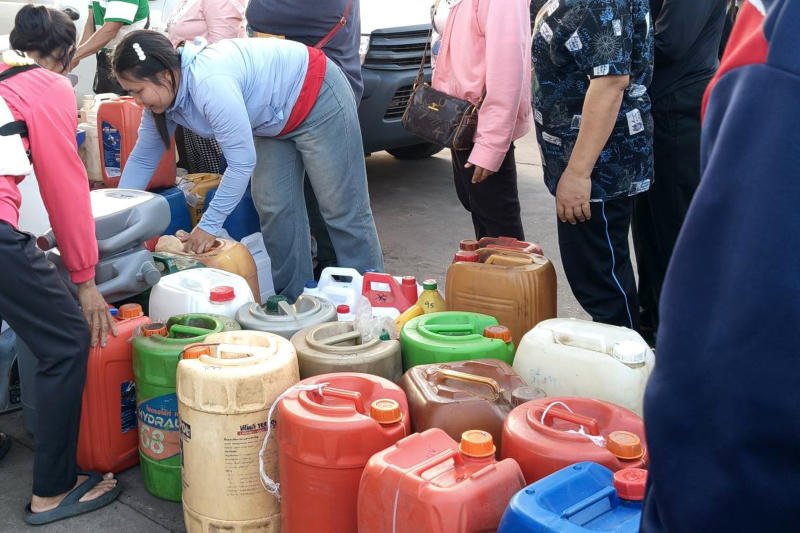
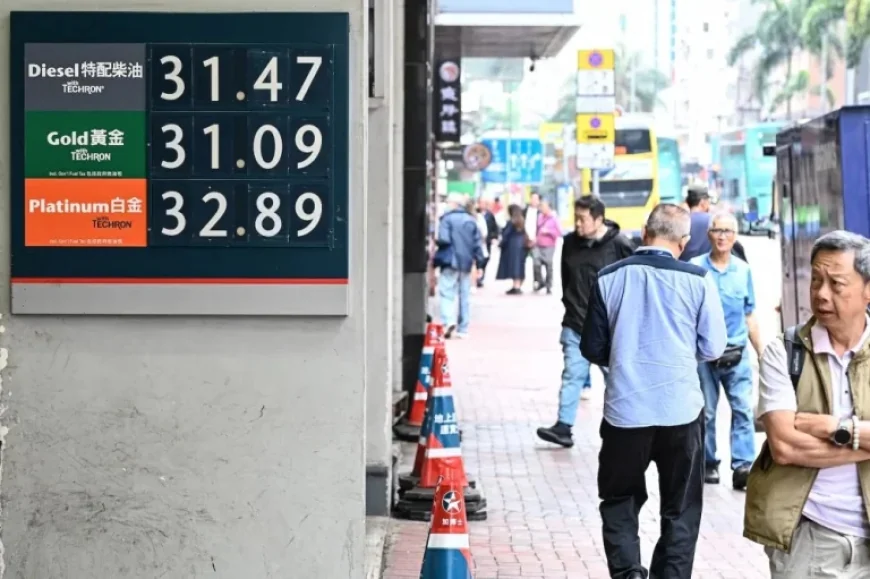
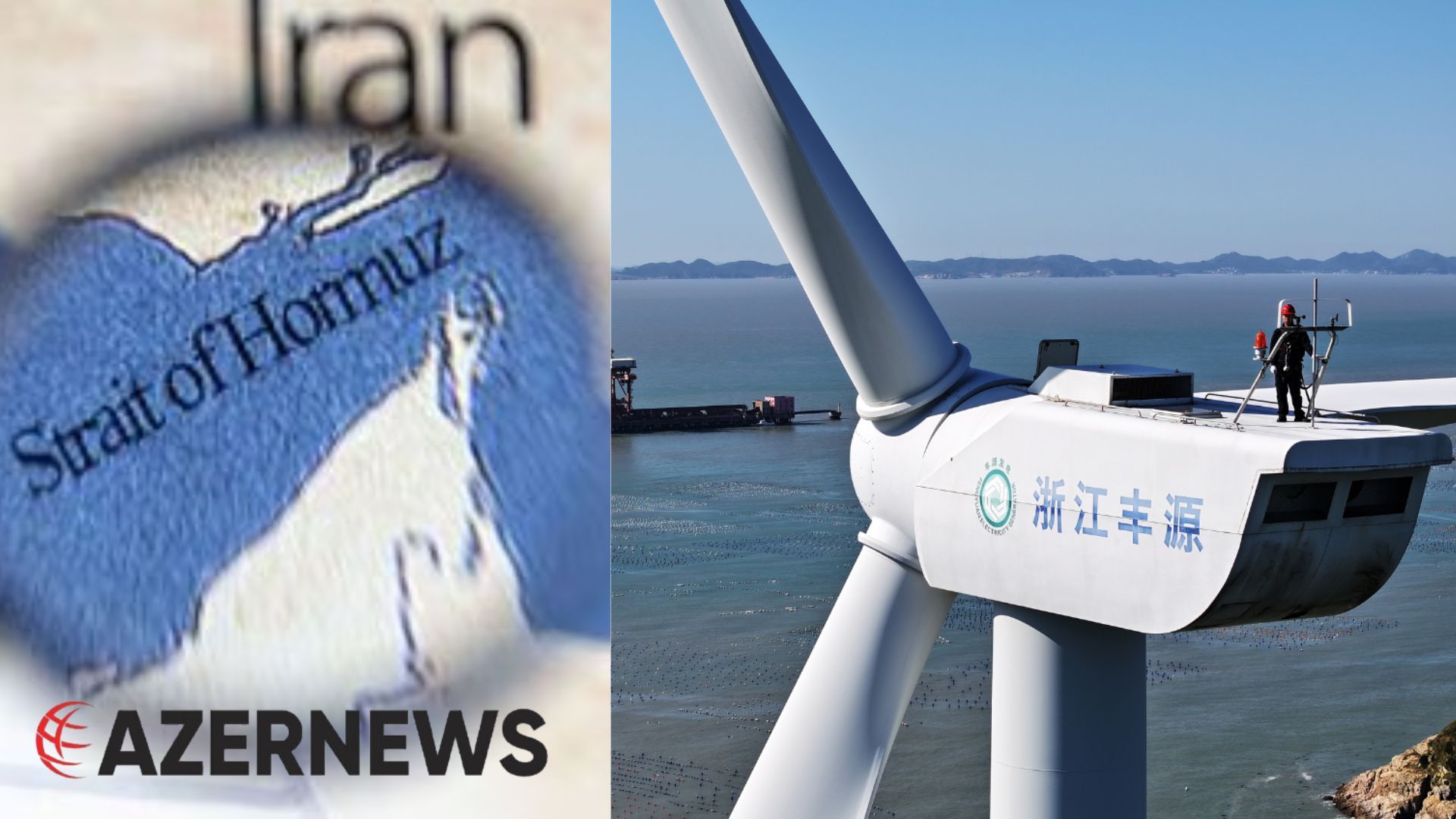
The Iran-Israel conflict has created a critical supply chain crisis for cross-border e-commerce sellers, particularly those operating from or shipping through China. Since late February 2025, US-Israeli strikes on Iranian infrastructure have effectively closed the Strait of Hormuz, the world's busiest oil shipping channel handling approximately 20 million barrels daily. This disruption has driven oil prices to near $120 per barrel, directly translating to elevated shipping costs across all international trade routes. For e-commerce logistics, petrol and diesel prices increased by 695 and 670 yuan per tonne respectively, representing a 15-20% cost increase for sellers relying on fuel-intensive transportation.
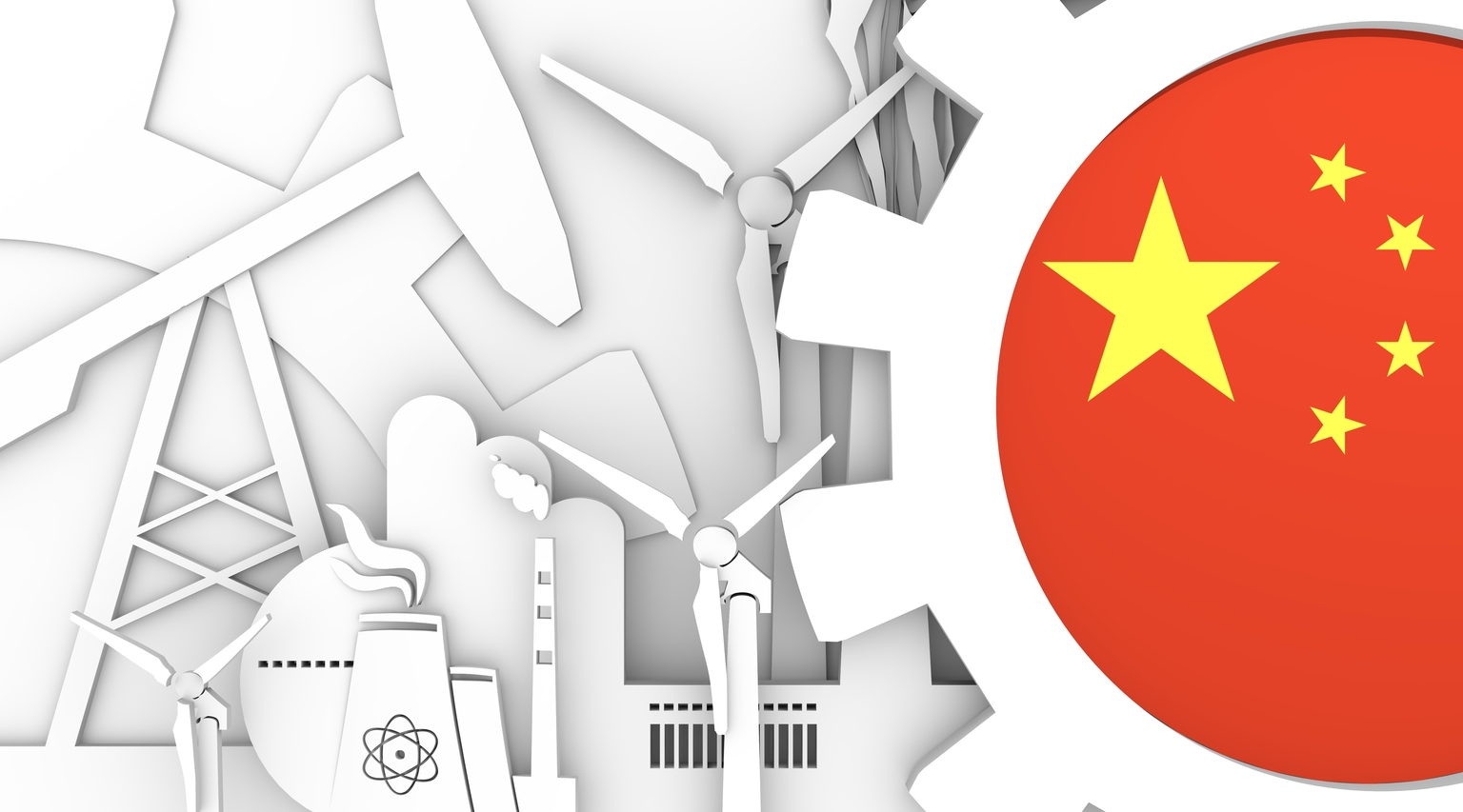
China's strategic energy positioning creates a competitive advantage window for Chinese-based sellers versus competitors in other regions. The country has accumulated approximately 900 million barrels in strategic reserves—roughly three months of imports—providing a buffer unavailable to neighboring Asian economies. Additionally, Russian oil accounts for nearly 20% of China's energy imports, offering an alternative supply source unaffected by Middle Eastern disruptions. China's petrochemical industry, which produces plastics, fertilizers, and packaging materials essential for e-commerce operations, faces rising input costs but benefits from government prioritization of domestic supply stability. The government has ordered oil refineries to halt fuel exports temporarily, protecting domestic logistics costs relative to competitors dependent solely on Gulf supplies.
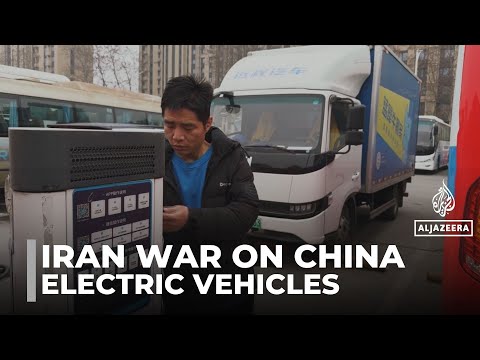
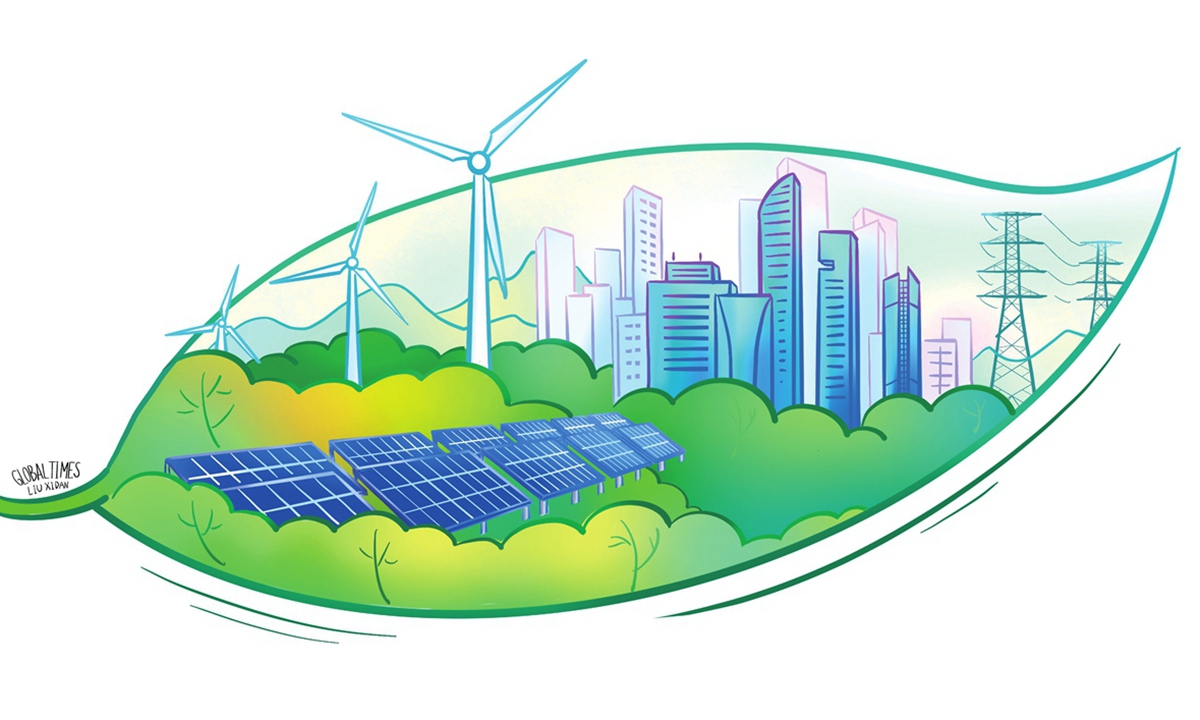
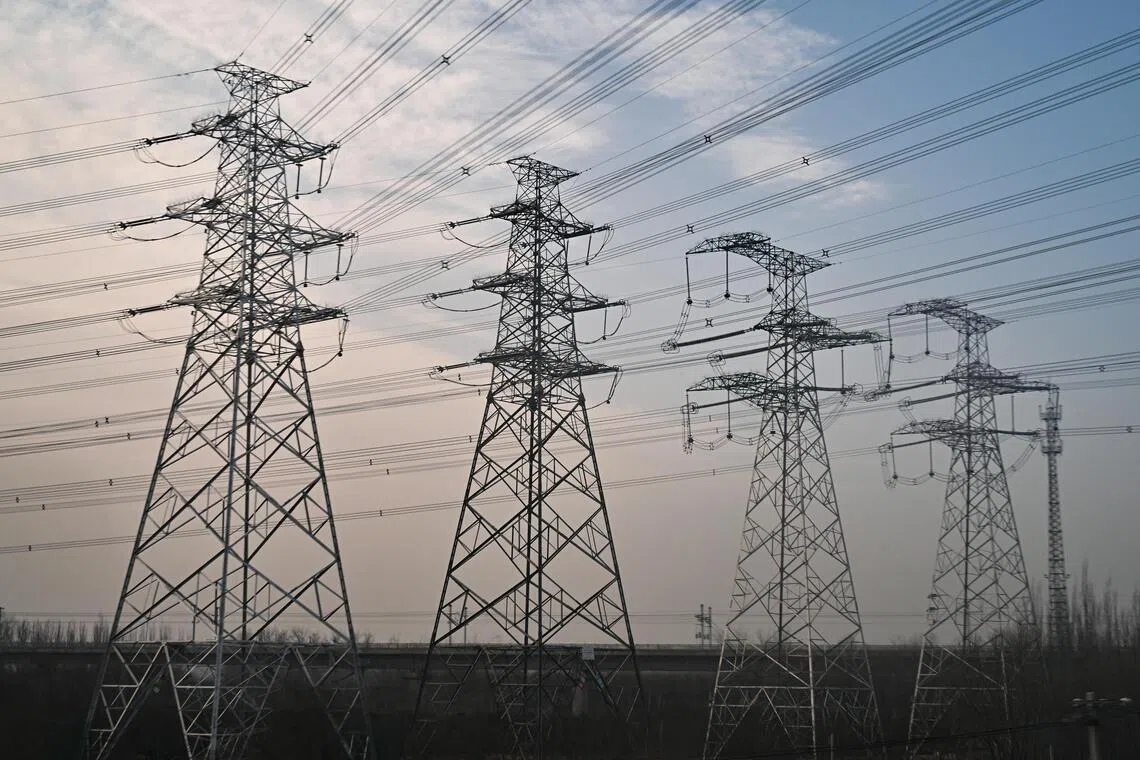
For e-commerce sellers, the operational impact manifests through three critical channels: elevated shipping costs, supply chain delays, and input cost inflation for packaging materials. Sellers shipping from China to international markets face sustained premium pricing on every imported barrel, while those importing goods into China encounter higher inbound logistics expenses. However, China's renewable energy transition—with wind, nuclear, solar, and hydropower generating over one-third of electricity in 2025 and installed renewable capacity exceeding 50%—provides long-term cost mitigation. Electric vehicles comprising one-third of new car sales further reduce transportation fuel dependency. Meanwhile, China's diplomatic positioning as a stabilizing force in Southeast Asian energy markets creates new market access opportunities. The country is offering energy cooperation to Southeast Asia's 700 million people, signaling potential trade corridor shifts and new sourcing opportunities for sellers targeting regional markets. Sellers should anticipate sustained elevated logistics costs through the conflict's duration while positioning for potential market expansion in Southeast Asia as China strengthens regional relationships through energy cooperation initiatives.
Questions 8
How can sellers leverage China's renewable energy advantages to reduce long-term logistics costs?
China's renewable energy transition—with wind, nuclear, solar, and hydropower generating over one-third of electricity and installed capacity exceeding 50%—creates long-term logistics cost advantages. Electric vehicles comprising one-third of new car sales indicate accelerating adoption of EV-based last-mile delivery, reducing fuel dependency. Sellers should prioritize partnerships with 3PL providers investing in EV fleets and renewable energy-powered warehouses, as these providers will see 10-15% cost reductions by 2026-2027. For sellers with warehousing operations in China, consider relocating to regions with high renewable energy penetration (Xinjiang, Inner Mongolia, Sichuan) to benefit from lower electricity costs. Sellers can also market products as "carbon-neutral shipped" when using renewable energy-powered logistics, creating premium positioning for eco-conscious consumers. This renewable energy advantage positions China-based sellers for sustained cost leadership through 2025-2027, creating a 18-24 month window to lock in market share before competitors recognize the advantage.
How does the Strait of Hormuz closure affect sellers using just-in-time inventory models?
The Strait of Hormuz closure creates significant operational risks for sellers relying on just-in-time inventory, as supply chain delays are now expected to extend 2-4 weeks beyond normal transit times. With 16 confirmed ship attacks in the Gulf as of March 2026 and potential route diversification requirements, sellers face unpredictable delivery windows. Sellers should immediately increase safety stock by 20-30% for fast-moving SKUs and consider shifting to 3PL providers offering alternative routing through the Suez Canal or Asia-Pacific ports. For sellers importing goods into China, delays may extend 3-6 weeks if Strait of Hormuz closure persists beyond three months. Sellers should communicate revised lead times to customers and adjust demand forecasting models to account for extended transit periods.