






Stagflation Risk & Rising Energy Costs Impact Cross-Border Seller Financing & Shipping Economics
- Fed holds rates steady while Brent crude surges to $107.38/barrel; PPI inflation accelerates, forcing sellers to refinance working capital at 4.22%+ Treasury yields and absorb 3-8% shipping cost increases





















Overview
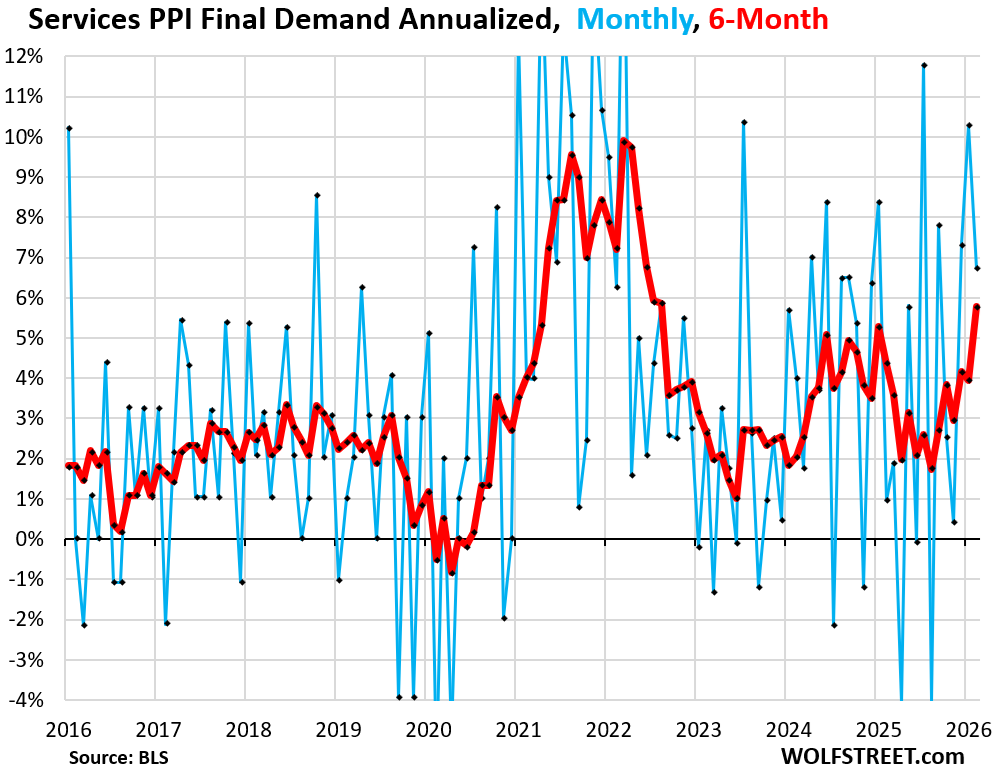
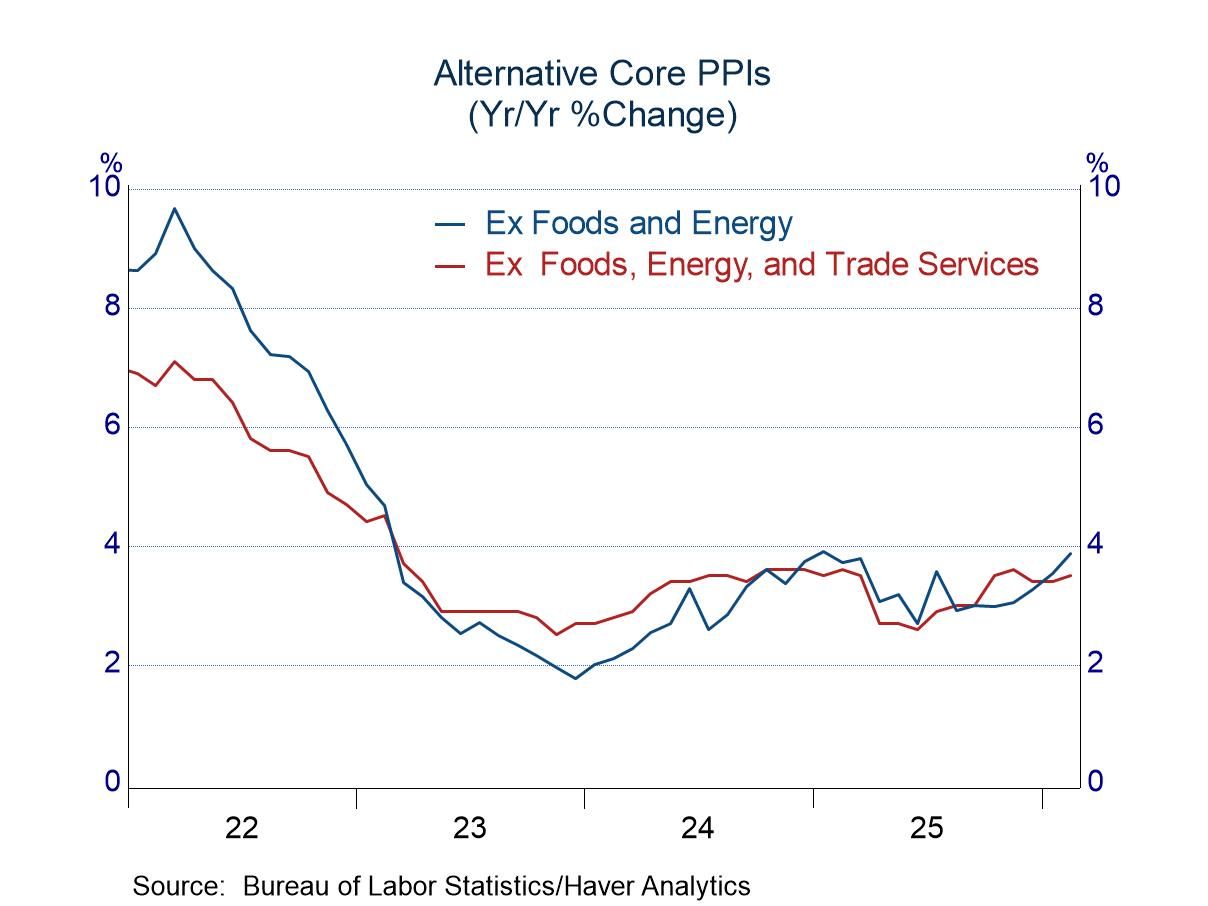
The Federal Reserve's January 2025 rate hold combined with accelerating inflation signals a stagflation environment that directly threatens cross-border e-commerce seller profitability and working capital management. The Dow fell 769 points (1.6%), S&P 500 dropped 1.4%, and Nasdaq declined 1.5% following Powell's acknowledgment of "substantial uncertainty" in rate forecasts. More critically for sellers: Brent crude oil futures surged 3.8% to $107.38/barrel following Iranian energy infrastructure strikes, with Citi Research projecting potential escalation to $120-150/barrel if Middle East hostilities persist. Treasury yields climbed to 4.26% (10-year) and 4.224% (concurrent with March 2026 PPI data), making traditional working capital financing significantly more expensive.
The immediate financial impact on cross-border sellers is severe across three dimensions. First, shipping cost inflation: Ocean freight from Asia to US/EU typically represents 15-25% of landed costs for electronics/apparel sellers. A $107.38 Brent price translates to $3.50-4.20/barrel fuel surcharge on container rates—adding $280-420 per 40ft container. For sellers moving 50+ containers monthly, this represents $14,000-21,000 in additional monthly shipping expenses. Second, working capital financing costs: With Treasury yields at 4.224% and corporate lending spreads widening during volatility (VIX jumped 4 points to 23.22), invoice factoring rates have climbed from 1.8-2.2% to 2.5-3.2% monthly (30-38% APR). A seller with $500K in outstanding invoices now pays $12,500-16,000 monthly vs. $9,000-11,000 previously—a $3,500-5,000 monthly cash drain. Third, consumer spending contraction: Morgan Stanley's Ellen Zentner notes oil-supply shocks "typically trigger significant growth slowdowns." Historical data shows 1-2% GDP growth reduction per $10/barrel sustained oil price increase, directly suppressing discretionary e-commerce demand (apparel, electronics, home goods).
Sellers must immediately restructure financing and shipping strategies to survive this environment. For payment optimization: shift from traditional bank financing (now 4.2%+ rates) to supply chain finance providers like Tradeshift, Coupa, or Fintech lenders offering 2.5-3.0% rates on verified purchase orders. For FX risk: lock in forward contracts for 60-90 day shipments now—USD strength (Treasury yields rising) creates 2-4% currency headwinds for sellers invoicing in EUR/GBP. For shipping: negotiate annual contracts with 3PLs immediately (before Q2 rate increases), lock in fuel surcharge caps at current $3.50-4.00/barrel levels, and consider consolidating shipments to reduce per-unit costs by 8-12%. For inventory: reduce SKU count by 20-30% in low-velocity categories to free up $50-100K in working capital, redeploy to high-margin items (electronics, health/beauty) less sensitive to consumer spending cuts. Monitor Fed communications weekly—if rate hike odds increase beyond 1.4% (currently), refinancing windows close rapidly.
Questions 8
What payment methods offer the lowest fees during this high-interest environment?
ACH transfers and bank-to-bank payments offer 0.5-1.0% fees vs. 2.5-3.5% for credit card processing. For cross-border payments, use SWIFT alternatives (Wise, OFX, Remitly) charging 0.5-1.5% vs. traditional banks at 2.0-3.0%. Negotiate volume discounts with payment processors—sellers processing $100K+ monthly can secure 1.5-2.0% rates vs. standard 2.8-3.2%. For supplier payments, implement early payment discounts (2/10 net 30) to reduce working capital needs by 10-15%, offsetting higher financing costs. Avoid credit card cash advances (15-25% APR) entirely.
How long should sellers lock in shipping contracts to protect against further oil price increases?
Negotiate 12-month contracts immediately with fuel surcharge caps at current $3.50-4.00/barrel levels. Citi Research projects crude could reach $120-150/barrel if Middle East tensions persist, representing 12-40% upside from current $107.38. A 12-month contract locks in $14,000-21,000 monthly shipping costs for 50+ container sellers, protecting margin through Q1 2026. Include force majeure clauses allowing renegotiation if crude exceeds $130/barrel. For smaller sellers (5-10 containers monthly), consider 6-month contracts with quarterly rate reviews to balance cost certainty with flexibility.